Quick Answer
Most garter belt problems come down to fit, strap tension, or hardware placement. Start by checking your waist and thigh measurements, adjust the straps evenly, and make sure the belt sits at your natural waist. If the belt still slides or twists after these fixes, consider a style with more straps or a different size.
1. Straps Keep Slipping Down
The most common complaint is straps that slide down your thighs. This usually happens when the straps are too loose or the belt rides up. First, tighten each strap evenly—if one side is tighter, the belt will shift. Also check that the belt sits at your natural waist, not your hips. If your belt has adjustable straps, make sure they are all at the same length. If slipping continues, the belt may be too large or the straps too few for your body shape.
2. Belt Twists or Rolls at the Waist
A belt that twists or rolls is often a sign that the waistband is too loose or too tight. If it rolls down, try tightening the back adjuster or wearing it higher. If it twists, the straps may be pulling unevenly—check that all straps are attached to the same points on your stockings. Some belts have a curved or contoured waistband that follows your body better; if yours is straight and still twists, a different cut may help.
3. Hardware Digs Into Skin
O-rings and adjusters can press into your skin, especially when you sit or bend. This often happens when the belt is too tight or the hardware sits directly over a bony area. Try loosening the waistband slightly and repositioning the belt so the hardware sits on softer tissue. If the problem persists, look for belts with flat or covered hardware, or styles that place the rings on the sides rather than the front.
4. Bulges or Lines Under Clothing
Garter belts can create visible lines under fitted clothes. Choose a belt with a thinner waistband or one that sits at your natural waist to reduce bulk. Also, ensure the straps lay flat against your thigh—twisted straps cause lumps. If you wear the belt over shapewear, the extra layer can add bulk; try wearing it directly against your skin or over thin hosiery.
5. Belt Rises Up When You Walk
If the belt creeps up as you move, the straps are probably pulling it upward. This happens when the straps are too short or the belt is too big. Lengthen the straps slightly and make sure the belt is snug at your waist. If the belt still rises, it may be too wide or too loose; a smaller size or a style with more straps can distribute tension better.
Quick Diagnosis: When to Fix vs. When to Replace
- Symptom: Straps slide down: Tighten straps evenly and check waist position. If still slipping, try a belt with more straps (like the Serpent 18 Strap).
- Symptom: Belt twists or rolls: Adjust waistband tightness and ensure straps are even. If it persists, consider a contoured or adjustable-back style.
- Symptom: Hardware digs in: Loosen waistband and reposition hardware away from bones. If uncomfortable, choose a belt with flat or side-placed hardware.
Garter Belts That Address These Problems
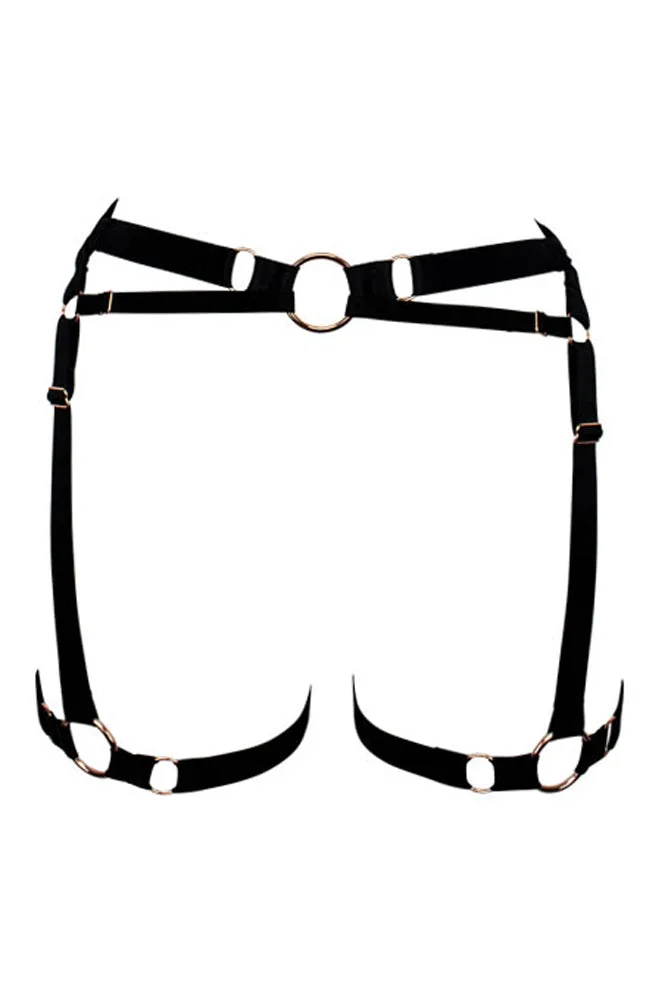
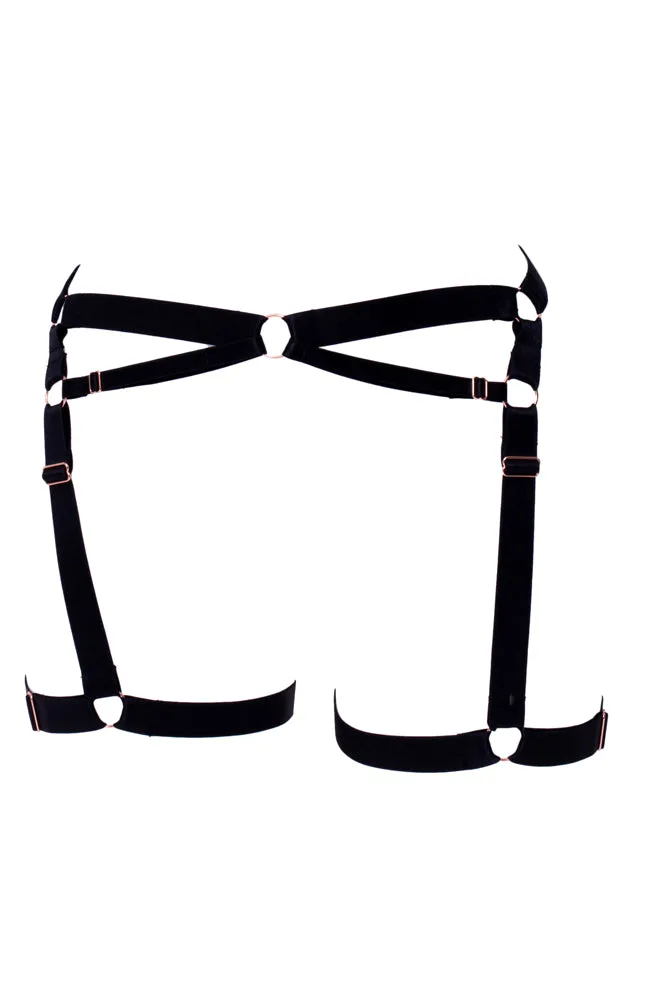
- Vengeance Garter Belt: Fully adjustable straps wrap the waist and thighs for a flawless fit, accented with our signature rose gold O rings. Adjustable waist and thigh straps let you fine-tune the fit to stop slipping and digging, so you can fix the most common issues without a new belt.
- Mercy Garter Belt: Fully adjustable for a flawless fit, with triple O ring details at the waistband and garters. If you need a belt that stays put, the triple rings add visual interest and multiple adjustment points, helping you balance tension evenly across the waist.
- Serpent 18 Strap Garter Belt: Features triple stacked straps, adjustable back and 18 suspender straps, available in silver or rose gold hardware. For persistent slipping or twisting, more straps mean better weight distribution and a more secure hold—ideal for long wear or heavier stockings.
Once you've adjusted straps and waistband, test the fit by walking and sitting. If problems continue, it may be time to try a different size or a style with more straps. A well-fitting garter belt should feel secure without digging or shifting.