Food storage containers are the workhorses of any commercial kitchen. They keep ingredients fresh, organize your walk-in, and help you comply with food safety regulations. Yet even the best containers—like those from Cambro—can fail prematurely or compromise food quality if they're not used correctly. In this guide, we'll walk through five common mistakes that foodservice professionals make when using food storage containers, and how to avoid them.
Whether you're storing prepped vegetables, sauces, or leftovers, understanding the right way to handle your containers can save you money, reduce waste, and keep your customers safe. Let's dive into these pitfalls and set you up for success.
1. Using the Wrong Container for the Task
Not all food storage containers are created equal. Using a container that isn't designed for your specific food or temperature can lead to leaks, staining, or even chemical breakdown. For example, high-heat applications require containers that can withstand extreme temperatures without warping. Cambro offers Amber High Heat Flip Lids for H-Pans, which are specifically engineered to handle hot foods and steam table use. Similarly, for cold storage, you need containers that won't crack in the freezer.
Take the time to match your container to the job. If you're storing acidic foods like tomato sauce, avoid containers that are prone to staining. If you're freezing, ensure your containers are freezer-safe. Using the right tool not only extends the life of your containers but also ensures food safety.
- Check temperature ratings before use.
- Use high-heat lids for hot holding.
- Choose containers with tight seals for liquids.
2. Overfilling or Underfilling Containers
It's tempting to pack as much food as possible into a container to save space, but overfilling can cause lids to pop off, leaks to occur, and food to spoil faster. On the flip side, underfilling wastes valuable storage space and can lead to freezer burn. The key is to fill containers to the appropriate level, leaving some headspace for expansion when freezing.
For Cambro containers, always use the fill lines if available. If you're using Camwear® food pans, consider matching them with Clear Flip Lids that fit snugly. Proper filling not only prevents messes but also ensures even cooling and heating, which is critical for food safety.
- Leave 1/2 inch of headspace for frozen foods.
- Never overfill beyond the rim.
- Use the right size container for the portion.
3. Ignoring Proper Cleaning and Maintenance
Even the most durable containers need regular care. Ignoring proper cleaning can lead to lingering odors, stains, and bacterial growth. Many Cambro containers are dishwasher-safe, but you should always check the manufacturer's guidelines. For example, Camwear® polycarbonate containers can withstand high heat in commercial dishwashers, but some lids may need to be hand-washed to maintain their seal.
To keep your containers in top shape, wash them promptly after use, dry them thoroughly before stacking, and store them with lids off to allow airflow. Avoid using abrasive scrubbers that can scratch the surface, creating hiding spots for bacteria. Investing in quality products like Camsquares® FreshPro Easy Seal Covers – Translucent can also help, as they are designed for easy cleaning and durability.
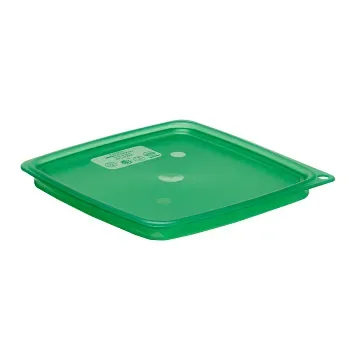
Camsquares® FreshPro Easy Seal Covers – Translucent
- Use non-abrasive cleaning tools.
- Air-dry containers before nesting.
- Replace any damaged lids or containers.
4. Storing Containers Improperly
How you store your containers when they're not in use can affect their lifespan. Stacking heavy containers on top of lighter ones can cause cracking. Nesting containers inside each other without lids can lead to scratches and deformation. And storing lids haphazardly can cause them to warp, breaking the seal.
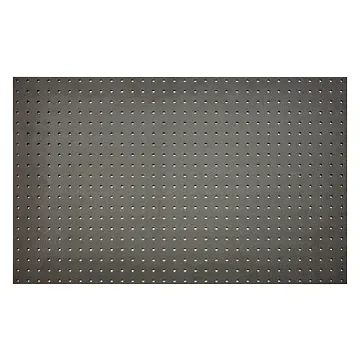
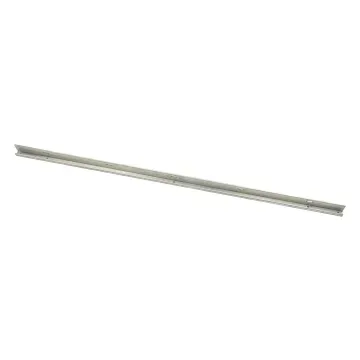
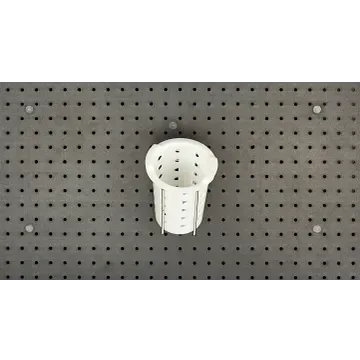
Consider using storage solutions like Pegboards and Pegboard Accessories to keep lids organized and containers separated. This not only saves space but also protects your investment. Vertical Wall Uprights and Wall Tracks can also help you maximize your storage area while keeping containers within easy reach. Proper storage prevents damage and makes your kitchen more efficient.
- Store lids separately to avoid warping.
- Use wall-mounted racks to save space.
- Never stack containers above the recommended limit.
5. Neglecting Replacement When Needed
Even with the best care, containers will eventually wear out. Cracks, warping, and broken seals are signs that it's time to replace them. Continuing to use damaged containers can lead to food contamination and increased risk of leaks. Regularly inspect your containers and lids for any signs of wear and tear.
When it's time to replace, consider upgrading to more durable options. For example, the Service Cart Pro can help you transport heavy loads, but the containers themselves should be in good condition. Always have a supply of spare lids and containers on hand to avoid downtime. Remember, investing in quality replacements is more cost-effective than dealing with food waste or safety issues.
- Inspect containers monthly for damage.
- Replace any container with cracks or chips.
- Keep extra lids in stock for quick replacements.
Avoiding these common mistakes will help you get the most out of your food storage containers, ensuring they last longer and keep your food safe. By choosing the right container for the job, maintaining them properly, and replacing them when needed, you'll run a more efficient and hygienic kitchen. Explore Cambro's range of storage solutions to find the perfect fit for your needs.