Quick Answer
Natural deodorant does work, but it works differently than antiperspirant. Most myths stem from unrealistic expectations—like instant odor control or a mandatory detox phase. The truth is, effectiveness depends on your body chemistry, the formula, and how consistently you use it. Start with a baking soda free option if you have sensitive skin.
If you’re thinking about switching to natural deodorant, you’ve probably heard conflicting advice: you’ll smell worse for weeks, baking soda is a must, or natural deodorant simply doesn’t work. These myths can make the switch feel intimidating—but they’re mostly based on misunderstanding how natural deodorant actually functions.
Unlike antiperspirants that block sweat glands with aluminum, natural deodorants neutralize odor and let your body do what it’s designed to do. That difference is key. In this article, we’ll bust five common myths about natural deodorant and give you practical guidance for making the switch successfully.
Myth 1: You Need a “Detox Phase” to Switch
Many people believe that when you switch to natural deodorant, you must endure a week or two of increased odor while your body “detoxes” from antiperspirant. This is one of the most widespread natural deodorant myths. The truth? There’s no scientific evidence that your body goes through a detox phase when you stop using antiperspirant.
What actually happens is that your underarm microbiome—the community of bacteria living on your skin—needs time to rebalance. Antiperspirants change the environment, and when you stop using them, odor-causing bacteria can temporarily multiply. This isn’t detox; it’s a normal adjustment. You can minimize it by keeping your underarms clean, exfoliating gently, and using a deodorant that contains odor-neutralizing ingredients.
- Tip: Wash your underarms with a gentle cleanser before applying deodorant to help your skin adjust faster.
Myth 2: Baking Soda Is Essential for Natural Deodorant
Baking soda is a common ingredient in natural deodorants because it neutralizes odor, but it’s not the only option—and it can cause irritation. For many people, baking soda is too alkaline for underarm skin, leading to redness, itching, or a rash. That’s why baking soda free deodorants have become so popular.
If you have sensitive skin, look for formulas that use alternative odor fighters like zinc, arrowroot powder, or gentle essential oils. These can be just as effective without the irritation. The key is finding a formula that works with your skin, not against it.
- Tip: If you experience irritation with a baking soda deodorant, switch to a baking soda free version before giving up on natural deodorant entirely.
Myth 3: Natural Deodorant Doesn’t Work
The claim that natural deodorant doesn’t work usually comes from people who tried one brand, applied it once, and expected antiperspirant-level protection. Natural deodorant works, but it’s not a one-size-fits-all solution. Effectiveness depends on your body chemistry, activity level, and the formula you choose.
Some natural deodorants contain ingredients like ozonated oils, which have been used for their purifying properties. For example, ozonated coconut oil is a popular ingredient in natural body care because it combines the moisturizing benefits of coconut oil with activated oxygen. While this isn’t a deodorant per se, it shows how natural ingredients can support skin health and odor control.
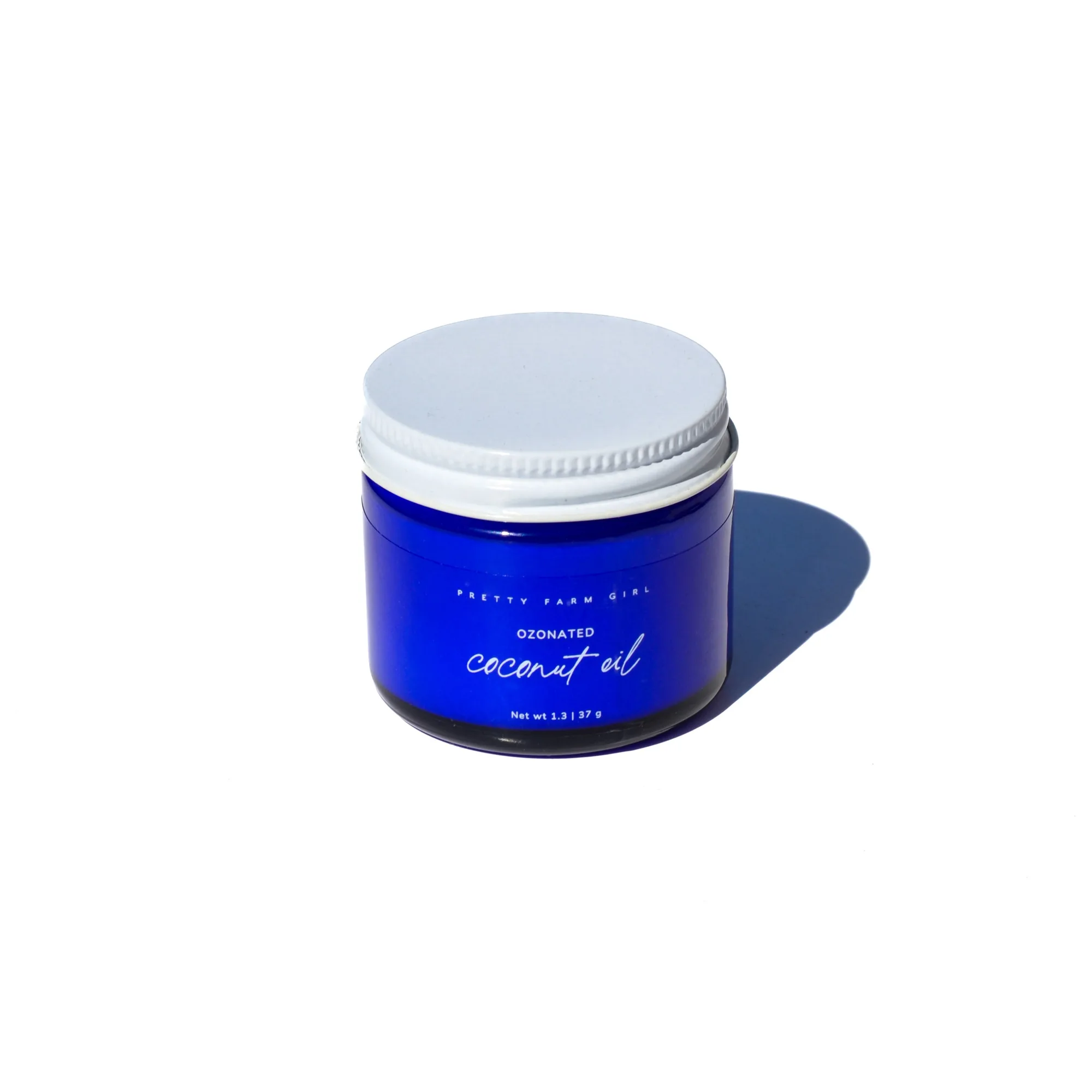
ozonated coconut oil
- Tip: Give each new deodorant at least two weeks of consistent use before judging it. Your body needs time to adjust.
Myth 4: Organic Deodorant Is Always Better
Organic deodorant can be a great choice, but “organic” doesn’t automatically mean it will work for you. Organic certification applies to the ingredients, not the formula’s effectiveness. Some organic deodorants still contain baking soda or essential oils that might irritate your skin.
When evaluating organic deodorant effectiveness, focus on the ingredient list and how the product performs for you. Look for organic ingredients like shea butter, coconut oil, and beeswax, which can be soothing and protective. But remember, a product’s organic status is just one factor—your personal experience matters most.
- Tip: Read labels for potential irritants, even in organic products. Your skin’s reaction is the ultimate test.
Myth 5: You Can’t Use Natural Deodorant if You Sweat a Lot
Heavy sweaters often assume natural deodorant won’t cut it. While it’s true that natural deodorant doesn’t stop sweat, it can still manage odor effectively. Sweat itself is odorless; the smell comes from bacteria breaking down sweat. Natural deodorants target those bacteria, not the sweat.
If you sweat heavily, you may need to reapply during the day or choose a formula with stronger odor-fighting ingredients. Some natural deodorants include clay or charcoal to absorb moisture. And remember, sweating is healthy—it’s your body’s way of regulating temperature. The goal is to feel fresh, not to stop a natural process.
- Tip: Carry a small natural deodorant with you for midday touch-ups if you’re active.
Myth vs. Reality: Quick Verdicts
- Myth: You need a detox phase: Your skin needs time to rebalance its microbiome, but it’s not a detox. Keep clean and be patient. Give it 2 weeks
- Myth: Baking soda is essential: Baking soda can irritate sensitive skin. Baking soda free formulas work well for many people. Choose baking soda free if sensitive
- Myth: Natural deodorant doesn’t work: It works differently—it neutralizes odor instead of blocking sweat. Consistency is key. Use consistently and reapply if needed
Products That Can Support Your Natural Deodorant Journey
- Ozonated Coconut Oil: Net wt 2 fl oz | 59 ml Oil in a Glass Jar with LidCocos nucifera (coconut) oil*, activated oxygen (ozone)*Organic While not a deodorant, ozonated coconut oil can be used as a moisturizing and purifying addition to your underarm routine. Its activated oxygen content may help support skin health, making it a useful companion when switching to natural deodorant.
- Blood Orange & Grapefruit Lip Balm: Comes in a 0.30 oz eco-friendly biodegradable cardboard tube.*Butyrospermum parkii (shea) butter, *Cocos nucifera (coconut) oil, Cera alba (beeswax), *Citrus paradisi (grapefruit) essential oil, *Citrus sinensis (blood orange) essential oil, Tocopherol (vitamin E)*certified organic This lip balm is a good example of a natural product that uses organic ingredients and essential oils. While it’s for lips, it demonstrates the brand’s commitment to natural formulations, which can reassure you that their deodorant options likely follow similar standards.
Switching to natural deodorant doesn’t have to be a battle. By understanding the myths and setting realistic expectations, you can find a formula that works for your body. Remember, natural deodorant is about managing odor, not stopping sweat—and that’s a healthy shift. Take your time, experiment with different options, and your skin (and body) will thank you.