Your skin barrier is the unsung hero of your complexion. This thin, protective layer keeps moisture in and irritants out, and when it’s healthy, your skin looks plump, calm, and radiant. But when it’s compromised, you may notice redness, flakiness, increased sensitivity, or even breakouts. The culprit? Often, it’s not your genetics—it’s your daily skincare habits.
In this guide, we’ll explore the five most common skincare mistakes that can quietly damage your skin barrier, and more importantly, how to correct them. By making a few simple adjustments, you can restore your skin’s natural glow and prevent long-term damage. Let’s dive in.
Mistake #1: Over-Exfoliating Your Skin
Exfoliation is essential for removing dead skin cells and revealing a brighter complexion, but too much of a good thing can backfire. Over-exfoliating—whether with physical scrubs or strong chemical acids—strips away the skin’s natural oils and weakens the barrier. Signs you’ve gone overboard include a tight, shiny feeling after cleansing, increased redness, and a stinging sensation when applying products.
To avoid this mistake, limit exfoliation to 1-2 times per week, and choose gentle exfoliants that respect your skin’s pH. If your barrier is already compromised, pause exfoliation entirely and focus on barrier repair. Products like the Retinyl Cream can help renew skin gently without the harshness of aggressive scrubs, making it a smart choice for those looking to exfoliate safely.
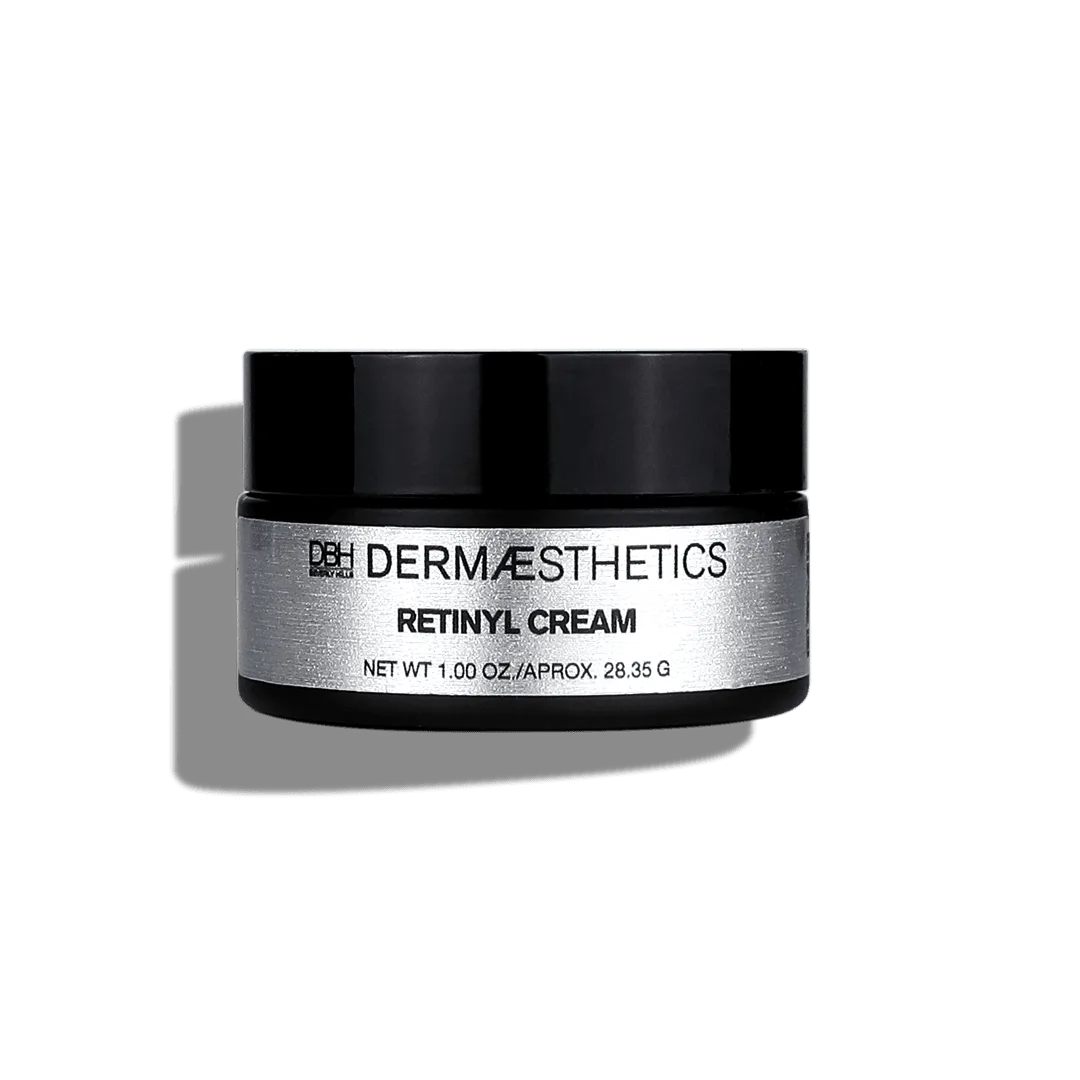
Retinyl Cream
- Start with once a week and gradually increase if your skin tolerates it.
- Avoid combining multiple exfoliating acids in one routine.
Mistake #2: Using Harsh Cleansers
Many traditional cleansers contain sulfates and other harsh surfactants that strip the skin of its natural moisture. This leaves your barrier vulnerable and can trigger excess oil production, leading to a vicious cycle of dryness and breakouts. If your face feels tight or 'squeaky clean' after washing, your cleanser is too harsh.
Switch to a gentle, pH-balanced cleanser that removes impurities without disrupting the barrier. Look for creamy or gel formulas that hydrate as they clean. For those with sensitive or reactive skin, a soothing option can make a world of difference. Remember, cleansing should leave your skin feeling soft, not stripped.
- Check the ingredient list for sulfates (e.g., sodium lauryl sulfate).
- Wash with lukewarm water—hot water strips oils.
Mistake #3: Skipping Moisturizer (Even for Oily Skin)
Many people with oily or combination skin skip moisturizer, thinking it will make them greasier. But skipping hydration can actually worsen oiliness—your skin overcompensates by producing more sebum when it’s dehydrated. A good moisturizer locks in water and reinforces the barrier, keeping skin balanced and comfortable.
Choose a lightweight, non-comedogenic moisturizer that suits your skin type. For a quick hydration boost, the Mini Vitamin A&E Moisture Cream is an excellent option—it delivers nourishing vitamins while being gentle enough for daily use. Even if you’re oily, a few drops of a hydrating serum or a light cream can make all the difference.
- Apply moisturizer to damp skin to lock in extra hydration.
- Look for ingredients like ceramides, hyaluronic acid, and niacinamide.
Mistake #4: Neglecting Sun Protection
Sun damage is one of the leading causes of skin barrier impairment. UV rays break down collagen and elastin, weaken the barrier, and cause premature aging. Even on cloudy days or indoors, UV exposure can take a toll. Without sunscreen, all your other skincare efforts may be in vain.
Make sunscreen a non-negotiable step in your morning routine. Choose a broad-spectrum SPF of at least 30, and reapply if you’re outdoors for extended periods. If you’re looking for a product that also offers skin benefits, the Silky Base provides a smooth canvas while offering sun protection—perfect for daily wear.
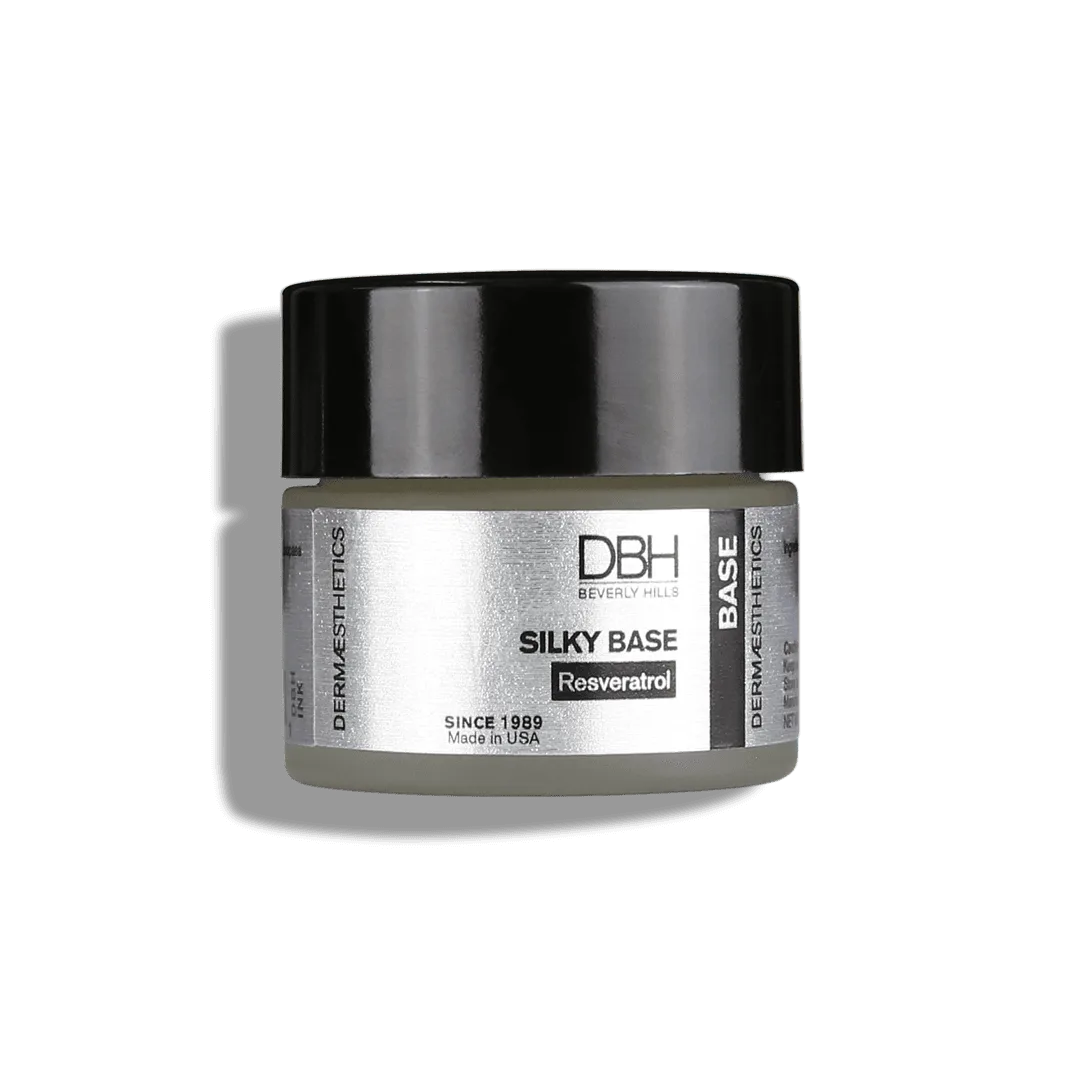
Silky Base
- Apply sunscreen as the last step of your morning routine.
- Don’t forget your neck, ears, and hands.
Mistake #5: Ignoring Your Skin’s Signals
Your skin is constantly communicating with you. Redness, itching, burning, or breakouts are all signs that something is off. Many people push through these signals, continuing to use products that irritate their skin. This can lead to chronic inflammation and a severely damaged barrier.
Learn to listen to your skin. If a product stings or causes redness, stop using it. Introduce new products one at a time, and patch test before applying them to your face. If you’re unsure what’s causing your skin to react, consider consulting a professional. The DBH Spa: Skin Consultation (Online) offers personalized guidance to help you identify triggers and build a barrier-friendly routine.
- Keep a skincare diary to track reactions.
- Simplify your routine to only essential products while your barrier recovers.
Your skin barrier is the foundation of a healthy complexion, and protecting it should be your top priority. By avoiding these common mistakes—over-exfoliating, using harsh cleansers, skipping moisturizer, neglecting sunscreen, and ignoring your skin’s signals—you can keep your barrier strong and resilient. If you’re ready to give your skin the care it deserves, explore the range of barrier-friendly products at Dermaesthetics Beverly Hills, and consider a personal consultation to tailor your routine.