Quick Answer
Most tea problems come down to five fixable mistakes: water too hot, steeping too long, using the wrong amount of leaves, ignoring water quality, and not preheating your vessel. Correct these and you'll see an immediate improvement in flavor. Start with the right water temperature and steep time for your tea type, and adjust from there.
A bitter, flat, or muddy cup of tea is almost never the tea's fault. It's usually the result of a few common brewing mistakes that are easy to correct once you know what to look for. Whether you're new to loose leaf tea or have been brewing for years, these five pitfalls are the most frequent culprits behind disappointing cups.
The good news: none of these require fancy equipment or expensive gadgets. With a few simple adjustments to your water temperature, steeping time, and leaf amount, you can transform your daily brew. Below, we break down each mistake, why it happens, and exactly how to fix it.
Mistake 1: Water That's Too Hot
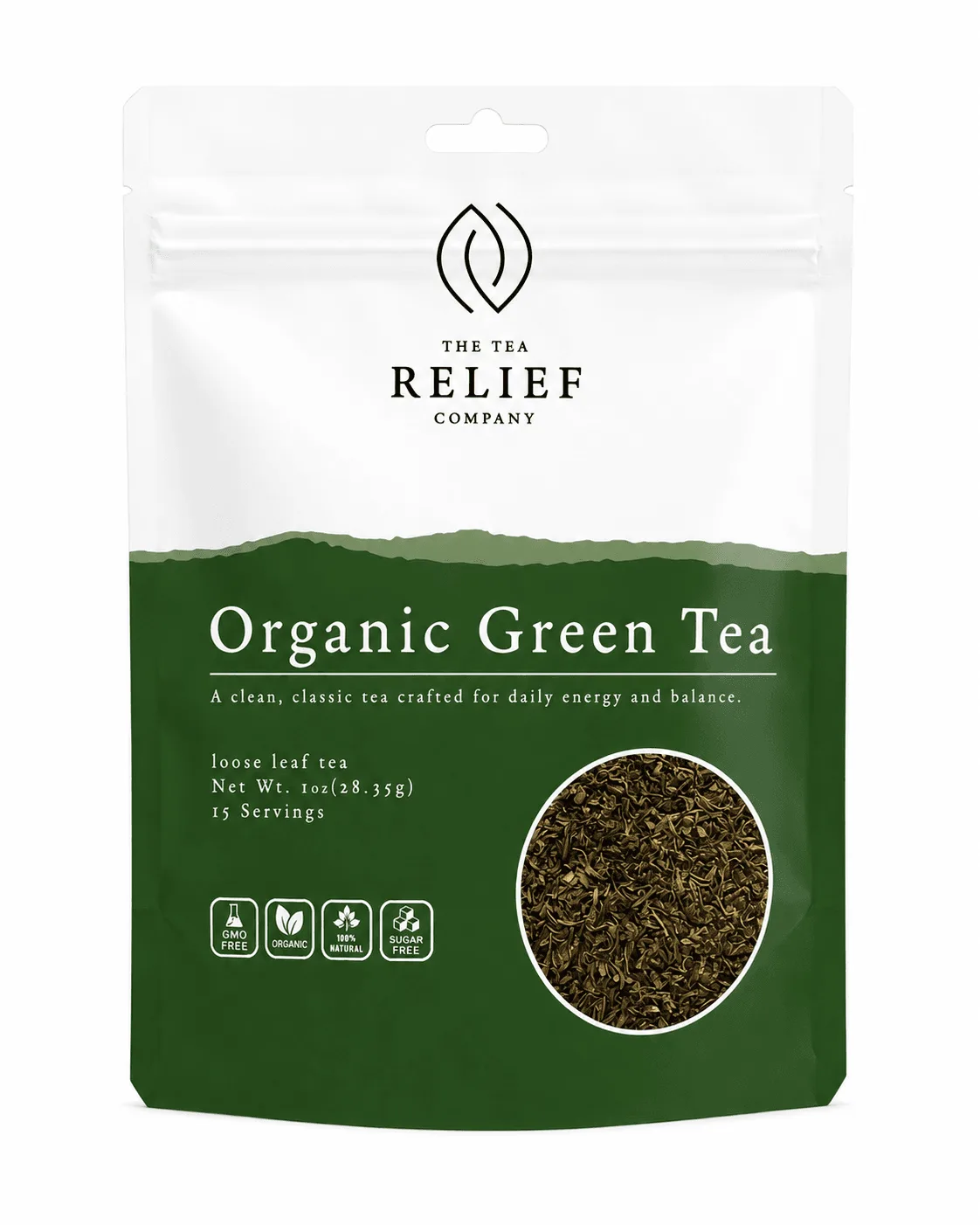
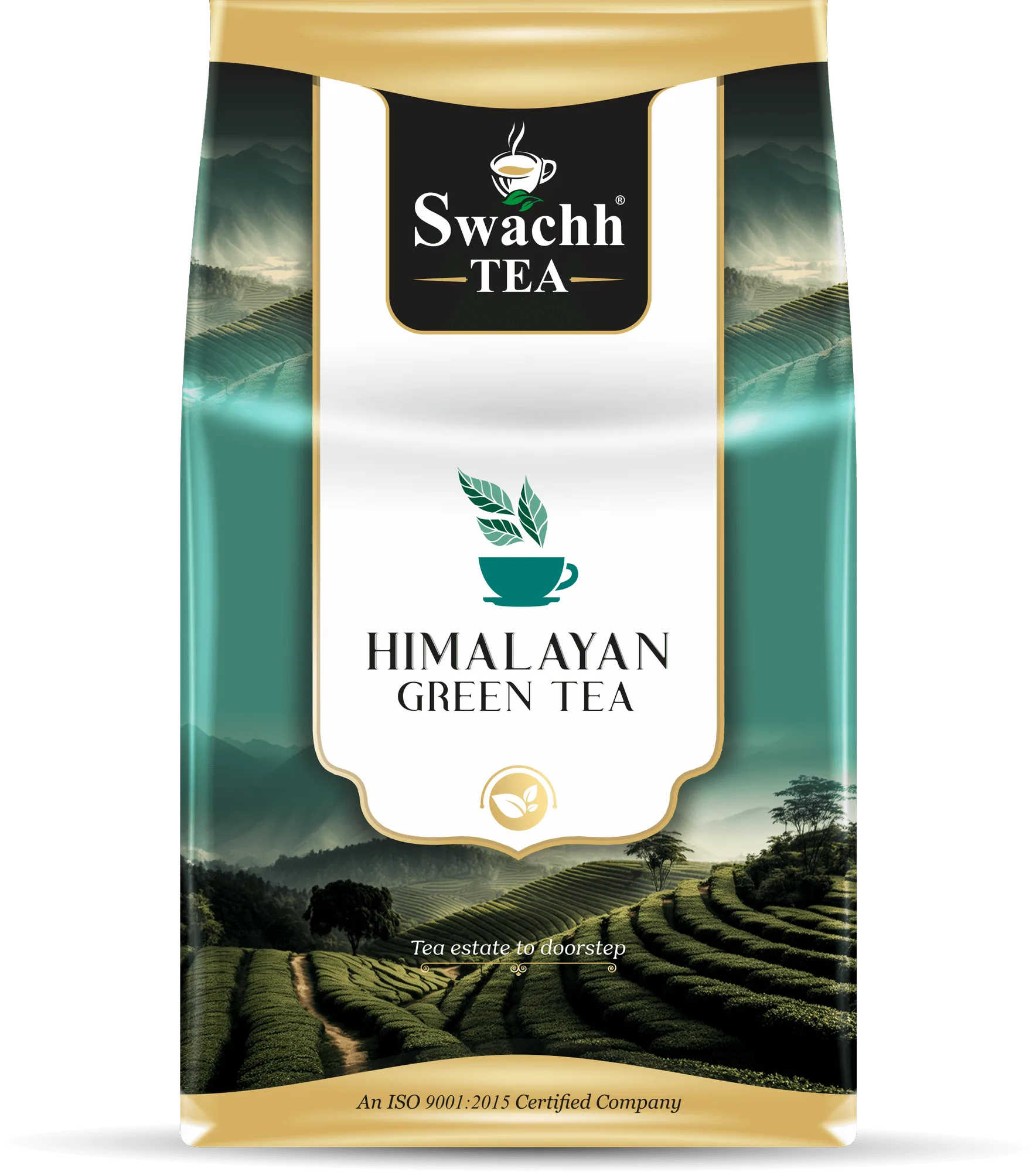
Boiling water is perfect for black tea, but it's too aggressive for delicate green, white, and oolong teas. When water exceeds the ideal temperature, it 'cooks' the leaves, releasing bitter tannins and astringent flavors. This is especially true for green teas like Dragon Well, which are lightly oxidized and best brewed at lower temperatures.
The fix: Check the recommended temperature for your tea. For most green teas, aim for 160-180°F (70-80°C). For black and herbal teas, boiling is fine. If you don't have a temperature-controlled kettle, simply let boiling water sit for a minute or two before pouring. This simple step can dramatically improve the taste of delicate teas.
Mistake 2: Steeping Too Long
Leaving your tea to steep while you answer emails is a common mistake that leads to over-extraction. The result is a bitter, harsh cup, especially with teas that are high in tannins. Even robust black teas like English Breakfast turn bitter if left for more than five minutes. Herbal teas, like Sleep Tea, are more forgiving but can still become overly strong and lose their subtleties.
The fix: Use a timer. Different teas require different steep times: green tea 1-3 minutes, black tea 3-5 minutes, herbal 5-7 minutes. If you like a stronger cup, add more leaves rather than steeping longer. This gives you more flavor without the bitterness.
Mistake 3: Using the Wrong Amount of Tea
Too little tea yields a weak, watery brew, while too much can overwhelm your palate and become overly bitter or astringent. The standard ratio is about one teaspoon of loose leaf tea per 8-ounce cup, but this varies by tea type. Dense, rolled oolongs and large-leaf teas may need more volume, while fine, broken leaves require less.
The fix: Start with the recommended ratio and adjust to taste. If you're using a tea infuser or strainer, make sure the leaves have room to expand. For example, a chai strainer with fine mesh allows for a full infusion without leaving grit in your cup. Experiment to find the strength you enjoy.
Mistake 4: Ignoring Water Quality
Water makes up more than 98% of your cup, so its quality matters. Tap water with high mineral content or chlorine can make tea taste flat or even metallic. On the other hand, distilled water produces a dull, lifeless brew because it lacks the minerals that help extract flavor compounds.
The fix: Use filtered or spring water for the best results. If you only have tap water, let it run for a few seconds before filling your kettle to reduce chlorine. Avoid reboiling water, as it depletes oxygen and can make tea taste stale. Fresh, cold water is always best.
Mistake 5: Not Preheating Your Teapot or Mug
Pouring hot water into a cold ceramic pot or mug drops the temperature immediately, which can under-extract the tea and leave it weak. This is especially problematic for delicate teas that require precise temperatures. A cold vessel can also cause the tea to cool too quickly, affecting the aroma and flavor.
The fix: Before brewing, rinse your teapot or mug with hot water to warm it up. This is a simple habit that ensures your tea stays at the right temperature from the first pour to the last sip. It also helps to keep your tea hot longer, allowing you to savor it slowly.
Diagnose Your Brewing Problem
- Symptom: Bitter or astringent taste: Likely cause: water too hot or steeping too long. Corrective action: lower the water temperature and reduce steeping time. If the tea still tastes bitter, try using fewer leaves. If bitterness persists, consider switching to a gentler tea or a different brewing method.
- Symptom: Weak or watery flavor: Likely cause: not enough tea leaves or water temperature too low. Corrective action: increase the amount of tea or use hotter water, but be careful not to over-step. If the tea is still weak, check the freshness of your leaves.
- Symptom: Flat or dull taste: Likely cause: poor water quality or not preheating your vessel. Corrective action: use filtered water and rinse your teapot or mug with hot water before brewing. If the tea still tastes flat, try a different water source or a fresh batch of tea.
Tools That Help You Brew Better
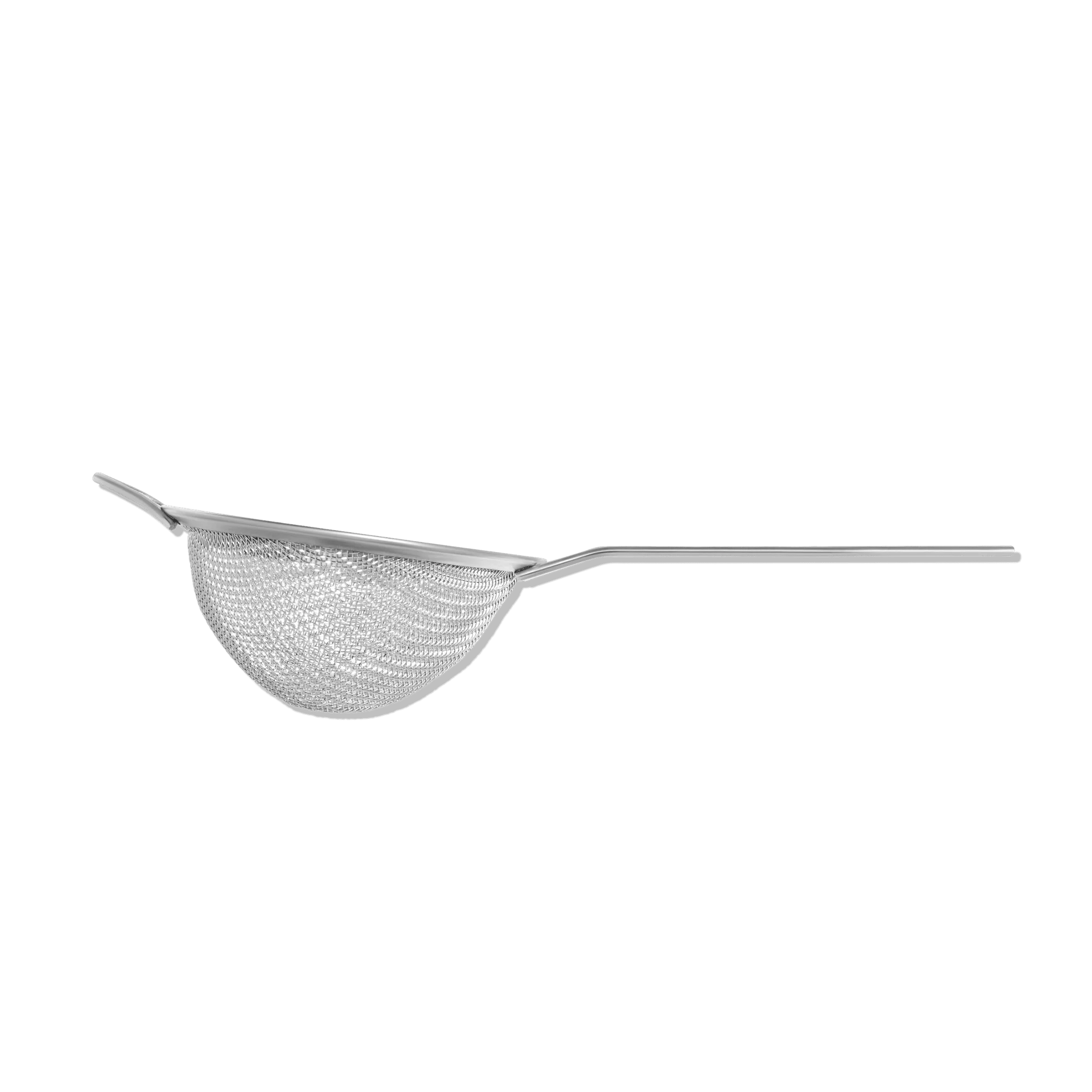
- Love Tea Chai Strainer: Crafted with stainless steel and fine mesh, this tea strainer has been thoughtfully designed for brewing chai tea at home, or in a service environment. The fine mesh ensures limited particles of tea or spice pass through to your cup, making it ideal for straining your Honey Spice Chai, or Vegan Spice Chai. A fine-mesh strainer prevents over-steeping by allowing you to remove leaves easily, and it keeps your cup free of grit—perfect for loose leaf teas and spice blends.
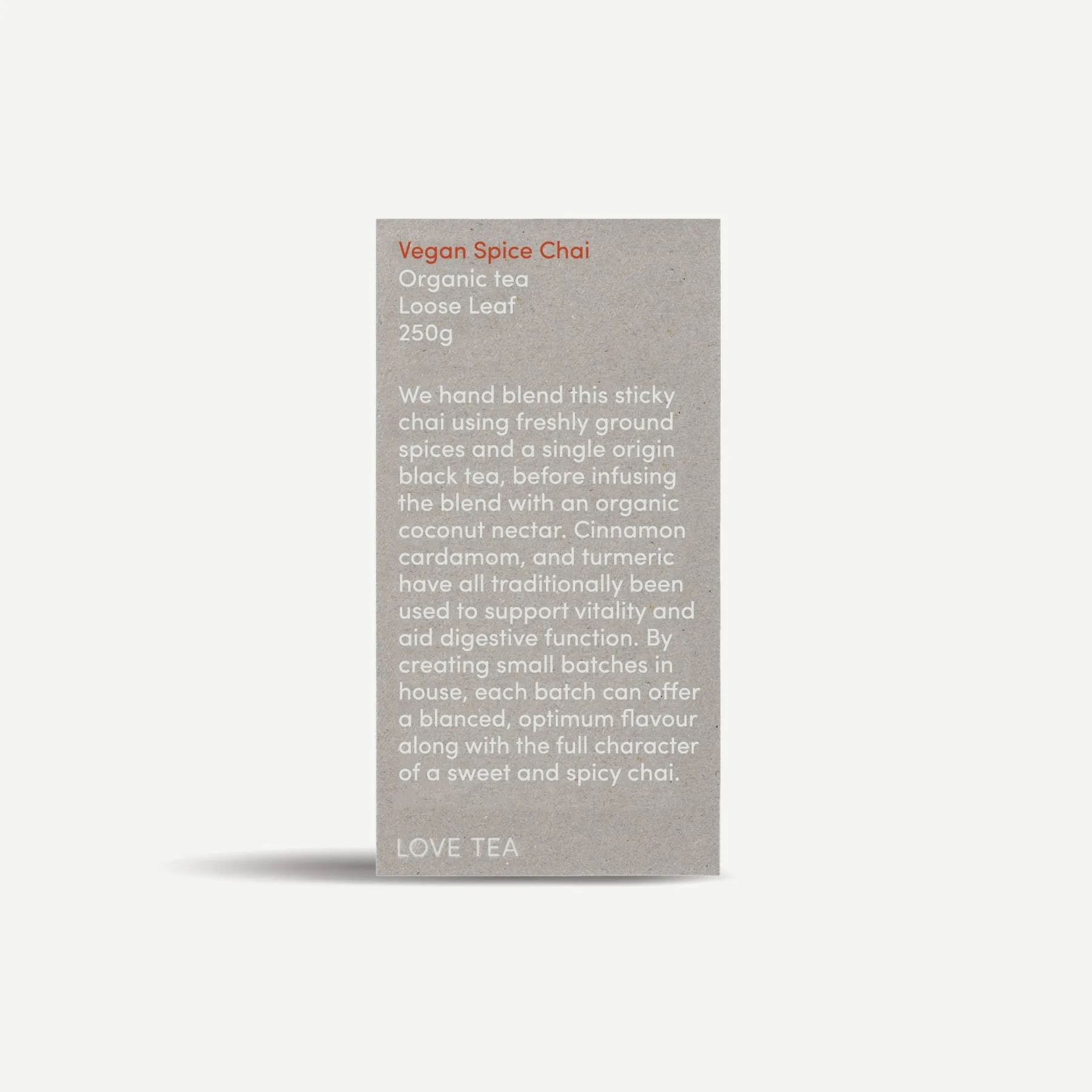
Vegan Spice Chai
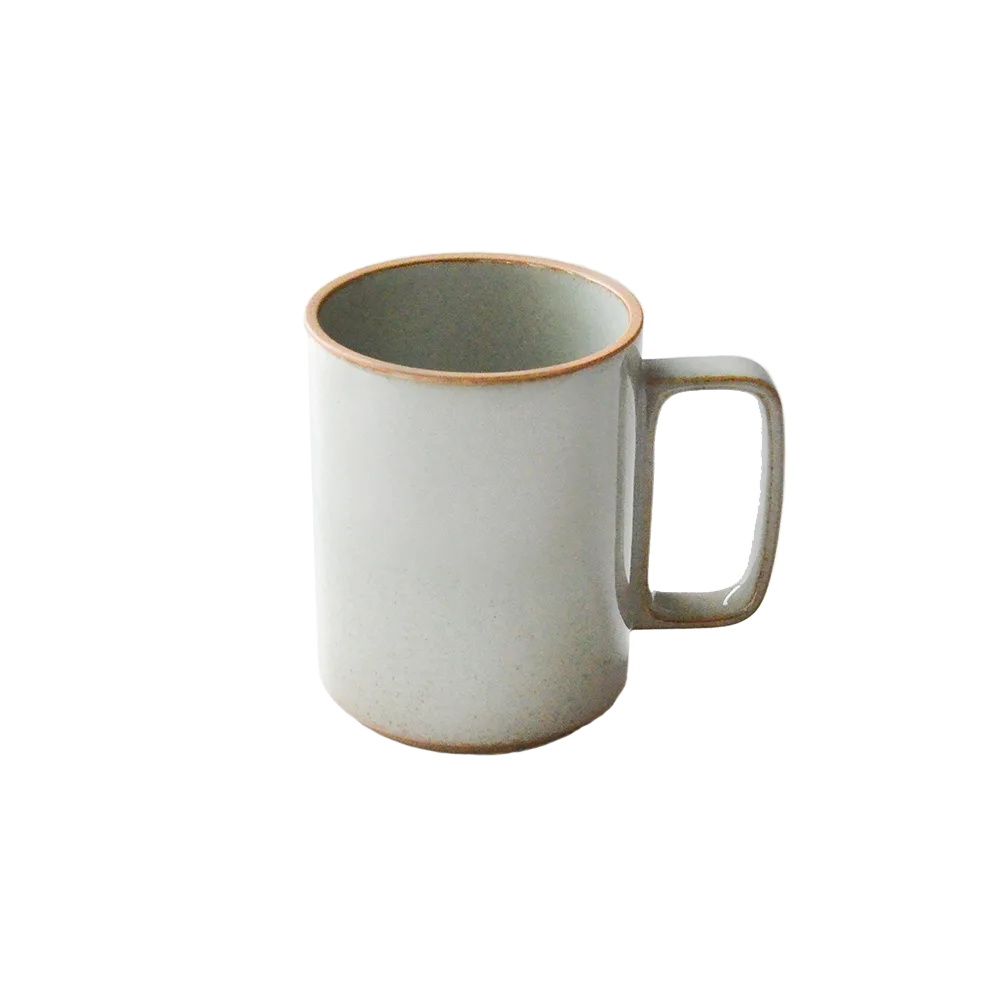
- Hasami Mug Gloss Grey Large: The Hasami Porcelain Gloss Grey Mug is made from a mixture of porcelain substance and clay, it has been created with a natural and unique texture to the material. The collection of Hasami products have been designed and based on a fixed module, with each piece sharing the same diameter so that they can be stacked and stored with ease and efficiency. A well-made mug that retains heat helps maintain your tea's temperature, so you can enjoy it at the right warmth from the first sip to the last.
Mastering these five tea brewing basics will elevate your daily cup from ordinary to exceptional. Pay attention to water temperature, steep time, and the amount of tea you use, and don't forget the importance of water quality and preheating your vessel. With a little practice, you'll be brewing like a pro in no time. Enjoy your next cup!