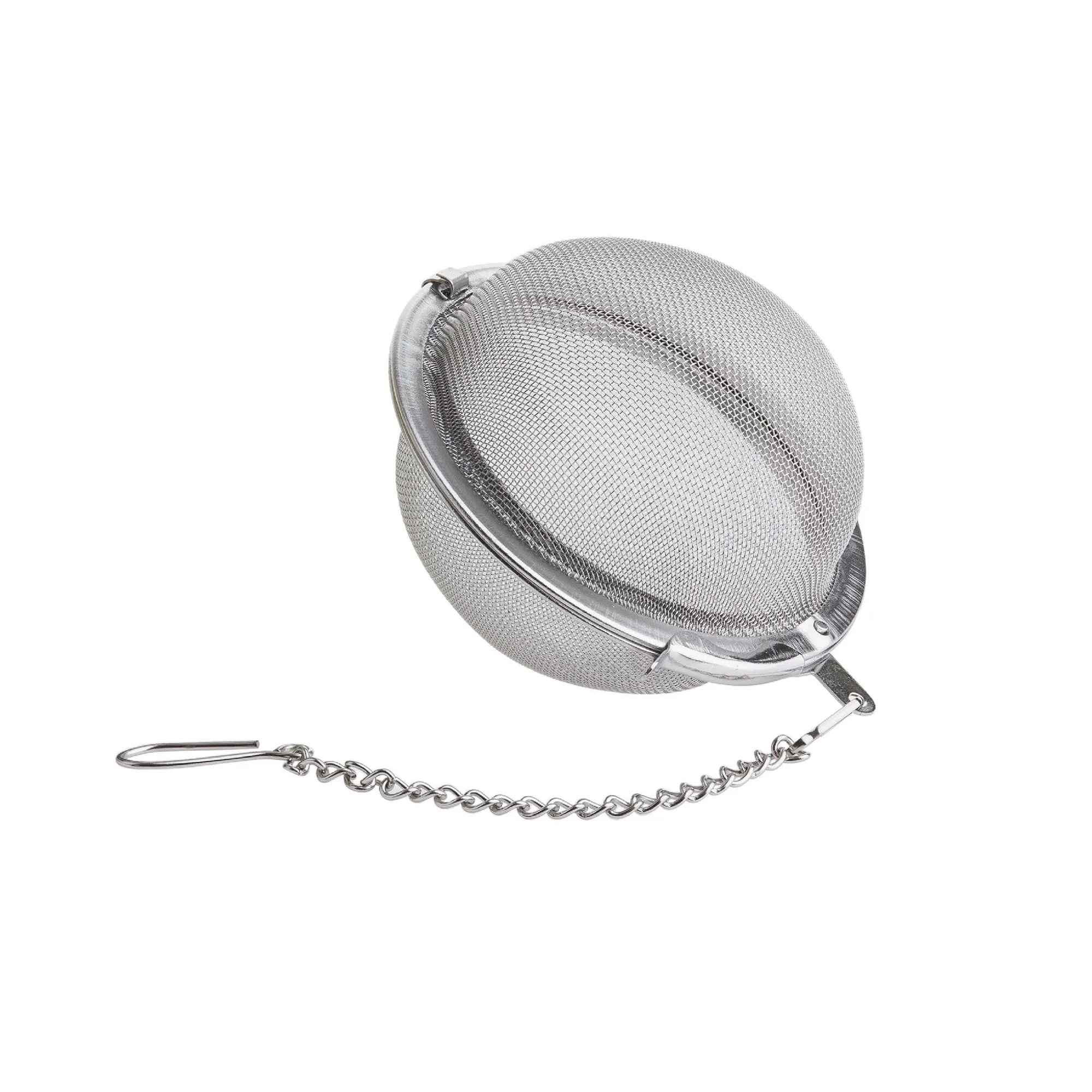
Quick Answer
The most common loose leaf tea brewing mistakes are using water that's too hot, steeping too long, guessing the leaf-to-water ratio, ignoring the quality of your water, and neglecting proper storage. To fix bitter tea and enjoy a balanced cup, match water temperature to your tea type, steep for the recommended time, use about one teaspoon of loose leaf per eight ounces, and store tea in an airtight container away from light and moisture.
Brewing loose leaf tea is a ritual that rewards attention to detail. Yet even seasoned tea drinkers fall into the same traps, ending up with a bitter, weak, or lifeless cup. The good news? Most mistakes are easy to correct once you know what to look for.
In this guide, we'll walk through five common tea brewing errors and show you exactly how to fix them. Whether you're new to loose leaf or want to refine your technique, these tips will help you brew a consistently satisfying cup.
Mistake 1: Using Water That's Too Hot
Boiling water is perfect for black tea, but it's too harsh for delicate green or white teas. When water exceeds the ideal temperature, it scalds the leaves, releasing bitter tannins and destroying subtle flavors. That's why your green tea might taste harsh and astringent.
The fix is simple: use a tea brewing temperature guide. For green tea, aim for 160-180°F (71-82°C); for white tea, 160-185°F; for oolong, 180-200°F; and for black or herbal teas, a full boil at 212°F. If you don't have a thermometer, let boiling water sit for a minute or two to cool before steeping delicate leaves.
- Invest in a variable-temperature kettle or use a kitchen thermometer for accuracy.
Mistake 2: Oversteeping Your Tea
Leaving tea to steep too long is the fastest route to a bitter cup. Overstepping extracts too many tannins, making the tea taste sharp and unpleasant. Each tea type has an ideal steeping window: green tea 2-3 minutes, black tea 3-5 minutes, oolong 3-5 minutes, and herbal teas 5-7 minutes.
To avoid this, set a timer and taste as you go. If you prefer a stronger brew, add more leaves rather than steeping longer. This gives you control over strength without the bitterness. Remember, you can always steep again, but you can't un-steep.
- Use a timer or your phone to keep track—never guess.
Mistake 3: Guessing the Leaf-to-Water Ratio
Too few leaves produce a weak, watery cup; too many can overwhelm with bitterness. The standard ratio is about one teaspoon of loose leaf tea per 8 ounces of water, but this varies with leaf size and density. Large, fluffy leaves may need more volume, while fine, dense leaves might require less.
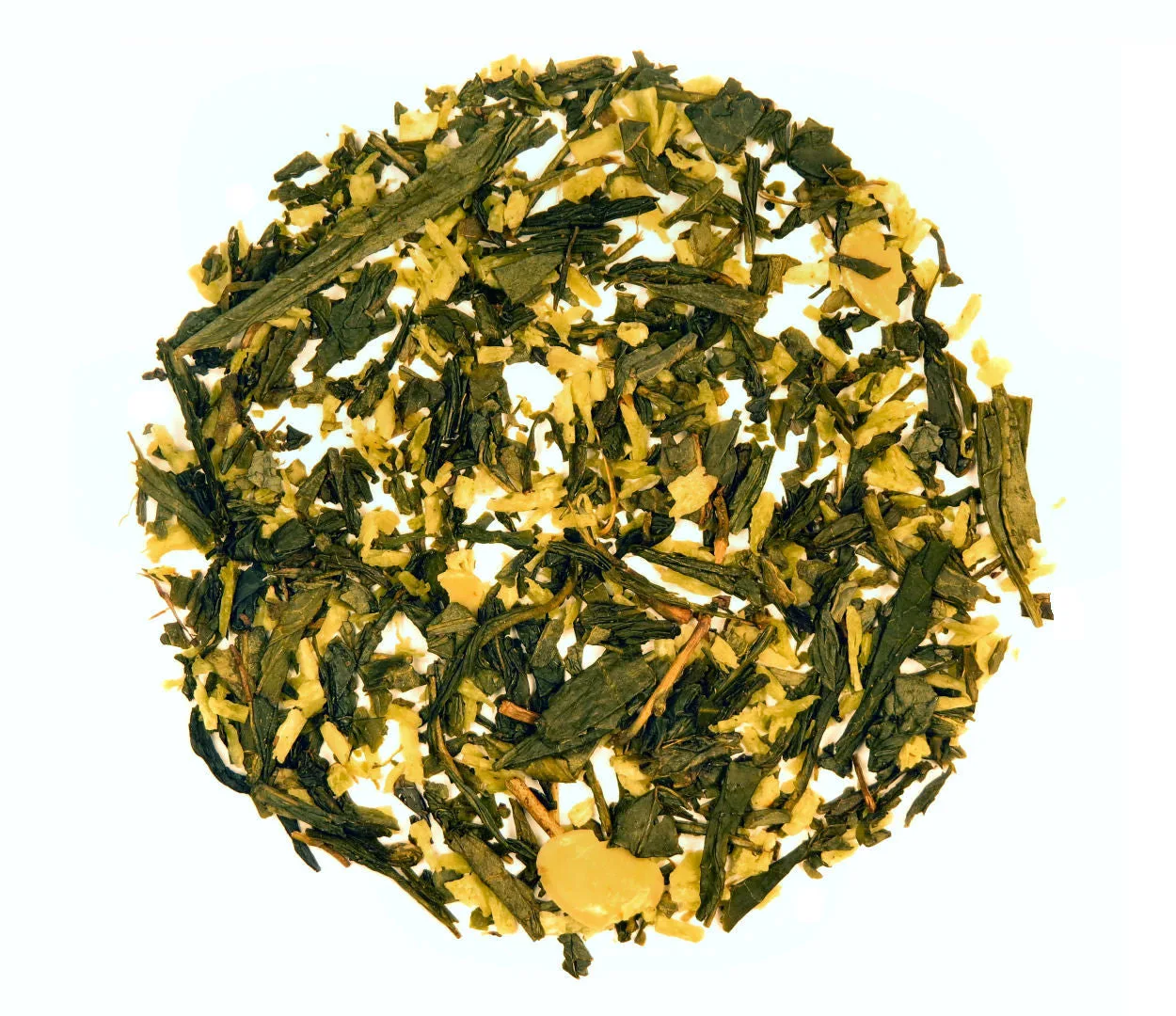
Start with the recommended ratio and adjust to taste. Keep a small kitchen scale if you want precision. For example, our Organic Green Tea comes with 15 servings per ounce, so about 2 grams per cup is a good starting point.
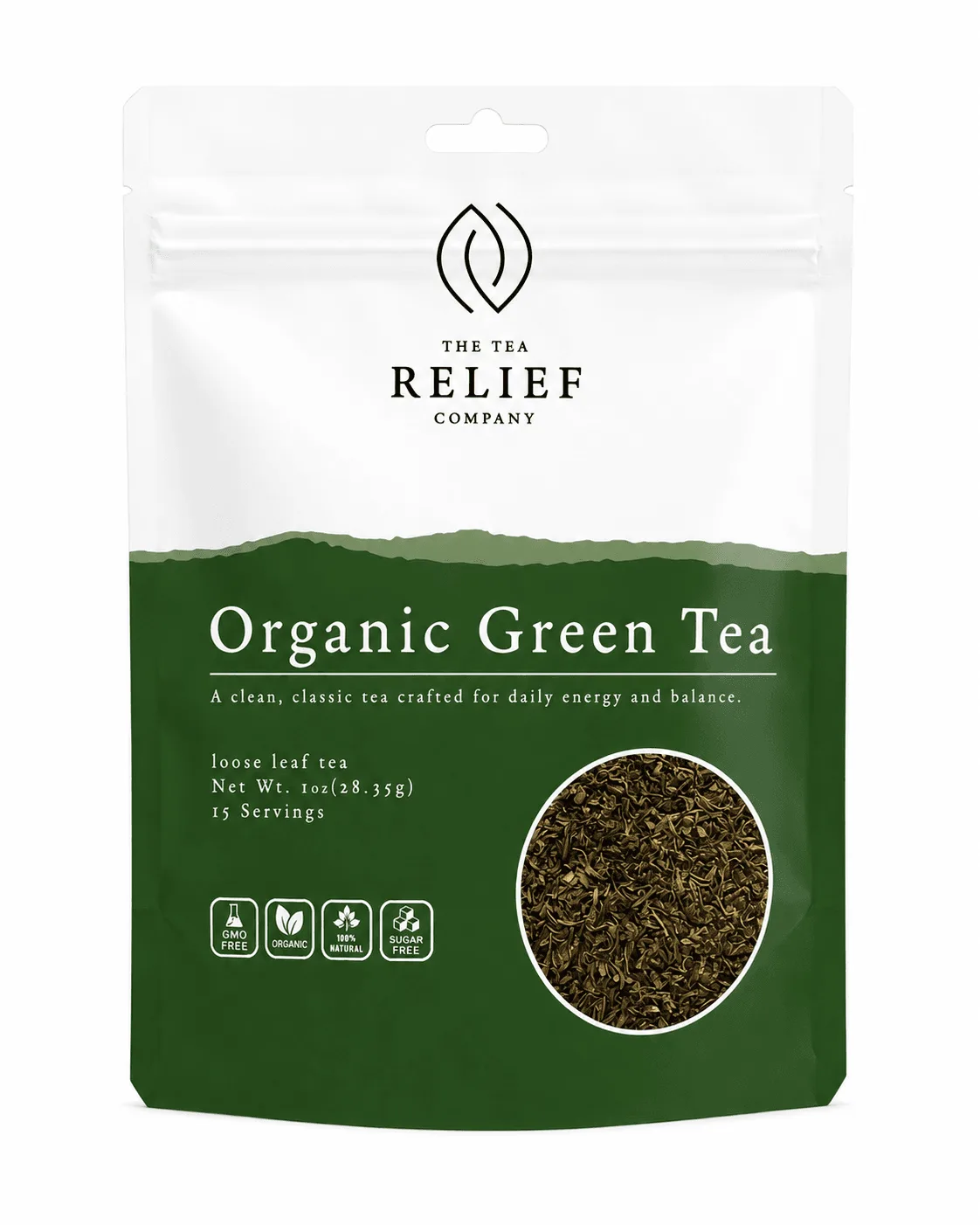
Organic Green Tea
- Experiment to find your perfect strength, but always start with the standard ratio.
Mistake 4: Ignoring Water Quality
Water makes up over 98% of your tea, so its quality matters. Tap water with chlorine or heavy minerals can impart off-flavors and mask the tea's natural sweetness. Using filtered or spring water can dramatically improve your cup.
If you notice your tea tastes flat or metallic, switch to filtered water. Also, always use fresh, cold water—reboiling water deoxygenates it, making the tea taste dull. Bring water to a rolling boil for black and herbal teas, but stop before it boils for delicate ones.
- If your water has a strong taste, try a simple charcoal filter pitcher.
Mistake 5: Storing Tea Improperly
Loose leaf tea is sensitive to light, air, moisture, and odors. Storing it in a clear jar on the counter may look nice, but it degrades quality quickly, leading to a stale, flat brew. Exposure to heat and humidity can also cause mold.
Store tea in an airtight container in a cool, dark place, away from spices and coffee. Our loose leaf teas come in resealable pouches for this reason. If you buy in bulk, transfer to a dedicated tea tin. Proper storage preserves flavor and extends shelf life.
- Avoid storing tea in the fridge unless it's a sealed, moisture-proof container.
Diagnosis: Fix Your Brewing Problems
- Symptom: Bitter or harsh taste: Likely caused by water too hot or oversteeping. Correct by lowering temperature and reducing steep time. If bitterness persists after adjusting, try a different tea or check water quality.
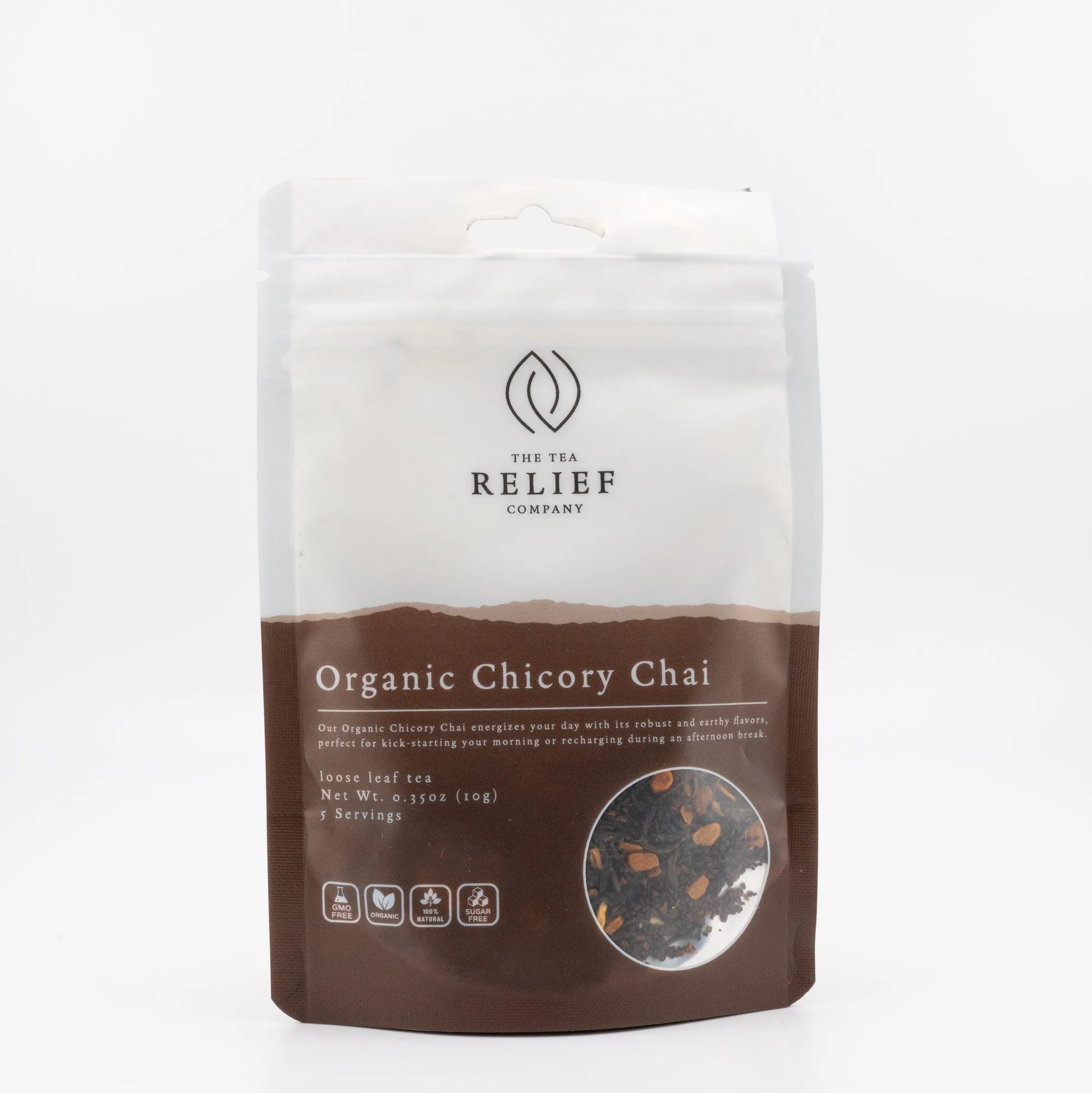
- Symptom: Weak or watery flavor: Likely caused by too few leaves or too short a steep. Increase leaf amount slightly or extend steep time by 30 seconds. If still weak, consider a tea with bolder flavor, like Organic Chicory Chai.
- Symptom: Flat or dull taste: Could be stale tea or poor water. Check storage and use fresh, filtered water. If tea is old, replace it. If water is the issue, switch to spring water.
Teas That Help You Practice Proper Brewing
- Organic Green Tea: A pure, clean loose leaf blend that delivers a gentle energy lift and a grounding sense of balance — without the jitters. Green tea is the most sensitive to water temperature and steeping time. Practicing with Organic Green Tea teaches you to respect delicate leaves and avoid bitterness.
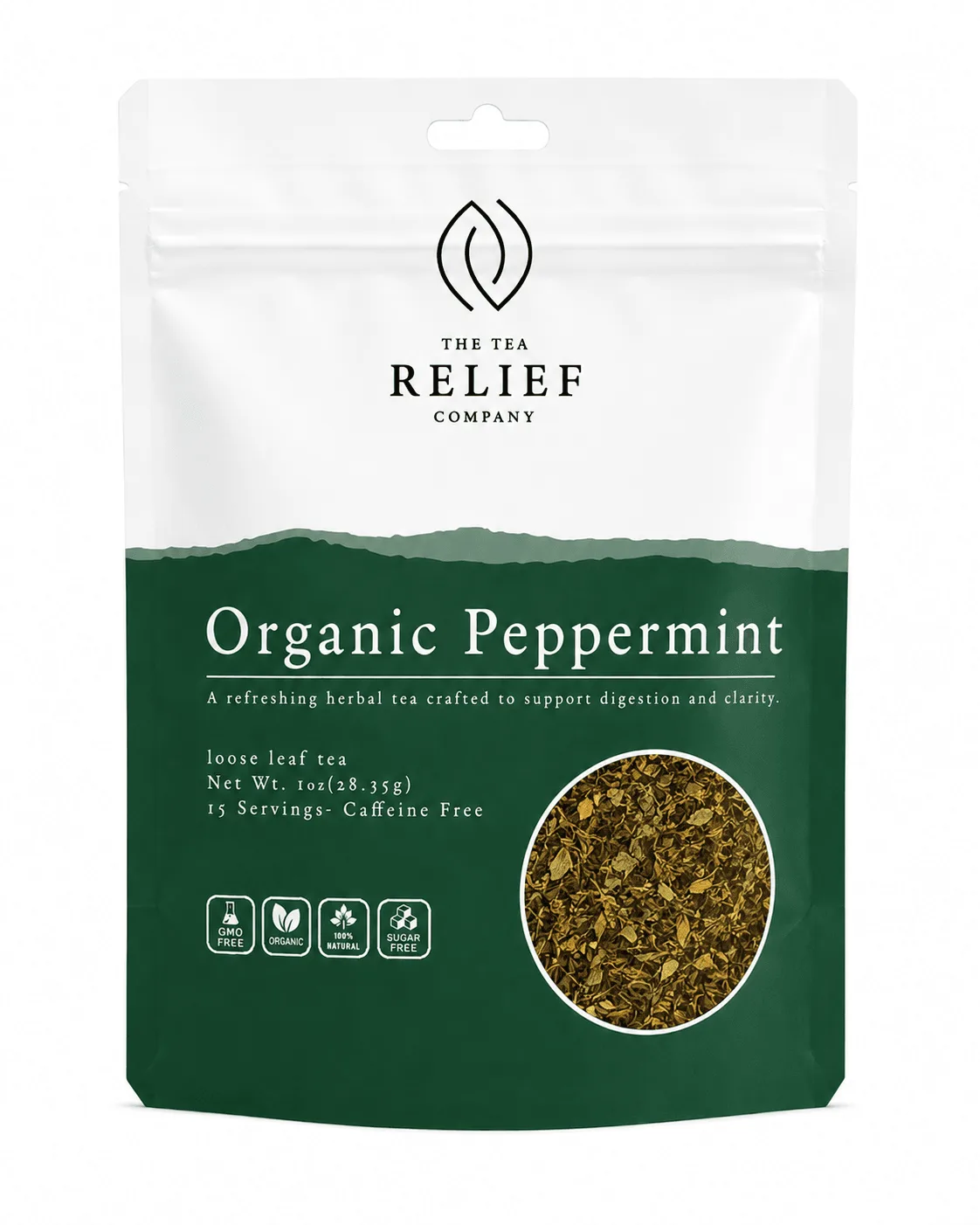
- Organic Peppermint: A caffeine-free herbal blend designed to soothe your digestive system and sharpen your focus. Herbal teas like peppermint are forgiving with temperature and steeping time, making them ideal for beginners to practice ratios and water quality without fear of ruining the cup.
Brewing loose leaf tea is a skill that improves with practice. By avoiding these five common mistakes, you'll unlock the full flavor of your favorite teas. Remember to adjust water temperature, time your steeps, measure your leaves, use quality water, and store tea properly. With these tips, every cup can be a moment of clarity and calm.