Quick answer
Most bread goes stale fastest when it is stored cold and exposed to air, so the fridge is usually the wrong default. Keep everyday loaves in a bread box, paper bag, or cotton bag at room temperature, slice only what you need, and freeze the rest. If you are storing sourdough, treat it like any other lean loaf: keep it wrapped, keep it cool but not cold, and eat it within a few days.
Bread storage advice is everywhere, and a lot of it is confidently wrong. The myths below are the ones that quietly speed up staling, turn crusts leathery, or leave you with a fridge full of bread you meant to eat days ago.
Here is what each myth claims, whether it holds up, and what to do instead. No lab coats required, just the practical mechanics of keeping bread fresh.
Myth 1: The fridge keeps bread fresh longer
Verdict: false for everyday eating. Cold temperatures slow mold, but they accelerate the starch retrogradation that makes bread feel stale. A loaf that goes into the fridge soft can come out dry and crumbly within a day, even though it is not moldy.
The fridge makes sense in one narrow case: you plan to toast or reheat the bread, or you need to buy yourself a day or two before freezing. For bread you intend to eat as-is, room temperature is the better default. This is also why the answer to does bread go stale in fridge is usually yes, faster than you expect.
- Keep a counter loaf in a bread box, paper bag, or cotton bag.
- Use the fridge only as a short holding stop before toasting or freezing.
- If you must refrigerate, wrap tightly and plan to reheat.
Myth 2: A plastic bag is the best way to store bread
Verdict: partly true, with a catch. Plastic traps moisture, which keeps the interior soft but softens the crust. For soft sandwich bread and bagels, that trade is often fine. For a crusty loaf, a sealed plastic bag is the fastest way to turn a crisp crust chewy.
The best way to store bread depends on the bread. Lean, crusty loaves do better in paper or cotton, which lets them breathe. Enriched or sliced bread can handle plastic. Either way, keep the bag closed and out of direct sun.
- Crusty loaves: paper bag or cotton bag, cut side down.
- Soft sandwich bread: plastic bag or airtight container.
- Never store bread in a sealed bag while it is still warm.
Myth 3: A bread box is just decoration
Verdict: false. A bread box is not magic, but it does two useful things: it blocks light and it creates a slightly humid microclimate that slows moisture loss. That is why bread box myths usually undersell the box rather than overstate it.
A bread box will not rescue bread that was already stale or moldy, and it will not keep a cut loaf fresh forever. It buys you a day or two of better texture compared with leaving bread on an open counter, which is often the difference between good toast and crumbs.
- Keep the box clean and dry; crumbs and moisture invite mold.
- Store cut-side down to limit exposed surface.
- Skip the box for bread you will freeze within 24 hours.
Myth 4: You should never freeze bread
Verdict: false. Freezing is the most reliable way to keep bread for weeks, provided you wrap it well and thaw it properly. The freezer stops staling almost entirely, and a tight wrap prevents freezer burn.
The catch is texture on thaw. A frozen-then-thawed crusty loaf will not be identical to fresh, but it is far better than a fridge-stored loaf. For storing sourdough, slice before freezing so you can pull out only what you need.
- Wrap tightly in plastic, then foil or a freezer bag.
- Freeze sliced or in portions for easier thawing.
- Thaw at room temperature, then refresh in a hot oven if crust matters.
Myth 5: Stale bread means it is ruined
Verdict: false. Staling is reversible to a point. Gentle heat re-gelatinizes stale starch, which is why a splash of water and a few minutes in the oven can bring a loaf back enough for toast or croutons.
This does not work forever, and it will not fix mold. But before you toss a loaf, try reheating it. If the texture comes back even partly, you have saved a meal. If it stays hard and dry, it is time for breadcrumbs.
- Refresh with moisture and heat, not with more time in the fridge.
- Use revived bread for toast, panzanella, or croutons.
- Discard anything with visible mold, not just the moldy slice.
Myth verdicts at a glance
- Fridge keeps bread fresh: Cold speeds staling for most loaves, so room temperature is the better default for bread you will eat as-is. Verdict: false
- Plastic bag is always best: Plastic keeps soft bread soft but ruins crisp crusts. Match the wrap to the loaf. Verdict: partly true
- Bread box is pointless: A box blocks light and holds a little humidity, buying a day or two of better texture over an open counter. Verdict: false
- Never freeze bread: Freezing is the most reliable long-term option when you wrap tightly and thaw properly. Verdict: false
- Stale equals ruined: Gentle heat and moisture can bring stale bread back enough for toast or croutons. Verdict: false, within limits
Bread worth storing well
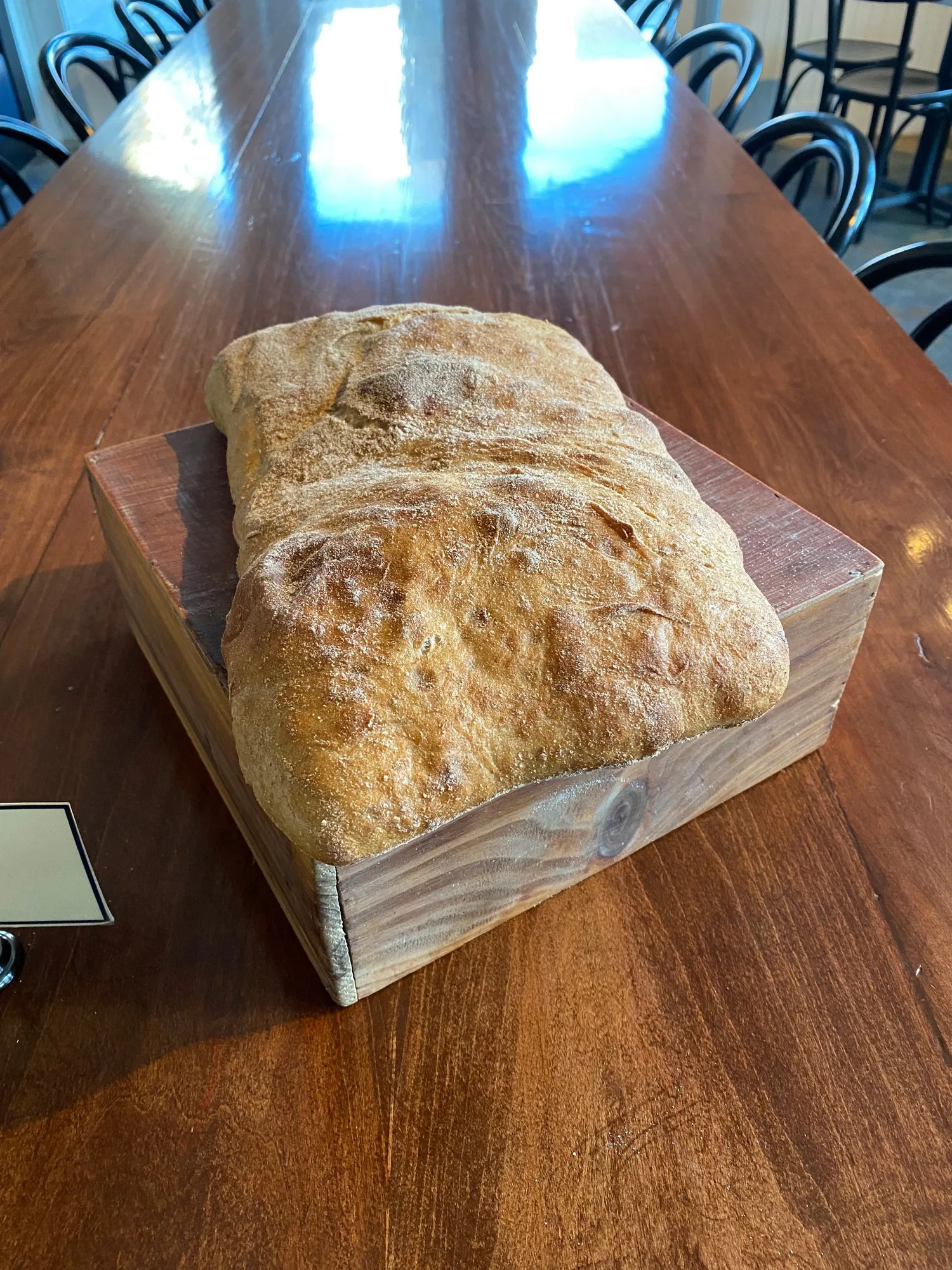
- Ciabatta: Ciabatta is a rustic loaf from Kneads • Bakery • Café • Mill, offered in the Breads & Buns category, made with 90% extraction flour. A rustic, lean loaf like this benefits from paper or cotton storage rather than a sealed plastic bag, so the crust stays crisp instead of turning chewy.
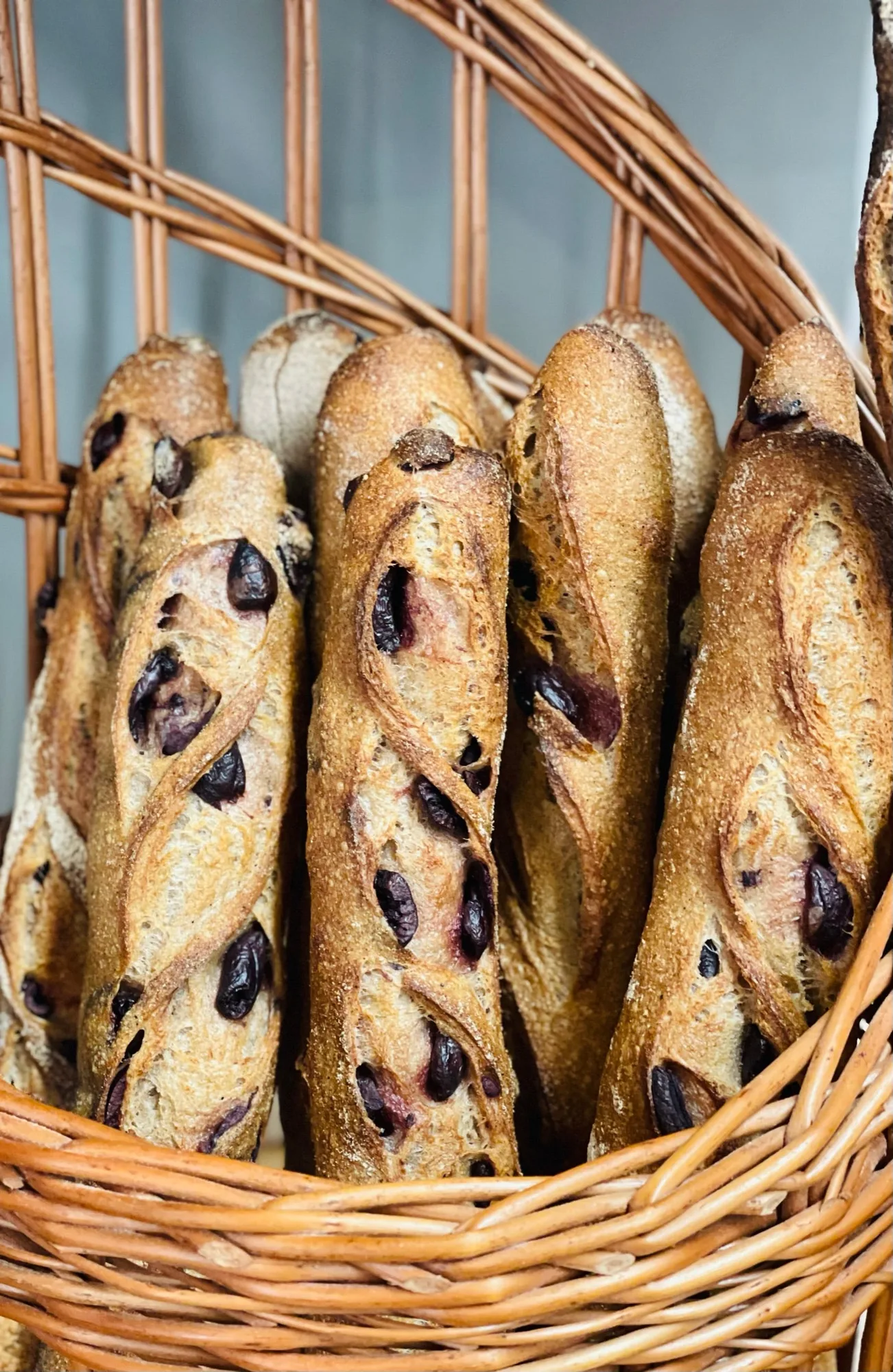
- Olive Ficelle: Olive Ficelle from Kneads is a thin, crispy bread made with a white and red wheat blend and kalamata olives. Thin, crispy breads lose their snap quickly, so eat them the day you buy them or refresh them briefly in a hot oven before serving.
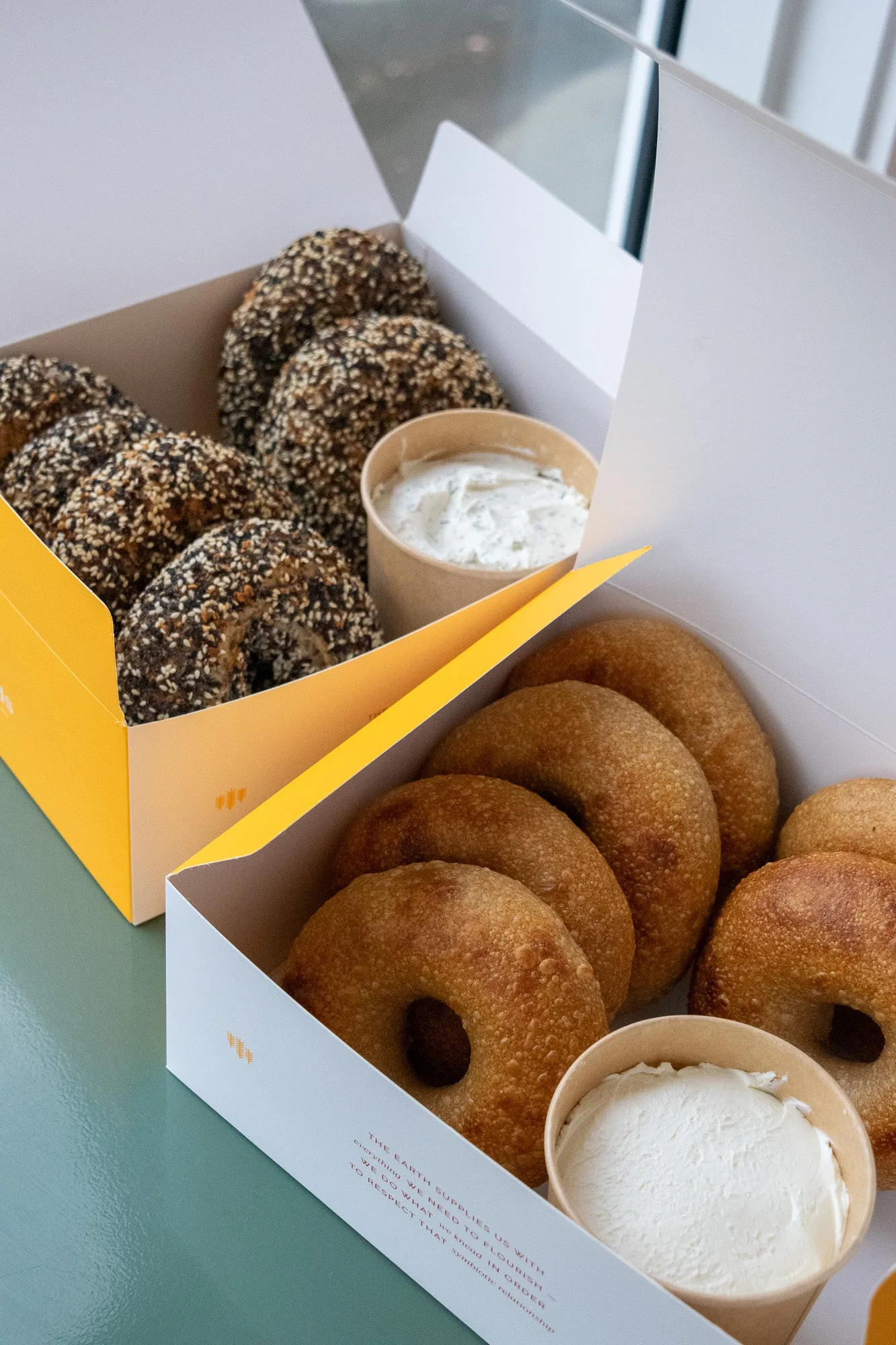
- Sourdough Bagel Box: The Sourdough Bagel Box includes 6 sourdough plain bagels and 6 sourdough everything bagels, plus plain and herb cream cheese, for 12 servings. Bagels are denser than loaves and hold up better in a sealed bag at room temperature, but they still freeze well if you cannot finish the box within a few days.
Store bread at room temperature, match the wrap to the loaf, and freeze what you will not eat within a few days. That combination beats every myth above.