Quick Answer
Replace your bra when the band stretches more than two fingers, wires poke or snap, cups gap or wrinkle while the band still fits, or the fabric pills and loses elasticity. Most everyday bras last six to twelve months with regular wear; rotate at least three bras to extend that window. If a bra fails two or more of the five checks below, retire it rather than trying to fix it.
A bra that has lost its shape can quietly sabotage your comfort all day. The tricky part is that wear happens gradually, so you may not notice the exact moment a favourite style stops doing its job. That is why a simple checklist helps: it turns a vague feeling of 'something is off' into a clear decision about when to replace your bra.
Below are five reliable signs a bra needs replacing, what each symptom usually means, and the fix that buys you more time. I have also included the point where repair stops being worth it and replacement is the smarter move. The same logic applies whether you live in a T-shirt bra, a wire-free style, or a lace push-up.
Sign 1: The Band Rides Up or Feels Loose
Symptom: the back band climbs up your shoulder blades, or you can pull it more than two fingers away from your ribcage. Likely cause: the elastic in the band has fatigued, often from heat and repeated stretching. Corrective action: try tightening the hook-and-eye closure to the middle or tightest setting. If the band still rides up, the elastic is gone and no adjustment will bring it back.
Once you are on the tightest hook and the band still moves, the bra has reached the end of its useful life. A stretched band cannot support the cups properly, so you may also notice shoulder strain. This is the point to replace rather than repair. When you shop, look for a style with gel elastic wings, which are designed to stay put and support without digging.
- Check the band first: it does most of the supporting work.
- If you start a new bra on the loosest hook, you gain room to tighten as it ages.
Sign 2: Wires Poke, Snap, or Dig In
Symptom: an underwire pokes through the fabric, bends out of shape, or presses painfully under the arm. Likely cause: the wire casing has worn thin, or the wire has been bent by machine washing. Corrective action: if the wire is still intact but bent, you can sometimes reshape it gently by hand. If the casing is torn, a repair is possible but rarely lasts, because the fabric around the wire is already weakened.
Stop repairing and replace the bra when the wire has snapped or the casing has torn in more than one spot. A broken wire can scratch your skin and will never sit flat again. If you prefer to avoid wires altogether, a wire-free style removes this failure point entirely. The Alive Bandeau Bra, for example, uses soft moulded cups and gel elastic wings for shaping without an underwire.
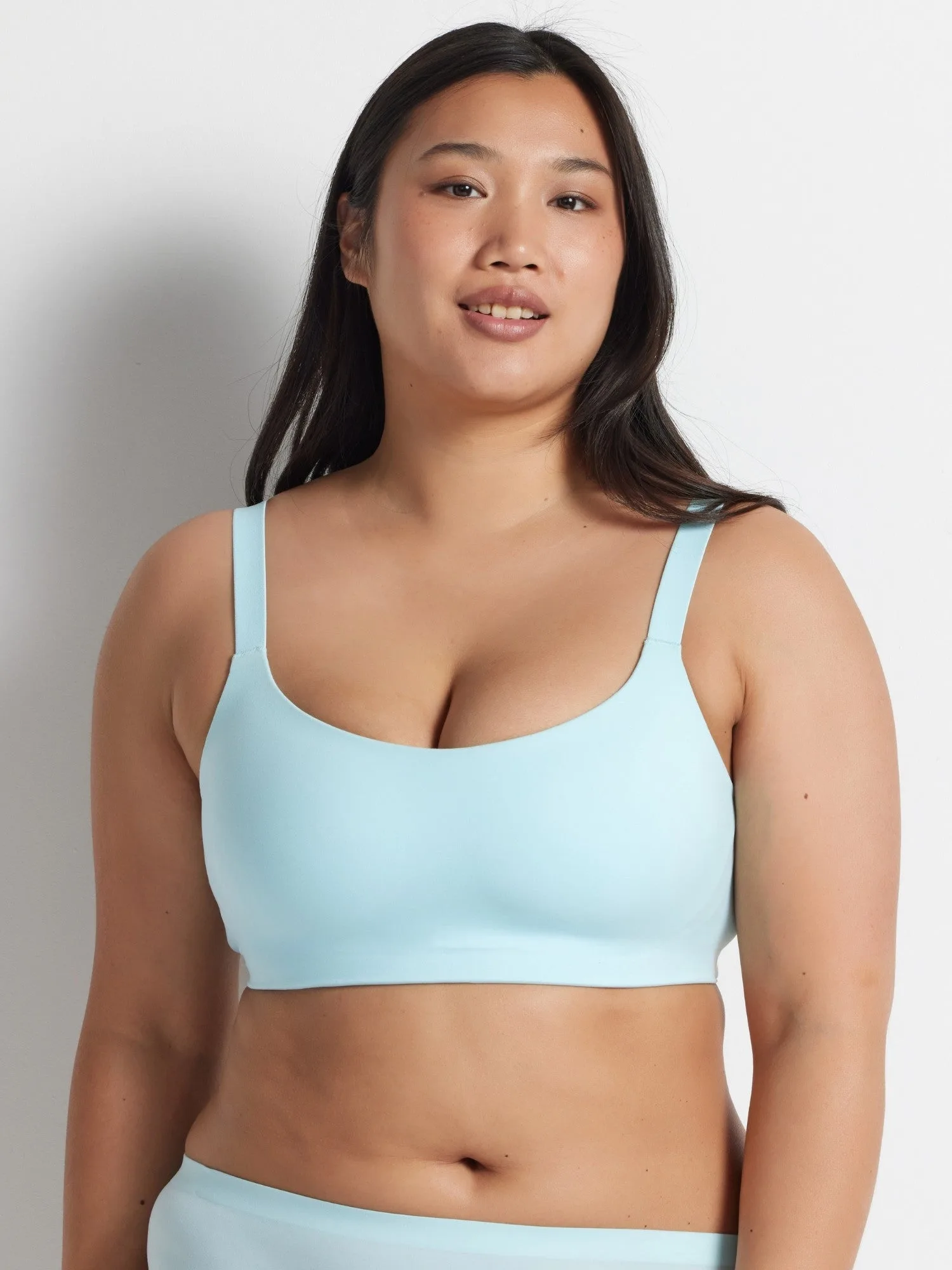
Alive Bandeau Bra
- Never wear a bra with a snapped wire, even for one day.
- Hand wash or use a lingerie bag to protect wire casings.
Sign 3: Cups Gap, Wrinkle, or Spill
Symptom: the cup fabric wrinkles when you move, or your bust spills over the top edge even though the band feels fine. Likely cause: the cup fabric and foam have lost their memory, or your size has changed since you bought the bra. Corrective action: first re-check your size, because a cup that gaps while the band fits often means the cup is too small or too shallow. If the size is right and the cup still wrinkles, the foam has collapsed.
Replace the bra when the cups no longer lie smooth under clothing, or when you see visible spillover that did not happen when the bra was new. A fresh cup restores a clean line under tops. If you want a smooth finish for everyday wear, look for lightly padded cups with soft brushed fabric, which tend to hold their shape well.
- Always fasten the band before judging cup fit.
- If one cup wrinkles and the other does not, check for a bent wire or twisted strap.
Sign 4: Straps Slip Constantly or Dig In
Symptom: straps fall off your shoulders all day, or they leave deep red marks even when adjusted. Likely cause: stretched strap elastic, or the band is too loose and the straps are doing work they were not designed for. Corrective action: tighten the sliders and see if the band is riding up. If tightening the straps makes the band climb higher, the band is the real problem, not the straps.
Replace the bra when the straps have lost their stretch and no longer stay adjusted, or when the band is already on its tightest hook and the straps still dig in. At that point the whole bra has lost its structure. A style with adjustable straps and a supportive band will distribute weight better and reduce both slipping and digging.
- Straps should be snug but never carry the full weight of your bust.
- If you have always had slipping straps, your band size may be too large.
Sign 5: Fabric Pills, Stretches, or Smells
Symptom: the fabric looks fuzzy, feels rough, or has lost its stretch; the bra still smells musty after washing. Likely cause: fibre breakdown from repeated washing, heat, and sweat. Corrective action: switch to gentle detergent and air-dry, which can slow further damage. If the fabric has already pilled across the cups or the elastic no longer snaps back, the bra is past saving.
Replace the bra when the fabric feels thin or the elastic has gone slack. Worn-out fabric also means the bra no longer holds its shape, so it will not support you properly. For everyday freshness, a bra made from soft brushed fabric with gel elastic wings tends to stay comfortable longer and is easier to care for.
- Air-dry bras; dryer heat is the fastest way to kill elastic.
- Rotate at least three bras so each one rests between wears.
Quick Diagnosis: Repair or Replace?
- Band: If the band rides up on the tightest hook, the elastic is stretched. Replace. A stretched band cannot be repaired.
- Underwire: If the wire has snapped or the casing is torn, the bra is unsafe. Replace immediately.
- Cups: If cups wrinkle or spill while the band fits, the foam or fabric has lost its shape. Replace. Check your size first in case your size has changed.
- Straps: If straps slip or dig even after adjusting, and the band is already tight. Replace. The bra has lost its structure.
- Fabric: If the fabric pills, feels thin, or the elastic has gone slack. Replace. Worn fabric cannot support you.
What to Look for in a Replacement
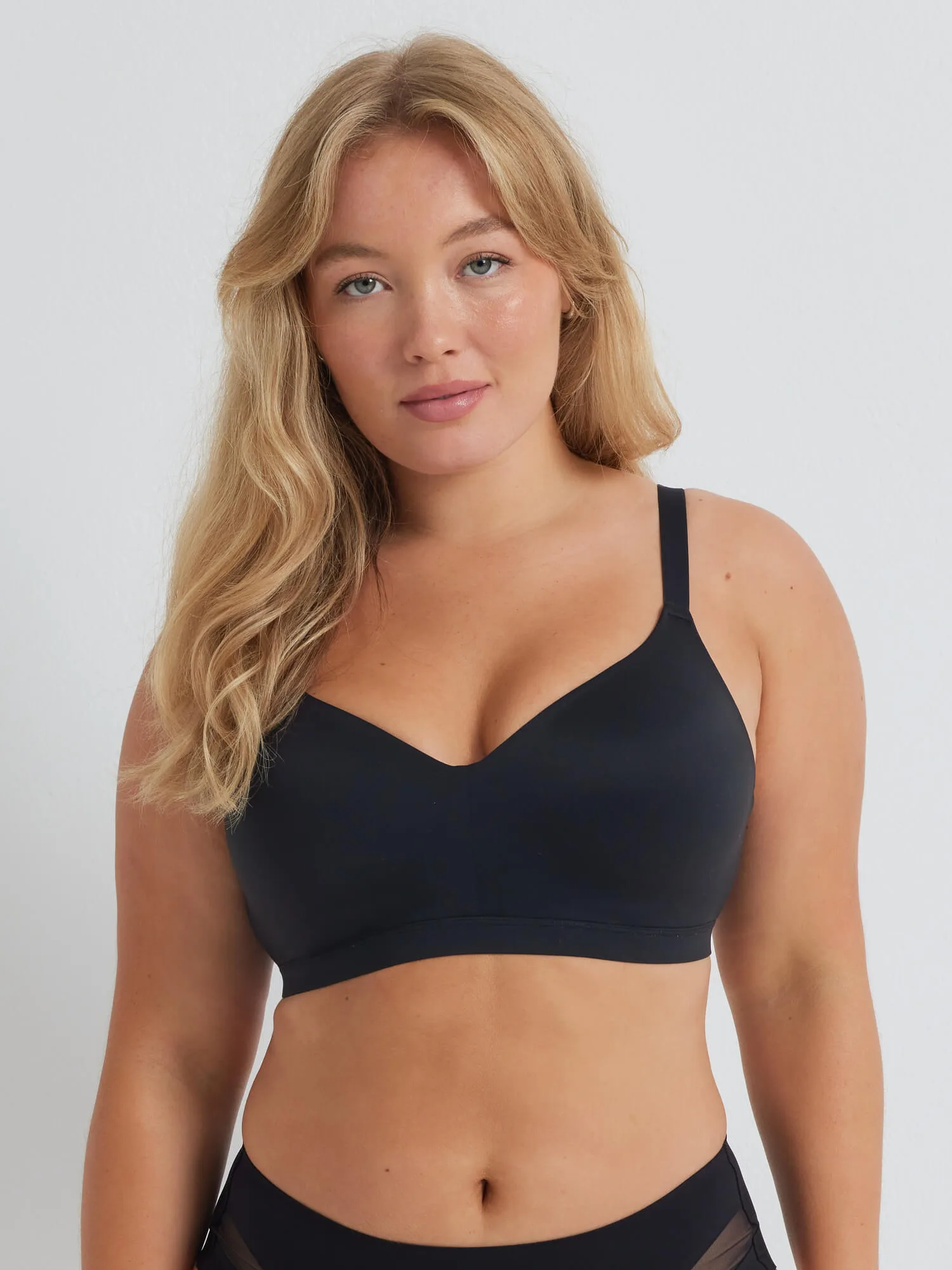
- Alive Supportive Full Figure Wirefree Bra: Moulded wirefree cups with a gel band on the wings, designed for D+ sizes. If wires are your main failure point, this style removes them while still offering support through the band and wings.
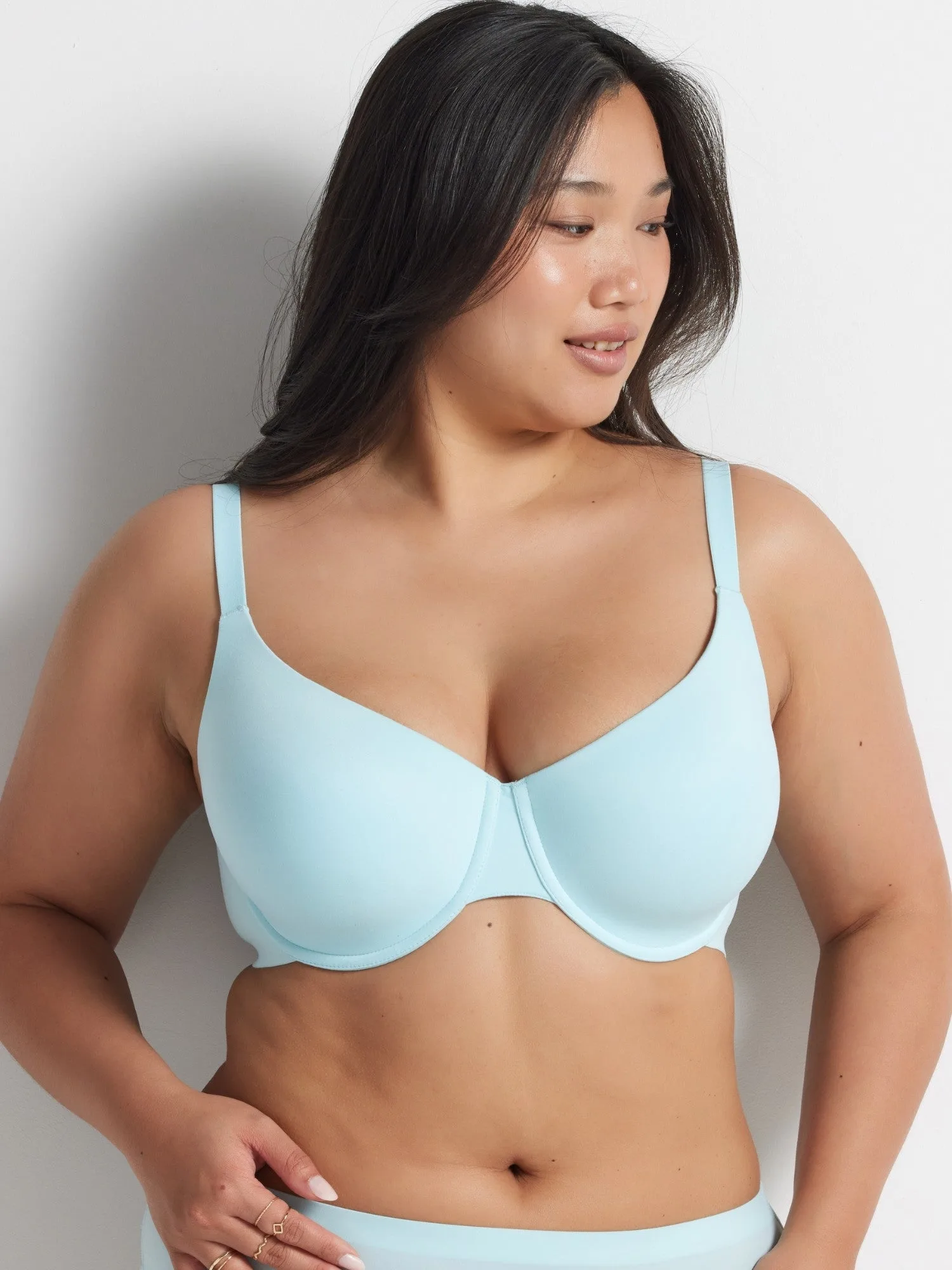
- Alive T-Shirt Bra: Lightly padded cups, underwire support, soft brushed fabric, and gel elastic wings. A smooth everyday option when you want a clean line under tops and a band that stays comfortable.
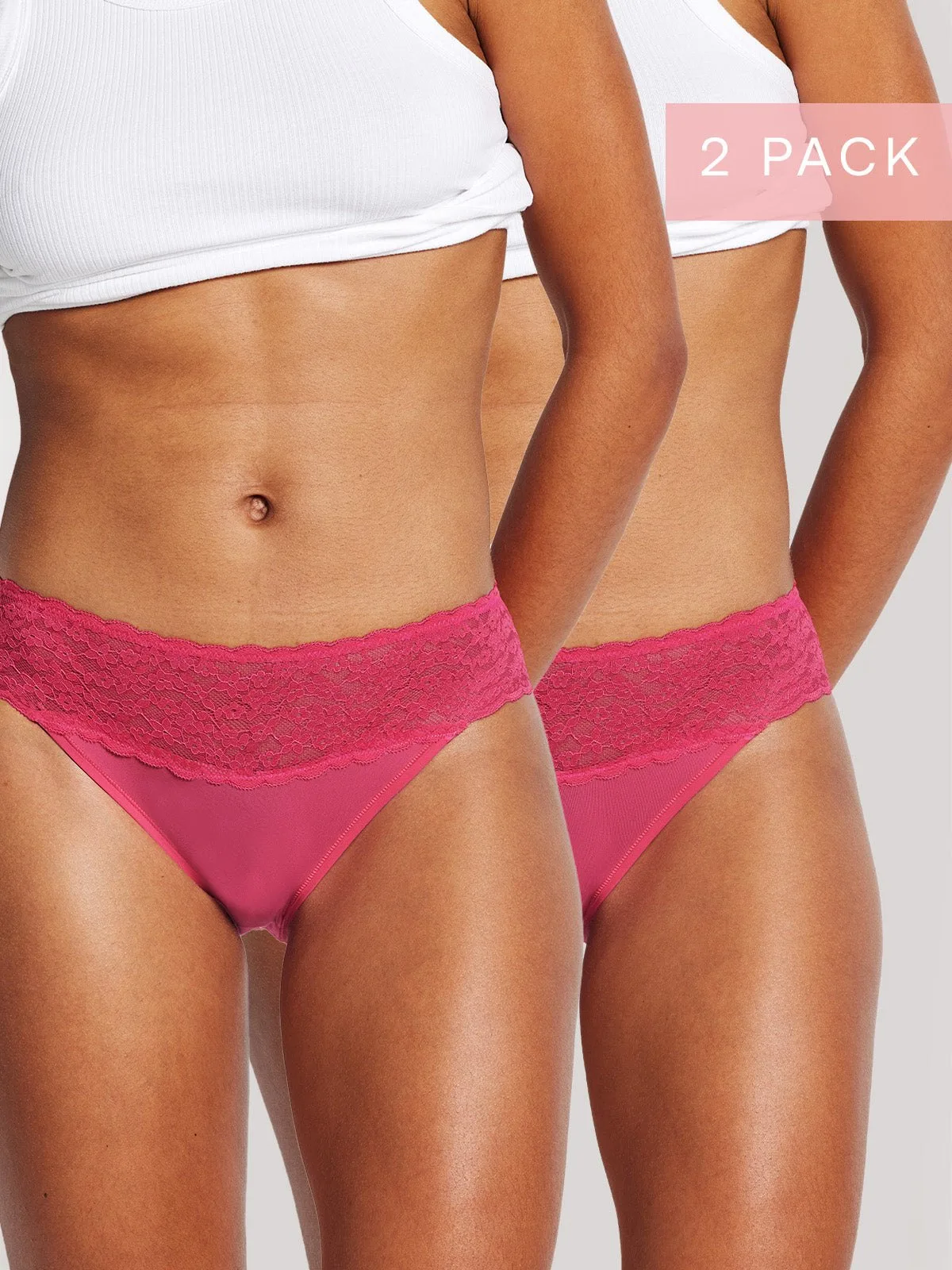
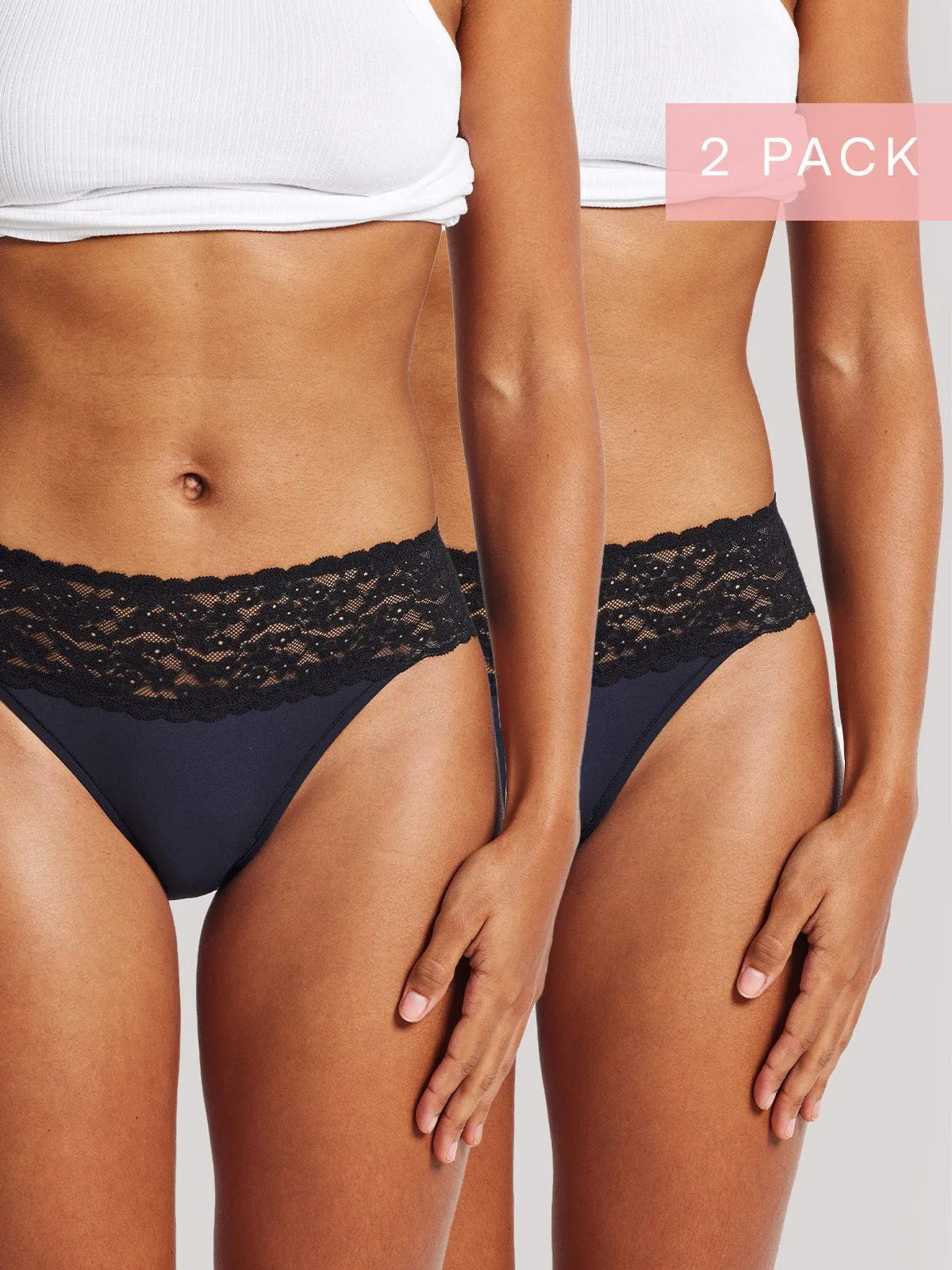
- https://kayserlingeriepkj.com/products/2-pack-glowlights-bikini-fruit-dove-762b770005c3e90ecec7333d-13455272 Pack Glowlights Bikini: Ultra-soft 4-way stretch microfibre with a smoothing lace waistband; comes as a 2 pack. A comfortable, breathable bottom that moves with you, so you can refresh your top drawer without replacing everything at once.
If your bra fails even one of these checks, it is probably time to let it go. Replacing a worn bra is not about buying more; it is about keeping the support and comfort you actually need. Start with the band check, then work through the list. A well-fitting replacement will feel better from the first wear.