Quick Answer
The Social Skills Set from Slumberkins is a powerful tool for teaching children friendship and communication. Use these five steps—modeling, role-playing, story-based discussions, daily check-ins, and collaborative play—to help kids build social-emotional skills in a fun, engaging way.
Social Skills Set
Helping children develop social skills is one of the most important tasks for parents and educators. Making friends, communicating needs, and navigating emotions are foundational for lifelong success. Slumberkins' Social Skills Set offers a thoughtful, research-backed approach to teaching these skills through plush companions and stories.
In this guide, we'll walk you through five practical ways to use the Social Skills Set to foster friendship and communication. Whether you're a parent looking to support your child at home or a teacher seeking classroom activities, these steps will help you get the most out of this emotional learning tool.
Why Social Skills Matter for Kids
Social skills are the building blocks of healthy relationships. They include everything from sharing and taking turns to expressing emotions and resolving conflicts. Children who develop strong social-emotional skills tend to have better academic outcomes, higher self-esteem, and more positive peer interactions.
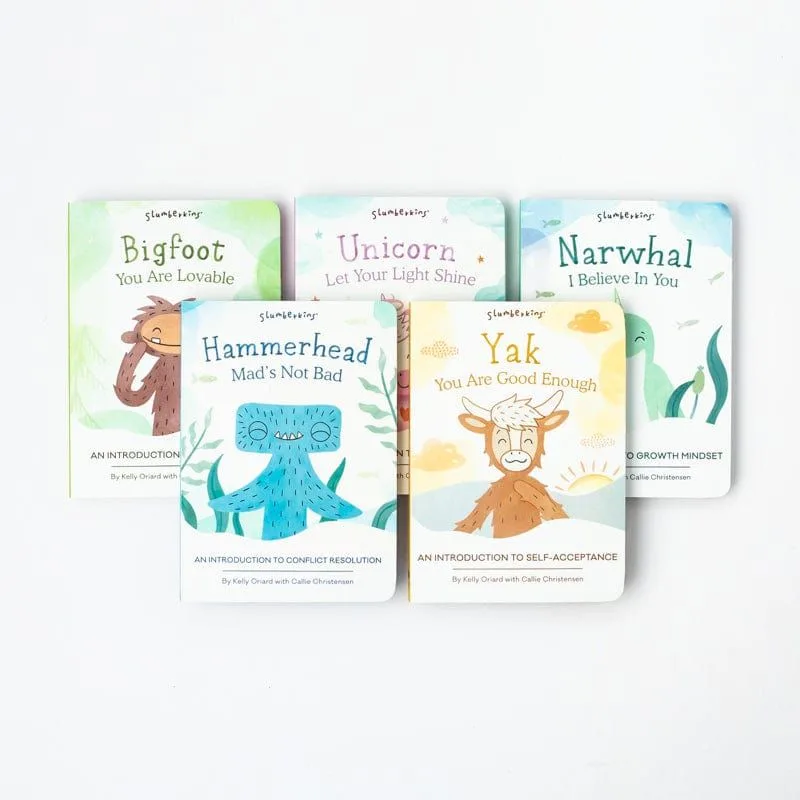
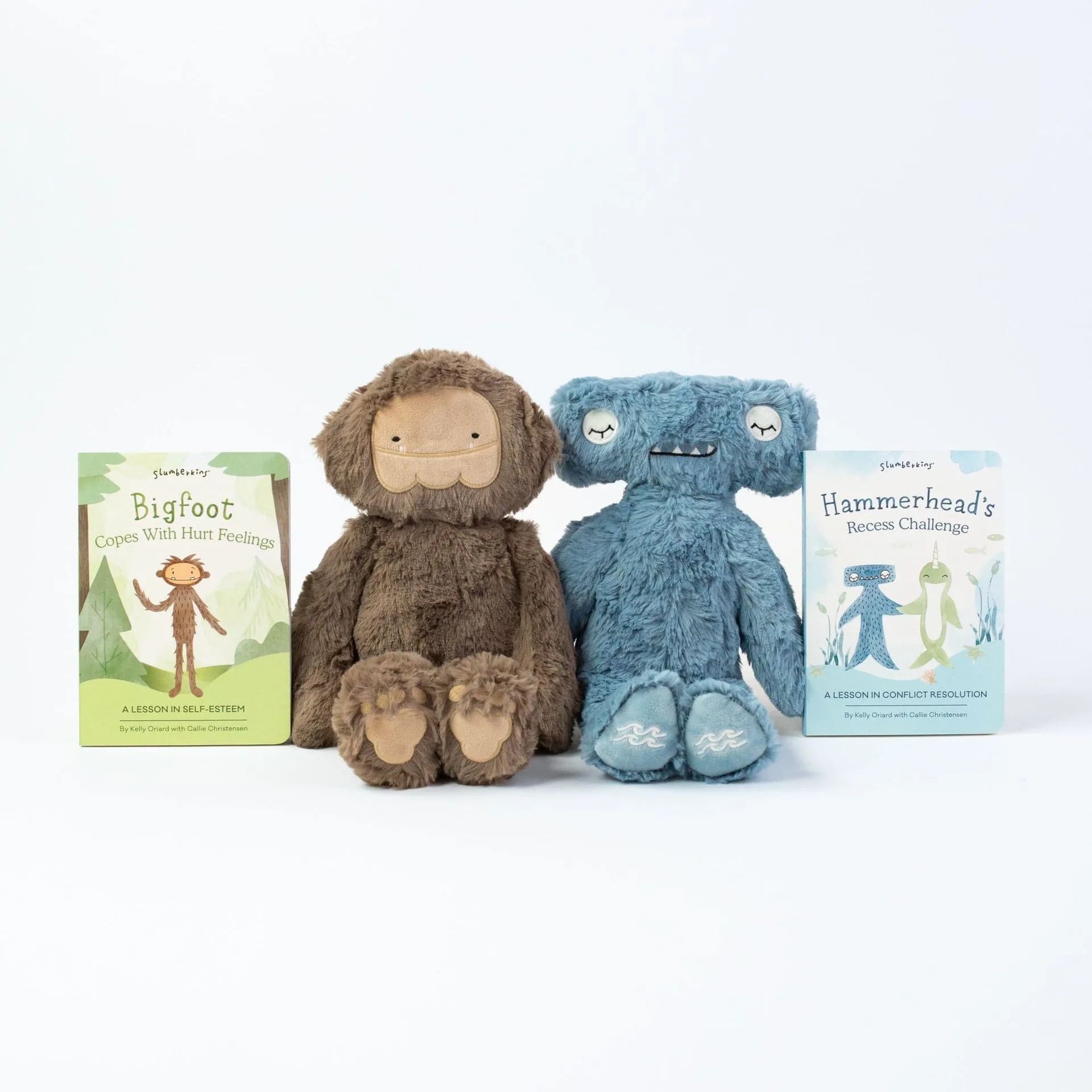
Slumberkins' Social Skills Set is designed to support this development by combining plush characters with storybooks that model key social concepts. The set includes a variety of creatures, each with a unique story that teaches a specific skill, such as empathy, cooperation, or communication.
- Start early: Social skills can be taught from a young age, and consistent practice is key.
- Use stories: Children learn best through narrative and relatable characters.
- Model behavior: Demonstrate the skills you want your child to learn.
Step-by-Step Guide to Using the Social Skills Set
Here are five actionable steps to incorporate the Social Skills Set into your daily routine. Each step includes a common mistake to avoid and a checkpoint to ensure you're on the right track.
5 Steps to Use the Social Skills Set Effectively
- Step 1: Introduce the Character and Story: Start by introducing the plush character and reading the accompanying book together. Ask open-ended questions like 'How do you think the character feels?' to encourage empathy and understanding. Checkpoint: Your child can name the main emotion in the story.
- Step 2: Model the Skill in Real Life: Demonstrate the social skill in your own interactions. For example, if the story is about sharing, show your child how you share with others and narrate your actions. Checkpoint: Your child can identify one way you used the skill.
- Step 3: Role-Play Scenarios: Use the plush characters to act out different social situations, such as joining a group or asking for a turn. Switch roles so your child practices both sides of the interaction. Checkpoint: Your child can initiate a simple conversation using the skill.
- Step 4: Reinforce with Daily Check-ins: At the end of the day, ask your child about a time they used the skill. Use the character as a prompt: 'Did you use your listening ears like Fox today?' Checkpoint: Your child can recall a specific instance of using the skill.
- Step 5: Encourage Collaborative Play: Set up playdates or group activities where children can practice the skills with peers. Use the plush characters as icebreakers to help children feel comfortable. Checkpoint: Your child demonstrates the skill during peer interaction.
Key Products in the Social Skills Set
- Raise Caring Kids Bedtime Bundle: The Raise Caring Kids Bedtime Bundle is your all-in-one solution to a peaceful and meaningful bedtime routine. Featuring a comforting Sloth Snuggler and five emotional wellness board books from the Slumberkins library, this bundle is designed to foster gratitude, connection, and belonging during your child's most restful moments of the day. This bundle is perfect for establishing a calming bedtime routine that reinforces social-emotional skills like gratitude and connection, helping children feel secure and ready to build friendships.
- Emotional Identification Set: Promotes: Emotion Identification, Emotion Regulation, Emotional Courage, Emotional Expression Name it to tame it! Ibex Kin and his emotional learning blocks are here to help your child learn emotional identification. Research shows that learning granular emotional identification as a child, leads to better outcomes in adulthood. Ibex's stories and tools help kids learn to identify, process, and communicate their... Understanding emotions is a crucial first step in communication. This set helps children name their feelings, which is essential for expressing themselves and empathizing with others.
The Social Skills Set is a versatile and effective resource for teaching children friendship and communication. By following these five steps, you can create a supportive environment where children feel confident to practice and develop these essential skills. Remember to be patient and consistent—social learning is a journey, not a destination.