Quick answer
To stop missing pieces and wear, store your 500-piece puzzle fully assembled on a flat board or roll it up with a puzzle mat, keep it away from humidity and direct sun, and handle pieces by the edges. If pieces don't fit, check for bent knobs or debris in the holes before forcing them. For long-term storage, use a sealed bag or box with a desiccant pack.
Why 500-piece puzzles are prone to missing pieces and wear
500-piece puzzles hit a sweet spot: enough pieces to be satisfying, but small enough to finish in a few sittings. That also means pieces get moved around, stacked, and stored more often than a 1000-piece puzzle left on a table. The most common wear points are the knobs and holes—repeated assembly and disassembly can loosen the cardboard layers, especially if you force pieces together. Missing pieces usually happen during cleanup or when the puzzle is stored loosely in a bag.
How to store jigsaw puzzles so pieces stay together
The best storage method depends on whether you want to keep the puzzle assembled or break it down. For assembled storage, slide a sturdy board (foam core or cardboard) under the puzzle, then cover it with a cloth or another board. Keep it flat, not on its side. For broken-down storage, place pieces in a resealable bag, press out excess air, and put the bag inside the original box. Add a silica gel packet to absorb moisture. Avoid plastic wrap directly on pieces—it can trap humidity and cause warping.
Fixing puzzle pieces that don't fit
If a piece resists, don't force it. First, check the piece and the hole for tiny bits of cardboard or dust. A soft brush or a dry cotton swab can clear debris. Next, inspect the knob for bends—if it's bent, lay the piece flat and gently press it with a heavy book for a few hours. If the piece still won't fit, you may have a manufacturing defect. Ravensburger puzzles are cut with precision, but no brand is perfect. Contact the manufacturer for a replacement piece; most offer this service for free or a small fee.
Preventing warping: humidity, heat, and stacking
Warping happens when cardboard absorbs moisture unevenly. Keep puzzles away from radiators, sunny windows, and damp basements. If you live in a humid climate, store puzzles with a desiccant pack and avoid leaving them assembled on a porous surface like bare wood. Stacking heavy boxes on top of a puzzle can also warp pieces over time—store puzzles vertically or on a shelf with light pressure. If a piece does warp, place it between two sheets of parchment paper and iron on low heat (no steam) for a few seconds, then flatten under a book.
Diagnosis: match the symptom to the fix
- Missing piece after cleanup: Most likely cause: pieces were swept into a bag or vacuumed. Check the floor, under furniture, and inside the vacuum bag. If truly lost, contact the manufacturer for a replacement piece. If the puzzle is out of print, consider buying a used copy for spare pieces.
- Pieces don't fit together: Likely cause: bent knobs, debris in holes, or a manufacturing defect. Inspect and clean first. If the piece is bent, flatten it under a heavy book. If it still won't fit, request a replacement. Forcing a piece can tear the cardboard layers—stop if you feel resistance.
- Puzzle warps after storage: Likely cause: humidity or uneven pressure. Store flat with a desiccant pack, away from heat sources. If warped, flatten with low heat and pressure. If warping is severe, the puzzle may be permanently damaged—consider a new one.
Products that hold up to repeated use
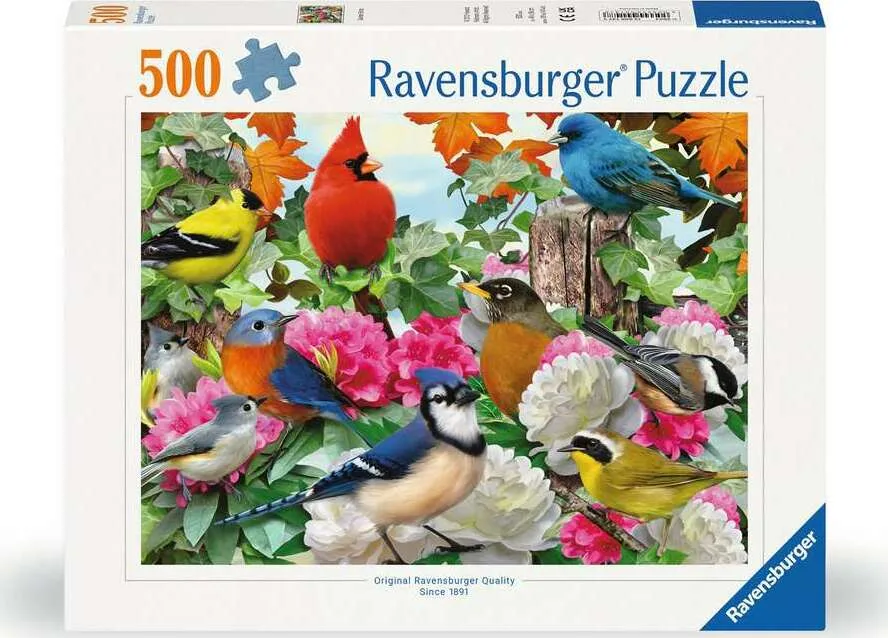
- Garden Birds 500 pc Puzzle: Ravensburger has perfected jigsaw puzzles for over 130 years, crafting each piece with precision so every one fits flawlessly. Each puzzle contains entirely unique pieces. Precision-cut pieces reduce the need to force connections, which is a leading cause of wear and tear. Unique pieces also make it easier to spot a missing piece early.
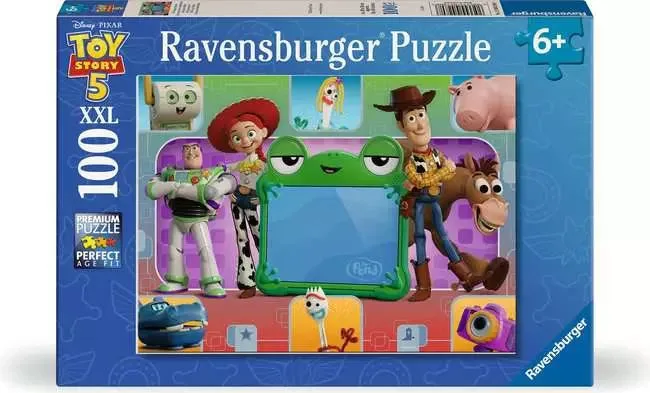
- Toy Story 5 100 pc XXL Puzzle: This 100-piece XXL jigsaw puzzle from Ravensburger is for ages 6 and up. XXL pieces are easier for younger children to handle, reducing the chance of bending or losing small pieces during play.