Quick answer
Choose 7/16" textured decorative nails in antique brass when you want a warm, aged metal accent with enough surface texture to catch light without overwhelming the piece. They work best for upholstery, trim, and craft projects where the nailhead is meant to be seen. For a subtle look, pair them with a finer texture; for a bolder statement, choose a more pronounced pattern.
Decorative nails do more than hold fabric in place—they set the style of a piece. The 7/16" size sits in a practical middle ground: large enough to read as a design detail, small enough to use in rows or patterns without crowding. Antique brass adds a lived-in warmth that suits traditional, rustic, and vintage-inspired interiors.
This guide covers the decisions that matter when buying 7/16" textured decorative nails in antique brass. You will learn how head texture and finish affect the final look, how to match nail size to your project, and when to choose a different size or material. We also share fit guidance and practical tips for installation.
Why 7/16" is a versatile size
At 7/16" (about 11 mm), these nails are large enough to be a visible accent but small enough to place closely together. That makes them a good choice for upholstery trim, decorative borders on furniture, and craft projects where you want a repeating nailhead pattern. If you are deciding between sizes, consider the scale of your piece: smaller nails (like 4.5 mm or 8 mm eyelets) recede into the background, while 7/16" nails become part of the design.
The 7/16" size also gives you more surface area for texture. A textured head can catch light and add depth, which is especially effective in antique brass. Keep in mind that larger nails require slightly more force to set and may need a pilot hole in hardwoods. Always test on a scrap piece first.
- Measure your trim area and sketch the nail spacing before you buy.
- For a classic look, space nails about 1 to 1.5 times the head diameter apart.
Texture and finish: what to look for
Texture refers to the surface pattern on the nailhead. Common options include hammered, dimpled, or floral motifs. A subtle texture blends in; a pronounced one becomes a focal point. Antique brass finish typically has a darkened, slightly matte appearance that mimics aged metal. It hides fingerprints and small scratches better than polished brass, making it a practical choice for high-touch furniture.
When buying, check whether the nails are solid brass or brass-plated. Solid brass is more durable and develops a patina over time; plated nails are more affordable but can wear through with heavy use. The product records we carry do not always specify the base metal, so if that matters to you, look for explicit wording like 'made of brass' or 'solid brass' in the product description.
- Order a small pack first to check the color against your fabric in your lighting.
- Antique brass pairs well with warm tones like brown, olive, and burgundy.
How to match nails to your project
Start with the material you are attaching. For upholstery, decorative nails are often functional as well as decorative, so choose a length that goes through the fabric and into the frame without poking out the other side. For craft projects, a shorter nail or a tack may be sufficient. The 7/16" size is a head measurement, not the length; always check the shank length if you need to penetrate thick material.
Next, consider the look. A single row of 7/16" nails along a seam creates a clean border. Multiple rows or a diamond pattern make a stronger statement. If you are working with a delicate fabric, place a small piece of interfacing behind the area to reinforce it before driving the nails.
- Use a thimble or protective gloves when setting many nails by hand.
- For a professional finish, mark your spacing with a ruler and removable tape.
Tools and installation tips
You do not need a lot of specialized tools to install decorative nails. A small hammer and a nail set or a piece of scrap wood to protect the head are often enough. If you are working with hardwoods, drill a pilot hole slightly smaller than the nail shank to prevent splitting. For softer woods and upholstery, you can usually push the nail in by hand and then tap it home.
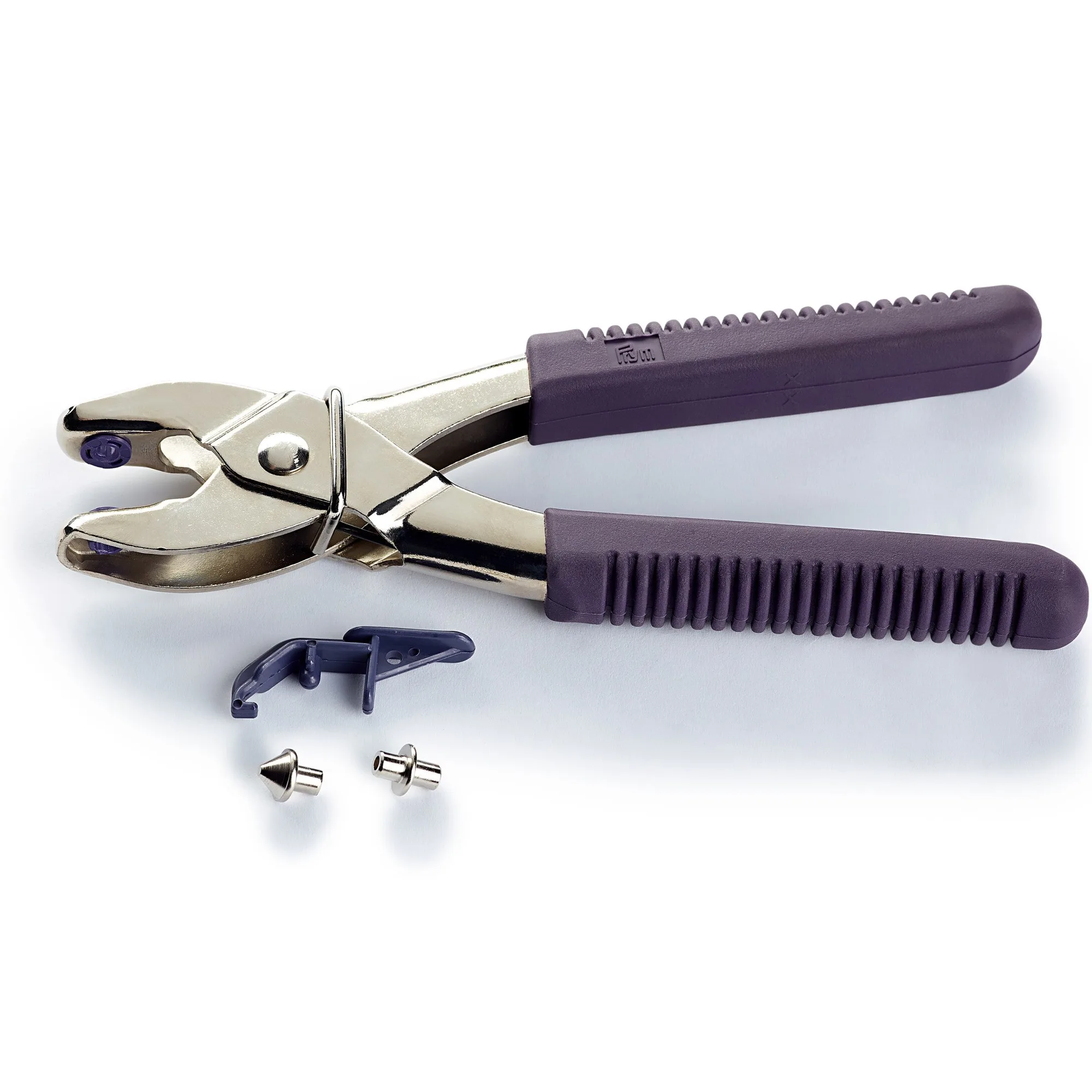
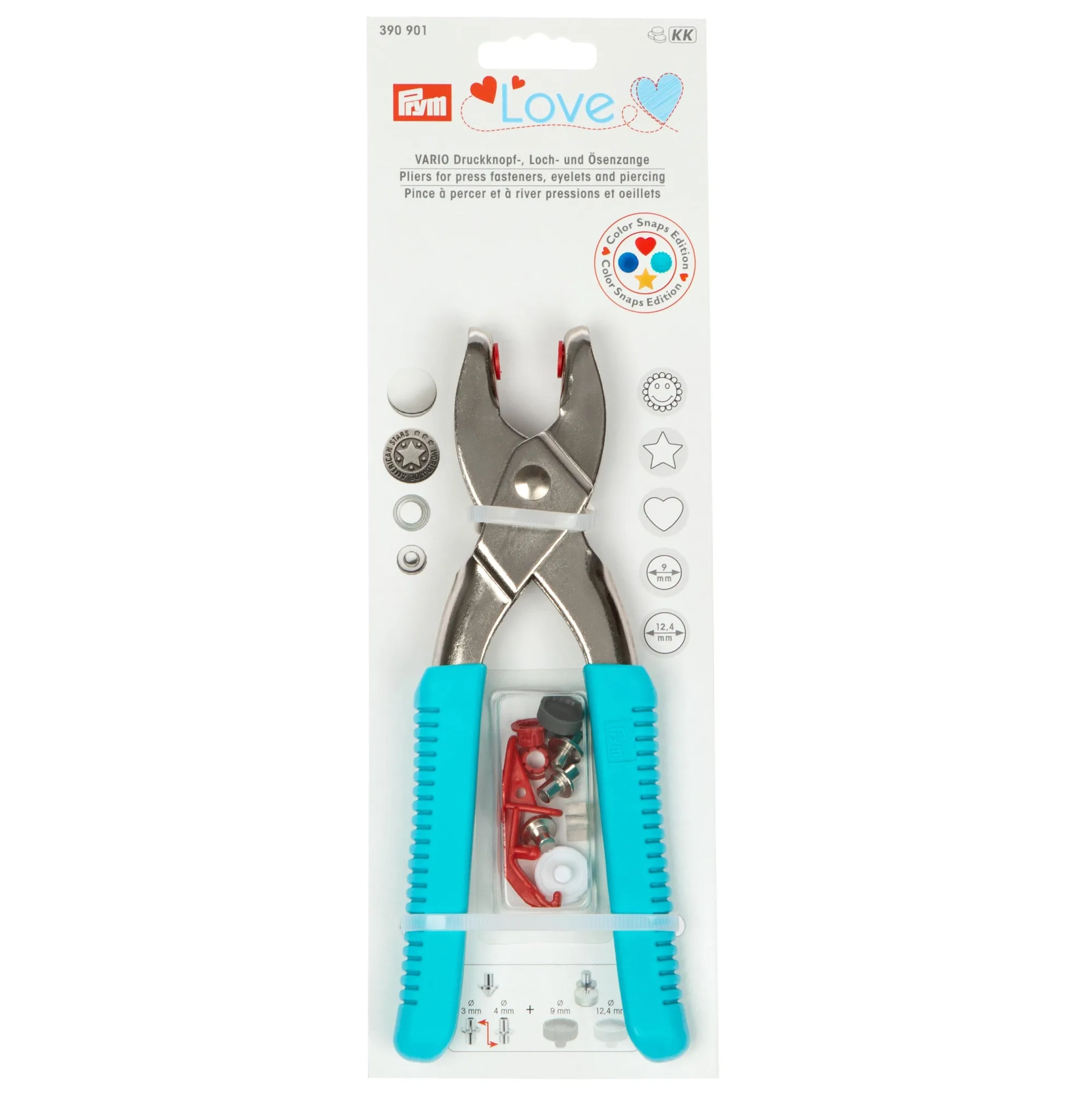
If you plan to install many nails, consider a magnetic nail holder or a pair of needle-nose pliers to place them accurately. And if you are also working with eyelets or other non-sew embellishments, Prym offers tools like the https://prymamerica.com/products/390901-c0d40e95000d7d817cbb92a3-1315558https://prymamerica.com/products/390900-6a240ed232abe490193bfe5e-1315591VARIO pliers that can streamline the process. Always follow the manufacturer's instructions for the specific tool.
- Test your hammer technique on a scrap of the same material.
- Work in a well-lit area so you can see the texture and alignment.
Decision rules for buying 7/16" textured decorative nails
- Choose 7/16" when the nail is a design feature: If you want the nailhead to be clearly visible and part of the pattern, 7/16" is a good middle size. It works for upholstery trim, furniture borders, and craft projects where the nail is meant to be seen. Sketch your layout first to confirm the scale suits your piece.
- Choose a finer texture for subtlety, bolder texture for impact: A lightly textured head blends into the background; a deeply textured or patterned head becomes a focal point. Antique brass finish softens the overall look, so even a bold texture feels warm rather than shiny. Order a sample pack to see the texture in person before committing to a large quantity.
- Match the nail length to your material thickness: The 7/16" measurement refers to the head diameter, not the shank length. For upholstery, ensure the shank is long enough to go through the fabric and into the frame without emerging on the other side. For crafts, a shorter shank is fine. If the product listing does not state shank length, contact the seller or choose a different size.
- Consider finish durability for high-touch pieces: Antique brass is generally more forgiving of fingerprints and wear than polished brass. However, if the nails are plated rather than solid brass, heavy use may eventually wear through the finish. Solid brass develops a patina that can be polished or left to age. Check the product description for 'solid brass' if longevity is a priority.
Related products that support the project
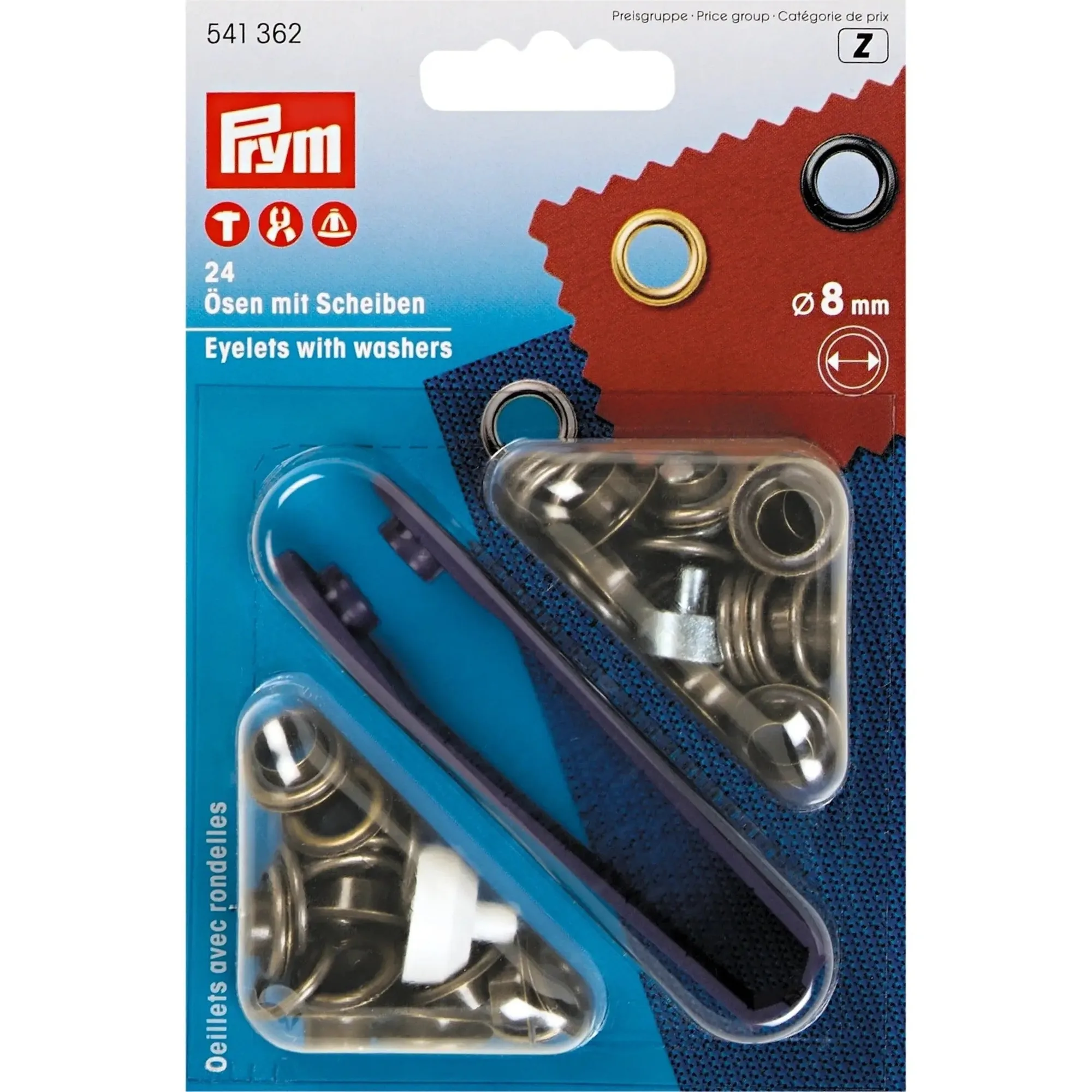
- https://prymamerica.com/products/541362-b2b-9cfa50b9b48a59cbe93c4e2e-1318060Eyelets with washers 8 mm antique brass with tools 24pc: Prym’s classic eyelets are versatile and are a real plus for laces, handicrafts, as fashionable decorative elements or for interior decoration. The stainless eyelets are made of brass and are available in different colours and with different internal dimensions. The 4.5 and 8 mm eyelets can be worked on either with a hammer, the VARIO pliers for non-sew products or the tripod. If your project also needs eyelets for laces or decorative openings, these 8 mm antique brass eyelets match the finish of decorative nails and can be set with a hammer or VARIO pliers, giving you flexibility in tools.
- 3-1/4" Ergonomic Handle Magnifier: The Dritz 3-1/4" ergonomic handle magnifier is a multi-functional tool that can be used for many DIY and needlework projects, as well as reading and other general household uses when magnification is needed. It has 2X magnification, a 4X spot lens, a crystal clear and distortion-free lens, a soft grip handle, and a protective storage pouch included. Detailed work like aligning textured nailheads or checking spacing benefits from magnification. This magnifier helps you see small inconsistencies before they become permanent.
- Leather Sewing Machine Needles, Sizes 12-16 (No. 80-100), 5 PC: Leather processing on sewing machines is among its special challenges – a professional sewing machine needle is recommended here, with which all light to heavy leather types can be ideally sewn. The "Leather" sewing machine needles meets all the strictest requirements, since its specially shaped tip easily cuts material without damaging it. At the same time, it consistently prevents the formation of perforation. If you are upholstering with leather, using the right needle prevents damage and perforation. These needles are designed for light to heavy leather, so your seams stay strong before you add decorative nails.
Is 7/16" antique brass right for your project?
Best for
- Upholstery trim on chairs, sofas, and headboards where a visible nailhead pattern is desired
- Furniture restoration and upcycling projects that need an antique metal accent
- Craft and DIY projects like decorative boxes, frames, and wall art
- Traditional, rustic, vintage, or industrial interiors
Not for
- Delicate fabrics like silk or chiffon where a large nail would cause damage or pull
- Projects that require a hidden or subtle fastener
- Outdoor applications where the metal may corrode or the finish may fade
- Very small-scale items where a 7/16" head would overwhelm the design
Choosing 7/16" textured decorative nails in antique brass comes down to scale, texture, and finish. Match the nail size to your project's visibility, pick a texture that supports your style, and verify the material and shank length before you buy. With the right nails and a little planning, you can add a professional, custom look to upholstery, furniture, and crafts.