Magnesium is a mineral that powers hundreds of biochemical reactions in your body, from muscle contraction and nerve function to energy production and sleep regulation. Yet up to 50% of people don't get enough from diet alone. Because symptoms of low magnesium can be subtle and overlap with everyday stress, many people ignore them for years.
Recognizing the warning signs early can help you take action before deficiency leads to more serious health issues. In this guide, we'll walk you through the seven most common signs that you might need a magnesium supplement, and how to choose the right form for your needs.
1. Frequent Muscle Cramps and Twitches
If you've ever woken up in the middle of the night with a painful calf cramp, you know how disruptive it can be. Magnesium plays a key role in muscle relaxation. When levels are low, muscles may contract involuntarily, leading to cramps, spasms, and twitches—especially after exercise or at rest.
While occasional cramps are normal, frequent episodes could signal that your magnesium stores are running low. Adding a highly absorbable form like magnesium glycinate can help ease muscle tension and reduce cramping frequency.
- Try a magnesium supplement before bed to support overnight muscle recovery.
2. Poor Sleep and Insomnia
Struggling to fall asleep or waking up multiple times during the night? Magnesium helps regulate neurotransmitters that calm your nervous system and prepare your brain for rest. Low magnesium has been linked to poorer sleep quality and even insomnia.
Many people find that taking magnesium about 30 minutes before bed improves their ability to relax and stay asleep. A product like Magnesium Gummies can be a convenient and tasty way to get your nightly dose, especially if you dislike swallowing pills.
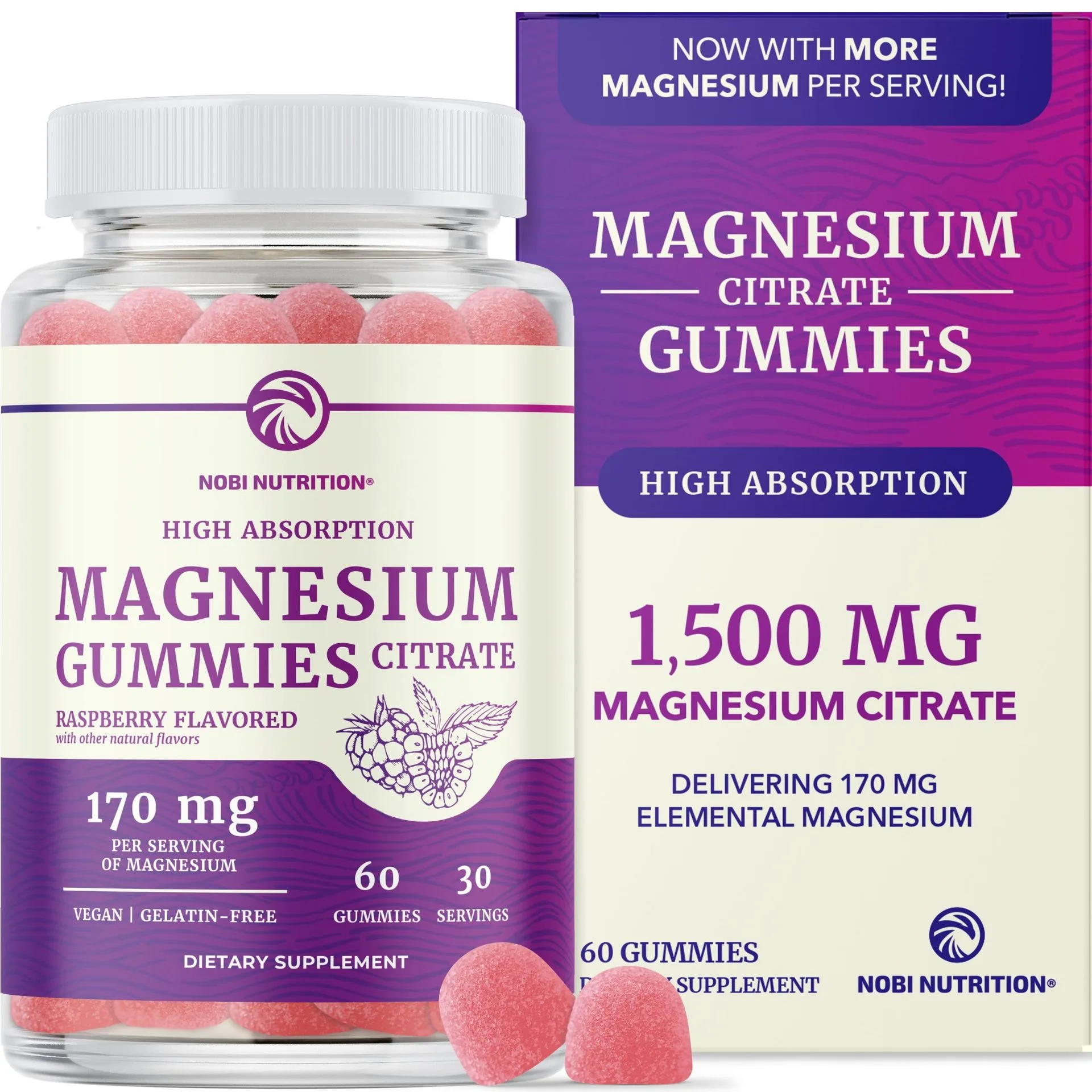
Magnesium Gummies
3. Chronic Fatigue and Low Energy
Magnesium is essential for producing ATP, the energy currency of your cells. When you're low, your body can't generate energy as efficiently, leaving you feeling tired and sluggish even after a full night's sleep.
If you rely on caffeine just to get through the day, a magnesium supplement might be the missing piece. Pairing magnesium with zinc and vitamin D3—as in Magnesium, Zinc, and D3 Capsules—can further support energy metabolism and immune function.
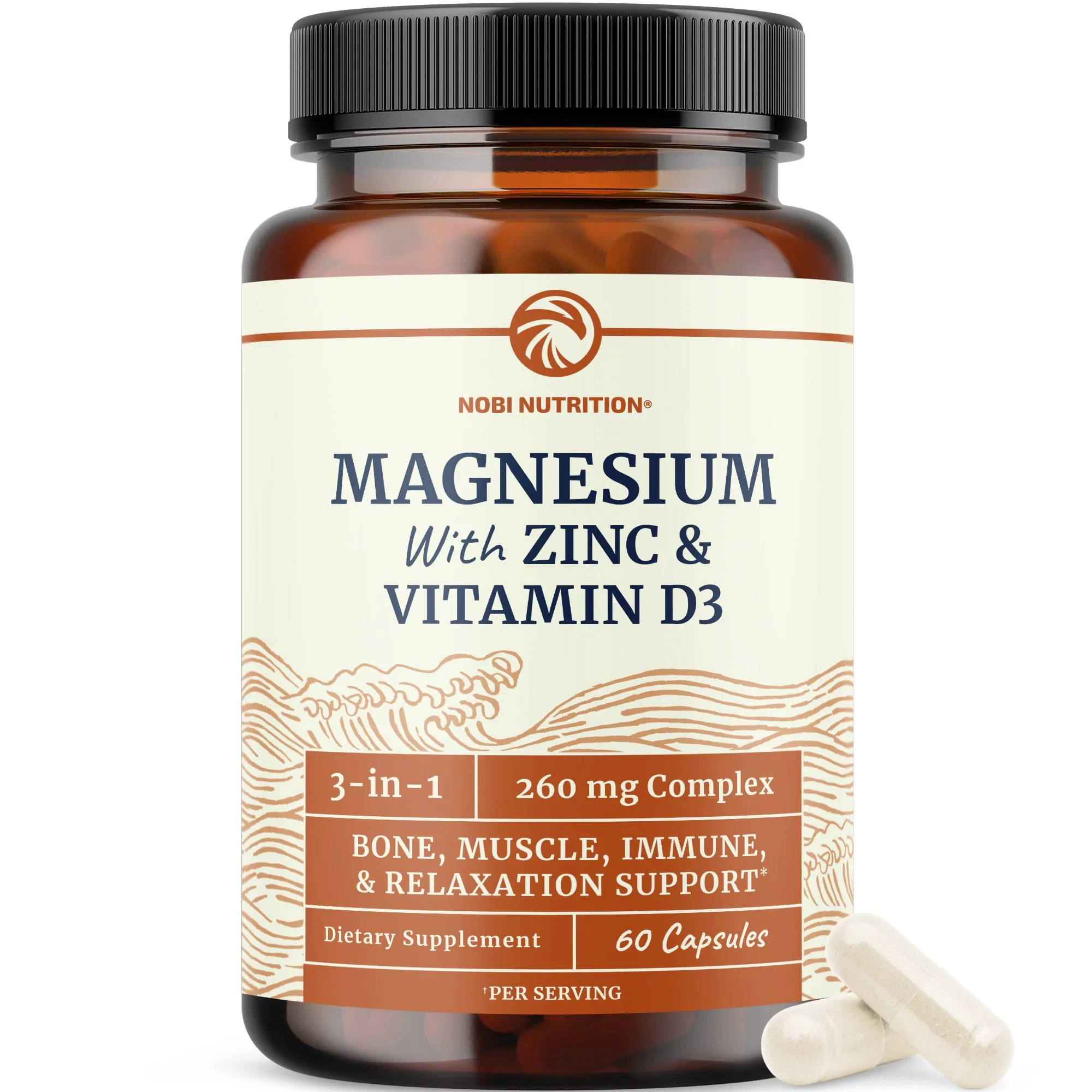
Magnesium, Zinc, and D3 Capsules
4. Mood Swings and Increased Stress
Magnesium is often called the 'relaxation mineral' because it helps regulate the body's stress response. When magnesium is low, you may feel more anxious, irritable, or prone to mood swings. Chronic stress also depletes magnesium, creating a vicious cycle.
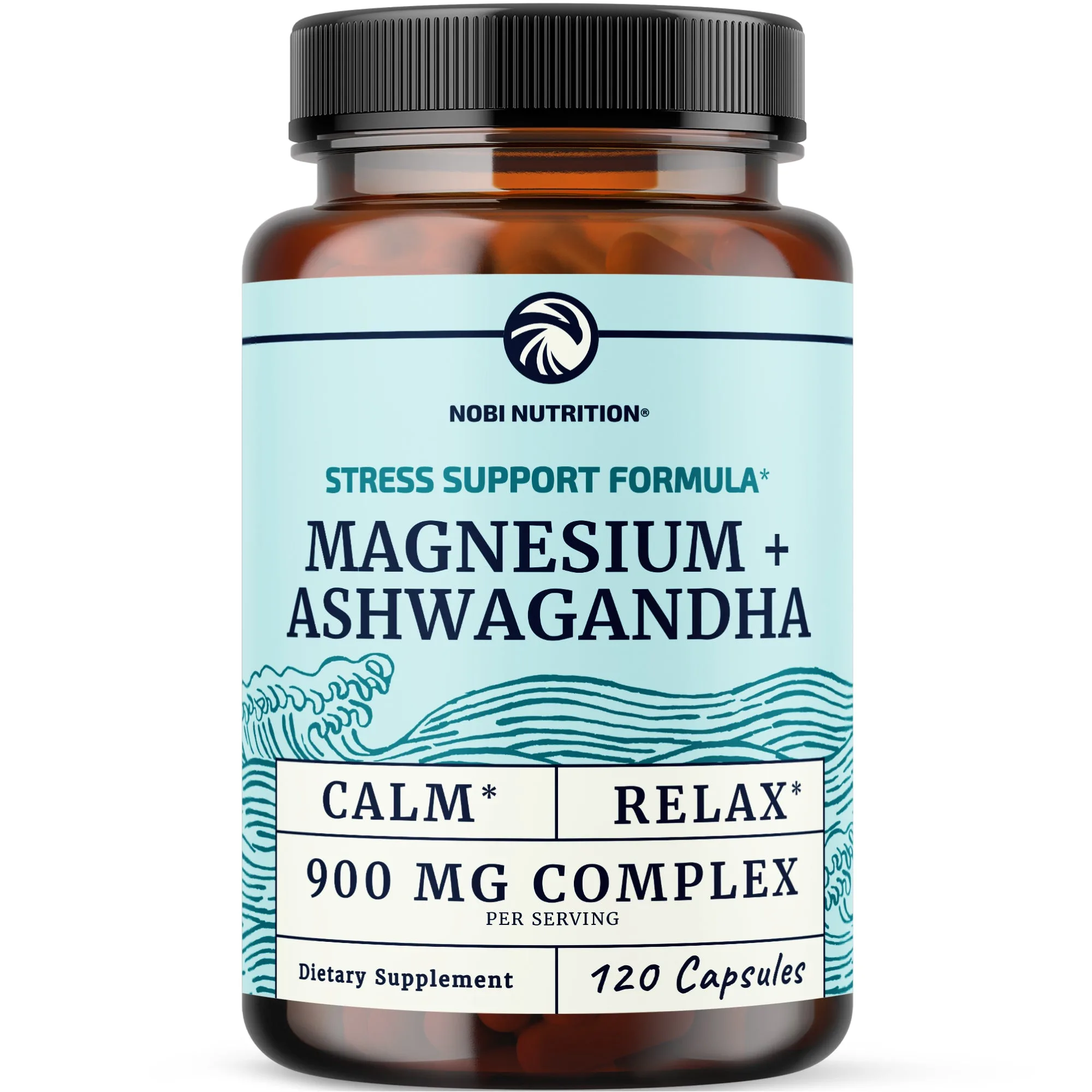
Adaptogens like ashwagandha can amplify magnesium's calming effects. A formula like Magnesium + Ashwagandha Capsules combines both in one convenient supplement, helping you manage stress and support a balanced mood.
5. High Blood Pressure and Heart Palpitations
Magnesium helps relax blood vessels, which supports healthy blood pressure. Low magnesium has been associated with higher blood pressure and an increased risk of heart rhythm abnormalities. If you notice palpitations or a fluttering feeling in your chest, it's worth checking your magnesium status.
While magnesium is not a substitute for prescribed medication, ensuring adequate intake is a smart preventive measure. Talk to your doctor about whether a supplement is right for you.
6. Digestive Issues and Constipation
Magnesium draws water into the intestines, which helps soften stool and promote regular bowel movements. Low magnesium can lead to constipation and sluggish digestion. If you've been feeling 'backed up' despite drinking enough water and eating fiber, magnesium might help.
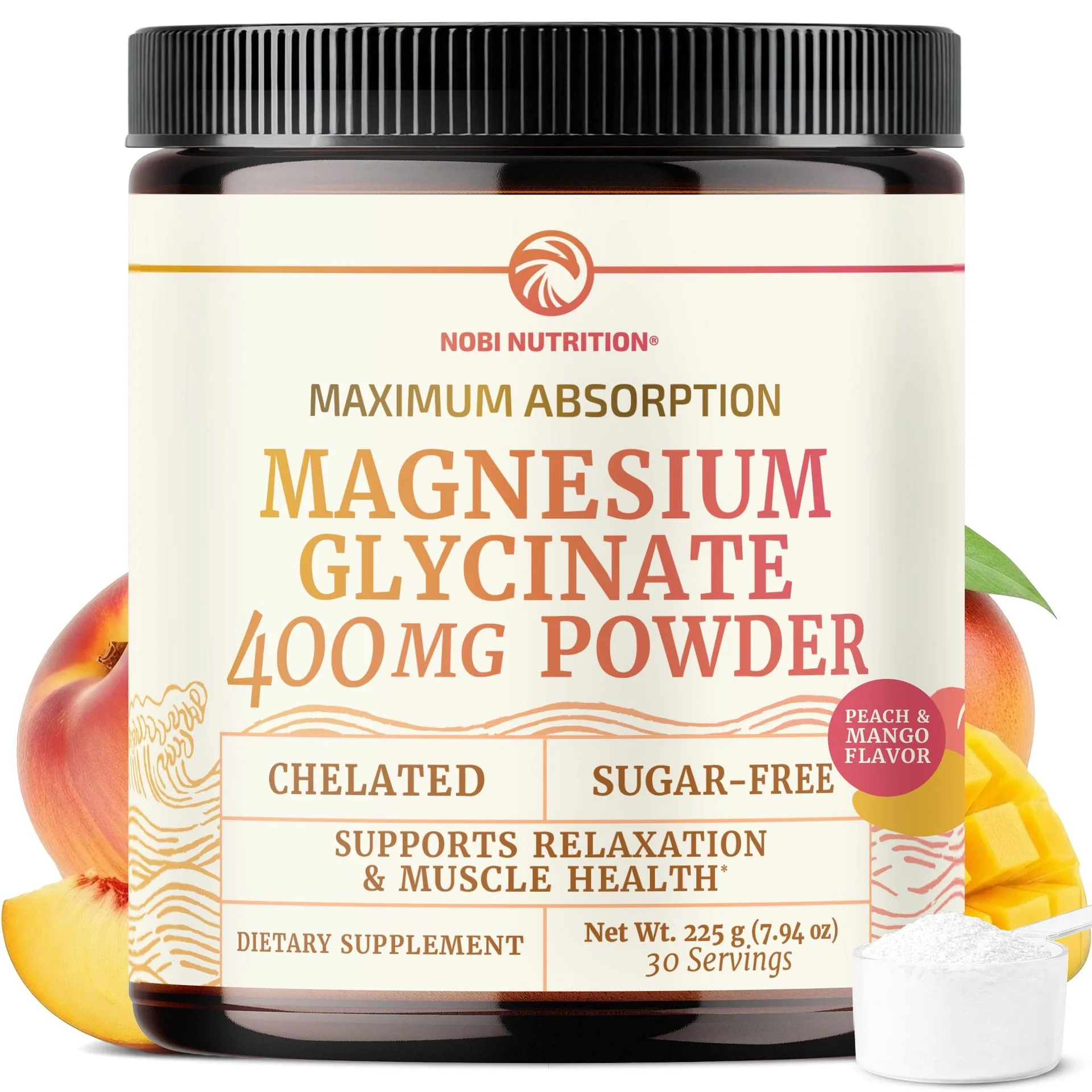
For a gentle, effective option, consider a magnesium powder like Magnesium Powder, Peach Mango. It's easy to mix into water and can provide a mild laxative effect without harsh stimulants.
7. Weakened Bones and Frequent Fractures
Magnesium is a key component of bone structure, and it helps regulate calcium and vitamin D levels. Chronic low magnesium can lead to decreased bone density and an increased risk of osteoporosis and fractures, especially as you age.
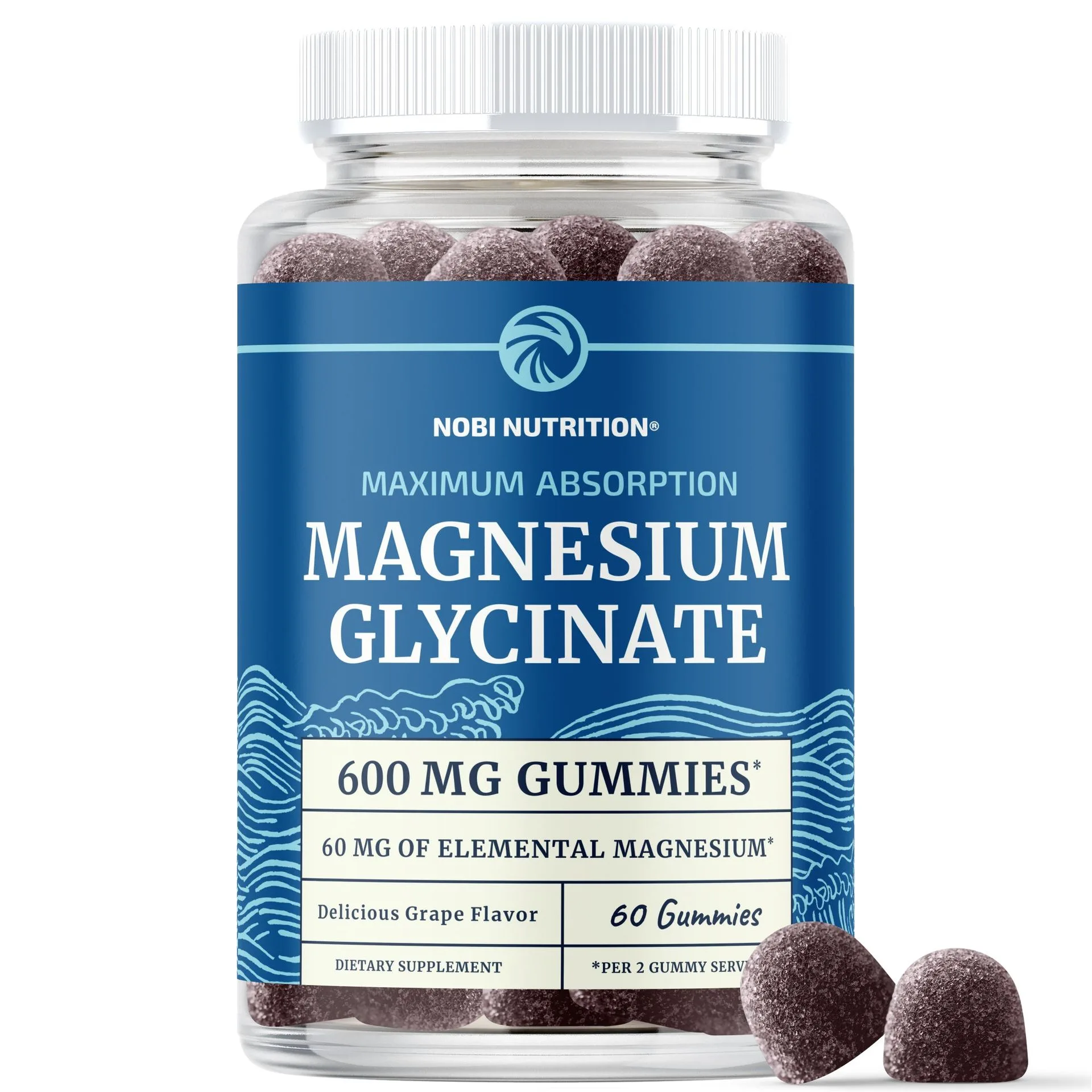
Supporting your bones with magnesium is a smart part of any healthy aging plan. A high-quality supplement like Magnesium Glycinate Gummy offers a tasty way to boost your daily intake and protect your skeletal health.
If you recognize several of these signs in your daily life, it may be time to consider a magnesium supplement. With so many forms available—capsules, gummies, powders—there's an option to fit your lifestyle. Start with a trusted product like Magnesium Glycinate Gummy to support your overall well-being and see how you feel.