Quick answer
For commercial spaces or large outdoor areas with many speakers on long cable runs, 70V constant voltage systems are the practical choice because they simplify wiring and let you add speakers without complex impedance calculations. For smaller residential setups where you want maximum audio fidelity and have a single amplifier channel per zone, 8 ohm speakers deliver better sound quality and are easier to integrate with standard home theater gear. The Aperion Clearus CTOD outdoor speaker offers both options with its 70V switch, giving you flexibility to adapt to either scenario.
How 70V and 8 Ohm Systems Differ
The core difference lies in how power is distributed. In an 8 ohm system, the amplifier sends audio signal directly to each speaker, and the total impedance load must stay within the amplifier's safe range—usually 4 to 8 ohms per channel. This works well for one or two speakers per channel, but as you add more, the impedance drops and can overheat or damage the amp. In a 70V system, each speaker has a transformer that steps up the impedance, allowing you to connect many speakers in parallel without dropping the load below safe levels. This makes 70V ideal for distributed audio in restaurants, retail stores, or large patios where you need even coverage across many speakers.
When to Choose 70V for Outdoor or Commercial Spaces
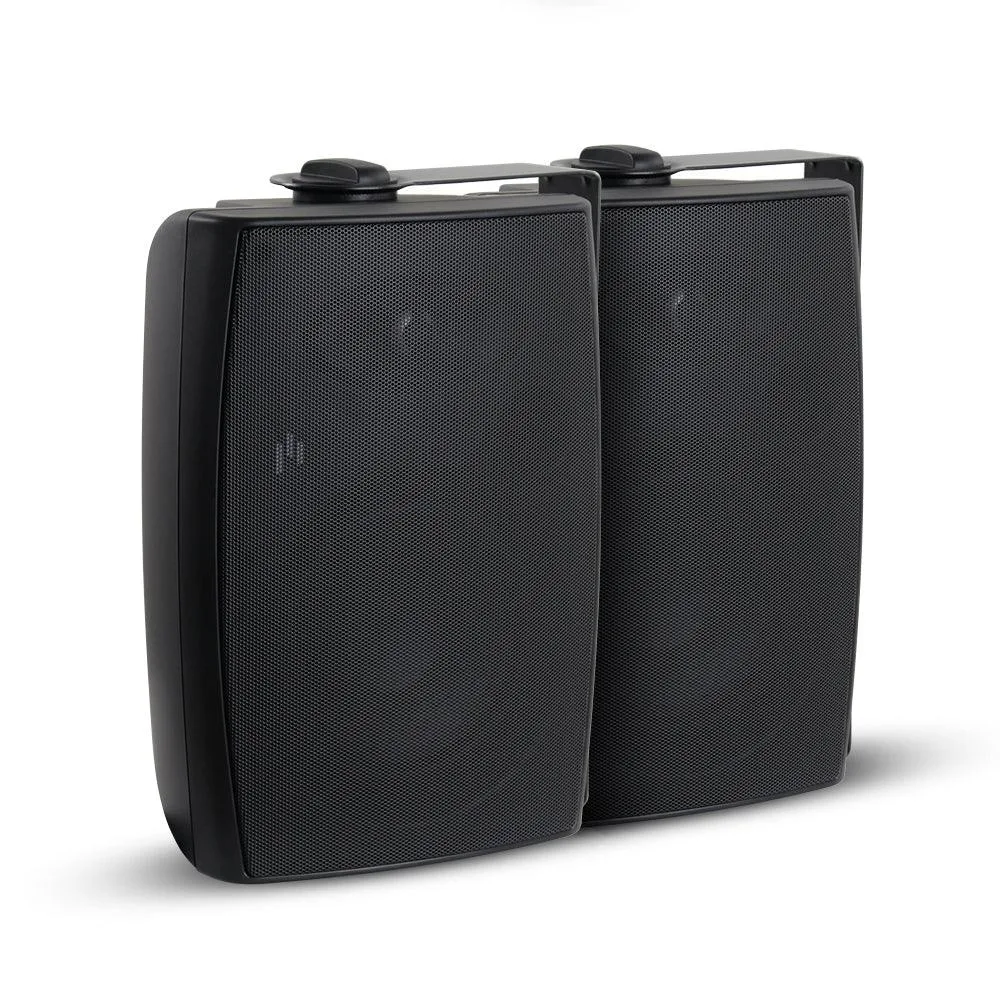
If you're covering a large area like a hotel pool deck, a restaurant patio, or a retail floor, 70V is often the only practical solution. You can run long cable lengths—hundreds of feet—without significant power loss, and you can tap each speaker at different wattages to balance volume across zones. For example, the Aperion Clearus CTOD 6.5" Outdoor/Indoor Speaker Pair includes a 70V switch, so you can use it in a 70V distributed system or flip to 8 ohm mode for a standard home setup. This dual capability is rare and makes the CTOD a versatile choice for mixed-use spaces.
When 8 Ohm Speakers Make More Sense
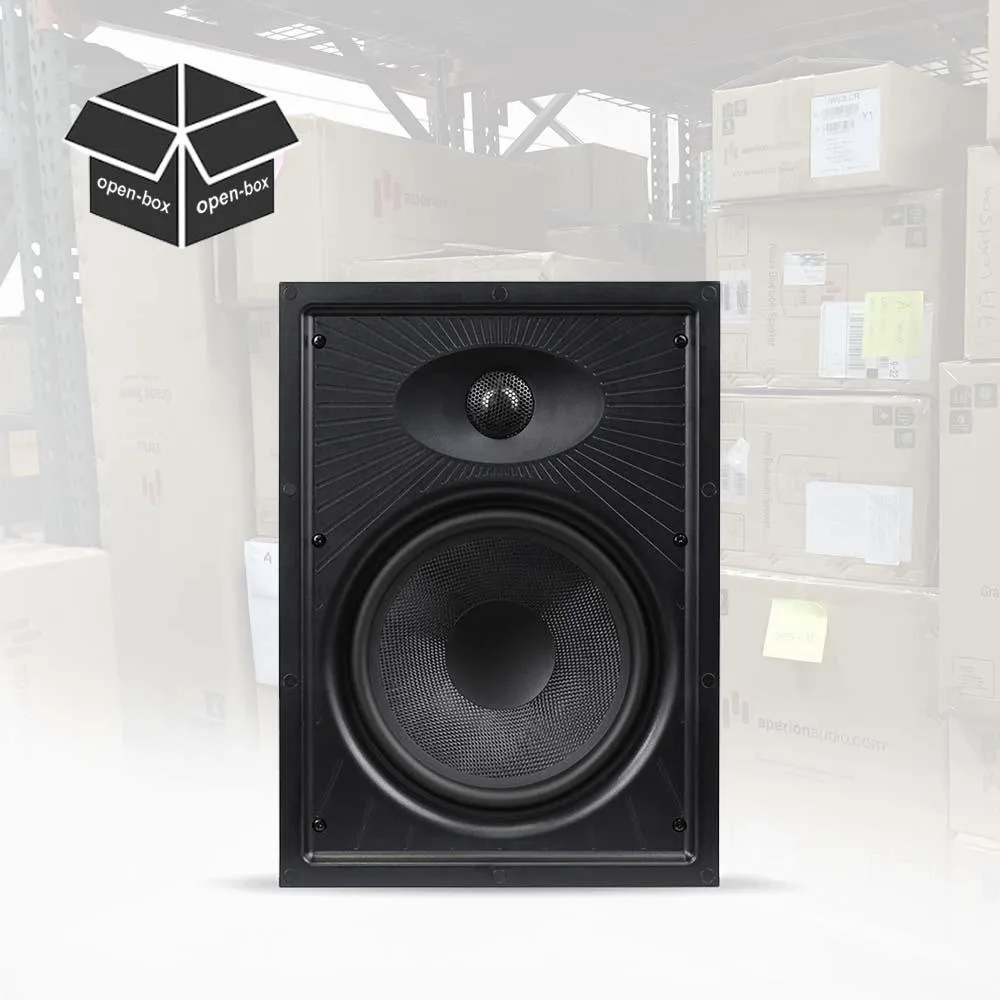
For a typical home patio or deck with two to four speakers, 8 ohm is simpler and sounds better. You avoid the cost and slight signal degradation of transformers, and you can use a standard stereo receiver or amplifier. If you're adding in-wall or in-ceiling speakers inside the home, 8 ohm models like the Aperion Clearus C8W 8" In-Wall Speaker integrate seamlessly with a home theater receiver. Just make sure your amplifier can handle the combined impedance—if you're running multiple pairs, you may need an impedance-matching volume control or a separate amplifier.
Key Trade-Offs: Cost, Complexity, and Sound Quality
70V systems cost more upfront because each speaker needs a transformer (sometimes built-in, sometimes external), and you'll need a 70V amplifier or a step-up transformer. Wiring is more forgiving, but you must calculate total wattage to avoid overloading the amplifier. 8 ohm systems are cheaper and simpler for small setups, but they limit the number of speakers you can run and require shorter cable runs. In terms of sound quality, 8 ohm generally has a slight edge because there's no transformer in the signal path, but in large spaces, the even coverage of a 70V system often outweighs that difference.
Practical Tips for Choosing
Start by counting your speakers and measuring the longest cable run. If you need more than four speakers or runs over 100 feet, lean toward 70V. If you're sticking with a simple two-speaker patio setup, 8 ohm is fine. Also consider future expansion: 70V makes it easy to add speakers later without replacing your amplifier. For indoor commercial spaces, check local codes—some require 70V systems for life safety announcements. Finally, if you choose 70V, verify that your amplifier supports constant voltage output; not all home theater amps do.
Trade-offs at a glance
- 70V System: Simplifies wiring for many speakers over long distances; each speaker needs a transformer, and amplifier must support constant voltage. Best for large commercial or outdoor areas with 5+ speakers.
- 8 Ohm System: Delivers pristine audio without transformer coloration; limited to a few speakers per channel and shorter cable runs. Best for residential patios or single-zone indoor setups.
- Hybrid Approach: Use speakers with a 70V switch, like the Clearus CTOD, to switch between modes as your needs change. Offers flexibility but requires careful setup to avoid mismatched impedance.
Product facts
- Clearus CTOD 6.5" Outdoor/Indoor Speaker Pair with 70V Switch: Aperion Clearus CTOD 2-Way 6.5" Outdoor/Indoor Speaker Pair with 70V Switch-Pair This speaker can be used in either 70V or 8 ohm mode, making it adaptable to both commercial distributed audio and standard home setups.
- Clearus C8W 8" In-Wall Speaker Single (Open Box): Clearus C8W 8" In-Wall Speaker Single (Open Box) An 8 ohm in-wall speaker that integrates with standard home theater receivers, ideal for indoor residential zones.
Which setup fits your space?
Best for
- Commercial venues like restaurants, retail stores, or hotels needing even audio coverage across many speakers
- Large outdoor areas such as resort pools or amphitheaters with long cable runs
- Homeowners planning to expand their outdoor audio system over time
Not for
- Small residential patios with only two speakers where simplicity and sound quality are top priorities
- Users with standard home theater receivers that lack 70V compatibility
- Budget-focused setups where the extra cost of transformers is prohibitive