Quick answer
For most hikers and birders, the 8x32 binoculars offer a wider field of view and steadier image, making them the better all-around choice. The 10x32 binoculars provide more detail at distance but require a steadier hold and are less forgiving in low light.
Field of view and stability matter on the trail
When you're scanning for birds or navigating uneven terrain, a wider field of view helps you spot movement quickly. 8x32 binoculars typically offer a broader view than 10x32 models, which makes them easier to use for tracking fast-moving subjects. Additionally, the lower magnification of 8x32 means less image shake, so you can hold them steady without a tripod—a real advantage during long hikes.
The 10x32 binoculars bring you closer to distant subjects, which is great for identifying birds or details at range. However, the higher magnification amplifies hand movement, making a steady hold essential. In low-light conditions—like dawn or dusk—the 10x32's smaller exit pupil can make the image dimmer compared to an 8x32.
Optical quality: ED glass and coatings level the field
Both the 8x32 and 10x32 TrailSeeker ED binoculars from Cloud Break Optics use ED objective lenses to reduce chromatic aberration, delivering sharp, true-to-color images. They also feature fully multi-coated optics and phase/dielectric coated BaK-4 prisms for maximum light transmission and vivid colors. This means that regardless of magnification, you get excellent image quality.
The practical difference comes down to how you use them: the 8x32's wider view and steadier image make it more versatile for general hiking and birding, while the 10x32 excels when you need to pick out distant details but don't mind a narrower field.
8x32 vs 10x32: trade-offs at a glance
- Field of view: 8x32 has a wider field, making it easier to locate and track birds. 10x32 has a narrower field but brings you closer to the subject.
- Stability: 8x32 is more stable in hand, ideal for long periods of glassing. 10x32 requires a steadier hold or a tripod for best results. If you have shaky hands or hike for hours, the 8x32 is the safer choice.
- Low-light performance: 8x32 has a larger exit pupil (4mm vs 3.2mm), providing a brighter image in dim conditions. 10x32 is dimmer but still usable in good light. For dawn/dusk birding, 8x32 is more forgiving.
Product facts
-
TrailSeeker ED 8x32 Binoculars (71401): ED objective lenses provide superior images virtually free of chromatic aberration with accurate color reproduction, increased resolution and contrast. You get crisp, color-accurate views even in challenging light, which is especially useful when identifying birds at dawn or dusk.
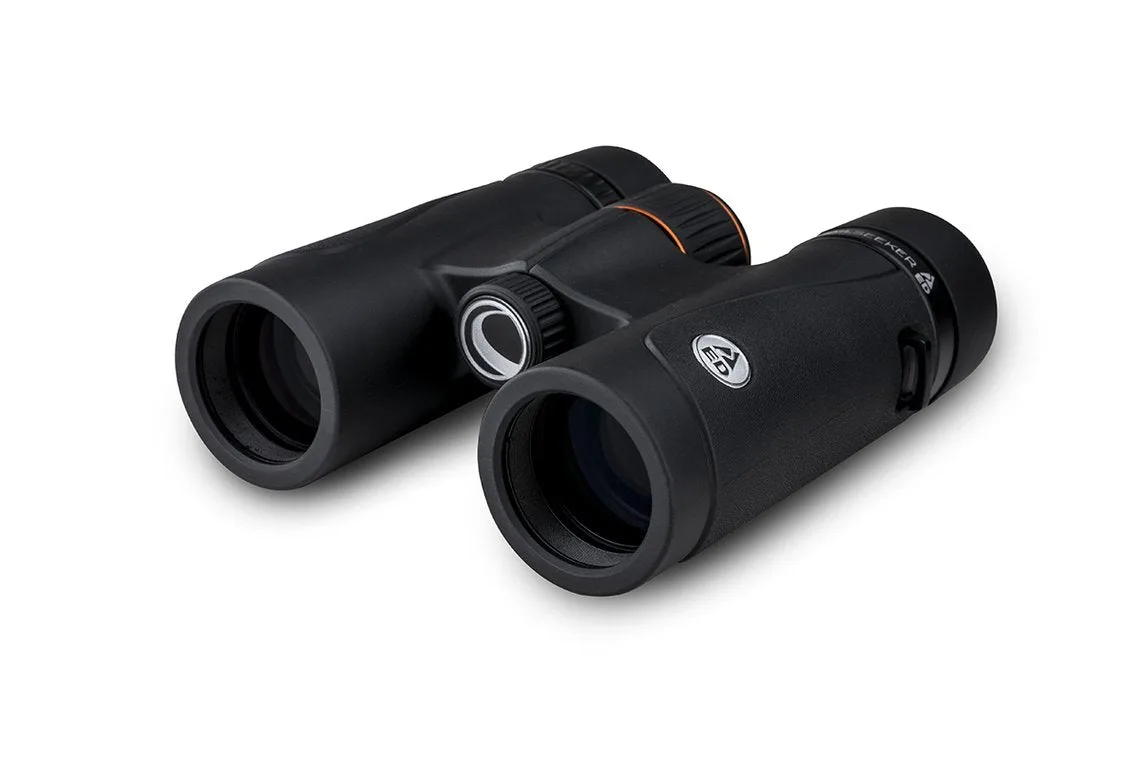
TrailSeeker ED 8x32 Binoculars (71401)
-
TrailSeeker ED 10x32 Binoculars (71403): Phase and dielectric coated BaK-4 prisms provide vivid, true-to-life colors. Colors appear natural and vibrant, helping you distinguish subtle plumage differences in the field.
TrailSeeker ED 10x32 Binoculars (71403)
Which one fits you?
Best for
- Hikers and general birders who value a wide field and steady image: choose 8x32.
- Birders who frequently observe distant subjects in good light and can use a steady rest: choose 10x32.
Not for
- If you primarily bird in low light or have unsteady hands, 10x32 may frustrate you.
- If you need maximum detail at long range and can use a tripod, 8x32 may not provide enough reach.