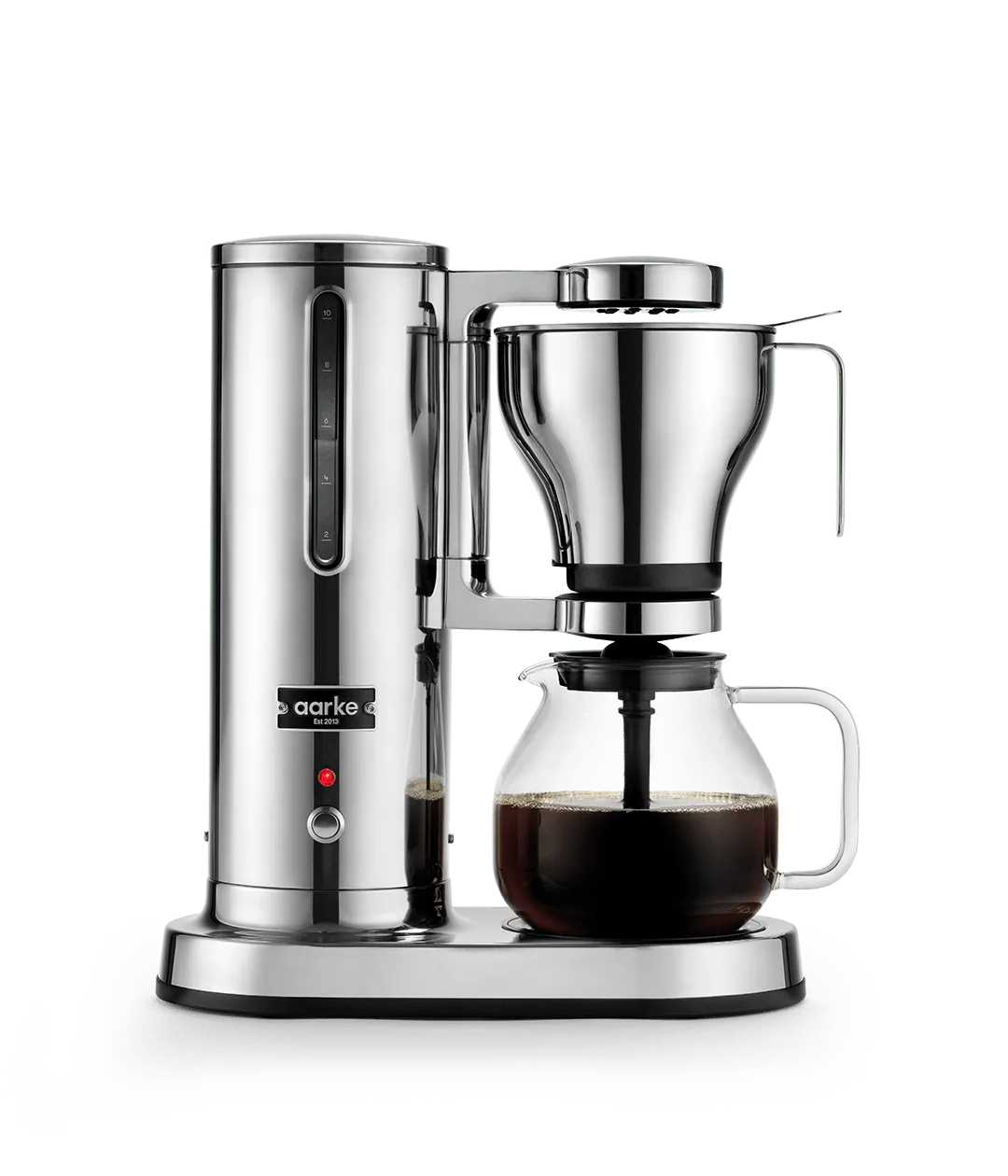
When it comes to brewing the perfect cup of pour-over coffee, the material of your coffee maker plays a surprisingly big role. Aarke offers two elegant options: the classic steel version and a newer ceramic model. Both are designed with minimalist Scandinavian aesthetics, but they behave differently in terms of heat retention, durability, and even the taste of your coffee.
In this comparison, we’ll break down the key differences between the Aarke Coffee Maker in steel and ceramic, so you can decide which one deserves a spot on your countertop. We’ll look at build quality, brewing performance, maintenance, and overall value.
Design and Build Quality
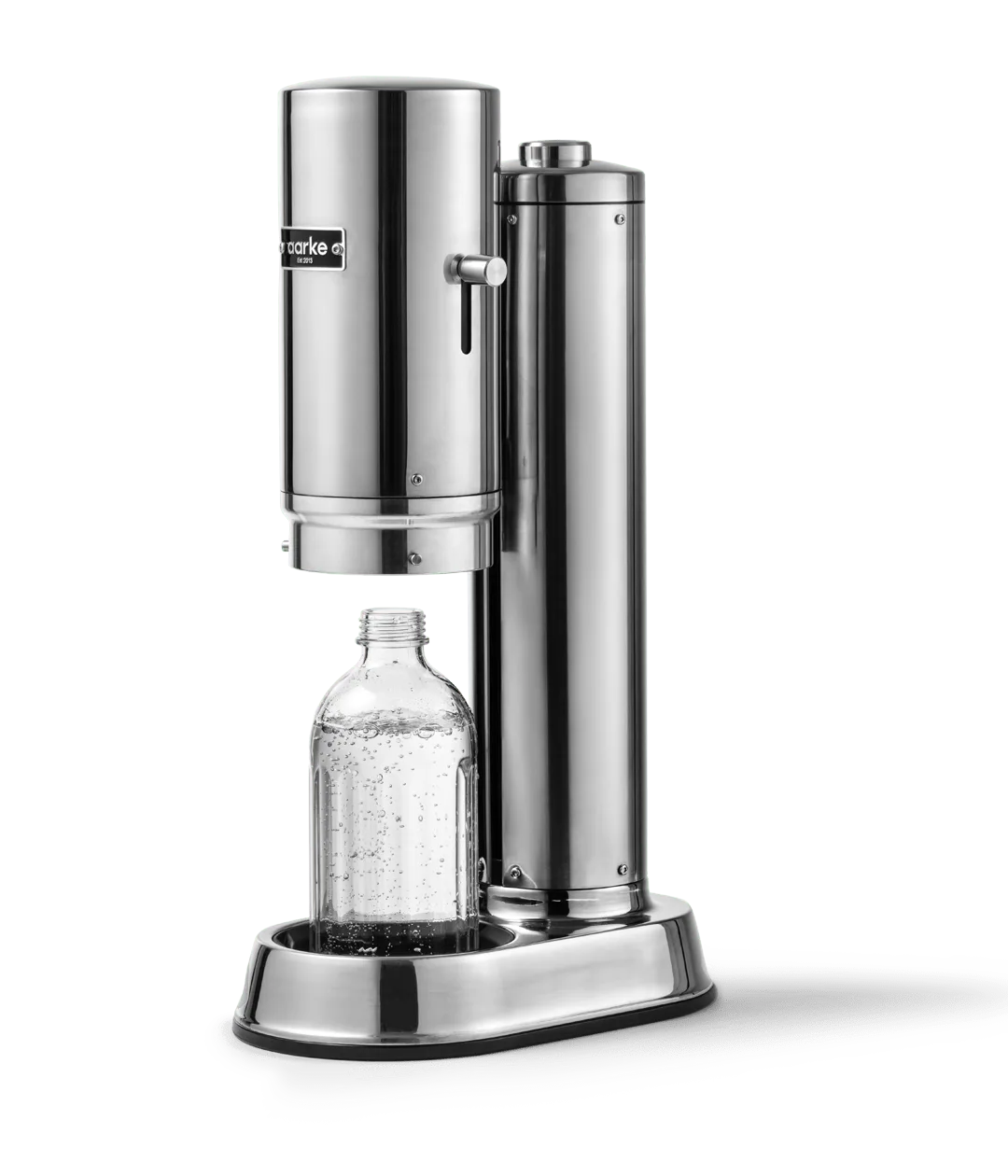
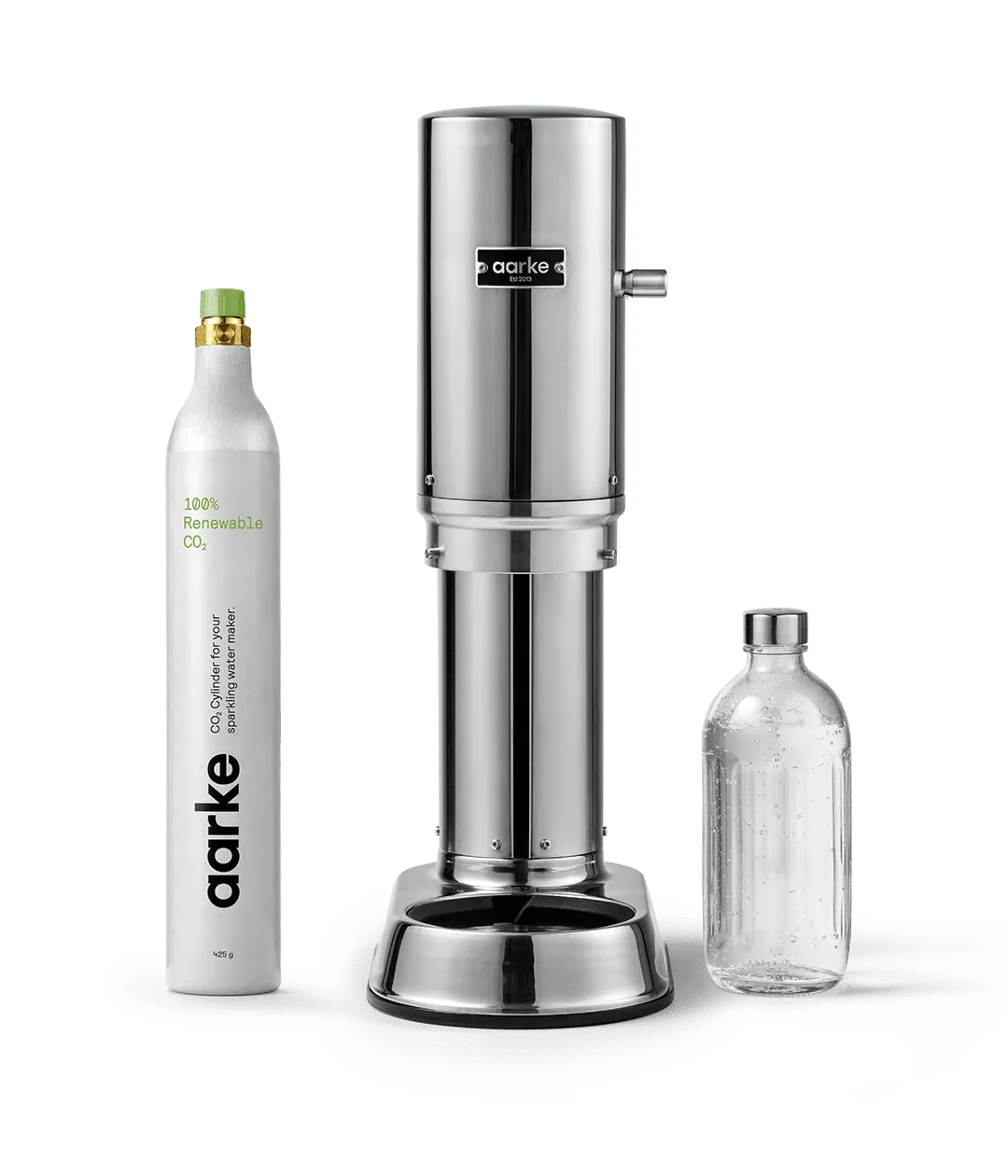
The Aarke Coffee Maker Steel is crafted from high-grade stainless steel, known for its robustness and sleek, industrial look. It fits perfectly with other Aarke steel products like the https://aarkeopl.com/products/carbonator-pro-steel-starter-kit-332257Carbonator Pro Steel Starter Kit, creating a cohesive kitchen aesthetic. The steel body is resistant to dents and scratches, making it a long-lasting companion for daily brewing.
The ceramic version, on the other hand, offers a more artisanal feel. Ceramic is naturally porous and can be glazed in various colors, giving the Aarke Coffee Maker a softer, more organic appearance. However, ceramic is more fragile than steel; it can chip or crack if dropped, so it requires a bit more careful handling.
- Steel: durable, scratch-resistant, modern look
- Ceramic: aesthetic variety, but more prone to chipping
- Both are BPA-free and food-safe
Heat Retention and Brewing Performance
Heat retention is crucial for pour-over coffee because the water temperature directly affects extraction. Steel is an excellent conductor of heat, but it also loses heat quickly. That means the Aarke Coffee Maker Steel may require preheating with hot water to maintain a stable brewing temperature. Once preheated, it can hold heat reasonably well, but it’s not as efficient as ceramic.
Ceramic, by contrast, is a poor conductor of heat, which is actually a benefit here. Once warmed, ceramic retains heat much longer, ensuring that the coffee slurry stays at an optimal temperature throughout the brewing process. This can lead to a more even extraction and a richer, more balanced cup. Many coffee enthusiasts prefer ceramic for this reason.
- Steel: requires preheating; quick temperature changes
- Ceramic: excellent heat retention; stable brewing temperature
- For best results, always preheat your brewer with hot water
Flavor Impact
The material of your coffee maker can subtly influence the taste of your brew. Steel is non-reactive, meaning it won't impart any flavors to your coffee. This is great if you want a clean, unadulterated cup that highlights the beans' origin notes. The Aarke Coffee Maker Steel delivers a crisp, bright cup with no metallic aftertaste, thanks to its high-quality 18/8 stainless steel.
Ceramic is also non-reactive, but its porous surface can absorb coffee oils over time. Some argue this can mellow the flavors and create a more rounded cup, but it also means the brewer can retain old coffee residue if not cleaned thoroughly. For a purist who switches between different beans, steel might be the safer choice. For those who enjoy a consistent, smooth profile, ceramic could be appealing.
- Steel: neutral flavor, ideal for tasting single-origin coffees
- Ceramic: may absorb oils, leading to a slightly muted flavor over time
- Regular cleaning is essential for both to avoid off-tastes
Maintenance and Durability
When it comes to cleaning, both the Aarke Coffee Maker Steel and the ceramic version are dishwasher safe, but steel is more forgiving. Steel can withstand harsh detergents and high temperatures without warping. It’s also less likely to stain, making it a low-maintenance option for daily use.
Ceramic, while also dishwasher safe, is more susceptible to cracking under sudden temperature changes (thermal shock). It’s best to let it cool down before washing. Additionally, ceramic can develop tiny cracks over time if handled roughly, which can harbor bacteria. If you’re looking for a set-it-and-forget-it brewer, steel is the more durable choice.
- Steel: dishwasher safe, resistant to stains and odors
- Ceramic: dishwasher safe but handle with care to avoid chipping
- Always allow ceramic to cool before rinsing
Which One Should You Choose?
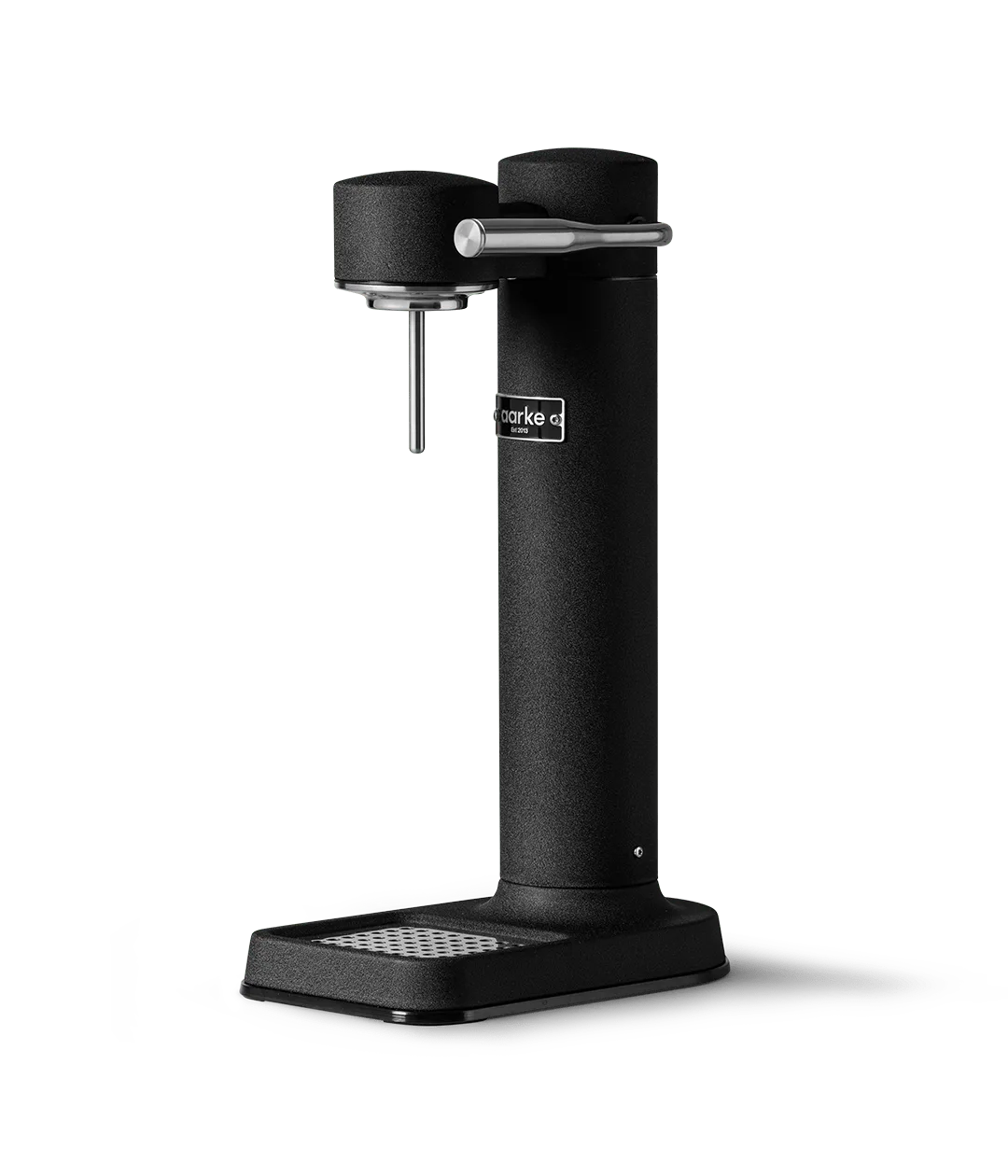
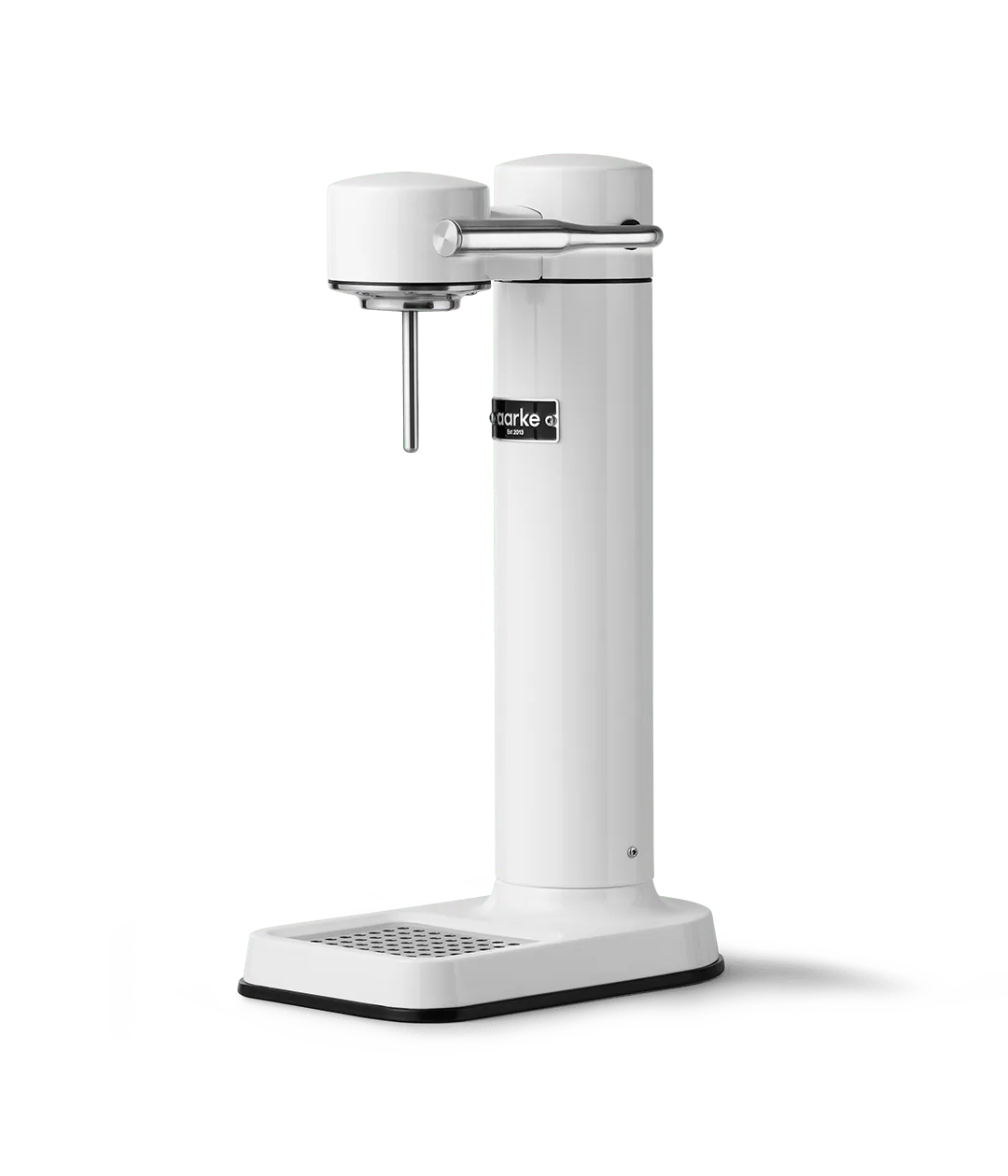
Your choice ultimately depends on your priorities. If you value durability, low maintenance, and a modern aesthetic that matches other Aarke steel products like the Carbonator 3 Matte Black or the Carbonator 3 Re-Crafted, the Aarke Coffee Maker Steel is a fantastic option. It’s built to last and delivers a clean, precise cup every time.
If you’re more interested in heat retention and a more traditional brewing experience, and you don’t mind being a bit more careful with your equipment, the ceramic version might be your winner. It’s also a great conversation starter with its unique look. Whichever you choose, pair it with the Aarke Coffee System for a complete brewing setup that elevates your morning ritual.
- Steel: best for durability, easy care, and modern kitchens
- Ceramic: best for heat retention and a classic pour-over experience
- Consider your brewing habits and how much care you're willing to invest
Both the Aarke Coffee Maker Steel and ceramic versions are excellent pour-over brewers, but they cater to slightly different needs. If you want a virtually indestructible, low-fuss brewer that looks great next to your other Aarke gear, go with steel. If you prioritize temperature stability and a more traditional brewing ritual, ceramic won’t disappoint. No matter which you pick, you’re investing in a beautifully designed coffee maker that will make your daily brew a pleasure.