Quick answer
Most weak or slow brews come down to grind size, water volume, or a cold machine — not a broken brewer. Start by checking grind consistency and the water level, then run a hot-water-only cycle to warm the system. If the brew is still weak after those steps, the Aarke Coffee Maker is working as designed and you should adjust your recipe or consider whether a different brewer suits your routine.
Symptom: Brew drips through much slower than usual
A slow drip usually means water is struggling to pass through the coffee bed. The most common cause is a grind that is too fine — the particles pack together and block the filter. Coarsen the grind one step at a time and brew again. If you use pre-ground coffee, check that it is a drip or filter grind, not an espresso grind.
A second common cause is the paper filter itself. If you use a filter that is too thick or not designed for your basket, it can slow the flow even with a correct grind. Stick to a standard drip filter and make sure it sits flat, not folded or doubled over.
Symptom: Coffee tastes weak or watery
Weak flavor almost always means the water is moving through the coffee too quickly or there is not enough coffee for the amount of water. Start by increasing the dose slightly — a good starting ratio is about 60 grams of coffee per liter of water, then adjust to taste. If the brew still tastes thin, tighten the grind one step finer so the water has more contact time with the coffee.
Water temperature also matters. The Aarke Coffee Maker is designed to hold the ideal coffee temperature at 92°–96°C regardless of volume, so if the flavor is weak, the problem is almost never the machine's temperature — it is the grind, the dose, or the coffee itself. Stale beans produce flat, weak cups no matter what you adjust.
Symptom: The brewer will not start or stops mid-cycle
If the machine does not start, check the power connection and make sure the water reservoir has enough water — many brewers will not begin a cycle if the level is below the minimum. If it stops mid-brew, unplug it, let it cool, and check that the basket and carafe are seated correctly. A misaligned carafe can trip a safety switch on some models.
If the machine still will not run after these checks, stop troubleshooting and contact Aarke support. Do not open the housing or attempt a repair yourself — that can void your warranty and risks damage to the internal components.
When to stop adjusting and change your approach
If you have tried three grind settings, two dose adjustments, and a hot-water warm-up cycle and the brew is still weak or slow, the issue is likely your recipe or your beans, not the brewer. At that point, stop changing the machine settings and instead change one variable at a time: try a different coffee, a different filter, or a different water-to-coffee ratio.
If you want a brewer that gives you more control over temperature and flow without manual adjustment, the Aarke Coffee Maker is built to hold 92°–96°C automatically, which removes temperature as a variable. If you prefer a hands-on method where you control every pour, a pour-over setup may suit you better — but that is a preference decision, not a fix for a broken machine.
Diagnosis: match the symptom to the fix
- Slow drip: Grind is too fine or the filter is too thick. Coarsen the grind one step and use a standard drip filter. If flow improves, the grind was the cause. If not, try a different filter before adjusting the machine.
- Weak or watery taste: Too little coffee for the water volume, or the grind is too coarse. Increase dose to about 60 g per liter and tighten the grind one step. If the cup is still weak after two dose adjustments, change your coffee beans — stale beans cannot be fixed with settings.
- Brewer will not start: Check power, water level, and that the carafe and basket are seated correctly. Unplug and let it cool if it stopped mid-cycle. If it still will not run, stop and contact Aarke support. Do not open the housing.
The brewer this advice applies to
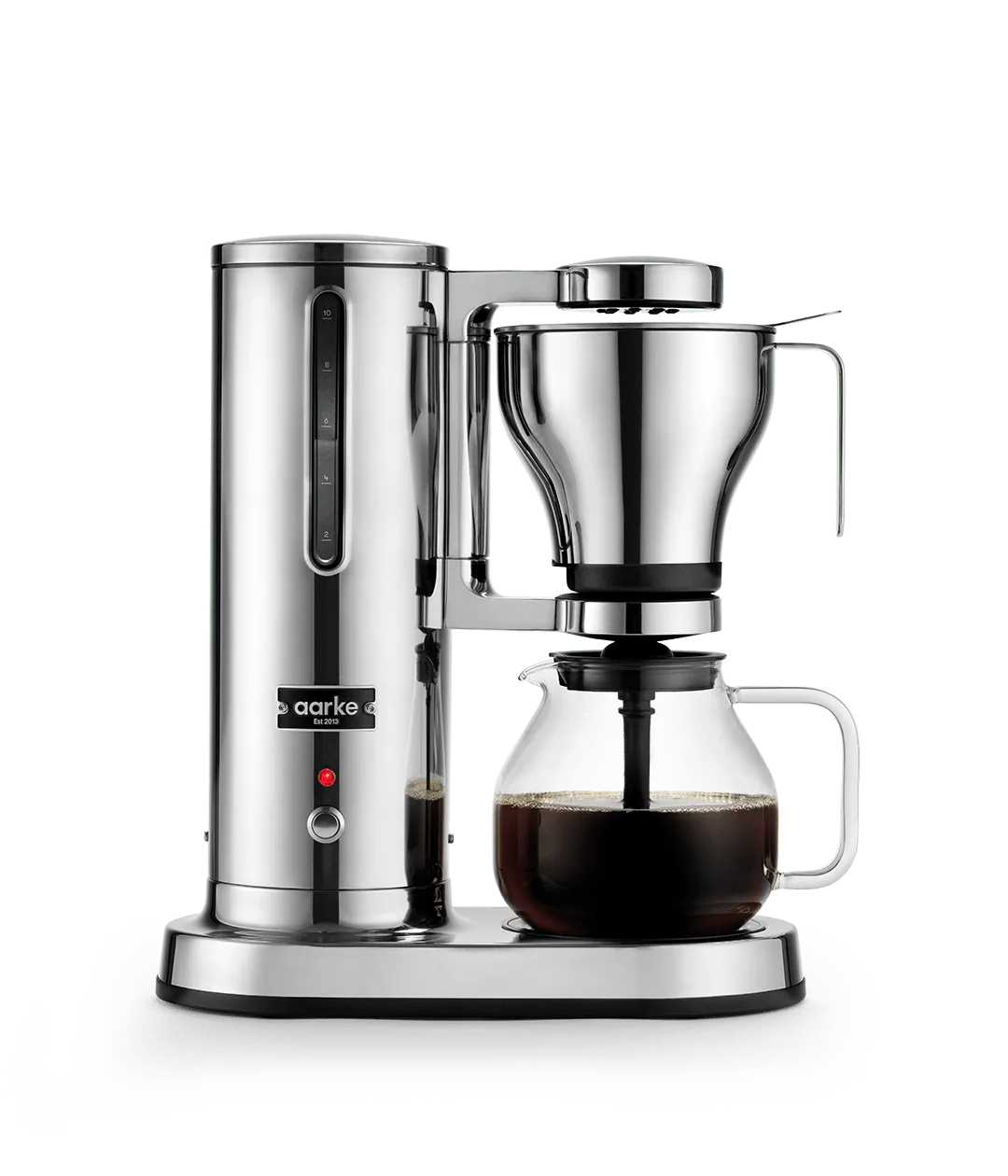
- Coffee Maker Steel: Engineered for perfect taste, this stainless steel drip filter coffee brewer ensures the ideal coffee temperature at 92°–96°C every time, regardless of the volume. Because the brewer holds temperature automatically, weak flavor is almost never a temperature problem — focus on grind, dose, and bean freshness instead.
- Coffee Maker Steel: The smart hot plate keeps your coffee warm while preserving its flavour, never burning it. If your coffee tastes burnt after sitting, the hot plate is not the cause — check your grind and water ratio first.
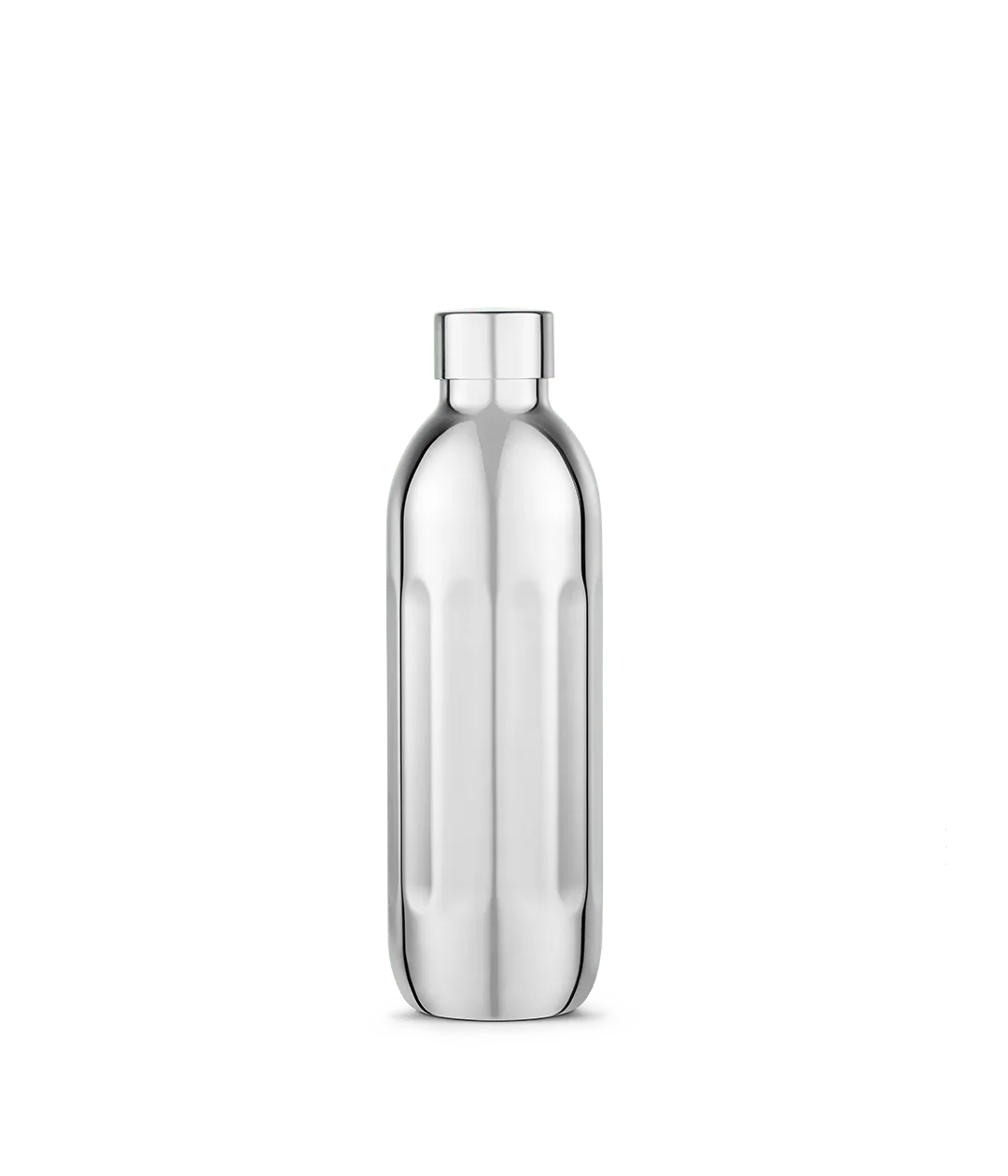
- To-Go Bottle Small: Double stainless-steel walls with vacuum keep your drinks cool and carbonated for 24 hours. If you brew a batch and want to carry it, this bottle keeps it at temperature without a hot plate — useful when troubleshooting whether your carafe is the problem.