Quick answer
Choose the Calphalon Edge Guard End Grain Acacia Wood Cutting Board if you want a durable, knife-friendly surface with a distinctive checkerboard look. Choose the Bloomhouse Italian Beech Wood Cutting Board if you prefer a lighter, sustainably harvested board with classic craftsmanship.
End-grain acacia vs edge-grain beech: what's the difference?
The Calphalon Edge Guard board uses end-grain acacia, meaning the wood fibers run perpendicular to the surface. This construction absorbs knife impacts better, reducing visible cut marks and keeping your blades sharper longer. The checkerboard pattern is a visual bonus that also indicates the end-grain layout.
The Bloomhouse board is made from Italian beechwood with an oil-coated finish. Beech is a dense, close-grained hardwood that resists moisture well, but it is typically edge-grain. That makes it slightly harder on knives than end-grain acacia, though it remains a solid performer for everyday prep.
Weight and handling trade-offs
End-grain acacia boards tend to be heavier because of their thicker butcher-block construction. The Calphalon board is built for stability on the counter but is less convenient to move or store. In contrast, the Bloomhouse beech board is lighter and easier to lift, wash, and put away—especially if you have limited counter space.
Acacia vs beech: the trade-offs
- Knife-friendliness: End-grain acacia (Calphalon) is gentler on knife edges and hides cut marks. Beech (Bloomhouse) is harder and may show scratches sooner.
- Weight & portability: Acacia is heavier and stays put on the counter. Beech is lighter and easier to move or store. If you frequently lift your board, beech is more practical.
- Sustainability & origin: Bloomhouse beech is sustainably harvested in Croatia and finished in Italy. Calphalon acacia does not specify sourcing in its catalog facts. For eco-conscious buyers, the Bloomhouse board offers more transparency.
Product facts at a glance
-
Calphalon Edge Guard End Grain Acacia Wood Cutting Board: End-grain acacia wood with butcher-block construction resists warping and deep cuts. This means the board stays flat over time and hides knife scars, so it looks good longer without sanding.
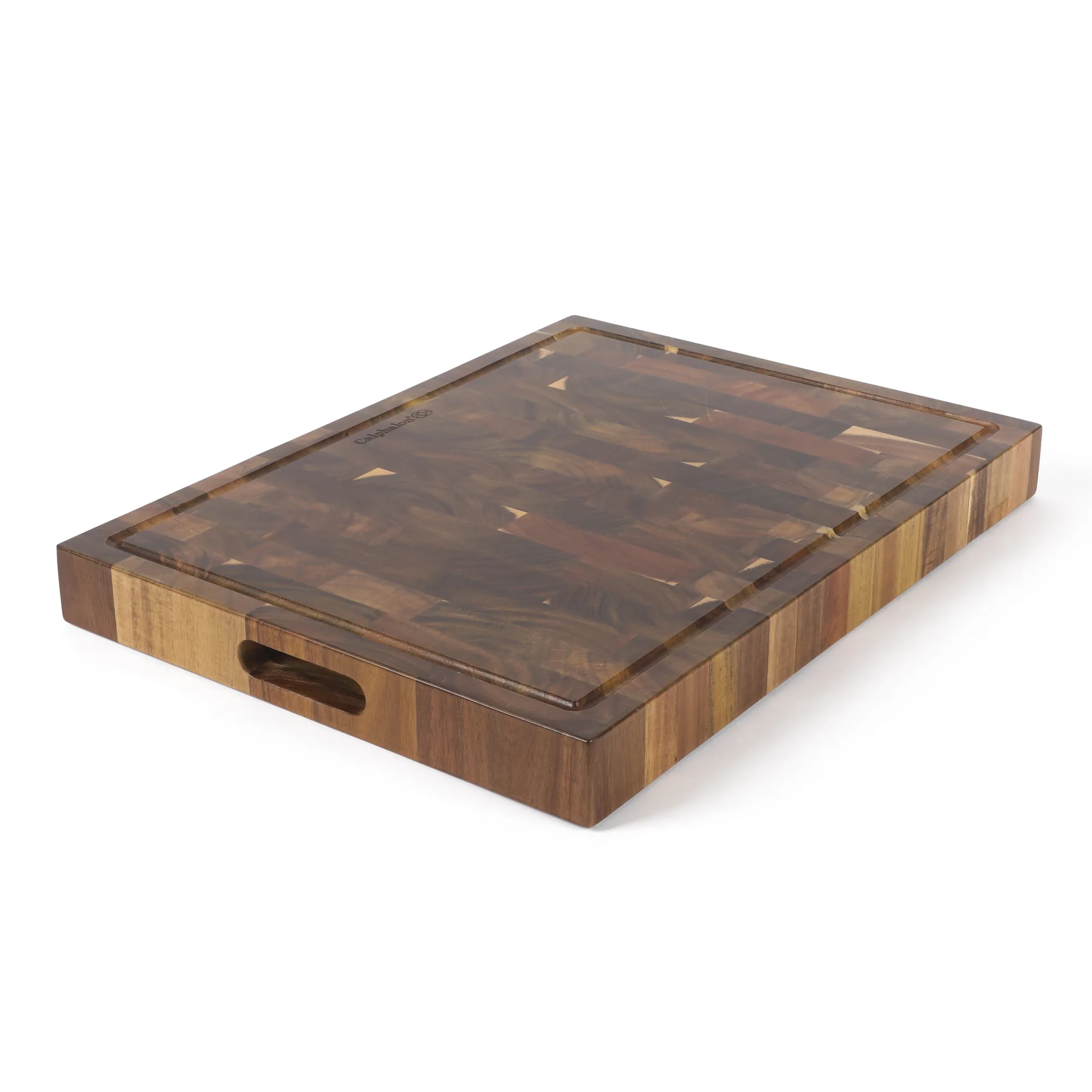
Calphalon Edge Guard End Grain Acacia Wood Cutting Board
-
Bloomhouse Made in Lake Como, Italy Oil Coated Italian Beech Wood Cutting Board: Sustainably harvested in Croatia and artfully finished in Italy with an oil coating. You get a responsibly sourced board with a protective finish that resists moisture, though it may need occasional re-oiling.
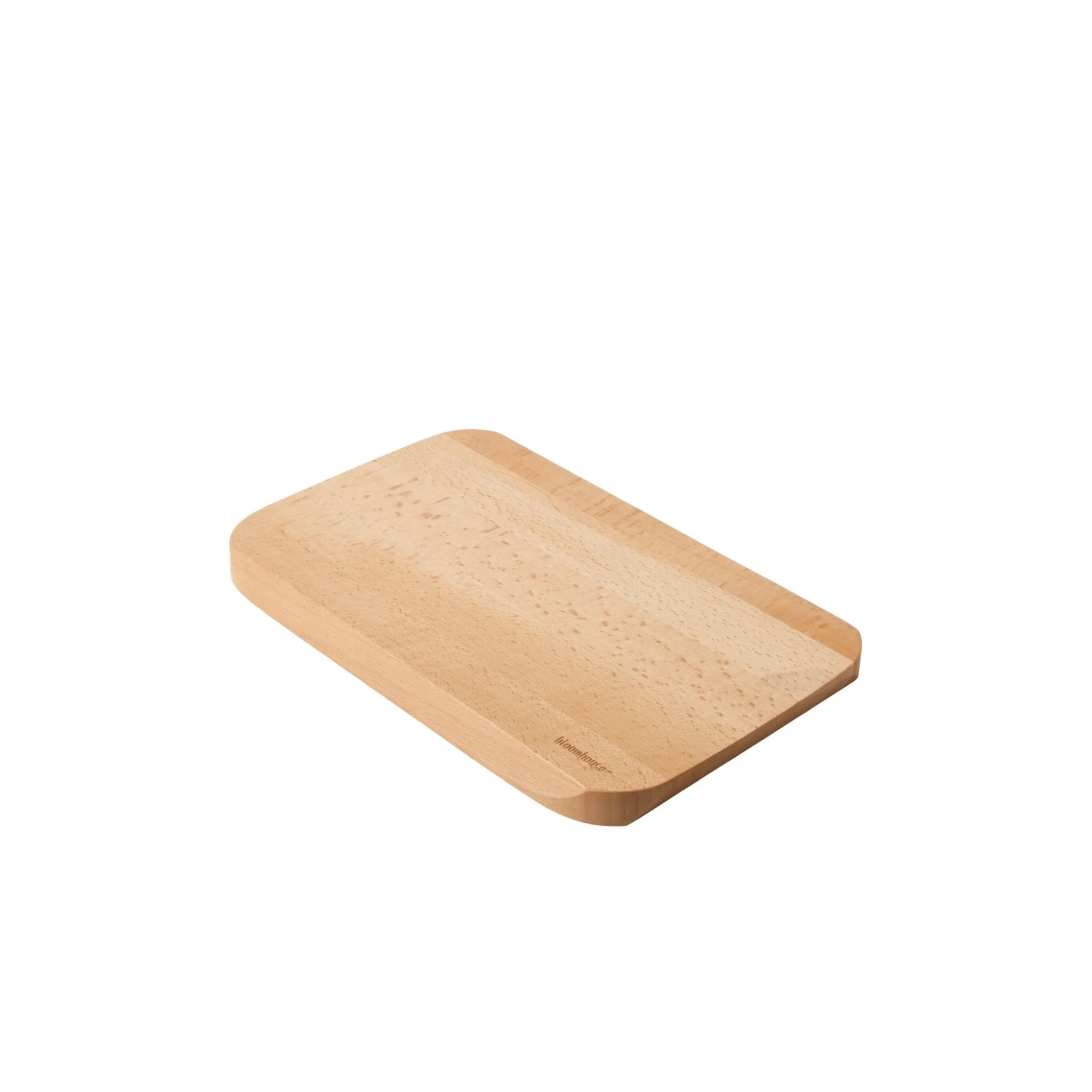
Bloomhouse Made in Lake Como, Italy Oil Coated Italian Beech Wood Cutting Board
Which one fits you?
Best for
- Home cooks who prioritize knife longevity and a durable, low-maintenance surface (choose the Calphalon acacia board).
- Those who want a lighter, sustainably sourced board with classic European craftsmanship (choose the Bloomhouse beech board).
Not ideal for
- If you need a lightweight board you can easily wash and put away, the heavier Calphalon acacia may feel cumbersome.
- If you regularly use high-end knives and want to minimize edge wear, the harder beech surface of the Bloomhouse board may dull blades faster than end-grain acacia.