Start with the shelter's intended job
The Access 1 Ultralight is a four-season solo tent built for ski touring and snowshoeing. That framing matters before you pitch it: this is a one-person shelter meant to travel light and stand up to winter conditions, not a base-camp palace or a summer-weight tent pressed into snow duty.
Because the supplied product information does not include a step-by-step pitching sequence, pole dimensions, or a guy-out diagram, treat the setup below as a planning framework. Follow the pitch instructions that come with your tent, and use these cold-weather checkpoints to make that pitch work in snow and wind.
What the Access 1 Ultralight is built for
-
Access™ 1 Ultralight, Four-Season Solo Tent: Four-season solo tent designed for ski touring and snowshoeing. Confirms the intended use and capacity before you commit to a winter pitch plan.
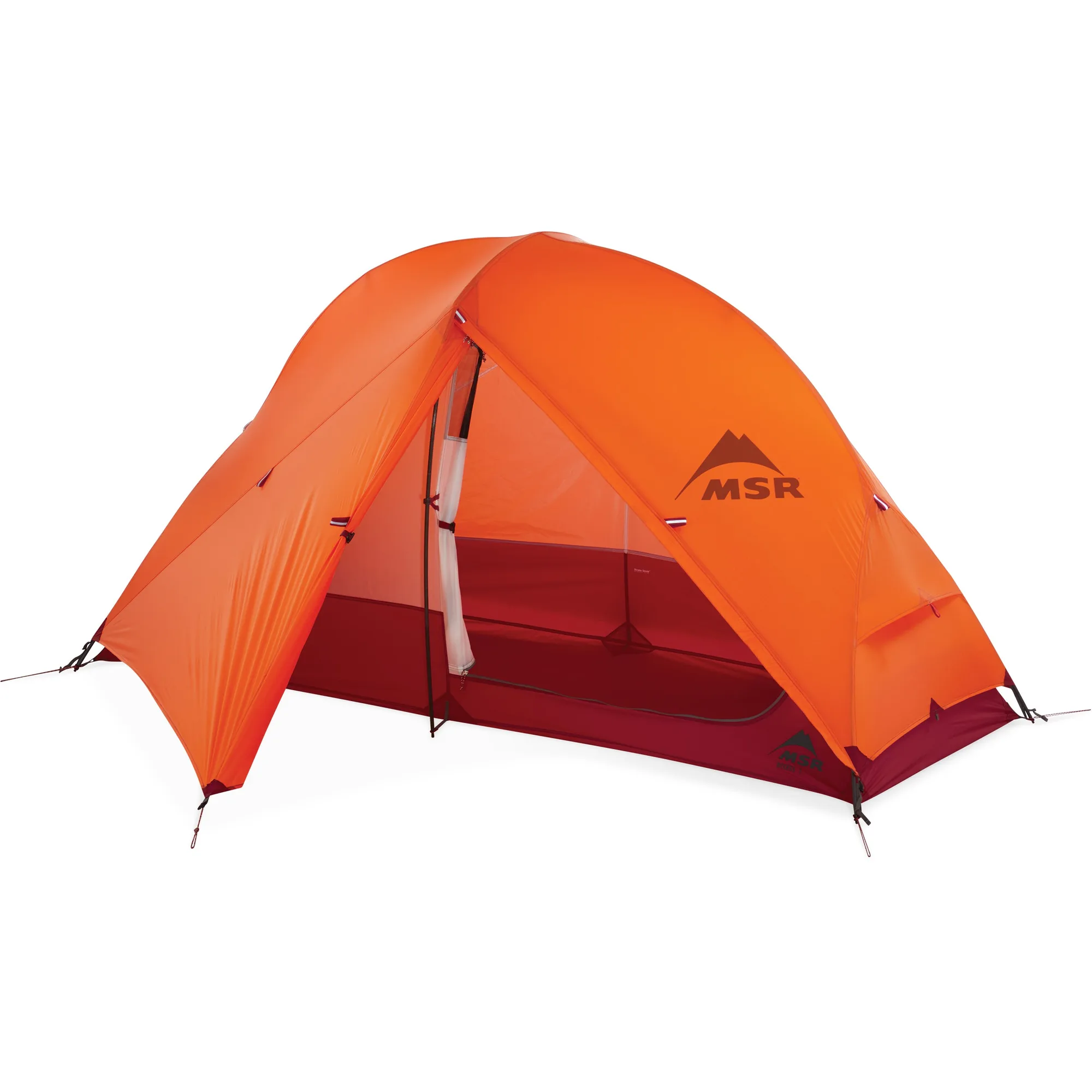
Access™ 1 Ultralight, Four-Season Solo Tent
-
Access™ 1 Ultralight, Four-Season Solo Tent: Ultralight design for easy transport during ski tours and snowshoe trips. Explains why this shelter suits self-powered winter travel where pack weight matters.
-
Access™ 1 Ultralight, Four-Season Solo Tent: Built for cold weather use, ensuring comfort in harsh environments. Sets the conditions the tent is meant for, so you can judge whether your trip fits.
A cold-weather pitch routine for a solo winter tent
Use this sequence as a pre-pitch and post-pitch checklist. It does not replace the manufacturer's pitching instructions; it keeps the decisions that matter in winter from getting lost in cold, tired hands.
- Pick ground you can work with: Look for a level, sheltered spot and clear the area before you unpack. In snow, a packed or dug-out platform gives you a stable place to lay out the tent and reduces the chance of losing small parts in powder.
- Lay out and inspect before pitching: Unpack the tent fully and check that poles, stakes, and the body are all present. Cold hands drop things; a full inventory before assembly saves a search later.
- Pitch with the weather in mind: Orient the shelter so the lowest, most protected side faces the prevailing wind. The supplied information does not specify a wind rating or a required orientation, so use your own site assessment and the tent's own pitch instructions.
- Secure the shelter before you settle in: Stake out and tension the tent as directed by the manufacturer. In snow, check that your anchor points are holding before you move gear inside; a loose pitch is harder to fix once the tent is full.
- Set up your sleep and gear zone: The Access 1 Ultralight is a solo tent, so plan for one person's sleep system and a small amount of gear. Keep wet layers away from your sleeping area and leave the door zone clear for entry and exit.
Condensation habits for an ultralight winter shelter
The supplied product information does not include ventilation specifications or condensation ratings for the Access 1 Ultralight. That means you should not rely on a promised airflow figure. Instead, build habits that reduce moisture inside any small four-season tent.
- Vent before you sleep: Open vents or door options as the manufacturer allows, and clear any snow that blocks them. A small solo tent traps moisture quickly when everything is sealed.
- Keep wet gear out of the sleep zone: Packed snow, wet gloves, and damp layers release moisture into the tent. Store them away from your sleeping area and shake off snow before you climb in.
- Manage moisture in the morning: If frost has formed inside, brush it off before it melts into the fabric. Wipe down surfaces only as the manufacturer's care instructions permit.
Cold-weather care after the trip
The supplied record does not include specific washing, drying, or reproofing instructions for the Access 1 Ultralight. Rather than invent a procedure, use the care guidance that ships with the tent and focus on the habits that are safe for any four-season shelter: empty and dry the tent thoroughly before storage, avoid packing it away wet, and check poles, stakes, and fabric for damage after each winter trip.
Inspect before you store: look for bent pole sections, torn stake loops, or abrasion on the floor. Catching small damage at home is easier than repairing it in a cold camp. If a part needs replacement, use the manufacturer's genuine parts rather than improvising.
Access 1 Ultralight at a glance
- Access™ 1 Ultralight, Four-Season Solo Tent: Solo capacity ideal for individual adventurers. Confirms this is a one-person shelter, so plan your winter kit around a solo occupant.
- Access™ 1 Ultralight, Four-Season Solo Tent: Combines ultralight construction with the durability needed for cold-weather adventures. Explains the tradeoff the tent is designed around: low weight with winter-capable construction.
What to confirm before your first winter night
The supplied evidence covers the Access 1 Ultralight's intended use, capacity, and cold-weather design, but it does not include a packed weight, floor dimensions, peak height, or a maximum snow-load figure. If those numbers matter to your trip, check the current product page or the manufacturer's documentation before you go.
That is not a knock on the tent; it is a reminder that a four-season label covers a range of conditions. Match the shelter to your route, your experience, and the forecast, and treat the setup habits above as the part you control.