When shopping for hair accessories, you've likely come across terms like "acetate" and "cellulose acetate" on product descriptions. While they sound similar, the distinction matters—especially if you care about durability, sustainability, and how your clips perform over time. In this guide, we break down the differences between acetate and cellulose acetate hair clips, explain why material choice impacts your daily styling routine, and help you choose the best eco-friendly option for your hair type.
Whether you're a collector of statement clips or just looking for a reliable everyday accessory, understanding the composition of your hair accessories can save you money, reduce waste, and ensure you get the most out of your purchase. Let's dive into the science and style behind these popular materials.
What Is Acetate? The Basics of a Popular Hair Clip Material
Acetate, in the context of hair accessories, typically refers to a semi-synthetic plastic made from cellulose derived from wood pulp or cotton fibers. It is created through a chemical process that combines cellulose with acetic acid and other additives. The result is a sturdy, glossy material that can be molded into various shapes and colors. Most acetate hair clips on the market are made from this standard acetate, which offers good durability and a smooth finish.
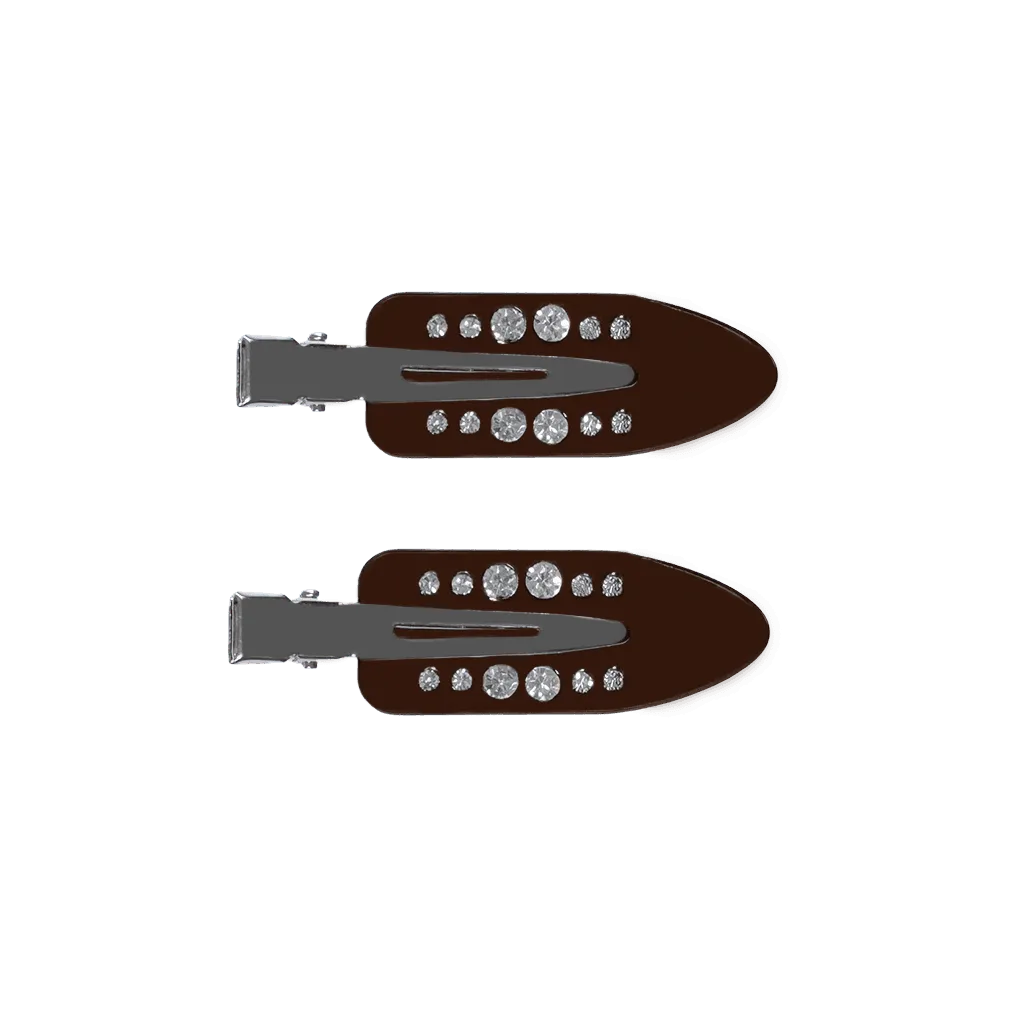
However, not all acetate is created equal. The quality can vary depending on the source of cellulose, the manufacturing process, and whether any plasticizers or fillers are added. Lower-quality acetate may become brittle over time or develop a cloudy appearance, while high-quality acetate remains clear and vibrant for years. This is why it's important to look for clips made from premium acetate, such as the LORA clip in Pink Lime, which showcases the material's ability to hold rich, translucent colors without fading.
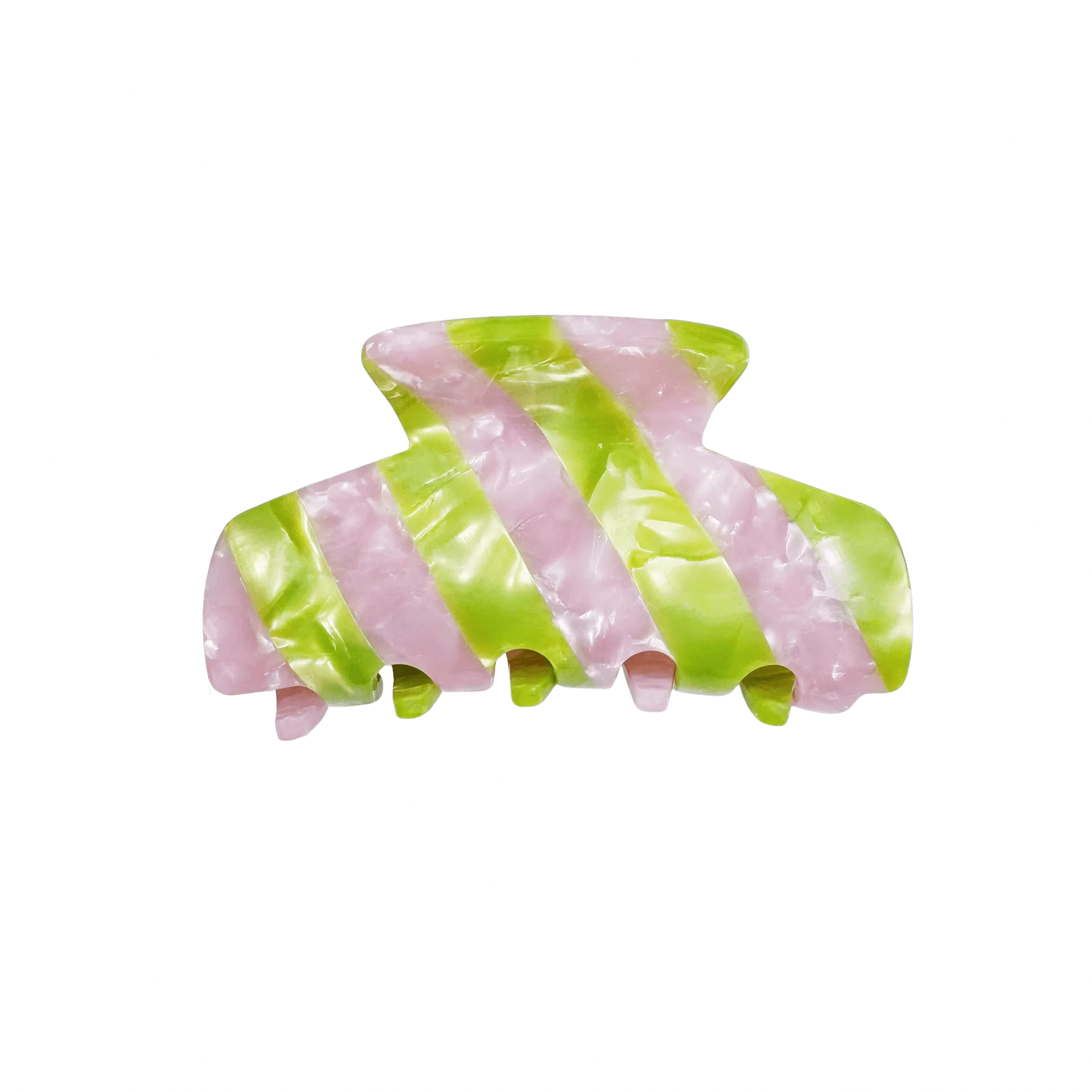
LORA clip in Pink Lime
- Standard acetate is durable but can vary in clarity and longevity based on manufacturing quality.
- High-quality acetate resists yellowing and maintains its shine with proper care.
What Is Cellulose Acetate? The Eco-Friendly Upgrade
Cellulose acetate is a more specific and refined version of acetate. It is produced using a more controlled process that minimizes the use of harmful chemicals and often results in a biodegradable material under certain conditions. Unlike standard acetate, which may include non-biodegradable additives, true cellulose acetate is derived entirely from renewable plant sources and can break down in industrial composting facilities. This makes it a top choice for environmentally conscious consumers seeking sustainable hair accessories.
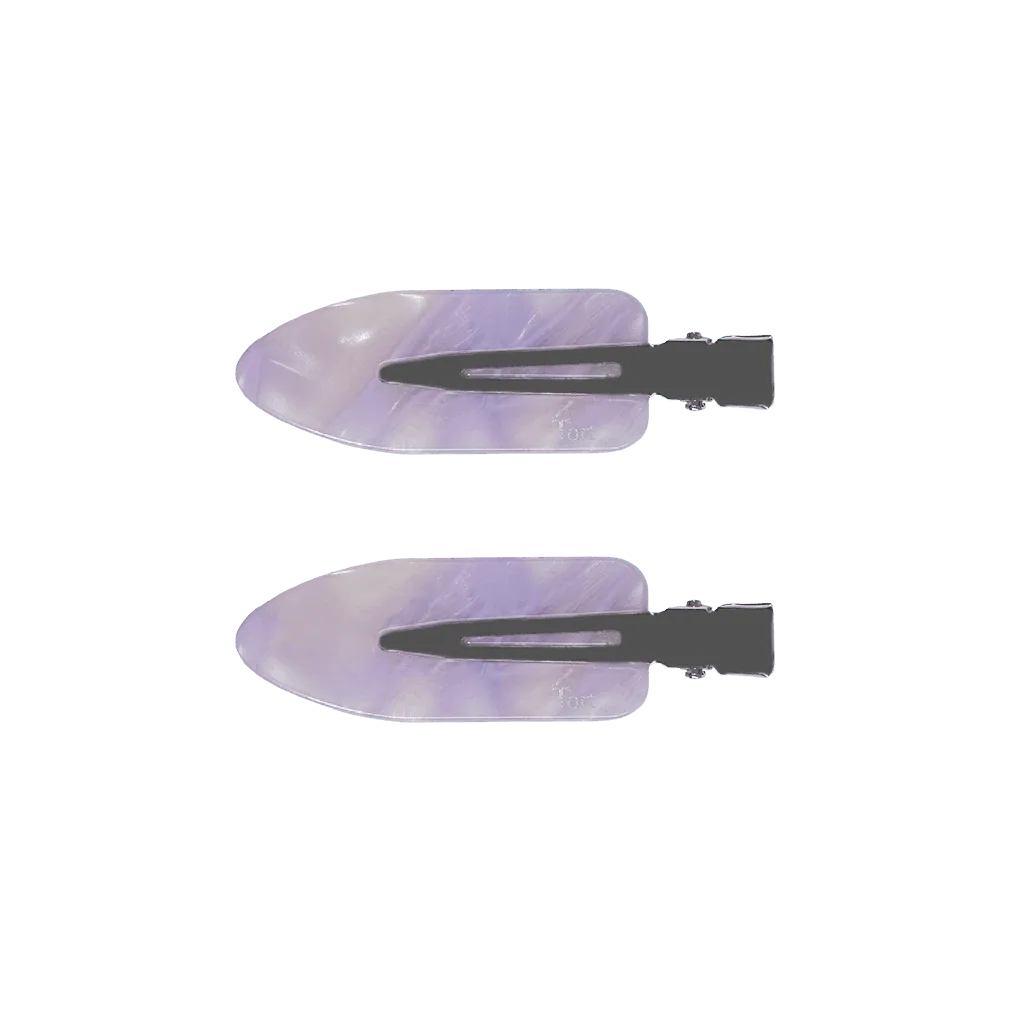
Another advantage of cellulose acetate is its hypoallergenic properties. It is free from common irritants like latex and phthalates, making it gentle on sensitive scalps and fine hair. Brands that prioritize eco-friendly production often highlight cellulose acetate in their product lines. For example, the JOAN clip in Lavender Matcha is crafted from high-quality cellulose acetate, offering both a stunning pastel hue and a reduced environmental footprint. When you choose cellulose acetate, you're not just investing in a beautiful accessory—you're supporting a more sustainable fashion industry.
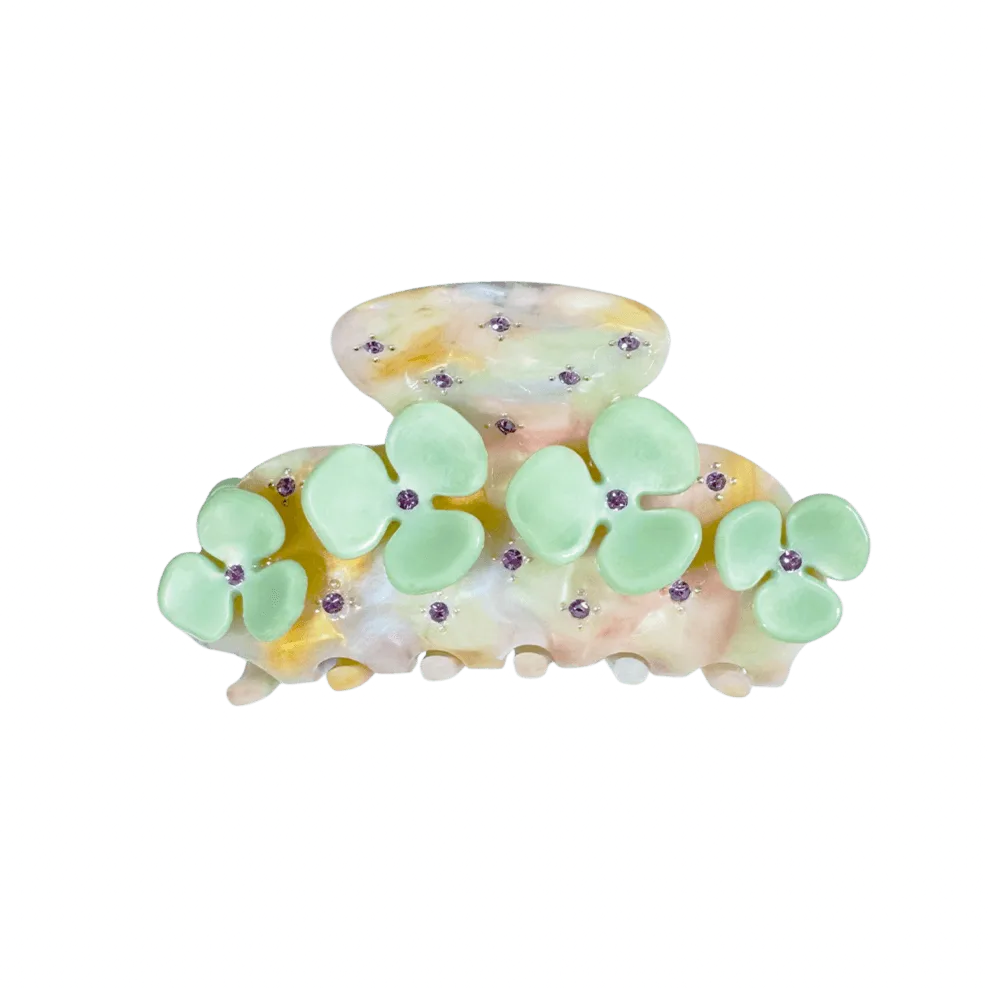
JOAN clip in Lavender Matcha
- Cellulose acetate is biodegradable in industrial composting facilities, reducing landfill waste.
- It is hypoallergenic and free from harsh chemicals, ideal for sensitive skin.
Key Differences: Acetate vs. Cellulose Acetate Hair Clips
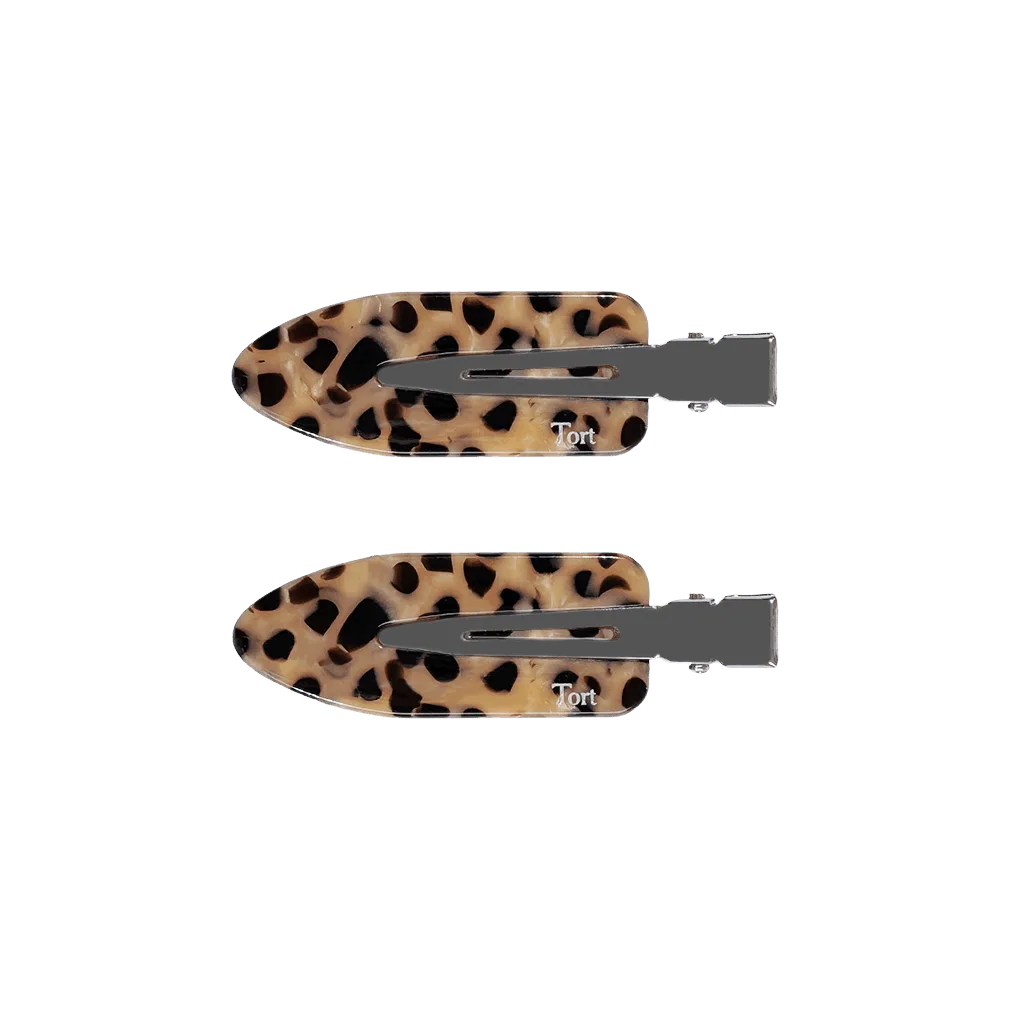
While both materials share a cellulose base, the key differences lie in production methods, environmental impact, and long-term performance. Standard acetate is often less expensive but may contain plasticizers that reduce biodegradability. Cellulose acetate, on the other hand, undergoes a more rigorous purification process, resulting in a material that is both stronger and more eco-friendly. In terms of appearance, both can achieve vibrant colors and tortoiseshell patterns, but cellulose acetate tends to have a more consistent, glass-like clarity.
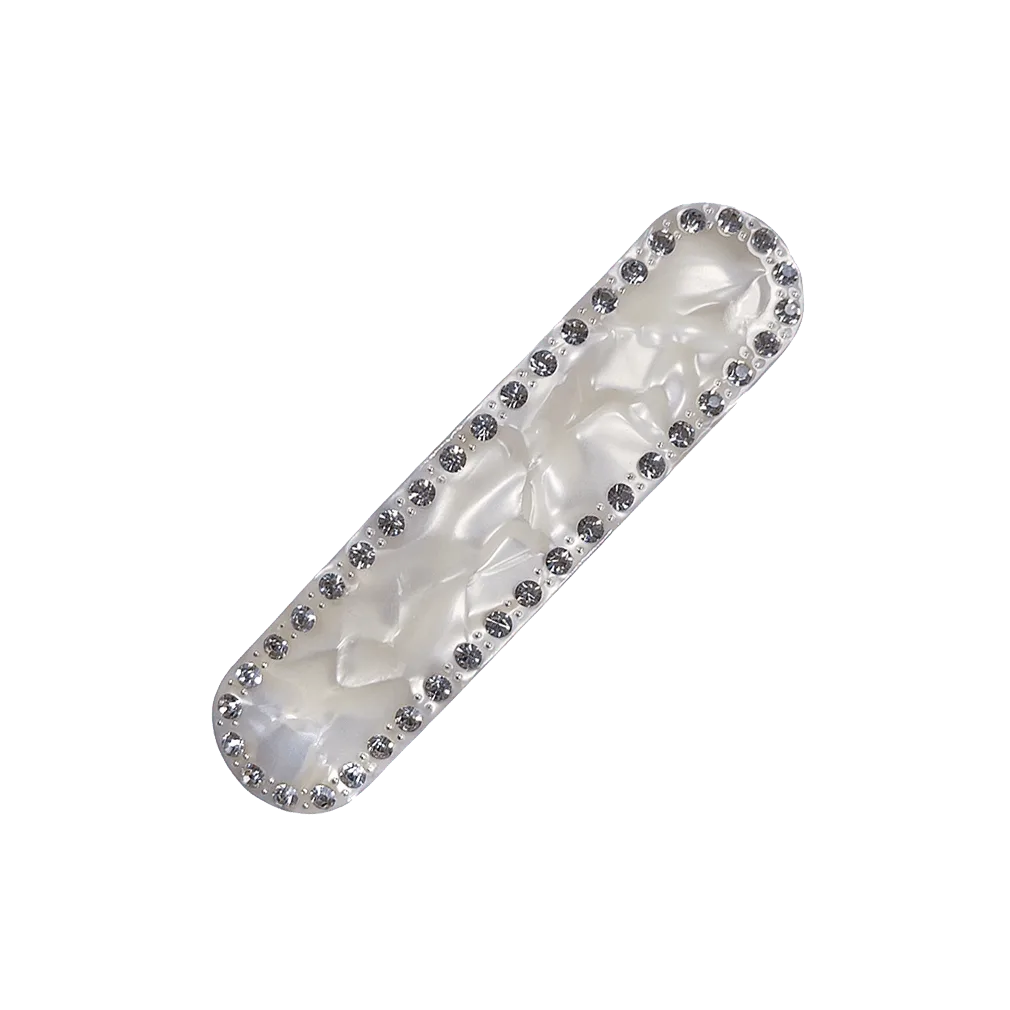
Durability is another factor. Cellulose acetate is generally more resistant to heat and humidity, meaning your clips are less likely to warp or lose their shape over time. For daily wear, this translates to a better grip and longer lifespan. If you're looking for a clip that combines style with sustainability, consider the HARI clip in Black Crystal, which features a sleek, high-shine cellulose acetate finish that stays put even in humid conditions. Ultimately, the choice between acetate and cellulose acetate comes down to your priorities: budget vs. eco-consciousness, and standard performance vs. premium longevity.
- Cellulose acetate offers superior heat and humidity resistance compared to standard acetate.
- Standard acetate is more affordable but may not be biodegradable.
Why Material Matters for Your Hair Health and Styling Routine
The material of your hair clip directly affects how it interacts with your hair. Smooth, well-polished acetate reduces friction, preventing snags and breakage. Cellulose acetate, with its refined surface, is especially gentle on fine or fragile hair. Additionally, the weight of the clip matters—lighter materials like cellulose acetate reduce tension on your strands, allowing for all-day comfort without pulling or slipping.
For those with thick or curly hair, a clip with a strong spring mechanism and a non-slip interior is essential. While both acetate and cellulose acetate can be molded into sturdy shapes, cellulose acetate's enhanced durability means it can withstand the pressure of holding larger sections of hair without cracking. When selecting a clip, always check the material specifications and opt for clips that prioritize both aesthetics and functionality.
- Smooth acetate surfaces minimize hair breakage and snagging.
- Lightweight cellulose acetate clips reduce tension on fine or delicate hair.
How to Care for Acetate and Cellulose Acetate Hair Clips
Proper care extends the life of your hair accessories regardless of the material. Avoid exposing acetate clips to extreme heat, such as hair dryers or curling irons, as this can cause warping or discoloration. Clean your clips gently with mild soap and water, then pat dry with a soft cloth. For cellulose acetate, you can also use a small amount of mineral oil to restore shine if the surface becomes dull over time.
Store your clips in a cool, dry place away from direct sunlight to prevent fading. Using a dedicated accessory box or pouch can prevent scratches and keep your clips looking new. By following these simple steps, your acetate or cellulose acetate clips will remain beautiful and functional for years to come.
- Keep clips away from direct heat and sunlight to prevent warping and fading.
- Clean with mild soap and water; avoid harsh chemicals that can damage the finish.
Choosing between acetate and cellulose acetate hair clips ultimately depends on your values—whether you prioritize cost, durability, or environmental impact. For a truly sustainable and long-lasting option, cellulose acetate is the clear winner. Explore our collection of eco-friendly hair accessories, including the stunning LORA clip in Pink Lime, and find the perfect clip that aligns with your style and ethics.