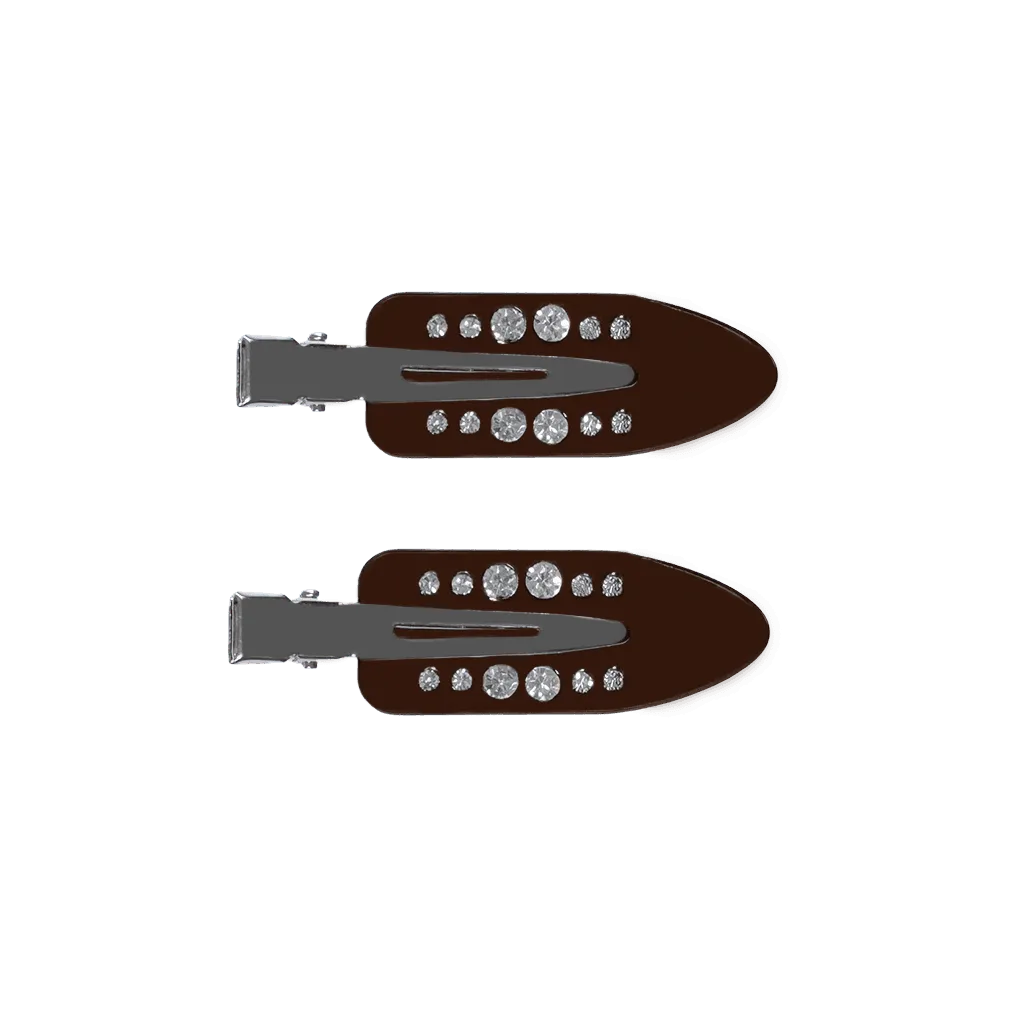
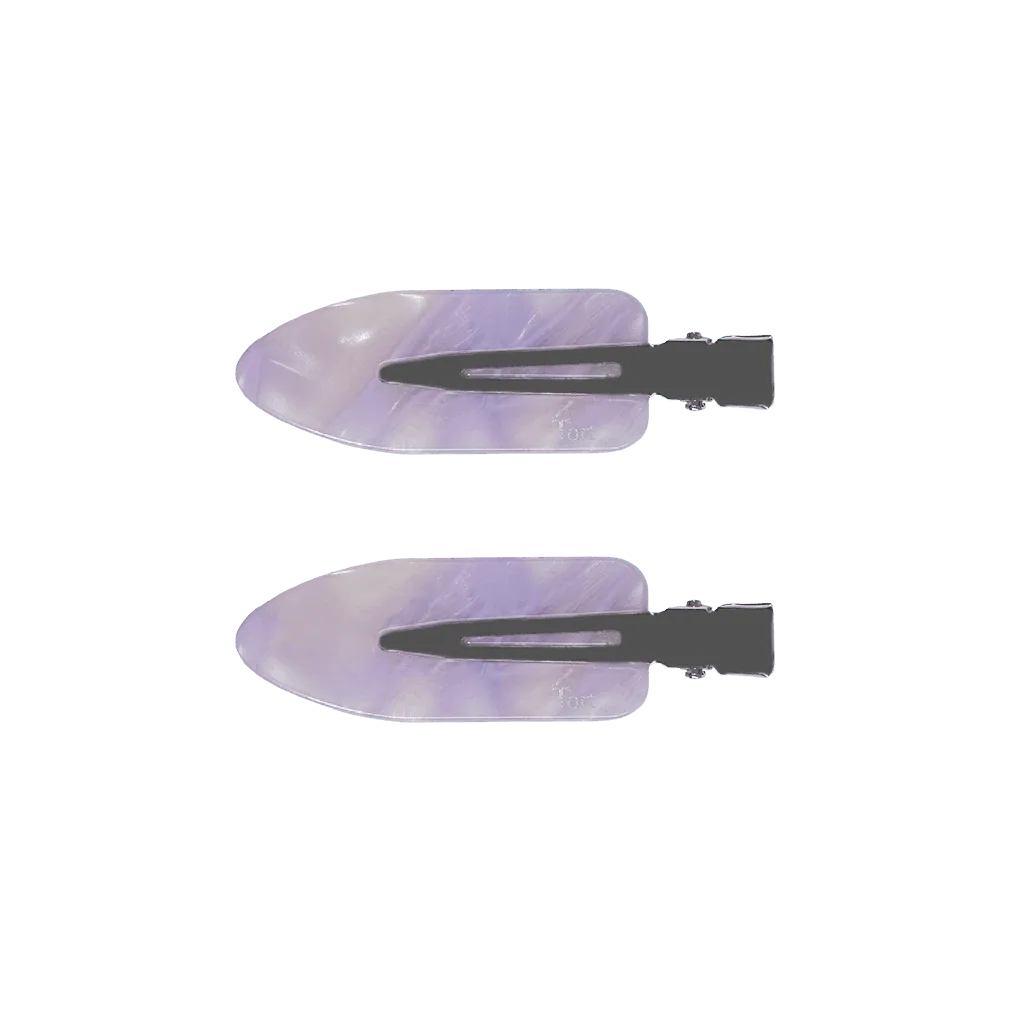
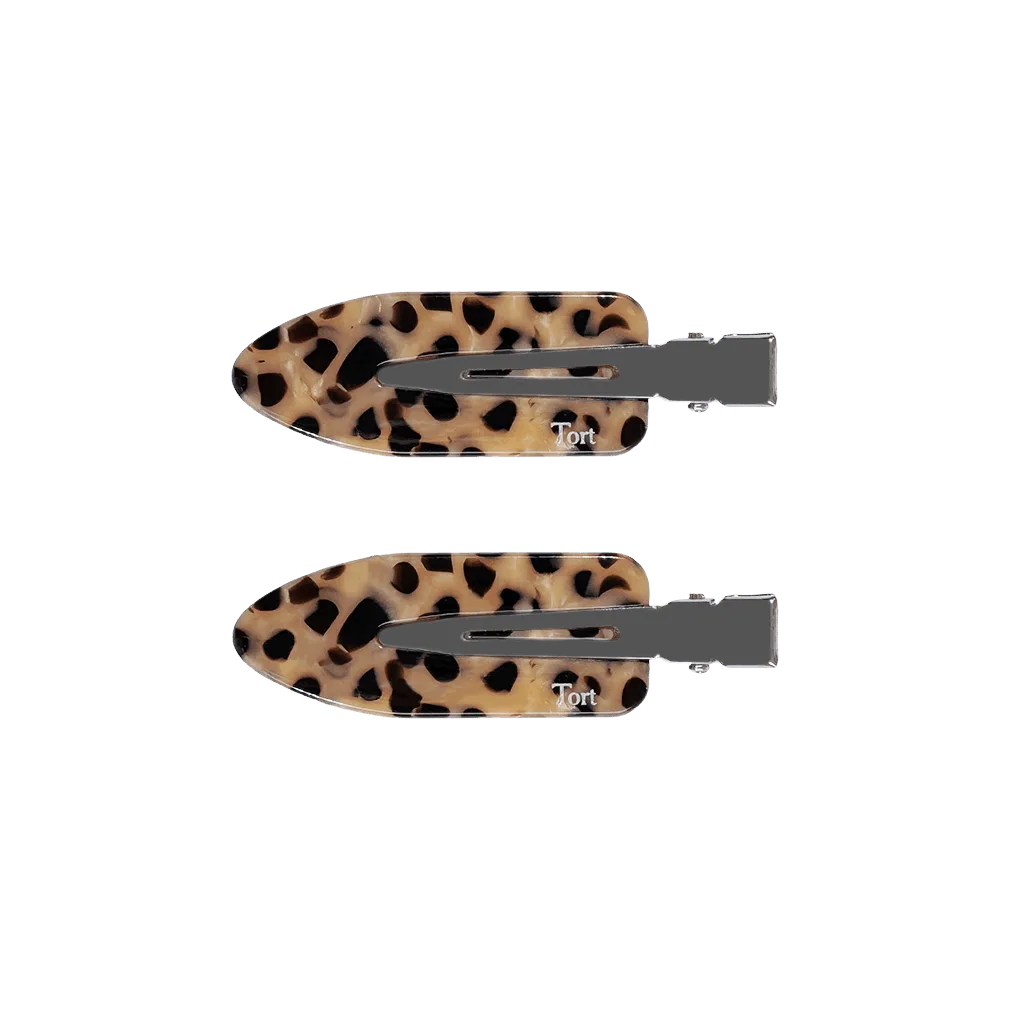
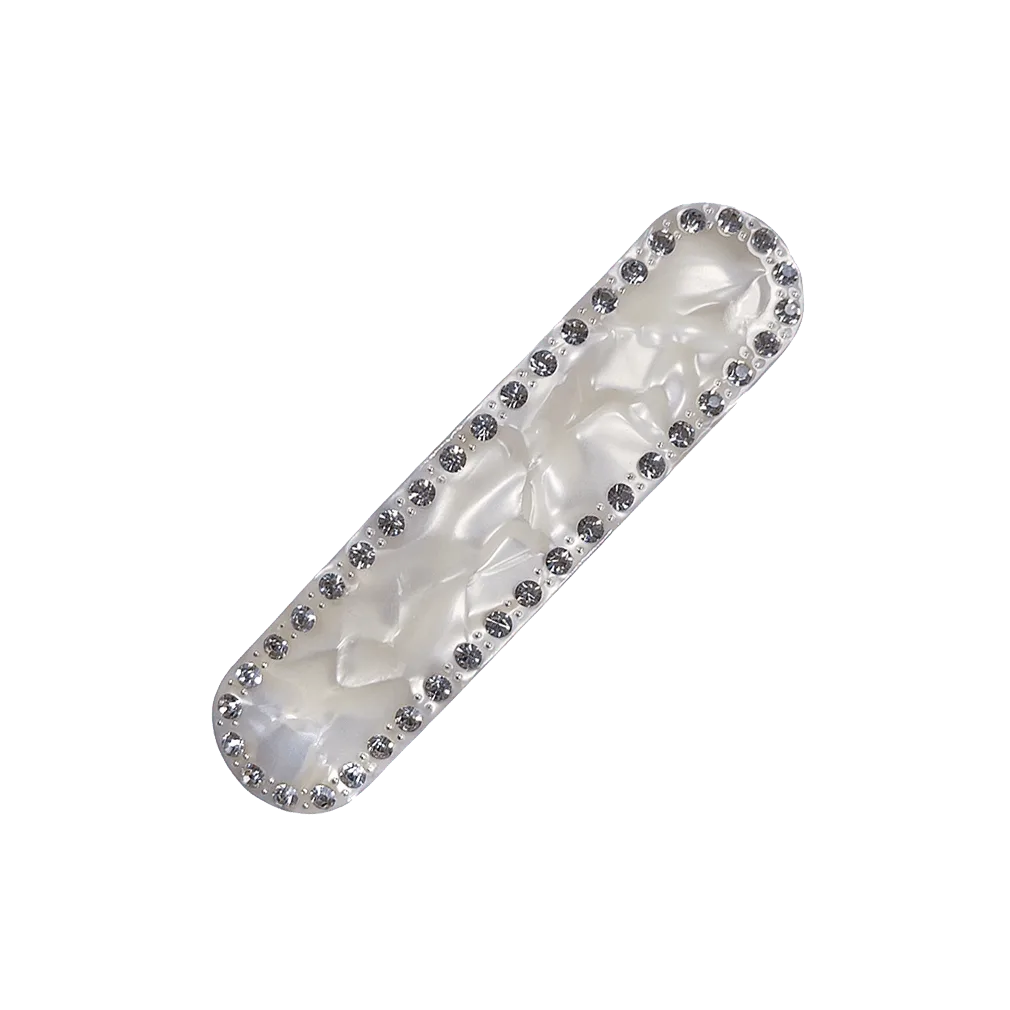
When shopping for hair accessories, the material matters as much as the design. Two popular options—acetate and resin—often leave buyers wondering which is better for durability and the environment. Acetate, derived from natural cellulose, is praised for its biodegradability and rich patterns, while resin, a synthetic polymer, offers strength and affordability. Understanding their differences can help you make a choice that aligns with your values and hair care needs.
In this article, we break down the key factors: longevity, eco-friendliness, comfort, and aesthetic versatility. Whether you’re looking for a statement clip or an everyday comb, knowing the pros and cons of each material will guide you toward the perfect accessory. We’ll also highlight some standout pieces from Tort Hair Accessories that showcase the best of both worlds.
What Is Acetate? A Natural, Eco-Friendly Choice
Acetate is a semi-synthetic material made from cellulose derived from wood pulp or cotton fibers. It is known for its lightweight feel, glossy finish, and ability to mimic tortoiseshell, marble, and other natural patterns. Because it is plant-based, acetate is biodegradable under the right conditions, making it a popular option for eco-conscious consumers. Acetate hair clips are also gentle on hair, reducing breakage and static.
The production process of acetate involves fewer petrochemicals than resin, and many manufacturers now use renewable energy sources. However, acetate can be more brittle than resin, so it requires careful handling. Brands like Tort Hair Accessories use high-quality acetate to ensure durability without sacrificing environmental integrity. For a classic, sustainable look, the JOAN clip in Cherry Blossom features a beautiful acetate finish that is both stylish and kind to the planet.
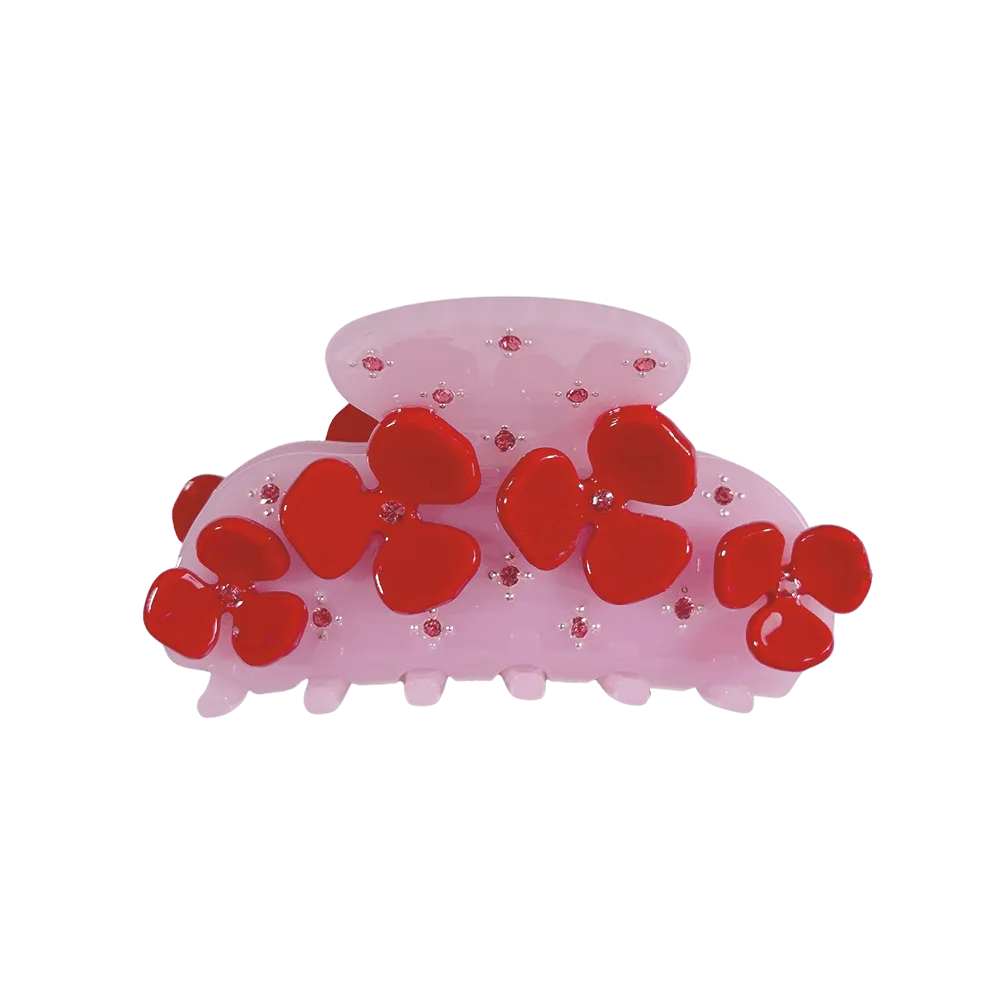
JOAN clip in Cherry Blossom
- Biodegradable and plant-based
- Lightweight and comfortable for all-day wear
- Rich, natural patterns that don’t fade
What Is Resin? Durability and Versatility
Resin is a synthetic polymer, often made from petroleum-based compounds, that hardens into a durable, glossy material. It is highly resistant to impact, heat, and moisture, making it ideal for long-lasting hair accessories. Resin clips can hold thicker hair securely and are less likely to snap if dropped. They also come in a wide range of colors and finishes, from translucent to opaque.
The main drawback of resin is its environmental impact. It is not biodegradable and can release microplastics as it degrades. However, many brands now use recycled resin or bio-based alternatives to reduce waste. For those who prioritize strength and affordability, resin remains a solid choice. The CORA clip in Floral Crystal Tortoiseshell combines resin’s durability with a stunning crystal-like pattern that catches the light beautifully.

CORA clip in Floral Crystal Tortoiseshell
- Extremely durable and shatter-resistant
- Heat and moisture resistant for active lifestyles
- Wide color variety, but not biodegradable
Durability Comparison: Which Lasts Longer?
When it comes to daily wear and tear, resin generally outperforms acetate in terms of impact resistance. Resin clips can withstand accidental drops and rough handling, making them a good choice for busy individuals or those with thick, heavy hair. Acetate, while sturdy, is more prone to cracking if bent too far or exposed to extreme temperatures. That said, high-quality acetate from reputable brands can last for years with proper care.
Both materials are resistant to fading from UV light, though prolonged sun exposure can slightly yellow some acetates. To maximize longevity, store your clips in a cool, dry place and avoid soaking them in water. For a balance of durability and style, the LUCY Comb in Mosaic Glow offers a robust acetate construction that holds up well in everyday use while adding a touch of iridescent elegance.
- Resin wins in impact resistance; acetate wins in biodegradability
- Both resist fading, but acetate may yellow in direct sunlight
- Proper storage extends the life of both materials
Eco-Friendliness: Acetate Takes the Lead
For environmentally conscious shoppers, acetate is the clear winner. Its plant-based origins and biodegradability mean it has a lower carbon footprint than resin. Acetate production also consumes less energy and generates fewer harmful byproducts. Some acetate products are even certified compostable in industrial facilities, though home composting may not break them down completely.
Resin, on the other hand, relies on fossil fuels and contributes to plastic pollution if not recycled. However, the industry is evolving, with some brands using recycled resin or plant-based resins. Tort Hair Accessories is committed to sustainability, offering a range of eco-friendly options. The JOAN Bébé clip in Jewelled Pastel Marble is a perfect example of how acetate can be both luxurious and environmentally responsible.
- Acetate is biodegradable; resin is not
- Acetate production uses renewable resources
- Look for recycled resin options if you prefer resin
Style and Comfort: Aesthetic Appeal Meets Function
Both acetate and resin offer stunning visual possibilities. Acetate is prized for its unique, organic swirls and depth, often resembling natural materials like tortoiseshell or marble. Resin can achieve vivid, uniform colors and transparent effects that acetate cannot. In terms of comfort, acetate is lighter and less likely to cause pressure points, while resin can be slightly heavier but provides a more secure grip.
Your choice ultimately depends on your hair type and personal style. For fine hair, lightweight acetate clips work best to avoid pulling. For thick or curly hair, resin’s strong hold is advantageous. The AYYO clip in Crocodile Mosaic combines the best of both materials with a design that offers both pattern and durability, making it a versatile addition to any collection.
- Acetate: organic patterns, lightweight, gentle on hair
- Resin: vibrant colors, heavy-duty hold, more uniform finish
- Match material to your hair type for best results
Choosing between acetate and resin hair clips comes down to your priorities: if you value eco-friendliness and natural aesthetics, acetate is the way to go; if you need maximum durability and vivid colors, resin is a reliable option. Tort Hair Accessories offers beautiful pieces in both materials, so you don't have to compromise. Explore the JOAN clip in Tortoiseshell Blush to see how acetate can elevate your hair game while supporting a greener planet.