Choosing the perfect hair clip often comes down to more than just color or pattern. The material plays a huge role in how the clip feels in your hair, how long it lasts, and how it complements your overall look. Two of the most popular materials for modern hair accessories are acetate and resin, but they offer very different experiences. Whether you’re a clip collector or just looking for a durable everyday piece, understanding the differences can help you make a smarter purchase.
In this article, we’ll break down the key factors: durability, weight, and finish. We’ll also highlight some of our favorite styles from Tort Hair Accessories that showcase the best of each material. By the end, you’ll know exactly which type of clip fits your hair needs and personal aesthetic.
What Is Acetate? A Sustainable, Flexible Material
Acetate is a plant-based plastic derived from cotton or wood pulp. It’s known for being lightweight, flexible, and biodegradable, making it a favorite among eco-conscious fashion lovers. Acetate hair clips have a natural, warm translucency that mimics the look of tortoiseshell but can be produced in countless colors and patterns. Because acetate is slightly pliable, it can gently grip hair without snapping or causing breakage, which is ideal for fine or delicate hair types.
One of the standout features of acetate is its ability to be polished to a high gloss. Many acetate clips, like the TOTO clip in Multi Marble, showcase a smooth, glossy finish that catches the light beautifully. The material also holds dye well, allowing for intricate marbled or speckled patterns that are unique to each piece. While acetate is durable, it can be prone to scratching if not handled carefully, but a simple polish can restore its shine.
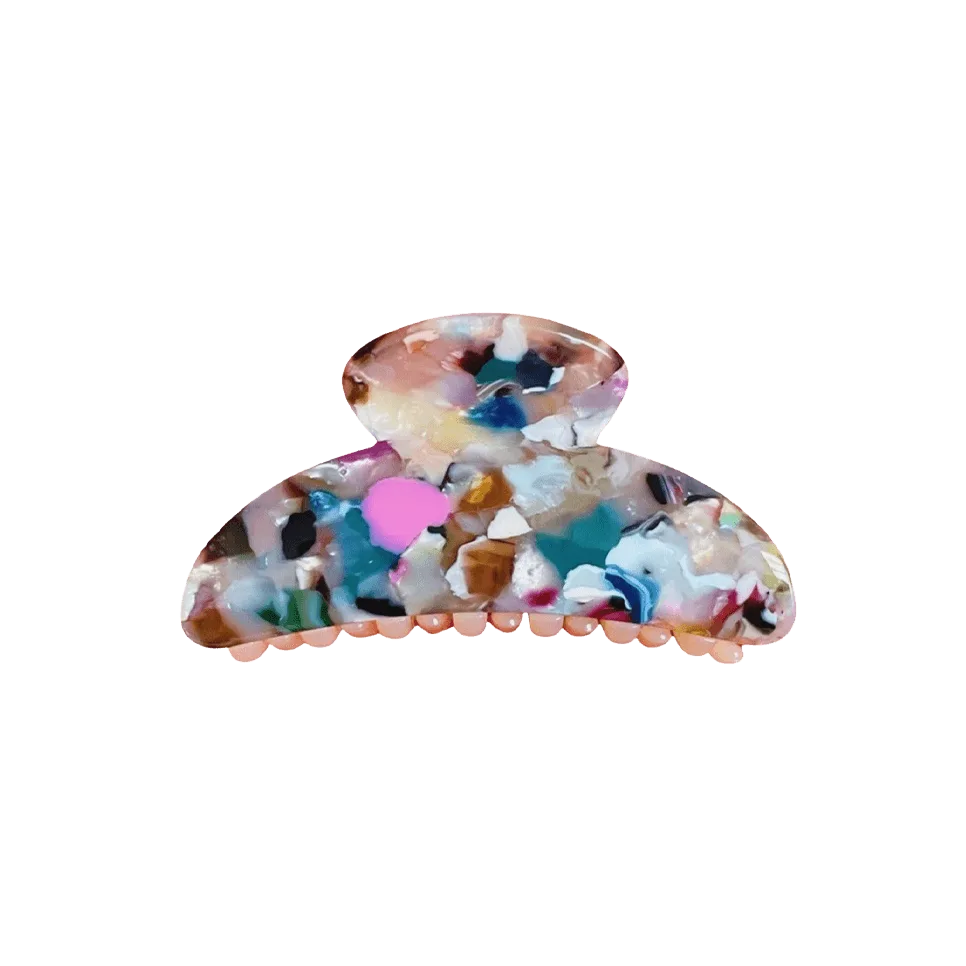
TOTO clip in Multi Marble
- Plant-based and biodegradable — a sustainable choice
- Lightweight and flexible, gentle on hair
- High-gloss finish with rich, marbled colors
What Is Resin? Tough, Heavy-Duty, and High-Shine
Resin is a synthetic polymer that is typically harder and more rigid than acetate. It’s often used for statement hair clips that need to hold thick or heavy hair securely. Resin clips tend to be heavier and have a solid, almost glass-like feel. They are extremely durable and resistant to cracking or warping, making them a long-lasting option for daily use. Resin can also be molded into more intricate shapes and often features a mirror-like finish that rivals polished gemstones.
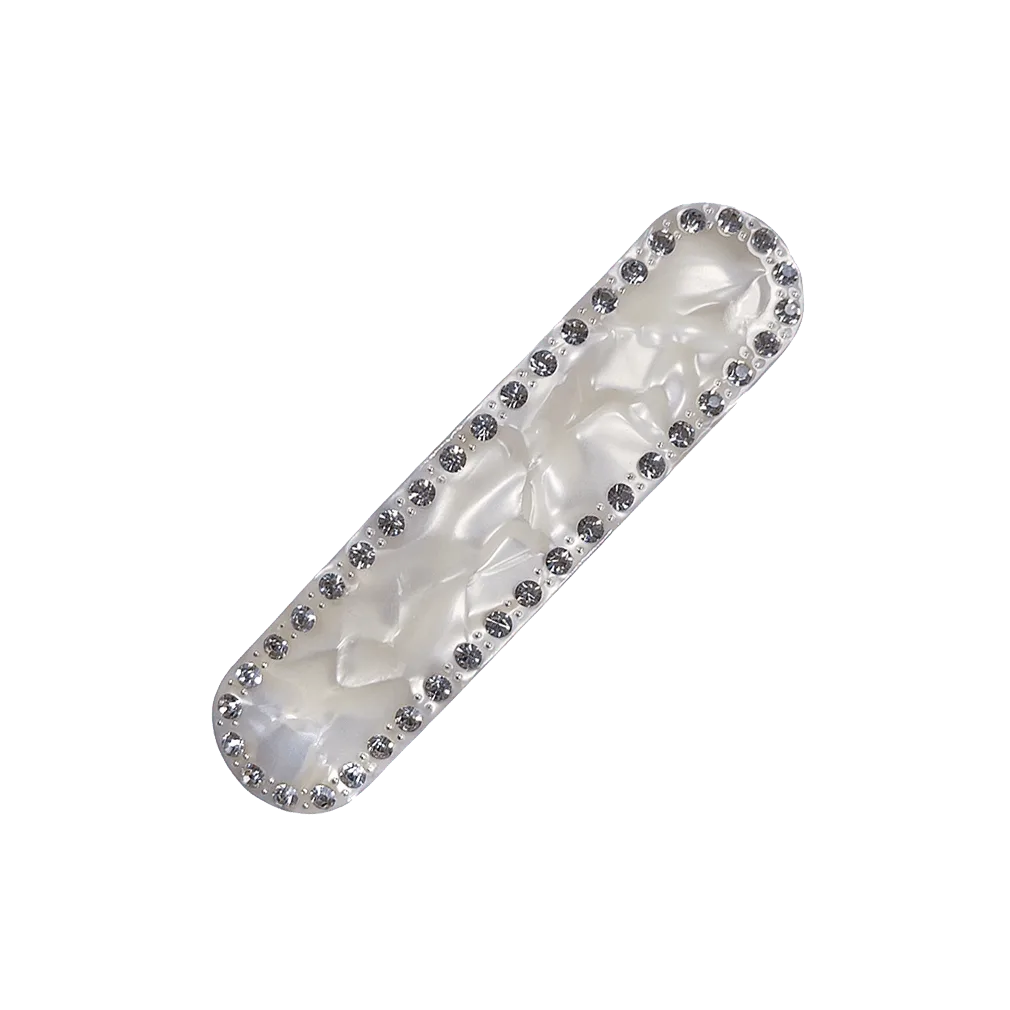
For those who love bold, colorful designs, resin offers vibrant, opaque shades that don’t fade over time. The CORA clip in Floral Crystal Tortoiseshell is a perfect example of resin’s ability to combine a clear base with embedded floral details, creating a dimensional, jewelry-like look. However, because resin is less flexible, it can be less forgiving on fine hair and may slip if not designed with teeth or grips. It’s best suited for medium to thick hair types that need extra holding power.

CORA clip in Floral Crystal Tortoiseshell
- Hard, rigid structure — excellent for thick or heavy hair
- High-gloss, glass-like finish with vivid colors
- Extremely durable and resistant to wear
Durability: Which Material Lasts Longer?
When it comes to durability, resin generally has the edge. Resin clips are tough, impact-resistant, and less likely to crack if dropped. They also resist fading from sunlight and can withstand daily wear without losing their shape. Acetate, while still durable, is softer and more prone to surface scratches. However, acetate clips can be buffed and polished to remove light marks, extending their lifespan. If you’re looking for a clip that will survive years of heavy use, resin is the more robust choice.
That said, acetate’s flexibility actually helps it last longer in terms of hair health. Because acetate clips bend slightly under pressure, they are less likely to snap hair or cause stress fractures in the clip itself. Resin clips, being rigid, can sometimes break at the hinge if overstressed. For everyday, gentle wear, acetate offers a good balance of longevity and hair safety. For occasional statement pieces or heavy updos, resin is the champion of durability.
- Resin: tough, impact-resistant, fade-resistant — best for long-term heavy use
- Acetate: softer, scratch-prone but polishable — gentle on hair and hinge-friendly
Weight and Comfort: Light vs. Substantial
Weight is a critical factor for all-day wear. Acetate clips are noticeably lighter than resin, making them ideal for thin or fine hair that can be weighed down. A lightweight clip like the LORA Bébé clip in Cherry Drops stays put without pulling or causing tension headaches. Acetate’s lightness also makes it perfect for small, delicate styles like half-up looks or securing baby hairs.
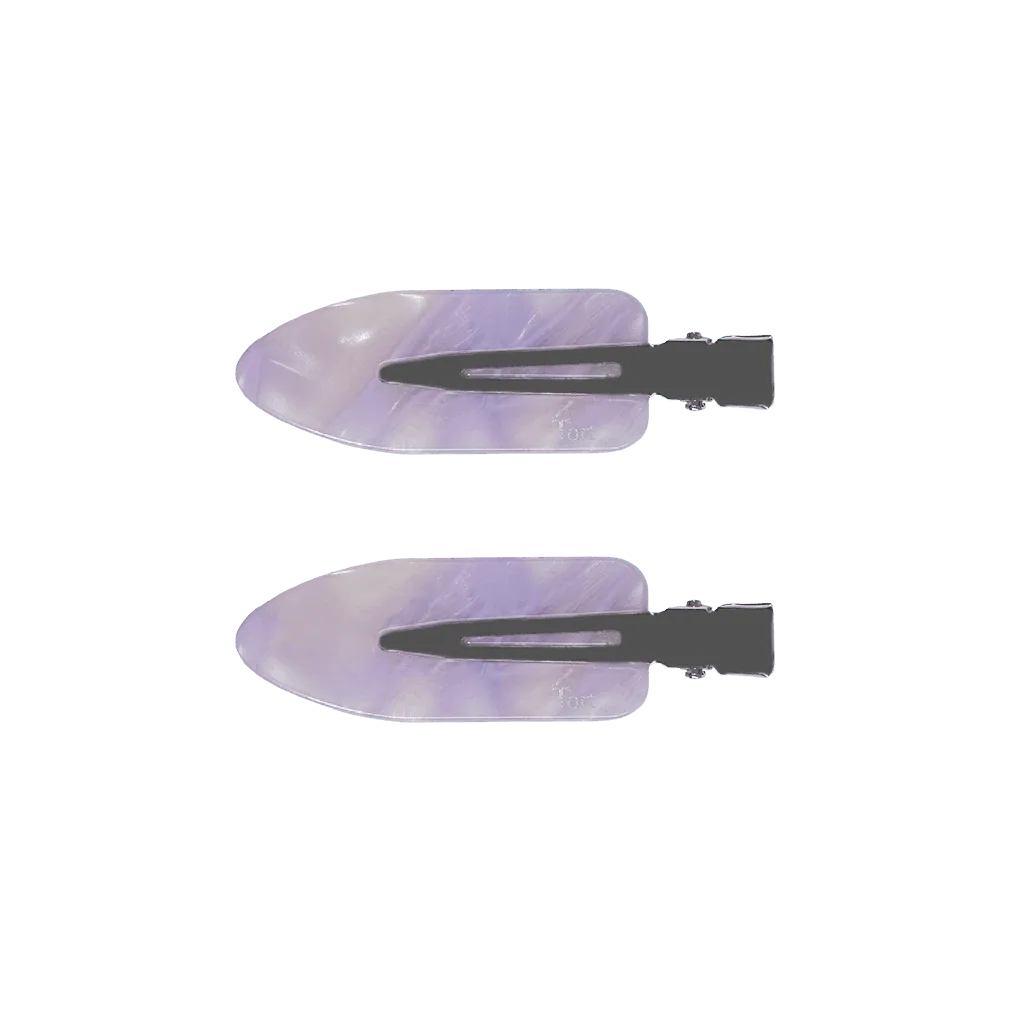
Resin clips, on the other hand, have a satisfying heft that signals quality. While they are heavier, that weight can actually help them stay anchored in thick, long hair. The JOAN clip in Lavender Lemonade, for example, uses resin’s density to hold voluminous buns and twists securely. For those with fine hair, the extra weight of resin might cause the clip to slide out or feel uncomfortable over time. Always consider your hair’s thickness and the duration you plan to wear the clip.
- Acetate: featherlight — best for fine hair and all-day comfort
- Resin: substantial weight — ideal for thick hair and secure hold
Finish and Aesthetic: Gloss, Texture, and Pattern
Both acetate and resin can achieve a high-gloss finish, but the visual effect differs. Acetate’s gloss is warm and organic, often with subtle depth from layered colors. Patterns like tortoiseshell or marble look soft and natural, as seen in the TOTO clip in Multi Marble. Acetate also accepts matte finishes for a more understated, modern look. The material’s translucency allows light to pass through, giving clips a luminous, gem-like quality.
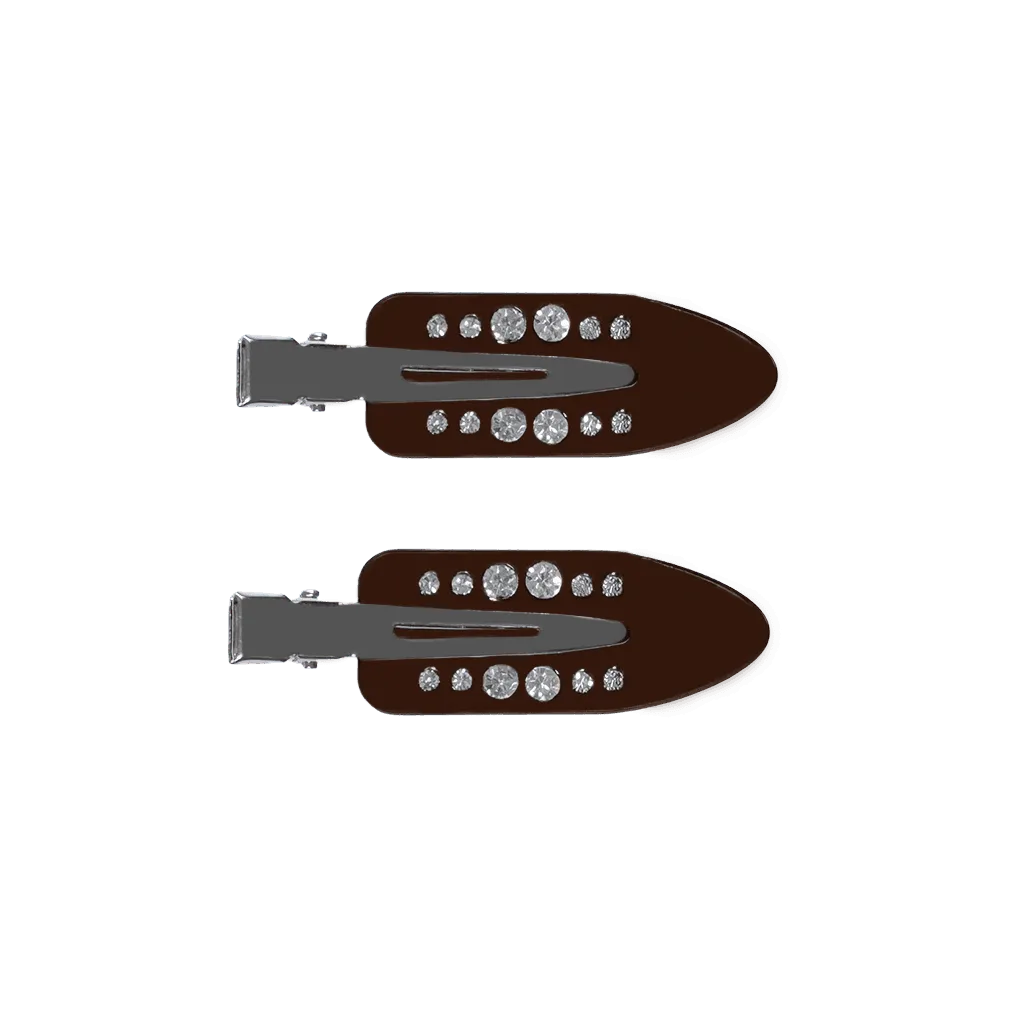
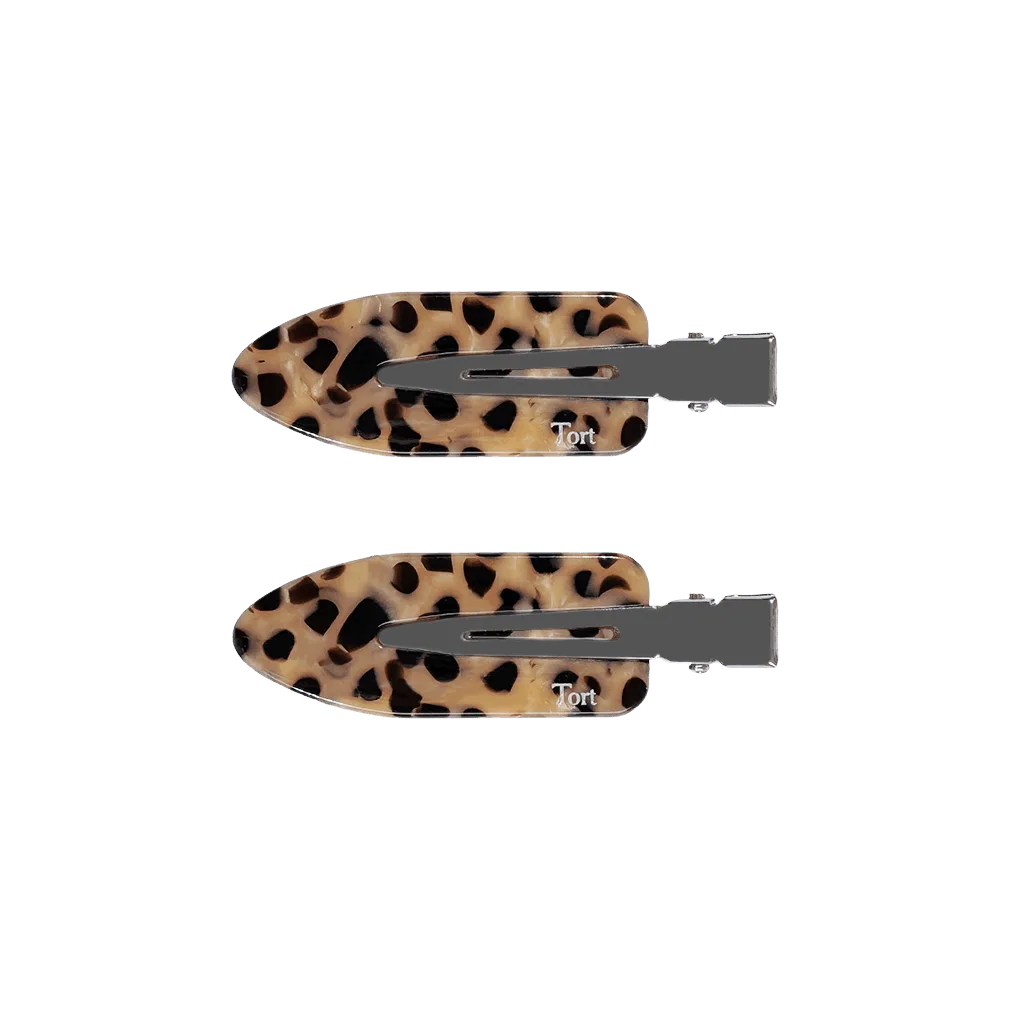
Resin finishes are typically ultra-glossy and reflective, resembling polished glass or ceramic. This makes resin clips pop with vibrant, opaque colors and crisp patterns. The JOAN Bébé clip in Jewelled Lime Cheetah uses resin’s clarity to make the cheetah spots appear embedded, like a miniature piece of art. Resin can also be textured with facets or ridges for added grip. If you want a clip that doubles as a bold accessory, resin’s high-shine finish is hard to beat.
- Acetate: warm, translucent, natural patterns — soft gloss or matte options
- Resin: mirror-like shine, opaque colors, dimensional patterns — statement-worthy
Which Material Is Right for Your Hair Type?
Your hair type and styling needs should guide your choice. Fine, thin, or delicate hair benefits from acetate’s lightweight, flexible grip. Acetate clips like the LORA Bébé clip in Cherry Drops are gentle and won’t pull or dent hair. For medium to thick hair, resin provides the strength and weight needed to hold styles securely. The JOAN clip in Lavender Lemonade is a great resin option for thick hair that needs a firm hold.
If you have curly or textured hair, acetate’s flexibility can adapt to your hair’s shape without snagging. Resin’s smooth surface also works well, but look for clips with teeth or ridges to prevent slipping. For those who switch between casual and formal looks, owning a mix of both materials gives you versatility. Ultimately, both acetate and resin offer beautiful, durable options — it’s all about matching the material to your hair’s unique needs.
- Fine hair → acetate (lightweight, gentle)
- Thick hair → resin (strong hold, substantial)
- Curly/textured hair → acetate for flexibility, resin with grip
Whether you lean toward the eco-friendly lightness of acetate or the bold durability of resin, Tort Hair Accessories has a stunning selection to suit every preference. Explore our full range of acetate and resin clips to find your perfect match — from the playful TOTO clip in Multi Marble to the eye-catching JOAN clip in Lavender Lemonade. Your hair deserves the best material for its unique texture and style.