Quick Recommendation
For healthier nails, choose an acid‑free primer. It minimizes irritation while still delivering strong adhesion, making it the safest standard for both professionals and home users.
Acid‑free primers have surged in popularity this year as nail technicians and DIY enthusiasts seek gentler alternatives that still provide reliable bond strength. Their formulation avoids harsh acids that can thin the natural nail plate, reducing sensitivity and long‑term damage.
This guide breaks down the core benefits, what to look for when selecting a primer, and how complementary tools can enhance your overall nail health routine.
Why Acid‑Free Primers Matter
Traditional primers often contain strong acids that etch the nail surface to improve adhesion. While effective, they can also cause dryness, thinning, and allergic reactions, especially for clients with fragile or compromised nails. Acid‑free primers achieve a similar bond by using milder bonding agents, preserving the nail’s natural moisture balance.
In 2026, industry research highlights a clear trend toward safer formulations. Nail professionals report fewer client complaints about post‑service sensitivity, and home users notice longer‑lasting comfort without sacrificing durability.
- Reduced risk of nail plate thinning
- Lower incidence of allergic reactions
- Compatible with both acrylic and gel systems
Key Criteria for Selecting an Acid‑Free Primer
Not all acid‑free primers are created equal. Start by checking the pH level; a neutral or slightly alkaline pH (around 7‑8) indicates a truly acid‑free formula. Next, review the ingredient list for common irritants such as formaldehyde or toluene—these should be absent. Finally, consider viscosity: a thinner primer spreads easily for detailed work, while a slightly thicker one can be advantageous for quick, high‑volume applications.
- Neutral pH (7‑8) for true acid‑free status
- Free from formaldehyde, toluene, and harsh acids
- Viscosity matched to your application technique
Decision Rules for Choosing Acid‑Free Primers
- Check pH Level: Select primers with a neutral or slightly alkaline pH (7‑8) to confirm they are truly acid‑free. Avoid products that list a low pH; they likely contain acidic agents.
- Verify Ingredient Safety: Ensure the formula is free from formaldehyde, toluene, and harsh acids. Safer ingredients reduce irritation and long‑term nail damage.
- Match Viscosity to Technique: Choose a thinner primer for detailed nail art and a slightly thicker one for quick, high‑volume work. Proper viscosity improves coverage and consistency.
Products That Complement Acid‑Free Primer Use
- https://2guysnailihb.com/products/premium-mini-mandrel-bit-green-7d4af7601f5a4a959bf56ad9-2484194Premium Mini Mandrel Bit (Green): The Premium Mini Mandrel Bit in green offers a precise 3.1 mm diameter for detailed nail work. A precise 3.1 mm hole ensures accurate nail prep without over‑drilling, supporting gentle primer application and maintaining nail plate integrity.
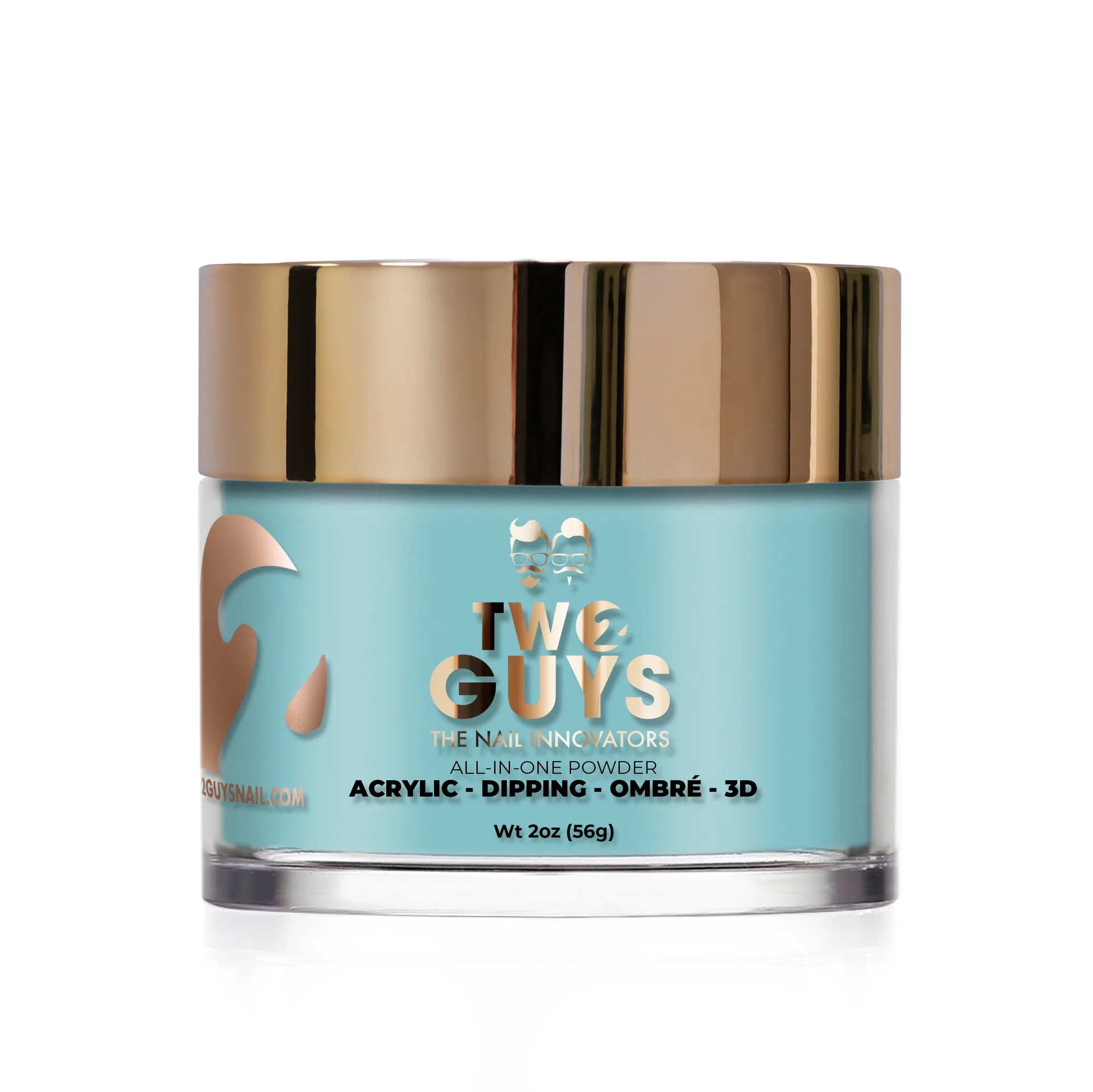
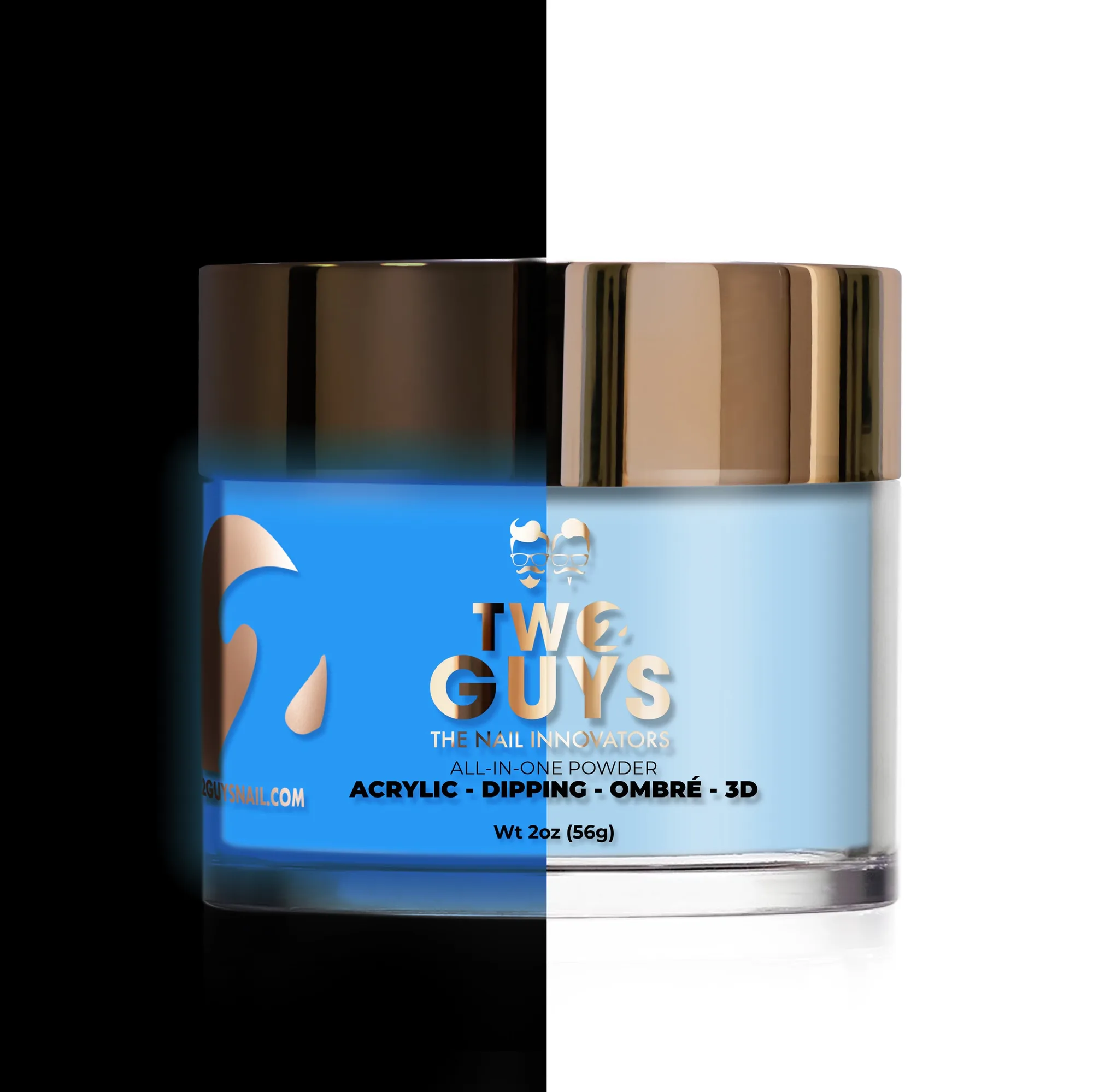
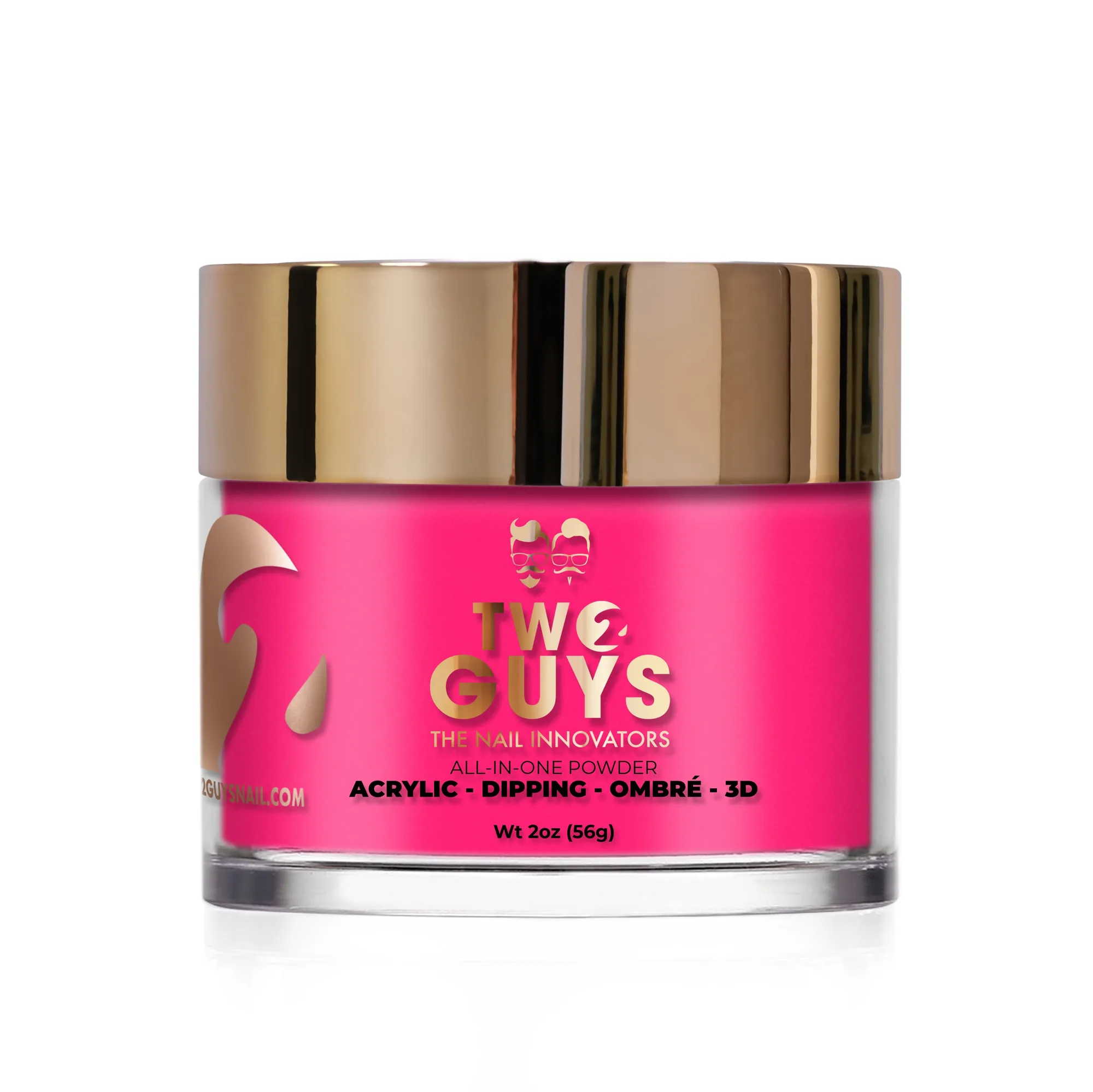
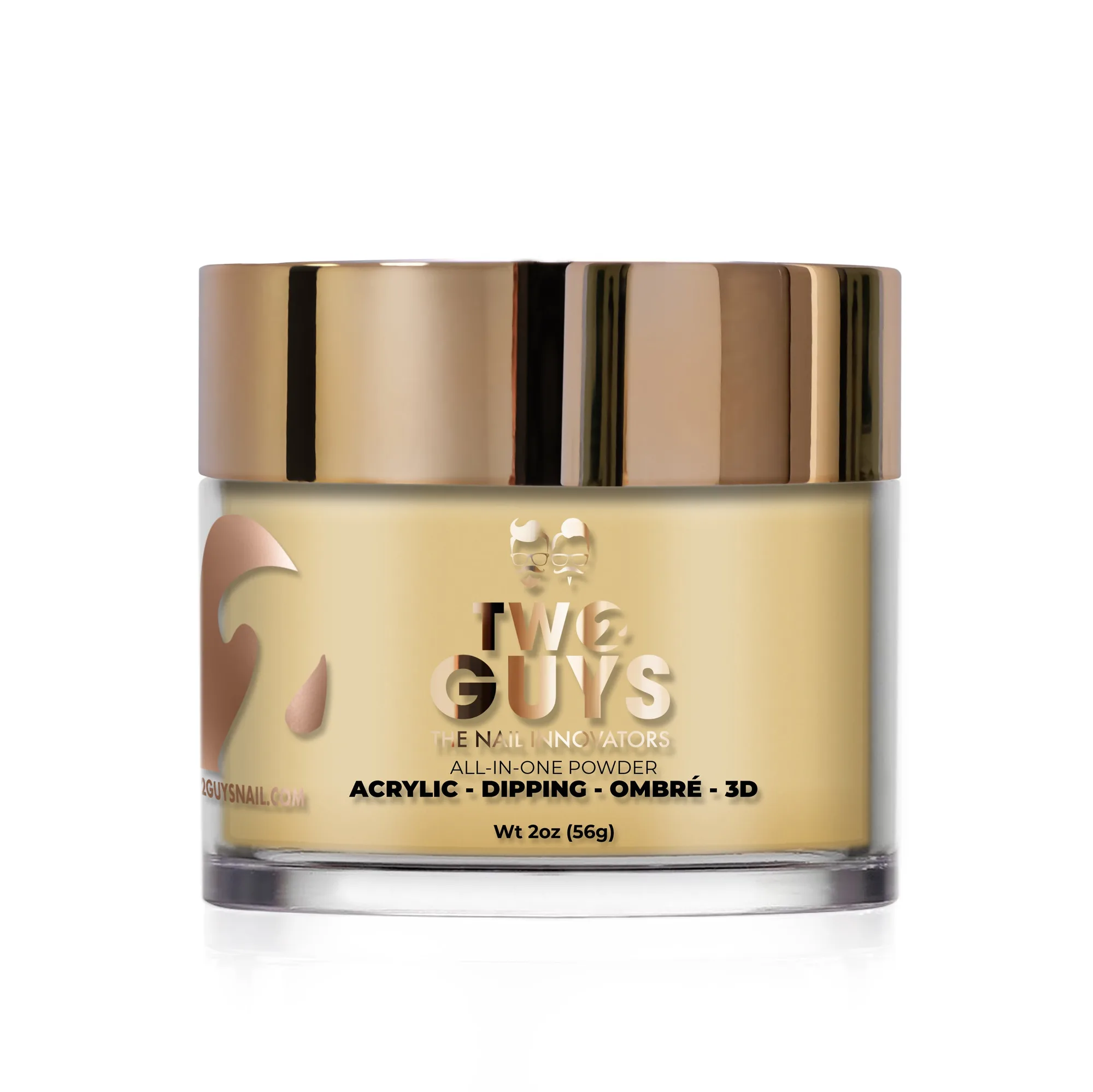
- A93 Life is short, dream big - 2Guys Acrylic Powder: Our 2‑in‑1 Acrylic Powder System works for dipping and sculpting, providing vibrant colors, strong adhesive, medium setting time and fine texture for smooth, bubble‑free surfaces. When paired with an acid‑free primer, this acrylic system delivers a durable, healthy‑looking extension because the primer’s mild bond complements the powder’s strong adhesion.
Who Should Use Acid‑Free Primers?
Best for
- Professionals seeking reduced nail plate irritation
- Clients with sensitive, thin, or damaged natural nails
Not ideal for
- High‑volume salons needing ultra‑rapid hardening
- Users who rely on traditional acidic primers for specific adhesion challenges
Choosing an acid‑free primer aligns with the 2026 push toward healthier nail practices. By evaluating pH, ingredient safety, and viscosity, you can select a product that protects the nail plate while delivering reliable performance.