Acne blemishes can be frustrating, and with so many serums on the market, it's easy to feel overwhelmed. Two of the most popular ingredients for treating breakouts are niacinamide and salicylic acid. Both are effective, but they work in very different ways. Understanding these differences is key to choosing the right acne serum for your skin.
In this comparison, we'll break down how niacinamide and salicylic acid tackle acne blemishes, their benefits, potential side effects, and how to incorporate them into your routine. By the end, you'll know exactly which blemish treatment serum deserves a spot on your shelf.
What Is Niacinamide and How Does It Help Acne?
Niacinamide, also known as vitamin B3, is a water-soluble vitamin that offers a multitude of skin benefits. When it comes to acne, niacinamide works by reducing inflammation and regulating sebum production. Excess oil is a primary contributor to clogged pores, so controlling it can help prevent new blemishes from forming.
Niacinamide also strengthens the skin barrier, which is often compromised in acne-prone skin. A healthy barrier helps retain moisture and keeps irritants out, reducing redness and promoting a calmer complexion. Additionally, niacinamide has been shown to fade post-acne marks and hyperpigmentation, making it a great choice for those dealing with leftover spots.
- Reduces inflammation and redness associated with acne
- Regulates sebum production to prevent clogged pores
- Fades post-acne hyperpigmentation and evens skin tone
What Is Salicylic Acid and How Does It Work on Blemishes?
Salicylic acid is a beta hydroxy acid (BHA) that is oil-soluble, allowing it to penetrate deep into the pores. Once inside, it dissolves the debris and excess oil that cause blackheads and whiteheads. This makes it an excellent choice for treating existing blemishes and preventing future ones.
Salicylic acid also has mild exfoliating properties, helping to shed dead skin cells that can trap bacteria and oil. By keeping pores clear, it reduces the frequency and severity of breakouts. It's particularly effective for those with oily or combination skin, as it helps mattify the skin and refine the appearance of pores.
- Penetrates pores to dissolve oil and debris
- Exfoliates dead skin cells, preventing clogs
- Ideal for blackheads, whiteheads, and oily skin
Key Differences at a Glance
While both ingredients target acne, their mechanisms and best-use cases differ significantly. Niacinamide is a multi-tasking ingredient that soothes and strengthens, while salicylic acid is a targeted exfoliant that clears pores. Here's a quick comparison to help you decide which is right for your skin.
If you have sensitive or dry skin, niacinamide is generally gentler and less likely to cause irritation. Salicylic acid can be drying, especially if overused, so it's better suited for oily, non-sensitive skin. For those with both acne and signs of aging, niacinamide offers additional benefits like improving elasticity and reducing fine lines.
- Niacinamide: anti-inflammatory, sebum control, barrier support, fades marks
- Salicylic acid: exfoliating, pore-clearing, oil-dissolving, prevents blackheads
- Best for sensitive/dry skin: niacinamide; best for oily/combination: salicylic acid
How to Choose the Right Acne Serum for Your Skin
Choosing between niacinamide and salicylic acid depends on your skin type, the severity of your acne, and your overall skincare goals. If you're dealing with inflamed, red blemishes and want to reduce redness while fading marks, a niacinamide serum is a smart choice. If your main concern is blackheads, whiteheads, and clogged pores, salicylic acid will be more effective.
You can also combine both ingredients in your routine, using one in the morning and the other at night. However, it's essential to introduce them gradually to avoid irritation. Start with a low concentration and apply a moisturizer afterward to maintain hydration. Always patch test before applying any new serum to your face.
- For inflamed acne and post-acne marks: choose niacinamide
- For blackheads and oily skin: choose salicylic acid
- Consider your skin type: sensitive/dry vs. oily/combination
Product Recommendations for Your Acne Routine
If you're leaning toward niacinamide, look for a serum that combines it with other soothing ingredients. For a comprehensive approach, you might also consider a vitamin C serum to brighten and even out skin tone, as vitamin C complements niacinamide well. For example, the Vitamin C Facial Day Cream offers antioxidant protection and can be used in the morning alongside your blemish treatment.
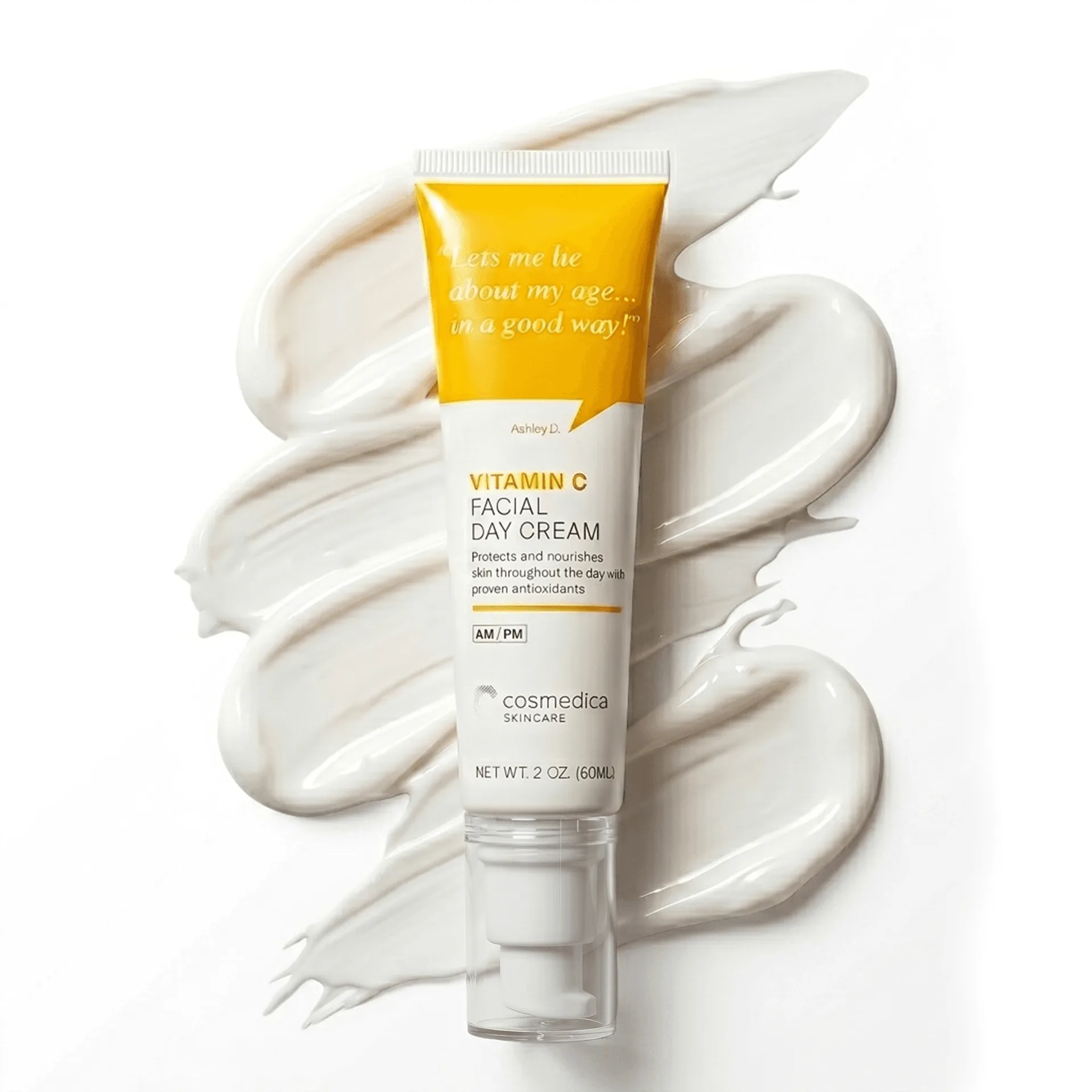
Vitamin C Facial Day Cream
On the other hand, if salicylic acid is your pick, you might want to incorporate a toner that contains salicylic acid to help keep pores clear. The Hydrate & Tone Rosewater Witch Hazel Face Toner is a gentle option that tones and refreshes while helping to balance oil. It's a great addition to any acne-fighting routine.
- Niacinamide serums can be paired with hydrating ingredients like hyaluronic acid
- Salicylic acid works well with a gentle toner to keep pores clear
- Always follow with a moisturizer to prevent dryness
Both niacinamide and salicylic acid are effective acne-fighting ingredients, but they serve different purposes. Niacinamide is your go-to for reducing inflammation and fading marks, while salicylic acid excels at unclogging pores and preventing blackheads. Assess your skin's needs and choose the serum that aligns with your goals. For a complete blemish-fighting routine, consider pairing your chosen serum with a gentle cleanser and moisturizer. Explore our range of acne-friendly products to find your perfect match.