Quick Answer
For painting full press-on sets and photographing finished nails, a single epoxy-backed nail stand like Lele ~ 1 Single Nail Stand ~ Epoxy on 1 side is the more stable, camera-friendly choice. Traditional holders still work fine for quick one-nail touch-ups where you need to reposition constantly. Buy stands in multiples if you paint sets; buy a holder if you mostly work on your own hands.
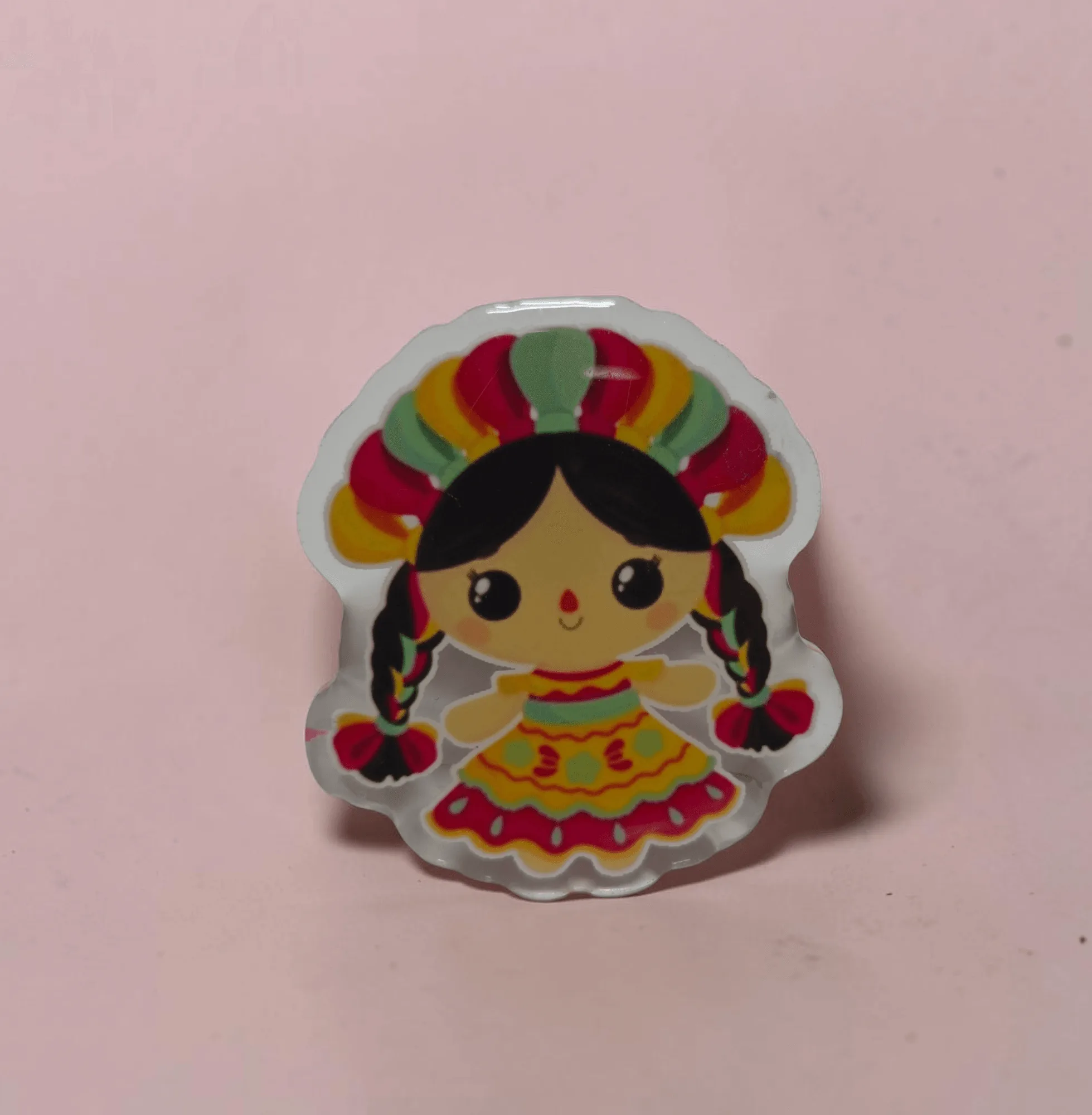
Lele ~ 1 Single Nail Stand ~ Epoxy on 1 side
The tool holding your nail while you paint matters more than most people expect. A wobbly hold smears a fresh coat, and a stand that tilts the wrong way ruins every photo you take of the finished set. Acrylic nail stands and traditional holders both solve that problem, but they solve it differently.
This comparison looks at what each option does well, where each one frustrates you, and which one fits the way you actually work. If you sell press-ons or post your sets online, the answer is usually not the same as someone painting a single nail at the kitchen table.
How Each Option Holds the Nail
A traditional holder grips the nail from the side or top with a clip, putty, or spring mechanism. You adjust it as you go, which is handy when you need to rotate the nail to reach a sidewall or a cuticle edge. The trade-off is that every adjustment is a chance to bump wet polish, and the grip point can block part of the surface you are trying to paint.
A stand like the Lele ~ 1 Single Nail Stand ~ Epoxy on 1 side holds the nail on a fixed base with epoxy on one side. The nail sits still while you work, so you can paint a full set in one sitting without repositioning. Because the stand is a single unit, you need more than one to work on a whole set at once, which is the main practical difference between the two formats.
- Count your nails before you buy: one stand covers one nail at a time.
- If you paint sets, buy stands in multiples rather than one at a time.
Which One Gives You Better Photos
If you post your work, a stand wins on consistency. The nail sits at the same angle every time, so your photos look like a set instead of a random collection of shots. The epoxy-on-one-side design also means the nail is supported from behind rather than clamped at the edge, so the visible surface stays clean in the frame.
Traditional holders can photograph well, but the clip or grip often shows up in the shot, and you end up cropping around it. That is fine for a quick progress photo and annoying for a listing image where you want the nail to fill the frame. Neither option replaces good lighting, but the stand removes one variable from your setup.
- Set the stand on a flat, matte surface to cut reflections in listing photos.
- Keep the same stand height across a set so your gallery images match.
Prep and Mixing Still Matter Either Way
The holder does not fix a bad foundation. If you skip dehydrating the natural nail, you get lifting no matter how steady your stand is. Purificación Prep Dehydrator is designed to remove excess oils, moisture, and surface contaminants from the natural nail so primer and base adhere better, which reduces lifting and improves wear time.
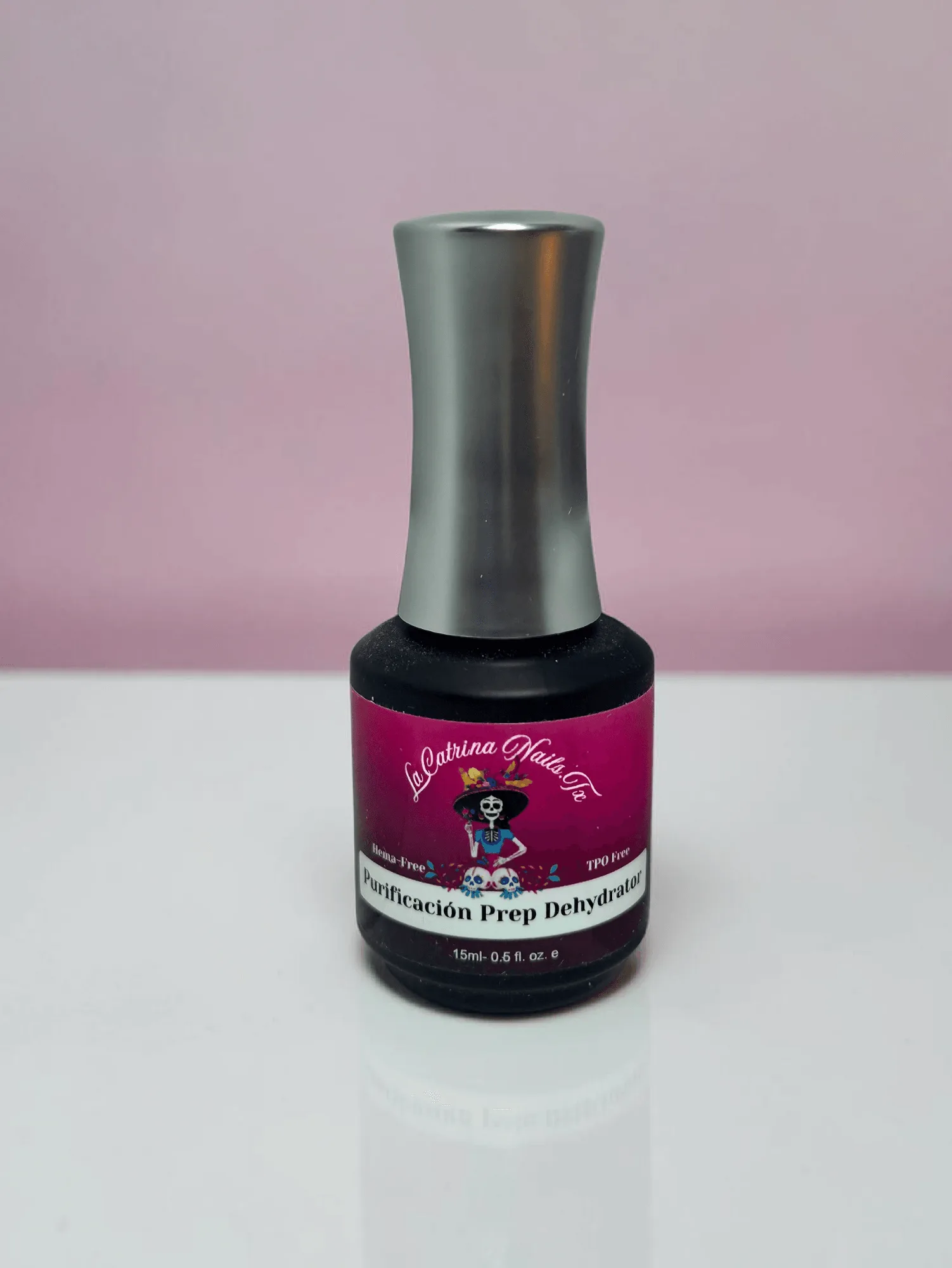
Purificación Prep Dehydrator
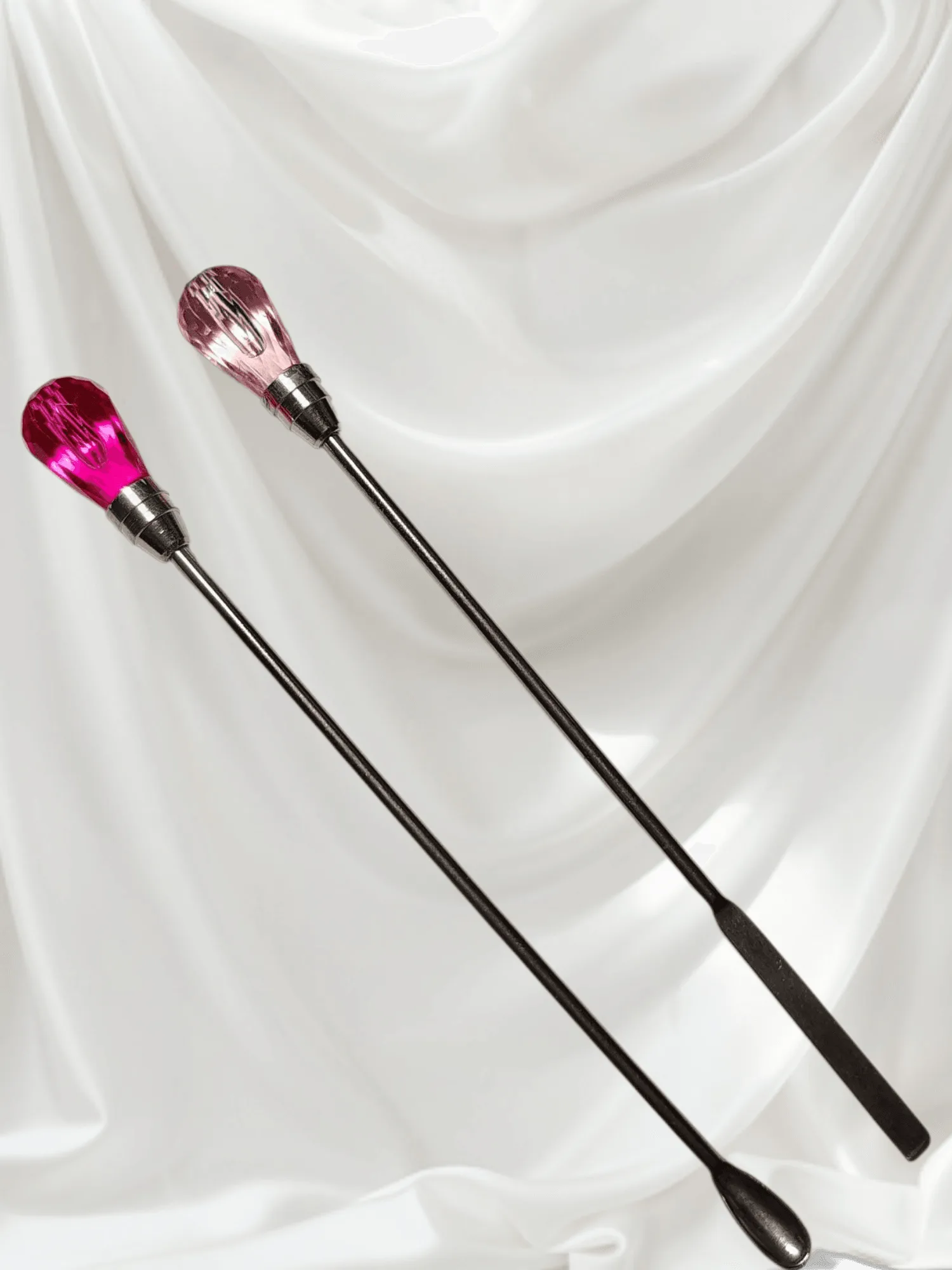
You also need somewhere to mix. Mixing/Stirring Tools from La Catrina Nails are nail care accessories made for mixing and stirring products during nail preparation and application. Keeping a dedicated mixing tool on the bench means you are not reaching for a stand or holder with wet product on your fingers.
- Prep the natural nail before it ever touches a stand or holder.
- Keep mixing tools separate from your holding tools to avoid cross-contamination.
Where the Trade-Off Actually Lands
Traditional holders win on adjustability and cost per nail. One holder can serve many nails in a session because you swap the nail in and out. Stands win on stability and repeatability, but you pay for that convenience per nail, since each stand holds one. That is the honest trade-off: flexibility versus consistency.
If your work is mostly personal and you paint one hand at a time, a holder is the more economical pick. If your work is client-facing, sold as press-ons, or photographed for listings, the per-nail cost of stands is usually worth it because it protects the finish and the photo. Neither is wrong; they just match different workflows.
- Budget by set, not by tool: five nails need five stands or one holder used five times.
- If you sell press-ons, treat stands as part of your production cost.
Stands vs Holders: The Trade-Offs
- Stability: A stand holds the nail still from start to finish, so you are not chasing a moving target with a wet brush. A traditional holder requires repositioning, and each adjustment risks a smudge. Choose stability if you paint full sets in one sitting.
- Cost per nail: Stands are sold individually, so a five-nail set needs five stands. A single holder can serve an entire session by swapping nails in and out. Choose a holder if budget matters more than speed.
- Photo results: Stands hold the nail from behind, keeping the visible surface clean in the frame. Holder clips often intrude on the shot and force you to crop. Choose stands if you photograph or list your sets online.
- Prep dependency: Neither tool fixes skipped prep. Dehydrating the natural nail before base application is what reduces lifting and improves wear time. Invest in prep before you invest in more holders.
Product Facts That Affect Your Choice
- Lele ~ 1 Single Nail Stand ~ Epoxy on 1 side: Lele is a single nail stand from La Catrina Nails. TX, offered with epoxy on one side. This listing is for one stand in the Standard option. One stand holds one nail, so painting a full set means buying several. The epoxy side is what holds the nail in place while you paint and photograph it.
- Mixing/Stirring Tools: Mixing/Stirring Tools from La Catrina Nails are nail care accessories made for mixing and stirring products during nail preparation and application. This listing is for the Standard option. A dedicated mixing tool keeps your stand or holder free of wet product, which matters when you are switching between prep, mixing, and painting.
- Purificación Prep Dehydrator: Purificación Prep Dehydrator is designed to remove excess oils, moisture, and surface contaminants from the natural nail, creating a clean foundation for stronger product adhesion. By dehydrating the nail plate before primer and base application, it helps reduce lifting and improve wear time. No stand or holder can compensate for poor prep. Dehydrating first is what makes the finished nail last, regardless of which tool you paint on.
- https://lacatrinanailstx.com/products/la-catrina-nails-tx-paint-pallet-42dcc56cdd92ab804388b231-2611972La Catrina Nails.Tx Paint Pallet 2.0: This beautiful 4x4 tile is hand made by Miss Rose from Elegant nails by Rose. A separate pallet keeps color mixing off your holding tool, so your stand stays clean and your photos stay free of stray pigment.
Which Should You Buy?
Best for
- Nail techs and press-on sellers painting full sets who need every nail to stay put
- Anyone photographing finished nails for listings or social media
- Workers who paint in batches and want a repeatable bench setup
Not for
- Hobbyists painting one nail at a time who do not need multiples
- Anyone who constantly rotates the nail to reach sidewalls and edges
- Buyers who want a single tool to cover every nail in a session
If you paint sets, sell press-ons, or post your work, buy stands in multiples and treat them as part of your production cost. If you paint one nail at a time and value adjustability, a traditional holder still does the job. Either way, prep the natural nail first, because the tool holding the nail cannot fix a foundation that was never clean.