Quick Answer
Acrylic is the stronger, more sculptable choice for length, structure, and busy hands, while gel suits people who want a lighter feel, faster application, and easier removal. If you're a beginner, acrylic powder and monomer give you more working time to fix mistakes, but gel systems are more forgiving on natural nails because they don't require monomer or filing-heavy removal.
The difference between acrylic and gel nails comes down to chemistry and technique: acrylic is a powder-and-liquid system that hardens by chemical reaction, while gel is a light-cured resin that stays workable until you put it under a lamp. That one distinction drives everything else — durability, feel, removal time, and how hard each is to learn.
There's no universal winner in the acrylic vs gel debate. The right pick depends on your experience level, how hard you are on your hands, and how much time you want to spend on maintenance. Below is a practical comparison using real products so you can decide with facts instead of guesswork.
How Each System Is Built
Acrylic systems combine a fine powder with monomer liquid. The powder absorbs the liquid evenly and self-levels, which is why a well-formulated acrylic like #30 Glass Of Bubbly - Acrylic Nail Powder is forgiving for beginners — you get working time to shape the bead before it sets. It's also highly pigmented and adheres strongly to the natural nail, so it holds up to daily wear.
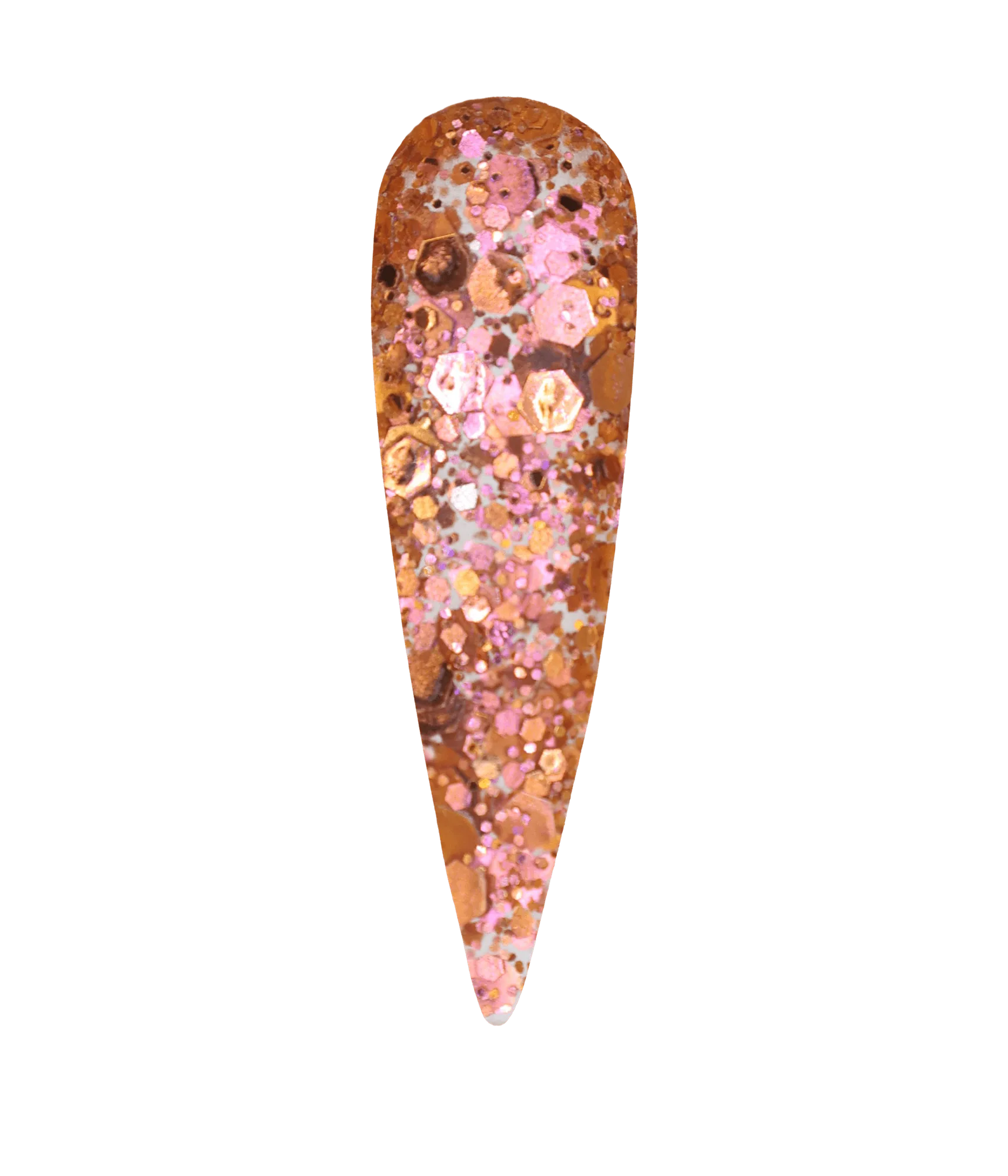
#30 Glass Of Bubbly - Acrylic Nail Powder
Gel systems skip the liquid entirely. Builder gels, gel top coats, and gem gels cure under a UV or LED lamp in seconds, so you control exactly when the product sets. That makes gel cleaner to work with and easier to keep off the surrounding skin, but it also means you can't rework a bead once it's cured. If you're deciding which is better acrylic or gel for your setup, factor in whether you already own a lamp.
- Acrylic: powder plus monomer, air-cured, reworkable for a short window.
- Gel: single-component resin, lamp-cured, no rework once cured.
- Neither is inherently better — they solve different problems.
Durability and Wear
Acrylic generally wins on acrylic vs gel durability for length and structure. The powder-and-monomer bond is hard and rigid, which is why acrylic is the standard for extensions and sculpted shapes. A super-fine, self-leveling powder with strong adhesion resists lifting better than a poorly applied gel, especially on hands that see a lot of water, typing, or manual work.
Gel is more flexible, which feels more natural on the nail but can chip at the free edge if the nail is very long or the application is thin. For short, natural-length wear, gel often lasts just as long as acrylic with less bulk. The honest trade-off: acrylic gives you structural strength, gel gives you a lighter feel and a glossier finish straight out of the lamp.
- Choose acrylic for extensions, strength, and heavy wear.
- Choose gel for short, flexible, natural-feeling enhancements.
- Application quality matters more than the system itself.
Application Skill and Time
Acrylic has a steeper learning curve because you're racing the set time. But that same set time is an advantage: a butter-like consistency powder such as Frosted Pink Lemonade #7 Acrylic Nail Powder lets you place a bead, adjust it, and smooth it before it hardens. Beginners often find this more forgiving than gel, where a mistake means filing the whole layer off.
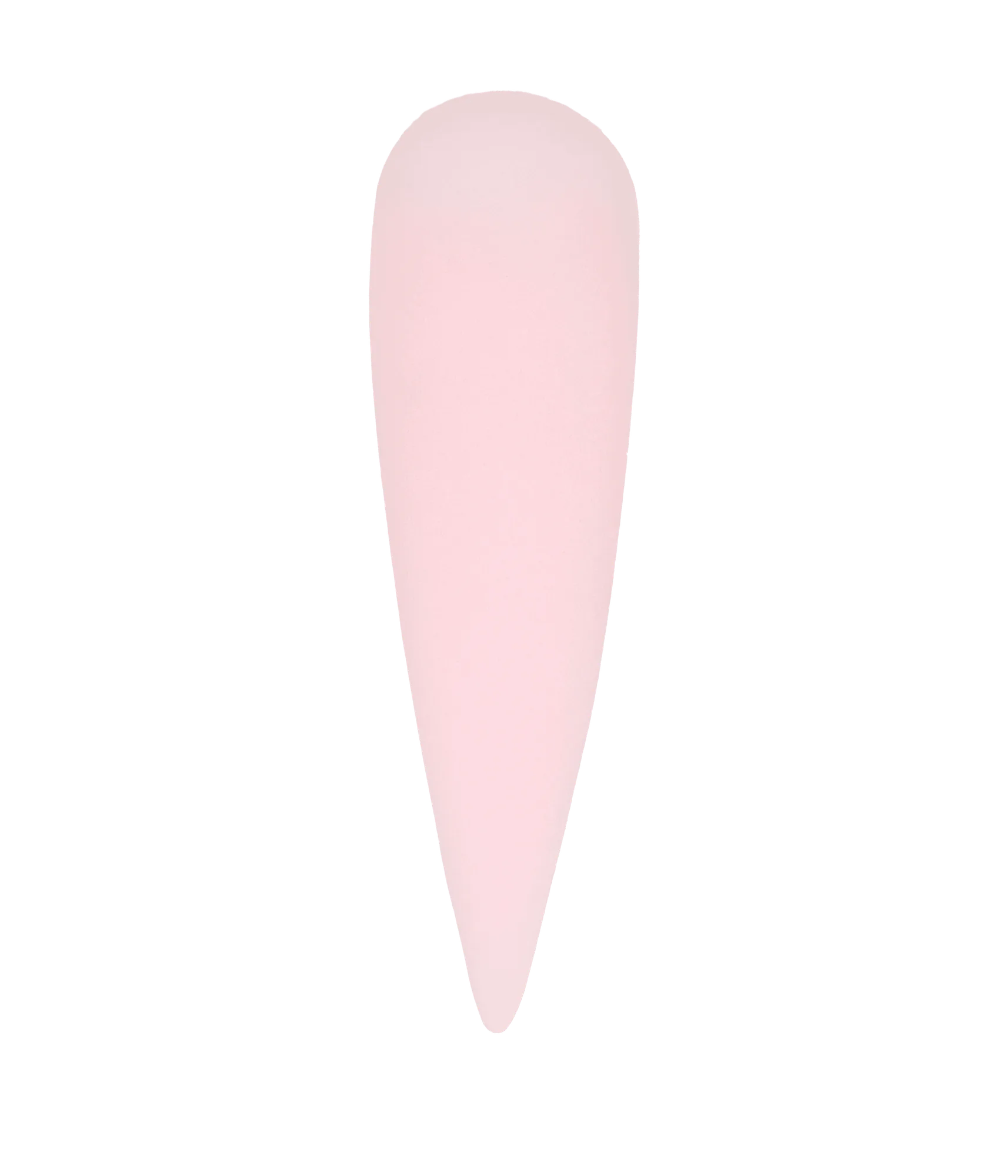
Frosted Pink Lemonade #7 Acrylic Nail Powder
Gel is faster once you're comfortable. You apply, place embellishments, and cure — no monomer ratio to judge, no odor, and less dust. If you're asking acrylic or gel for beginners, the answer usually depends on your patience: acrylic rewards practice with structural control, while gel rewards precision with speed and cleanliness.
- Acrylic: more working time, more technique to learn.
- Gel: faster and cleaner, less room for correction.
- Practice on a single nail before committing to a full set.
Removal and Maintenance
Acrylic removal means soaking in acetone or filing down, and it takes longer because the product is dense. Gel removal is typically faster and gentler, especially for soft gels that soak off in minutes. If you change your nails often, gel saves you time and reduces the risk of over-filing the natural nail.
Maintenance differs too. Acrylic fills are a regular appointment because the product doesn't move with the nail; gel can sometimes be refilled or soaked off and redone depending on the system. Whichever you choose, a cuticle oil habit between appointments keeps the natural nail and surrounding skin healthy so removal doesn't leave you with dry, damaged edges.
- Acrylic: longer soak, more filing, more dust.
- Gel: faster soak-off, less filing for soft gels.
- Never peel either system off — it takes natural nail with it.
Finishing and Nail Art
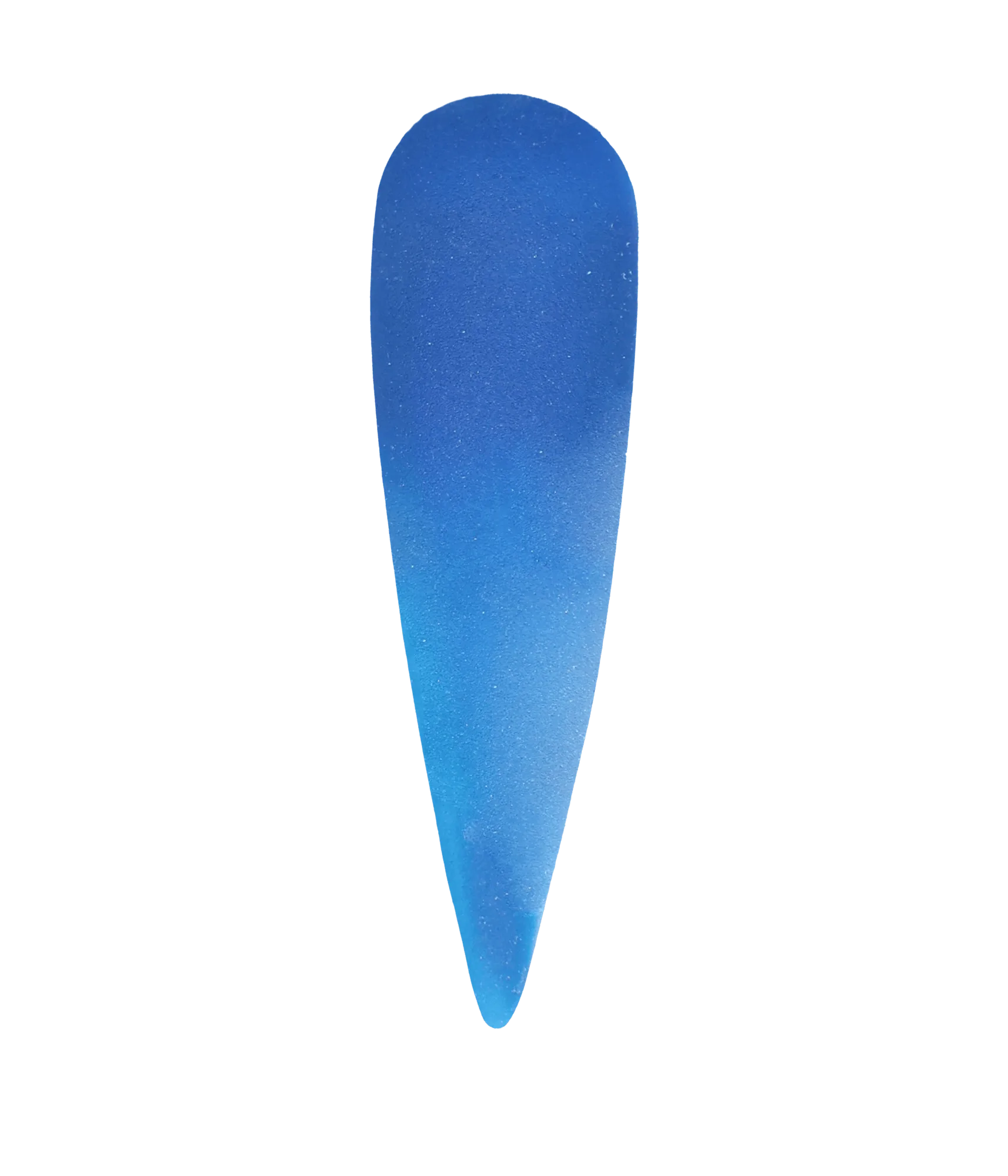
Both systems accept color and art, but the finishing steps differ. Acrylic color comes from the powder itself, so a shade like #37 Blue MF - Acrylic Nail Powder gives you full opacity without a separate color coat. Gel users often build color with gel polish and seal with a top coat, which is why gel finishes look wetter and glossier.
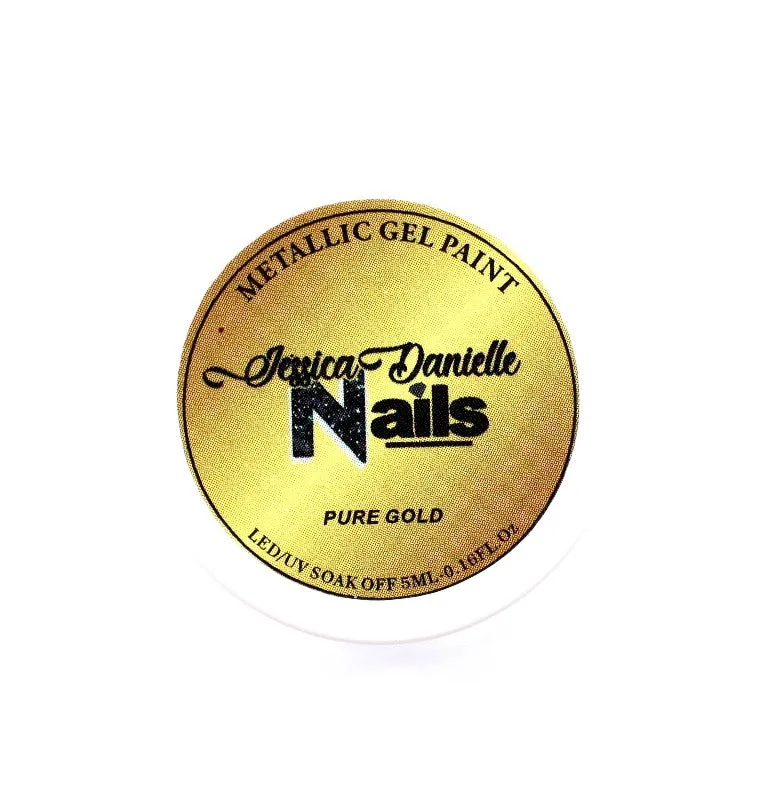
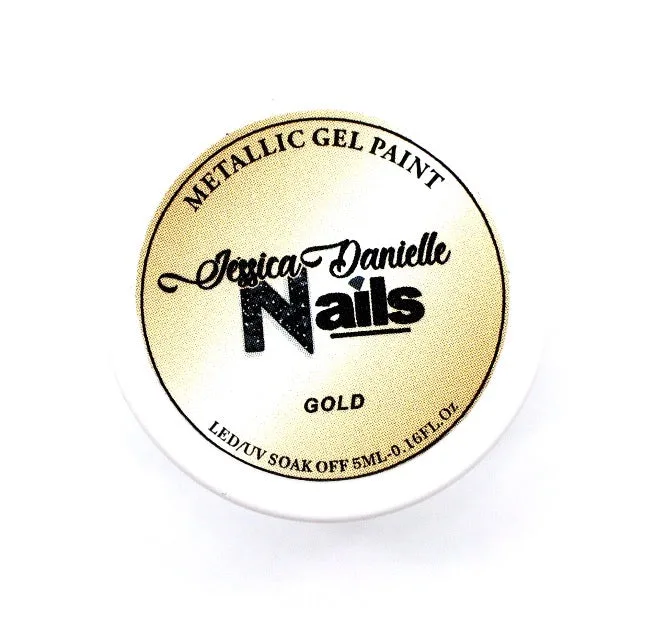
For embellishments, Gem Gel works over either system — apply it, place rhinestones, and cure for 60 seconds. Metallic art paints like Pure Gold Metallic Gel Nail Art Paint also layer over acrylic or gel for a gold-rush shine. The trade-off is that gel-based art needs a lamp, while acrylic art can be sealed with a gel top coat or left matte depending on your look.
- Acrylic: color is built into the powder.
- Gel: color comes from polish and top coat layers.
- Gem Gel and metallic paints work on both systems.
Trade-Offs at a Glance
- Strength vs. feel: Acrylic is rigid and structurally strong, which is why it's the go-to for extensions. Gel is more flexible and feels lighter on the natural nail. Pick acrylic for length and heavy wear; pick gel for a natural feel.
- Working time vs. speed: Acrylic lets you adjust a bead before it sets, but you're racing the clock. Gel stays workable until you cure it, then it's locked in. Beginners often prefer acrylic's reworkable window; experienced users often prefer gel's speed.
- Removal effort: Acrylic takes longer to soak off and creates more dust when filed. Soft gel soaks off faster with less filing. If you change your nails often, gel saves time and reduces natural-nail stress.
- Finishing and art: Acrylic color comes from the powder itself, so you skip a color coat. Gel color comes from polish and top coat layers, which gives a wetter gloss. Both accept Gem Gel and metallic art paints, so art isn't the deciding factor.
Product Facts That Affect Your Choice
- Frosted Pink Lemonade #7 Acrylic Nail Powder: Uniquely formulated for a butter-like consistency that's easy to work with and designed for a flawless, smooth finish for beginners and advanced technicians alike. A forgiving consistency means more working time to shape the bead before it sets, which is exactly what beginners need from acrylic.
- #30 Glass Of Bubbly - Acrylic Nail Powder: Super-fine powder that absorbs liquid evenly, self-levels, has super adhesion, and is highly pigmented; available in 1oz, 2oz, 4oz, or 16oz jars. Self-leveling and strong adhesion reduce lifting, and the size range lets you test a small jar before committing to a large one.
- Gem Gel: Designed to secure gems, rhinestones, and embellishments firmly; apply to the nail, place rhinestones, and cure for 60 seconds. A 60-second cure makes embellishing fast on either acrylic or gel, so art isn't a reason to pick one system over the other.
- Pure Gold Metallic Gel Nail Art Paint: A pure gold metallic gel art paint formulated exclusively for Jessica Danielle Nails. It layers over both acrylic and gel, so you can add metallic detail without switching systems.
Which Should You Choose?
Best for
- Anyone who wants long extensions or sculpted shapes that hold up to daily wear.
- Beginners who want more working time to correct mistakes while learning.
- People who don't mind longer removal and regular fills in exchange for strength.
Not for
- People who want the lightest possible feel on natural nails — choose gel instead.
- Anyone who changes their nail color weekly and wants fast, gentle removal.
- Users who prefer a no-odor, no-monomer workspace.
Acrylic and gel aren't competitors so much as different tools. If you want strength, structure, and reworkable application, acrylic is the better fit. If you want a lighter feel, faster removal, and a wet-look finish, gel wins. Try one small jar or a single gel product first, see how your nails and your schedule handle it, then commit to the system that fits your routine.