Action figures are more than just toys—they're works of art, cherished collectibles, and a reflection of your passion. Whether you're showcasing your latest acquisition on social media, documenting your collection for insurance, or simply want to capture the intricate details of your favorite characters, great photography can make all the difference. But you don't need a professional studio or expensive gear to get impressive results. With a few practical techniques and a little creativity, you can transform your snapshots into stunning images that do justice to your collection.
In this guide, we'll walk you through the essentials of action figure photography, from choosing the right equipment to mastering lighting and composition. We'll also share tips on how to create dynamic scenes and edit your photos like a pro. By the end, you'll be ready to showcase your figures—like the ONE PIECE Fluffy Puffy - CHOPPER vol.1 - (ver.A) or the One:12 Collective Ultraman—in a whole new light.
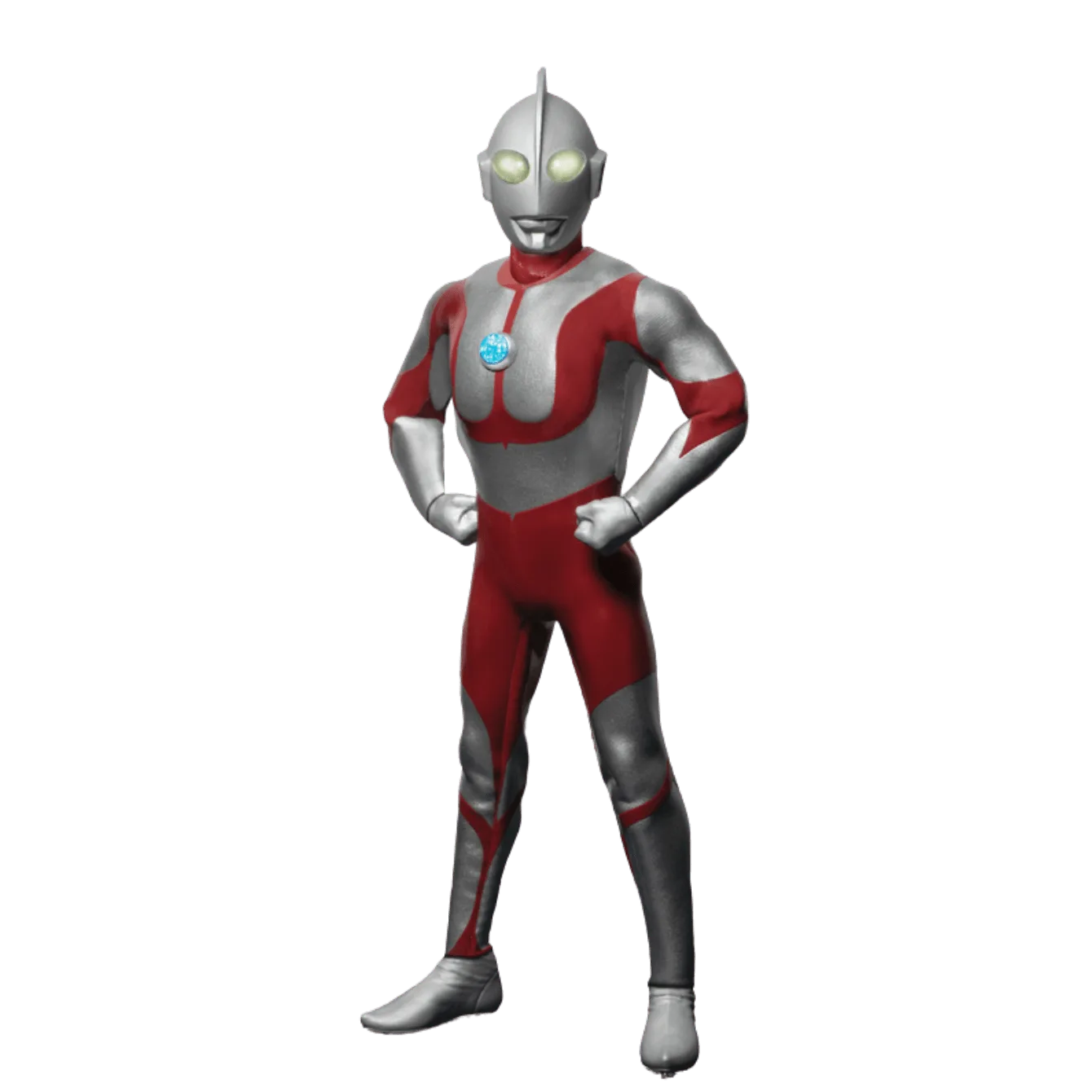
One:12 Collective Ultraman
Why Photography Matters for Collectors
As a collector, you know that the value of your collection extends beyond the physical items. The stories, memories, and joy these figures bring are priceless. Photography allows you to capture and share that passion with others. Whether you're posting on Instagram, participating in online communities, or creating a personal catalog, high-quality photos can elevate your presence and connect you with fellow enthusiasts.
Moreover, good photographs can help you appreciate the craftsmanship of your figures. The intricate paintwork on a One:12 Collective Ultraman or the playful design of a Pixar Critter Crate Mini Figures deserves to be seen in the best light. By learning to photograph your collection effectively, you'll discover new details and gain a deeper appreciation for the art.
- Share your collection with a wider audience and gain recognition.
- Document your figures for insurance or resale purposes.
- Connect with other collectors and build a community.
Essential Gear for Action Figure Photography
You don't need a top-of-the-line camera to start. Modern smartphones are incredibly capable and can produce excellent results. However, if you're ready to invest, a DSLR or mirrorless camera with a macro lens will give you more control and sharper detail. For beginners, a smartphone with a good camera and a few accessories is sufficient to achieve professional-looking shots.
Regardless of your camera, the most important accessories are a tripod, a remote shutter release, and some form of lighting. A tripod keeps your camera steady, especially in low light, while a remote shutter prevents camera shake. For lighting, you can use natural window light, a desk lamp, or even a simple LED panel. Diffusers and reflectors help soften and direct light to eliminate harsh shadows and highlight details.
- Camera: DSLR, mirrorless, or a high-quality smartphone.
- Tripod: Essential for stability and long exposures.
- Lighting: Natural light, LED panels, or desk lamps with diffusers.
- Backgrounds: Plain paper, fabric, or themed backdrops.
Mastering Lighting: The Key to Stunning Shots
Lighting is arguably the most critical element in photography. It can make or break your image. For action figures, you want to highlight the sculpt and paint applications without creating distracting reflections or shadows. Soft, diffused light works best. If you're using natural light, position your figure near a window but out of direct sunlight. You can also create a DIY lightbox with a cardboard box and white tissue paper to diffuse light evenly.
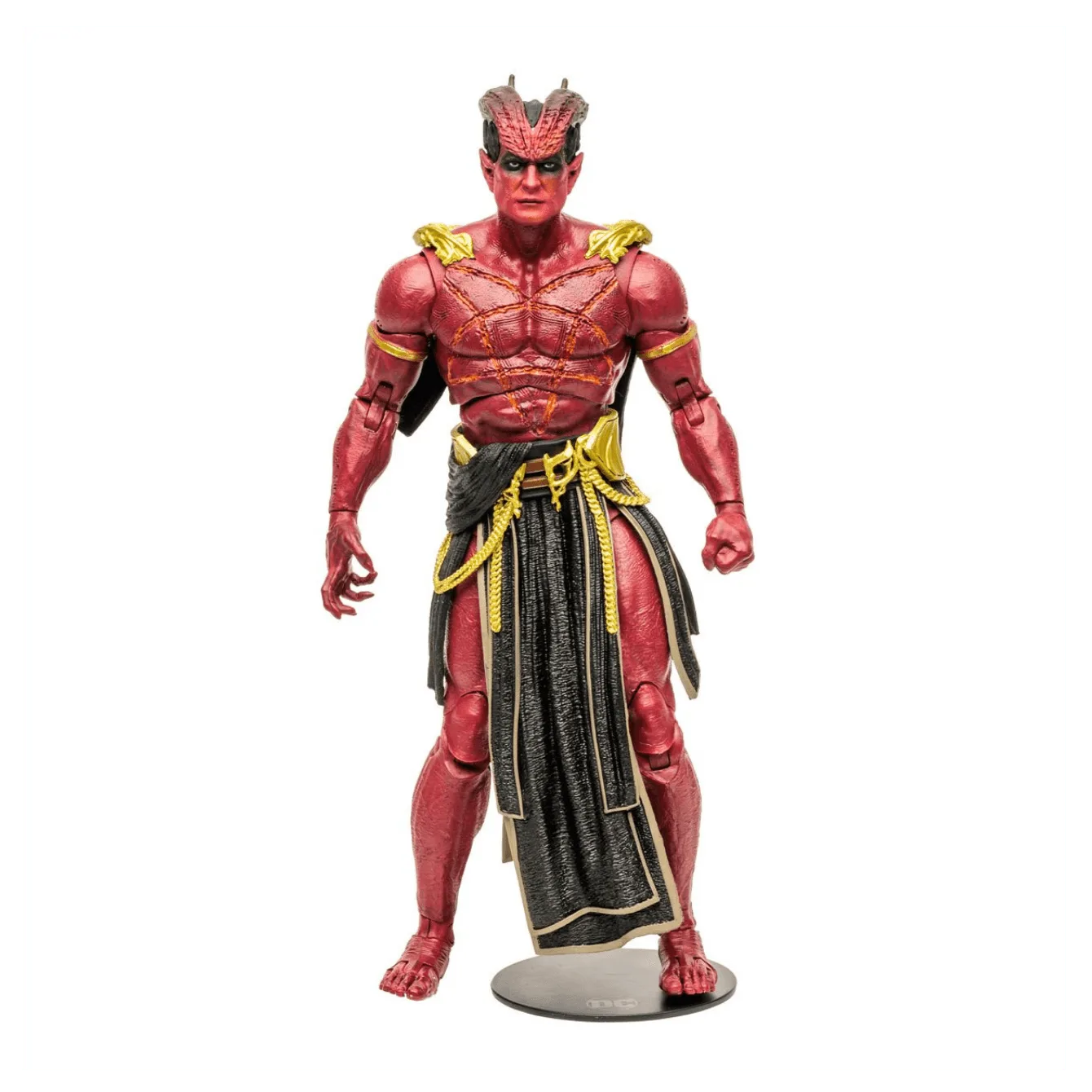
Experiment with different lighting setups to achieve various moods. A single light source from the side can create dramatic shadows, perfect for a menacing villain like the DC Black Adam Movie Sabbac Megafig 10-Inch Action Figure. Conversely, a soft front light will make your figure look bright and heroic. Remember to adjust your camera's white balance to ensure colors are accurate.
- Use diffusers to soften harsh light.
- Experiment with side lighting for dramatic effects.
- Adjust white balance to avoid color casts.
Composition and Posing Techniques
Composition is about arranging the elements in your frame to create a visually pleasing image. The rule of thirds is a great starting point: imagine your frame divided into nine equal parts, and place your subject along those lines or at their intersections. This creates a more dynamic and interesting photo than centering your figure.
Posing your figure is equally important. Use the articulation to your advantage. For example, a figure like the Masters of the Universe Origins Buzz Saw Hordak can be posed in an aggressive stance to convey power. Think about the character's personality and story. What are they doing? What emotion are they expressing? A well-posed figure tells a story and draws the viewer in.
- Use the rule of thirds for balanced composition.
- Pose figures dynamically to convey action or emotion.
- Consider the background and props to enhance the scene.
Creating Dynamic Scenes and Using Props
A plain background can be boring. Adding props and creating a miniature environment can bring your figures to life. You can use everyday items like books, rocks, or even other figures to build a scene. For instance, displaying the TMNT Ultimates Mutagen Man alongside some slime or laboratory-themed props can create a fun and immersive shot.
When using props, ensure they don't distract from the main subject. The focus should remain on your figure. Use depth of field to your advantage—a shallow depth of field (achieved with a wide aperture) will blur the background and keep the attention on your figure. This is especially effective for close-ups of detailed figures like the PRE-ORDER Hot Toys Predator Badlands MMS900 Thia and Bud 1/6th Scale Figure.
- Incorporate props that complement the figure's theme.
- Use shallow depth of field to isolate your subject.
- Keep the scene simple to avoid clutter.
Editing and Post-Processing Tips
Post-processing can enhance your photos and correct minor issues. Basic adjustments like cropping, straightening, and adjusting exposure can make a big difference. Many free editing apps like Snapseed or Adobe Lightroom Mobile offer powerful tools right on your phone.
When editing, be careful not to overdo it. The goal is to enhance the natural look of your figure, not to make it look fake. Adjust contrast, saturation, and sharpness subtly. Remove any dust or smudges using a healing brush. For more advanced edits, you can learn to use layers and masks in desktop software like Photoshop, but for most collectors, simple tweaks are enough.
- Start with basic adjustments: exposure, contrast, white balance.
- Use healing tools to remove dust and blemishes.
- Keep edits subtle to maintain realism.
With these action figure photography tips, you're well on your way to capturing your collection in the best possible light. Remember, practice makes perfect. Don't be afraid to experiment and develop your own style. And if you're looking to add new figures to your collection to photograph, be sure to check out the One:12 Collective Ultraman for its incredible detail and articulation—it's a photographer's dream. Happy shooting!