Quick answer
Choose a coloring book for kids when the goal is calm, open-ended creative time with no rules. Choose an activity book when your child wants a task to finish, such as a puzzle, game, or craft project. Many families keep both on hand and match the format to the child's mood, attention span, and setting.
If you are staring at a shelf of children's activity books and coloring books, the two formats can look interchangeable. They are not. Coloring books invite a child to fill a picture with color, which means the finished page depends entirely on their choices. Activity books give a child a job to do, whether that is solving a puzzle, following a craft pattern, or working through a game.
That difference shapes everything: how long a child stays engaged, how much adult help is needed, and which format travels well. This comparison uses real titles from the Mary Engelbreit catalog to show where each format wins and where it falls short, so you can buy the one that actually fits your child.
The core difference: open-ended color vs. a task to complete
A coloring book gives a child a picture and no instructions beyond that. The value is in the choosing: which colors, which order, how much pressure. That open-ended quality makes coloring books a strong fit for quiet time, wind-down routines, and siblings of different ages working side by side. A three-year-old and an eight-year-old can use the same coloring book at the same table without competing.
An activity book supplies a structure. The child reads or follows a prompt, then does something specific with it. That structure is what keeps some kids engaged longer than a blank picture would, but it also means the book has a right way to be used. If your child likes finishing things and showing a result, activity books tend to hold attention better than coloring pages alone.
- Coloring books: no wrong answer, no adult explanation required
- Activity books: a defined task, often with a correct outcome
- Both can be used at the same table, but only coloring books work as a shared no-rules activity
Attention span and age fit
Younger children usually do better with coloring books because the barrier to starting is almost zero. A crayon touches paper and something happens. Activity books often assume a child can follow a sequence, hold a rule in mind, or read a short prompt, which is why many are aimed at slightly older kids. That is a general pattern, not a strict rule, and the specific title matters more than the category label.
For a mixed-age household, coloring books are the safer single purchase because they scale down easily. Activity books scale up. If you are buying for one child and you know they enjoy puzzles and crafts, an activity book can be the better use of the same shelf space. If you are unsure, start with coloring and add activity later.
- Preschoolers: coloring books are usually the easier entry point
- Early elementary: both formats work, and the specific title decides
- Older kids: activity books with real tasks tend to hold interest longer
Where each format works best
Coloring books travel well. They need only a small set of colors and no table space beyond the page itself, which makes them a good fit for car rides, waiting rooms, and restaurants. Activity books can travel too, but some tasks involve small pieces, folding, or steps that need a flat surface. Check the format before you pack it for a trip.
At home, activity books shine during planned craft time when an adult is nearby. Coloring books shine during unstructured time when you want the child to self-start. Thinking about the setting first, rather than the child's age alone, often settles the decision faster than any age chart.
- Car and waiting room: coloring book plus a small color set
- Planned craft afternoon: activity book with adult nearby
- Quiet independent time: either, depending on the child's mood
Cost, reuse, and shelf life
Coloring books are consumed. Once the pages are colored, the book is done, though many kids return to favorite pages. Activity books are also consumed, but some contain patterns or instructions a child may reuse for a second project. Neither format is a long-term keepsake unless your child decides it is.
That matters for a kids book buying guide because it changes how you should buy. If your child goes through pages quickly, a lower-priced coloring book makes sense as a repeat purchase. If your child lingers over one project, paying a little more for an activity book with real instructions can be the better value. Match the price to the pace, not to the page count alone.
- Fast page-turners: buy coloring books as repeat purchases
- Slow, focused workers: one activity book can last weeks
- Gift giving: a themed activity book feels more substantial than a plain coloring pad
How to choose when you only want to buy one
Ask one question: does your child want to make something or finish something? A child who wants to make something will use a coloring book happily and ignore instructions. A child who wants to finish something will lose interest in a blank picture and ask what they are supposed to do next. That single question predicts the right format more reliably than age does.
If the answer is still unclear, buy the coloring book. It has the lower risk of sitting unused, and it works for a wider range of ages. Then add one activity book the next time you need a gift or a rainy-day backup. Building the pair over time costs less than guessing wrong on an expensive single purchase.
- Maker child: coloring book first
- Finisher child: activity book first
- Unsure: coloring book, then add activity later
Trade-offs at a glance
- Coloring books: No instructions, no correct answer, and almost no setup. The trade-off is that a child who wants direction may lose interest quickly and hand the book back. Best when you need a self-starting, portable activity.
- Activity books: A defined task with a finish line, which holds some kids far longer than a blank picture. The trade-off is more adult involvement, more table space, and a higher chance of needing specific supplies. Best when you can sit nearby and your child likes completing things.
- Cross stitch and craft leaflets: These sit at the far end of the activity scale: real steps, real materials, and a finished object. The trade-off is that they are not a grab-and-go option for a car ride or a waiting room. Best for planned craft time at home, not for travel.
Real examples from the catalog
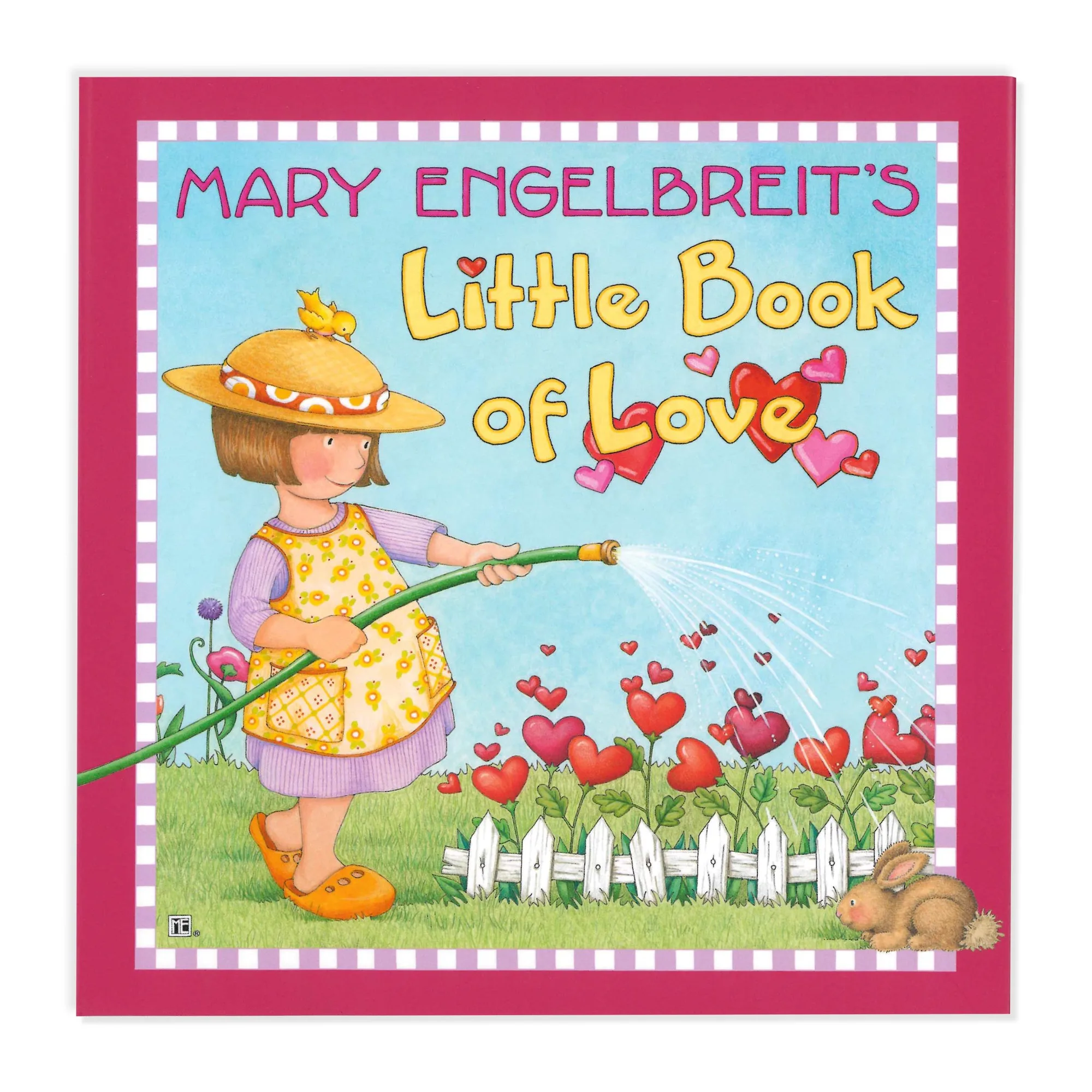
- Little Book of Love Book: A jacketed hardcover from New York Times bestselling author and artist Mary Engelbreit that pairs heartfelt, affectionate art with quotes about love, positioned as a giftable package for Valentine's Day. This is a read-together or gift book rather than a coloring or activity format, which makes it a good third option when you want a shared reading moment instead of a task or a coloring page.
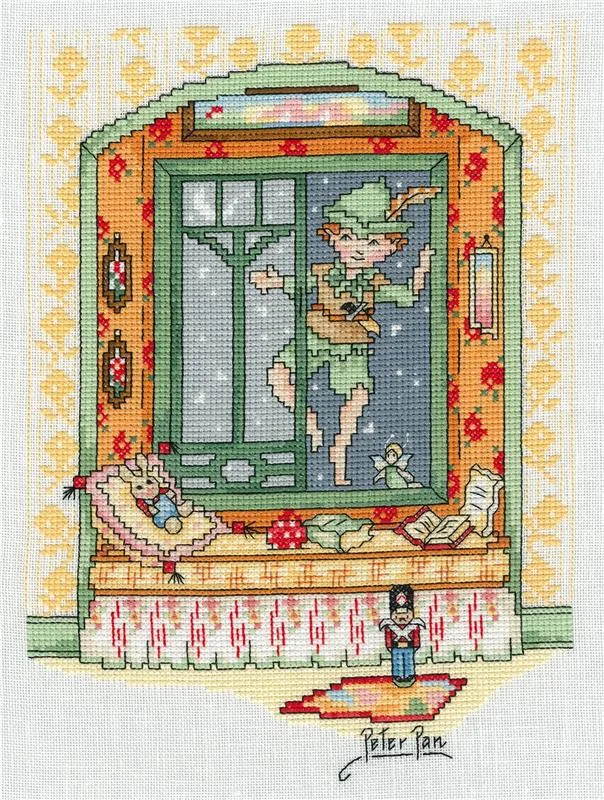
- Peter Pan Counted Cross Stitch Leaflet: A cross stitch pattern featuring Peter Pan at the window, with full stitches, quarter stitches, French knots, and backstitching, and a chart printed in black and white. This is an activity in the truest sense: it has a correct result and a defined set of steps, so it suits an older child or an adult-child pair who want a project with a finish line rather than open-ended coloring.
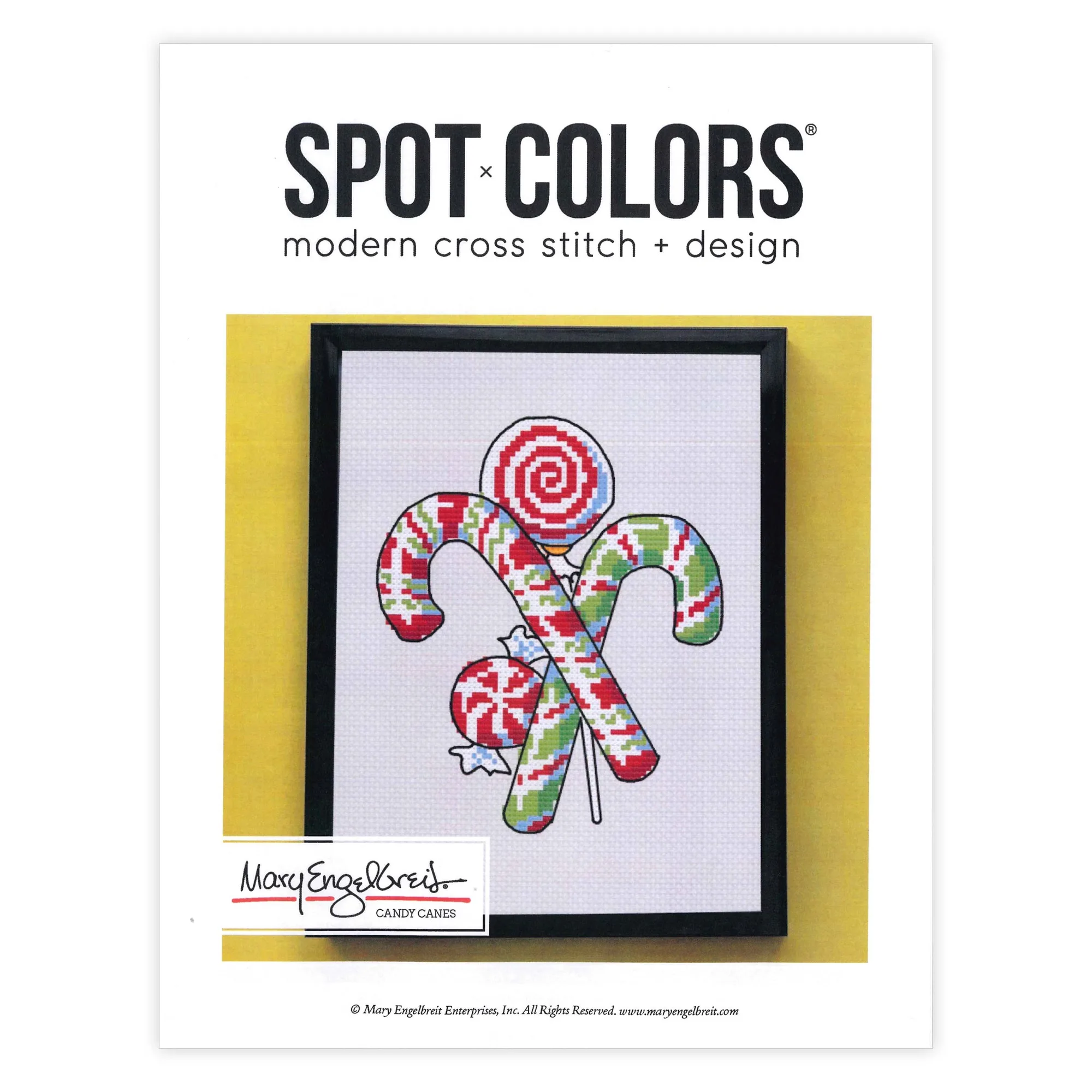
- Candy Canes Counted Cross Stitch Leaflet: A holiday cross stitch leaflet from the Spot Colors x Mary Engelbreit Holiday Edition featuring a whimsical holiday robot in festive green, with clear instructions and a detailed pattern. The seasonal theme and stated clear instructions make it a practical pick for a holiday craft session, where a child can follow along with an adult and end up with a decoration instead of a colored page.
Which should you buy?
Best for
- Families who need a quiet, portable activity for mixed ages
- Children who like choosing colors and working without instructions
- Buyers who want the lowest-risk first purchase
Not for
- Children who ask what they are supposed to do next
- Planned craft sessions where you want a finished object
- Older kids who want a puzzle or project with a clear end point
Buy the format that matches what your child does with free time, not the one with the prettier cover. Coloring books win on flexibility and portability; activity books win on engagement for kids who like a task. If you are still unsure, start with a coloring book and add one activity title the next time a rainy day or a gift occasion comes up.