Dark spots, also known as age spots or hyperpigmentation, are a common skincare concern. When you start researching treatments, you'll likely come across two popular options: dedicated age spot reducers and vitamin C serums. Both promise a brighter, more even complexion, but they work differently. Understanding these differences is key to choosing the right product for your skin.
In this comparison, we'll break down how age spot reducers and vitamin C serums work, their effectiveness on existing spots, and how you can incorporate them into your routine. We'll also touch on how products like the Retinol Resurfacing Booster and White Cotton Cream fit into a comprehensive approach.
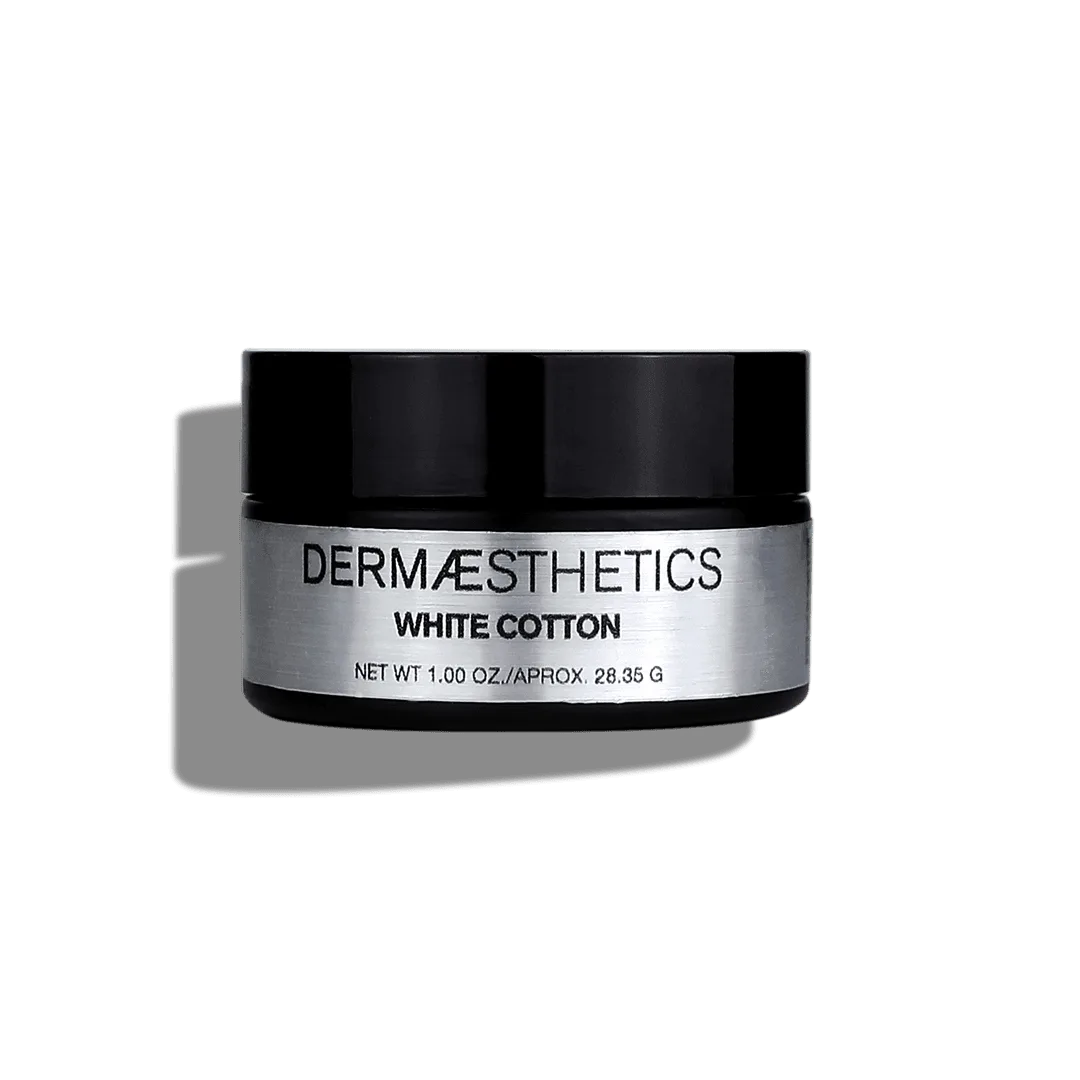
White Cotton Cream
How Age Spot Reducers Work
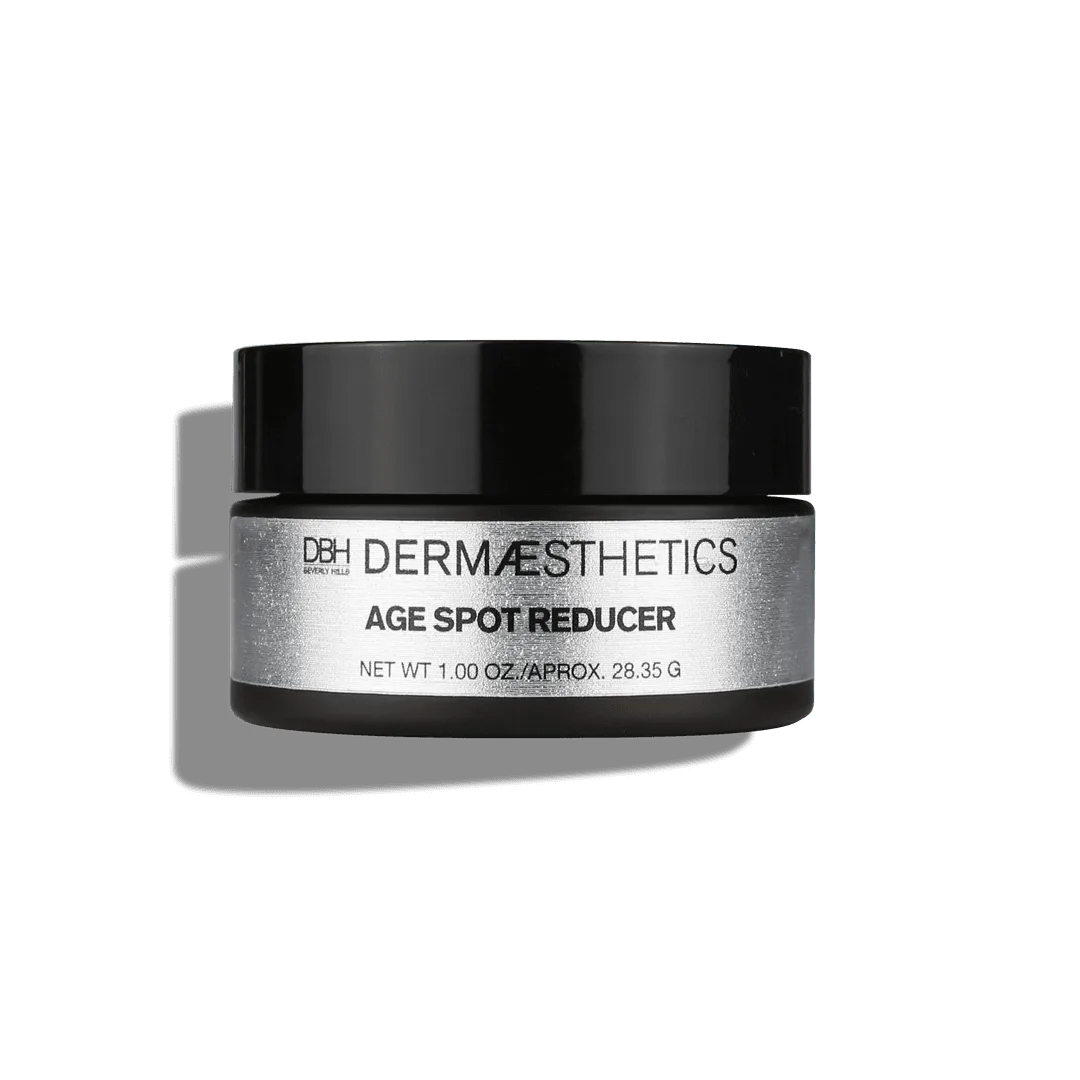
Age spot reducers are formulated specifically to target hyperpigmentation. They often contain ingredients like hydroquinone, kojic acid, arbutin, or licorice extract. These compounds work by inhibiting tyrosinase, an enzyme involved in melanin production. By slowing down melanin synthesis, they help fade existing spots and prevent new ones from forming.
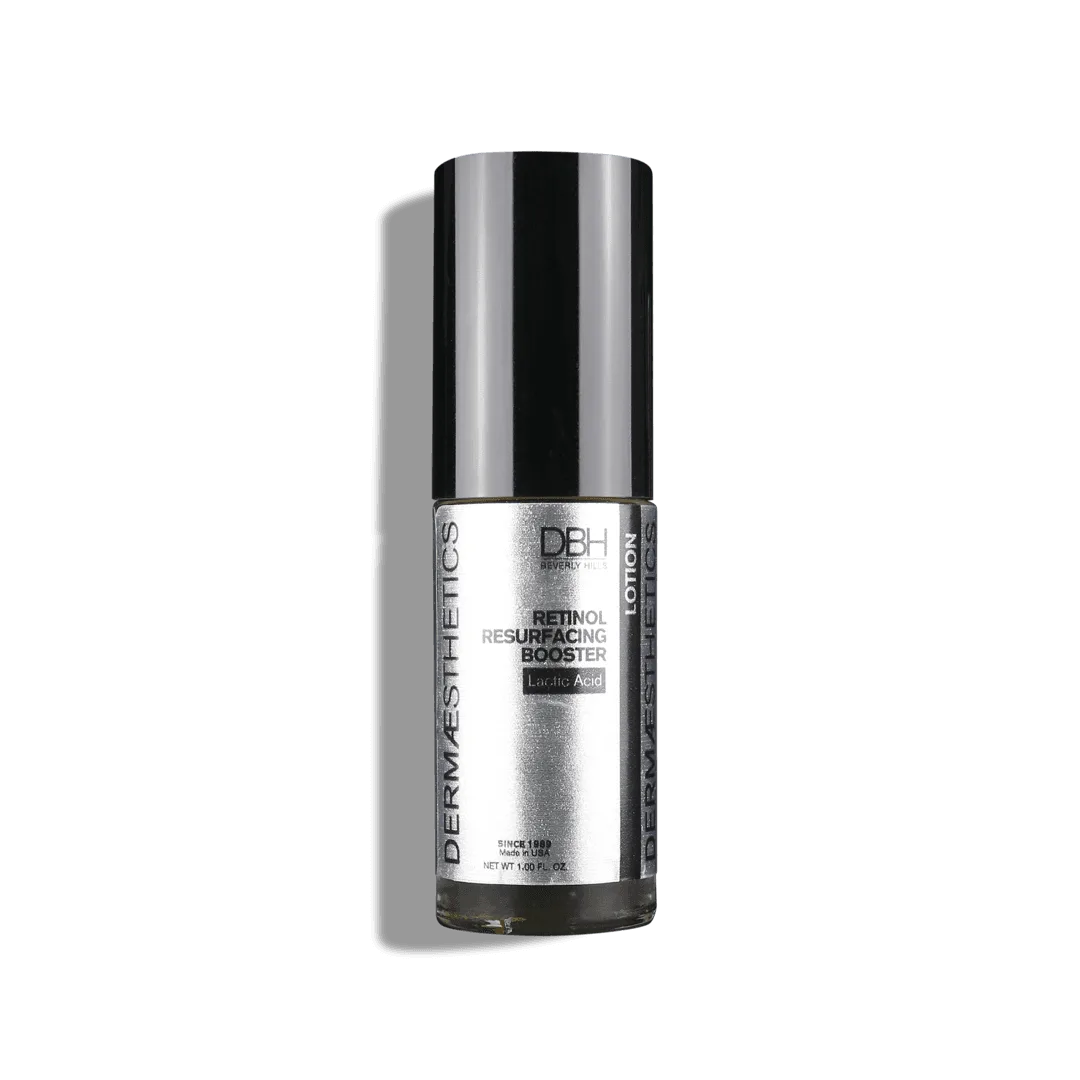
Products like the Retinol Resurfacing Booster also address age spots by accelerating cell turnover. Retinol encourages the shedding of pigmented cells and promotes the growth of new, evenly pigmented skin. This dual action makes it a powerful option for stubborn spots.
- Targets melanin production directly
- Often contains potent lightening agents
- May take 8-12 weeks to show visible results
How Vitamin C Serums Work
Vitamin C is a potent antioxidant known for its brightening and protective benefits. It works by neutralizing free radicals that can trigger melanin production. Additionally, vitamin C inhibits tyrosinase, similar to age spot reducers, but often at a gentler level. This makes it effective for preventing new spots and gradually fading mild discoloration.
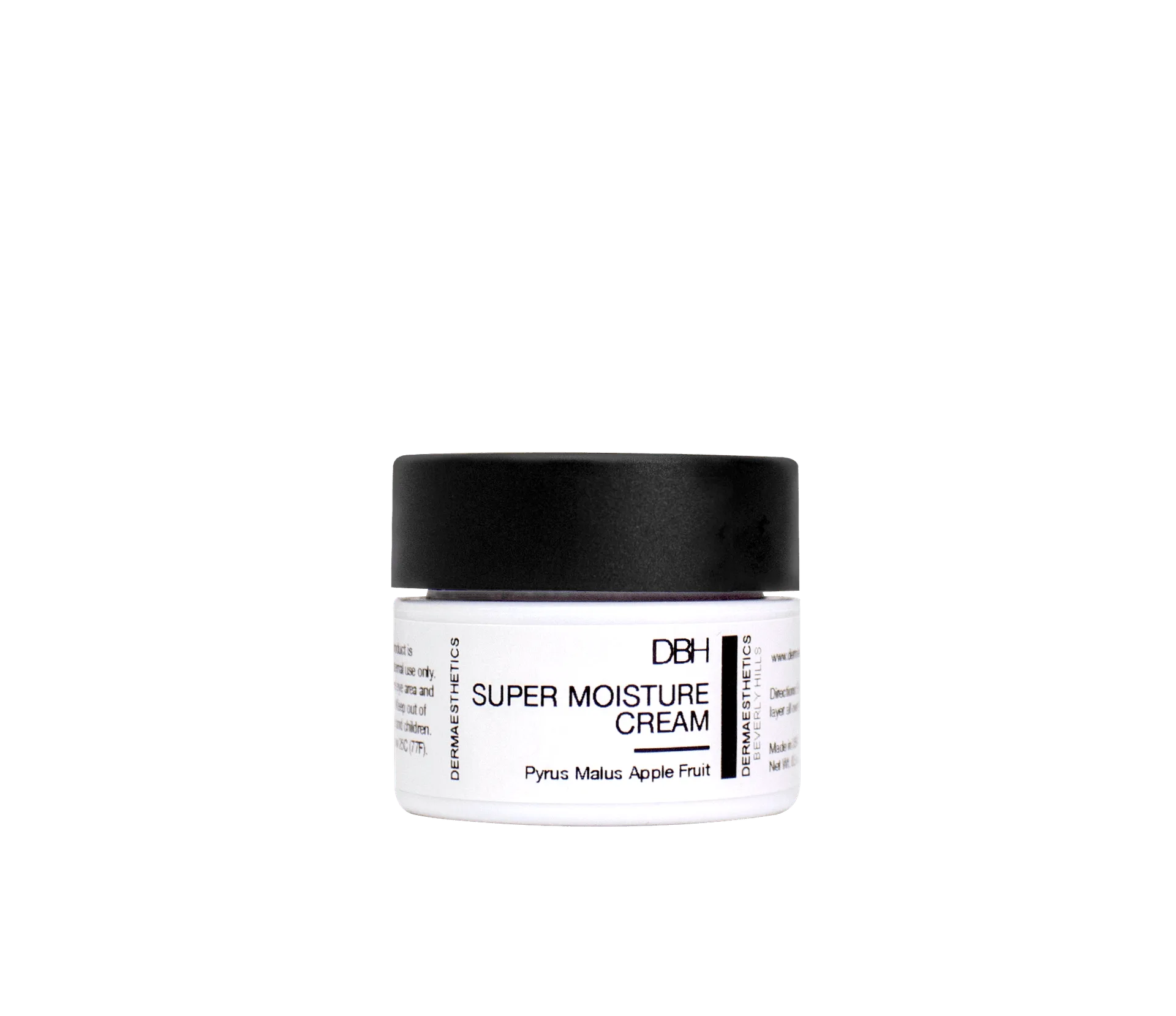
Vitamin C serums are also celebrated for their ability to boost collagen production, improving overall skin texture and radiance. Unlike some age spot reducers, vitamin C is generally safe for all skin types and can be used daily. For a hydrating boost, consider layering a vitamin C serum with a moisturizer like the Mini Super Moisture Cream to lock in benefits.
- Antioxidant protection against UV damage
- Brightens overall complexion
- Prevents new spots from forming
Effectiveness Comparison: Which Is More Effective?
When comparing age spot reducers vs vitamin C serums, the answer depends on your skin concerns. If you have stubborn, longstanding age spots, a dedicated age spot reducer is often more effective. These products contain higher concentrations of active lightening agents that directly target melanin clusters.
Vitamin C, on the other hand, excels at prevention and gradual brightening. It's an excellent choice for maintaining an even tone and addressing early signs of hyperpigmentation. For many, the best approach is to combine both: use a vitamin C serum in the morning for antioxidant protection, and an age spot reducer at night for targeted treatment.
To enhance your results, consider incorporating a gentle exfoliant like the Retinol Resurfacing Booster a few nights a week. This can help speed up cell turnover and allow other treatments to penetrate more effectively.
- Age spot reducers: stronger for existing spots
- Vitamin C: better for prevention and overall brightness
- Combining both yields optimal results
How to Incorporate Both into Your Routine
To get the best of both worlds, you can use a vitamin C serum in the morning and an age spot reducer at night. Always follow with sunscreen during the day, as both ingredients can increase sun sensitivity. Start by introducing one product at a time to monitor your skin's reaction.
If you have sensitive skin, patch test first and consider starting with lower concentrations. Products like the White Cotton Cream can provide additional brightening benefits while soothing the skin, making it a great addition to your routine.
- Morning: vitamin C serum + moisturizer + SPF
- Evening: age spot reducer + night cream
- Exfoliate 1-2 times a week with retinol or AHA
Potential Side Effects and Precautions
Both age spot reducers and vitamin C serums can cause irritation, especially when used in high concentrations. Age spot reducers containing hydroquinone may cause redness or peeling, and prolonged use can lead to ochronosis. Vitamin C, particularly L-ascorbic acid, can cause a tingling sensation or breakouts in some individuals.
To minimize risks, always follow the instructions, start with lower concentrations, and use sunscreen religiously. If you experience severe irritation, discontinue use and consult a dermatologist. For personalized advice, consider booking a DBH Spa: Skin Consultation to get a tailored plan.
- Always wear SPF when using brightening products
- Patch test new products before full application
- Consult a professional if you have sensitive skin
Both age spot reducers and vitamin C serums have their place in a skincare routine. If you're targeting stubborn spots, an age spot reducer is more effective. For prevention and overall radiance, vitamin C is a must. Combining them can give you the best of both worlds. Start with the Retinol Resurfacing Booster to kickstart cell turnover and reveal brighter skin.