Exfoliation is a cornerstone of any effective skincare routine, but with so many options available, it's easy to feel overwhelmed. Two of the most popular chemical exfoliants are AHAs (alpha hydroxy acids) and BHAs (beta hydroxy acids). While both work to remove dead skin cells and reveal a brighter complexion, they target different skin concerns and work in distinct ways.
Understanding the difference between AHA vs BHA is crucial for choosing the right product for your skin type and goals. Whether you're dealing with uneven texture, clogged pores, or fine lines, this chemical exfoliant guide will help you make an informed decision. Plus, we'll highlight some standout products from Facetheory that can elevate your exfoliation game.
What Are AHAs and How Do They Work?
AHAs are water-soluble acids derived from natural sources like fruit and milk. They work on the skin's surface, gently dissolving the bonds that hold dead skin cells together. This makes them ideal for improving skin texture, fading dark spots, and boosting radiance. Common AHAs include glycolic acid (from sugar cane) and lactic acid (from milk).
Because AHAs work on the outermost layer of the skin, they are particularly effective for addressing superficial concerns like sun damage, hyperpigmentation, and fine lines. They also help stimulate collagen production over time. If you have dry or sun-damaged skin, an AHA exfoliant can be a game-changer. For a gentle yet effective option, consider incorporating the Glow-C Deep Resurfacing Toner into your routine—it combines glycolic acid with vitamin C to brighten and smooth your complexion.
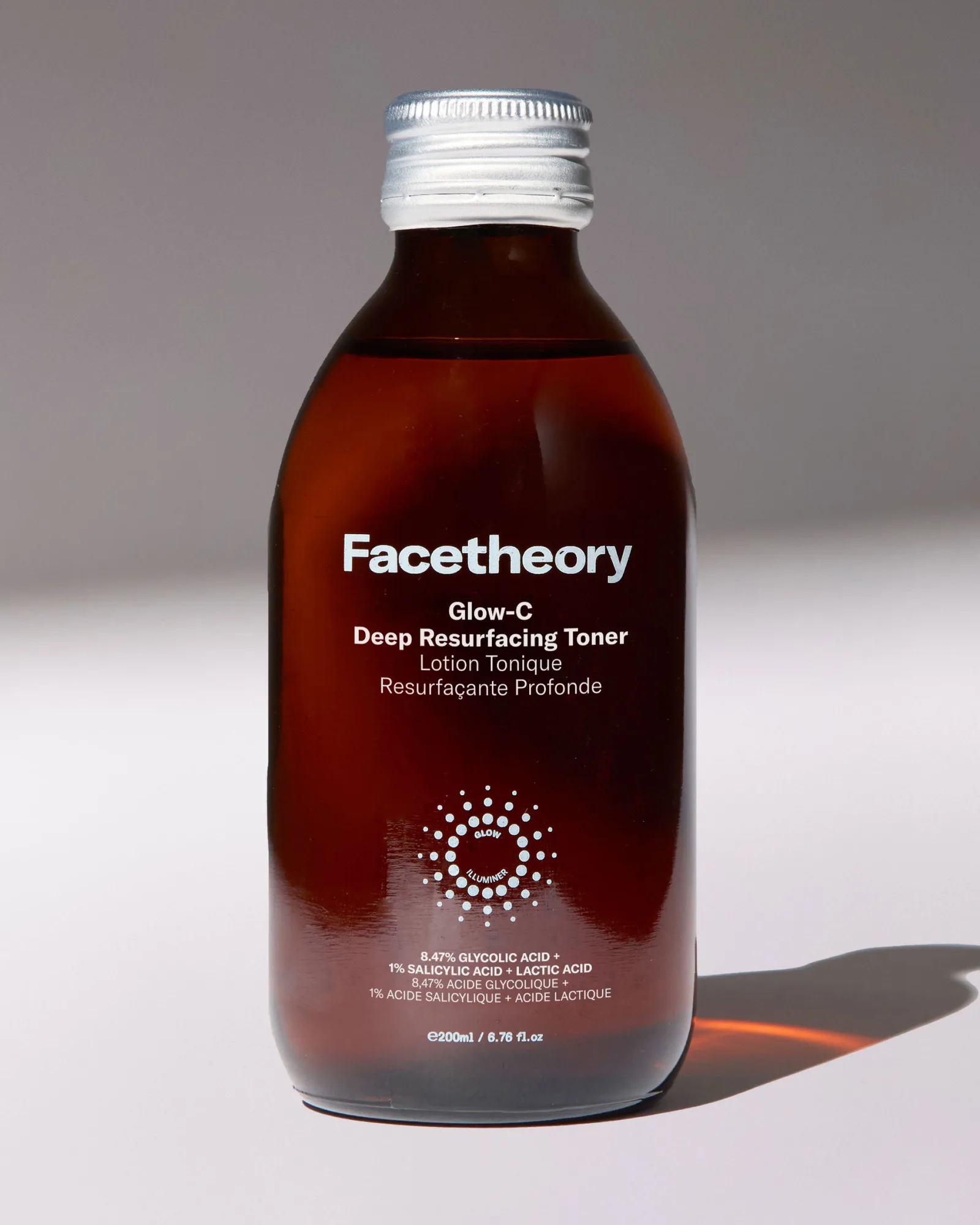
Glow-C Deep Resurfacing Toner
- Best for: dry, normal, or sun-damaged skin
- Key benefits: improves texture, fades dark spots, boosts glow
- Common types: glycolic acid, lactic acid, mandelic acid
What Are BHAs and How Do They Work?
BHAs are oil-soluble acids that can penetrate deep into the pores. The most common BHA is salicylic acid, which is derived from willow bark. Because BHAs can dissolve excess oil and dead skin cells inside the pores, they are excellent for treating acne, blackheads, and congestion. They also have anti-inflammatory properties, making them suitable for sensitive or acne-prone skin.
If you struggle with oily skin, breakouts, or clogged pores, a BHA exfoliant should be your go-to. Unlike AHAs, BHAs can also help calm redness and irritation. For a targeted treatment, the ClariClay AHA Face Mask offers a dual-action approach—while it contains AHAs for surface exfoliation, its clay base helps absorb oil and purify pores, making it a versatile addition to any regimen.
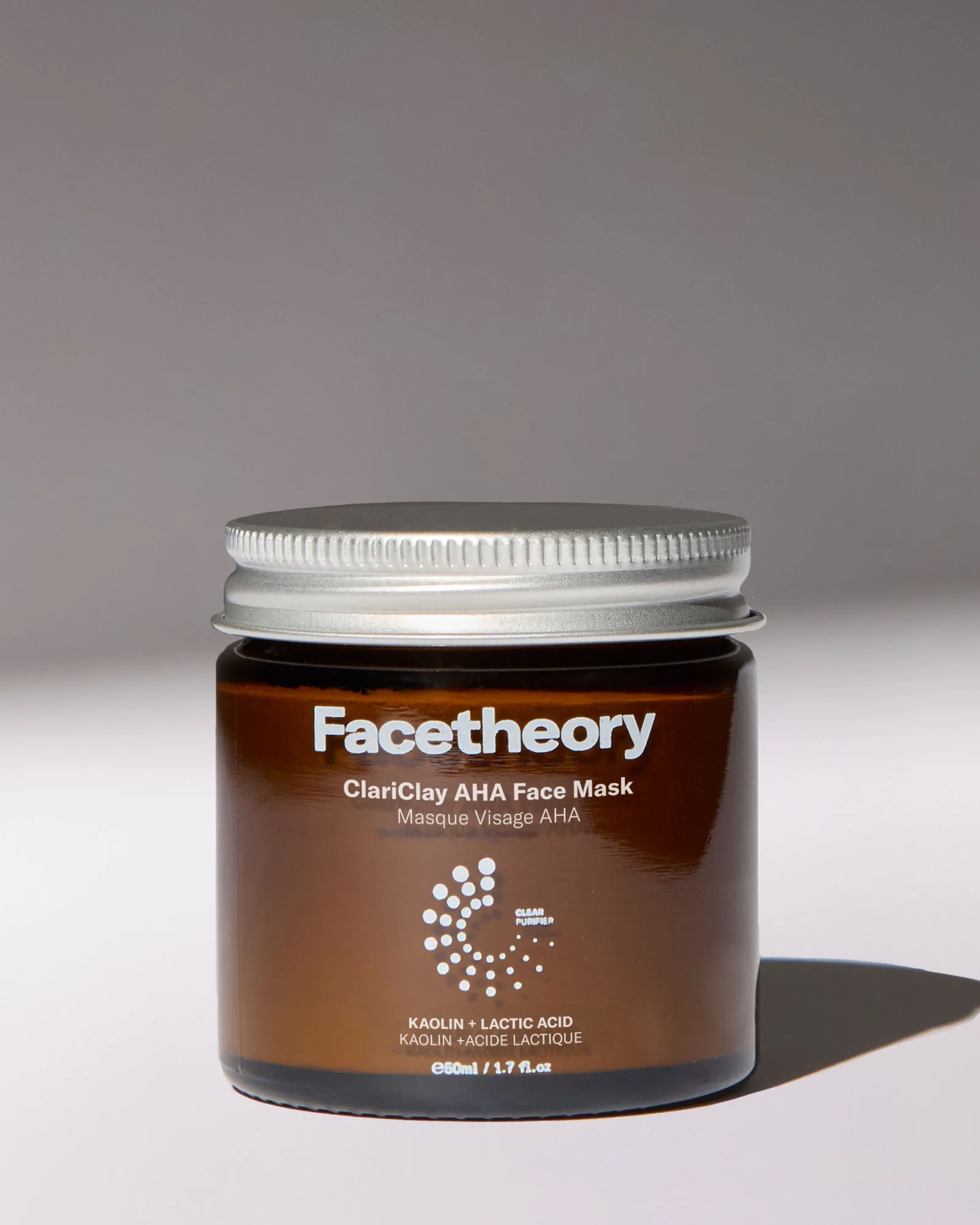
ClariClay AHA Face Mask
- Best for: oily, combination, or acne-prone skin
- Key benefits: unclogs pores, reduces blackheads, calms inflammation
- Common types: salicylic acid
AHA vs BHA: Key Differences at a Glance
To make the choice even clearer, let's compare AHAs and BHAs side by side. The table below summarizes their primary differences, helping you decide which is right for your skin.
- AHA: water-soluble, works on skin surface, best for texture and pigmentation
- BHA: oil-soluble, penetrates pores, best for acne and congestion
- AHA: ideal for dry/normal skin, BHA: ideal for oily/acne-prone skin
- Both can be used at different times or in different areas of the face
When to Use AHAs and BHAs in Your Routine
Timing and frequency are key when incorporating exfoliants. Start by using your chosen product 2-3 times per week, gradually increasing to daily use if your skin tolerates it. Always apply exfoliants to clean, dry skin and follow with a moisturizer. AHAs can increase sun sensitivity, so diligent sunscreen use is non-negotiable.
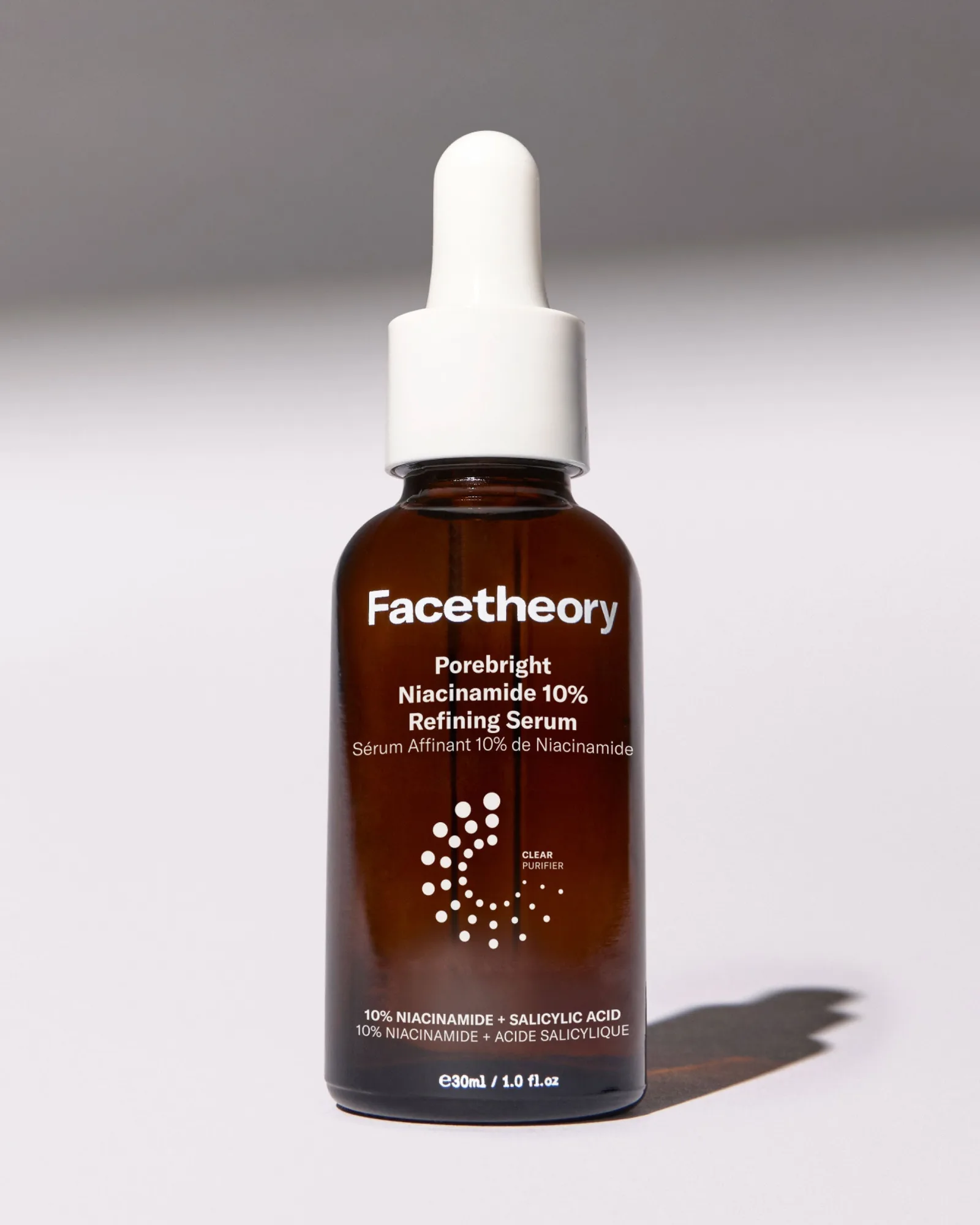
For those new to chemical exfoliation, a gentle approach is best. The Porebright Niacinamide 10% Refining Serum is a fantastic alternative—it combines niacinamide with gentle exfoliating ingredients to refine pores and even skin tone without irritation. This makes it a great choice for beginners or those with sensitive skin who want the benefits of exfoliation without the risk of overdoing it.
- Start slow: 2-3 times per week, then adjust
- Always apply to clean, dry skin
- Never mix with other strong actives like retinol in the same routine
- Wear SPF daily, especially when using AHAs
Can You Use Both AHAs and BHAs Together?
Yes, many people benefit from using both AHAs and BHAs in their routine, but it requires careful planning. A common strategy is to use a BHA in the morning to control oil and unclog pores, and an AHA at night to resurface and brighten. Alternatively, you can alternate nights between the two.
If you prefer an all-in-one solution, look for products that blend both acids at safe concentrations. The Glow-C Deep Resurfacing Toner is a standout example—it features glycolic acid (an AHA) along with brightening vitamin C, offering both surface exfoliation and antioxidant protection. For body exfoliation, the Glow-AHA Refining Body Cream delivers lactic acid to smooth and hydrate rough skin on your arms, legs, and back.
- Alternate days or use AM/PM split
- Look for balanced formulations with both acids
- Listen to your skin—reduce frequency if irritation occurs
Choosing between AHA and BHA doesn't have to be complicated. Remember: AHAs are your go-to for surface glow and texture, while BHAs excel at deep pore cleansing and acne control. Whichever you choose, start slowly and always protect your skin with SPF. Ready to upgrade your exfoliation routine? Explore the Glow-C Deep Resurfacing Toner for a brightening AHA boost that your skin will love.