Exfoliation is a key step in any anti-aging skincare routine, but with so many acids on the market, it's easy to feel overwhelmed. Two of the most popular chemical exfoliants are AHAs (alpha hydroxy acids) and BHAs (beta hydroxy acids). While both work to reveal smoother, brighter skin, they do so in very different ways. Understanding the difference can help you choose the right one for your mature skin.
In this guide, we'll break down the science behind AHA and BHA, compare their benefits, and help you decide which acid—or combination—deserves a spot in your routine. Whether you're dealing with fine lines, dullness, or clogged pores, this comparison will set you on the right path.
What Are AHAs and How Do They Work?
AHAs, or alpha hydroxy acids, are water-soluble acids derived from sugary fruits, milk, or nuts. Common types include glycolic acid (from sugar cane), lactic acid (from milk), and mandelic acid (from bitter almonds). AHAs work by gently dissolving the bonds between dead skin cells on the surface of your skin, allowing them to be sloughed away. This reveals the fresher, younger-looking skin underneath.
For mature skin, AHAs are particularly beneficial because they help improve skin texture, reduce the appearance of fine lines, and boost radiance. They also stimulate collagen production over time, which can lead to firmer, more plump skin. If you're looking for a chemical exfoliant that targets dullness and signs of aging, an AHA is often the go-to choice.
- Water-soluble: works on the skin's surface
- Best for dry, sun-damaged, or aging skin
- Improves texture, tone, and fine lines
What Are BHAs and How Do They Work?
BHAs, or beta hydroxy acids, are oil-soluble acids, with salicylic acid being the most common. Because they are oil-soluble, BHAs can penetrate through sebum (oil) to exfoliate inside the pores. This makes them highly effective at unclogging pores, reducing blackheads and whiteheads, and controlling excess oil. BHAs also have anti-inflammatory properties, which can help calm redness and irritation.
For those with oily or combination skin, or anyone prone to breakouts, a BHA is a powerful tool. While mature skin often leans drier, many women still experience occasional breakouts or enlarged pores. A BHA can address these concerns without stripping the skin of its natural moisture, making it a versatile addition to an anti-aging routine.
- Oil-soluble: penetrates deep into pores
- Best for oily, acne-prone, or congested skin
- Helps unclog pores and reduce inflammation
AHA vs BHA: Key Differences at a Glance
The main difference between AHA and BHA lies in their solubility. AHAs are water-soluble and work on the surface of the skin, while BHAs are oil-soluble and work inside the pores. This fundamental distinction determines which skin concerns they address best. AHAs are ideal for improving texture, brightness, and signs of aging, while BHAs excel at clearing pores and controlling oil.
Another difference is how they interact with the skin barrier. AHAs can be more irritating to sensitive skin, especially at higher concentrations, while BHAs are generally better tolerated by those with sensitive or inflamed skin. However, both acids can be used together in a well-formulated routine, provided you introduce them gradually and use proper sun protection.
- AHA: surface exfoliation, brightening, anti-aging
- BHA: pore exfoliation, oil control, acne-fighting
- Both can be used in the same routine (e.g., AHA at night, BHA in the morning)
How to Choose the Right Acid for Your Skin Type
When deciding between AHA and BHA, consider your primary skin concerns and your skin type. If you have dry, sun-damaged, or aging skin, an AHA like glycolic or lactic acid will help improve texture, fade dark spots, and stimulate collagen. If you have oily, acne-prone, or congested skin, a BHA like salicylic acid will help keep pores clear and reduce breakouts.
For mature skin, many women find that a combination of both acids works best. You might use a BHA to keep pores clear and a gentle AHA to brighten and smooth. However, it's important to start slowly to avoid over-exfoliation. Always patch test new products and consider using them on alternate days or at different times of the day.
- Dry or aging skin: choose an AHA
- Oily or acne-prone skin: choose a BHA
- Combination skin: consider alternating AHA and BHA
Incorporating Exfoliating Acids into Your Mature Skin Routine
Once you've chosen your acid, it's essential to introduce it correctly. Start by using it once or twice a week, then gradually increase frequency as your skin builds tolerance. Always apply acids to clean, dry skin, and follow with a moisturizer to lock in hydration. Because exfoliating acids can increase sun sensitivity, wearing a broad-spectrum sunscreen daily is non-negotiable.
For mature skin, it's also wise to pair your exfoliating acid with supportive, nourishing products. For example, after using a BHA to clear pores, you might follow with a hydrating serum to replenish moisture. This helps maintain a healthy skin barrier and prevents irritation.
- Start with 1-2 times per week, then adjust
- Always use sunscreen during the day
- Pair with hydrating and soothing products
AHA and BHA in Gin Amber Beauty Products
At Gin Amber Beauty, we believe in the power of gentle, effective exfoliation. While our product range focuses on toxic-free, anti-aging skincare, we offer several products that complement an acid-based routine. For instance, our Natural Foam Cleanser is a gentle daily cleanser that doesn't strip the skin, making it a perfect base for your exfoliating acids.
After exfoliating, it's crucial to replenish moisture and support collagen. Our Natural Peptide Serum is formulated to firm and hydrate, helping to counteract any potential dryness from acids. And for deep hydration, our Hydro Mask is an excellent weekly treat to soothe and plump the skin after exfoliation.
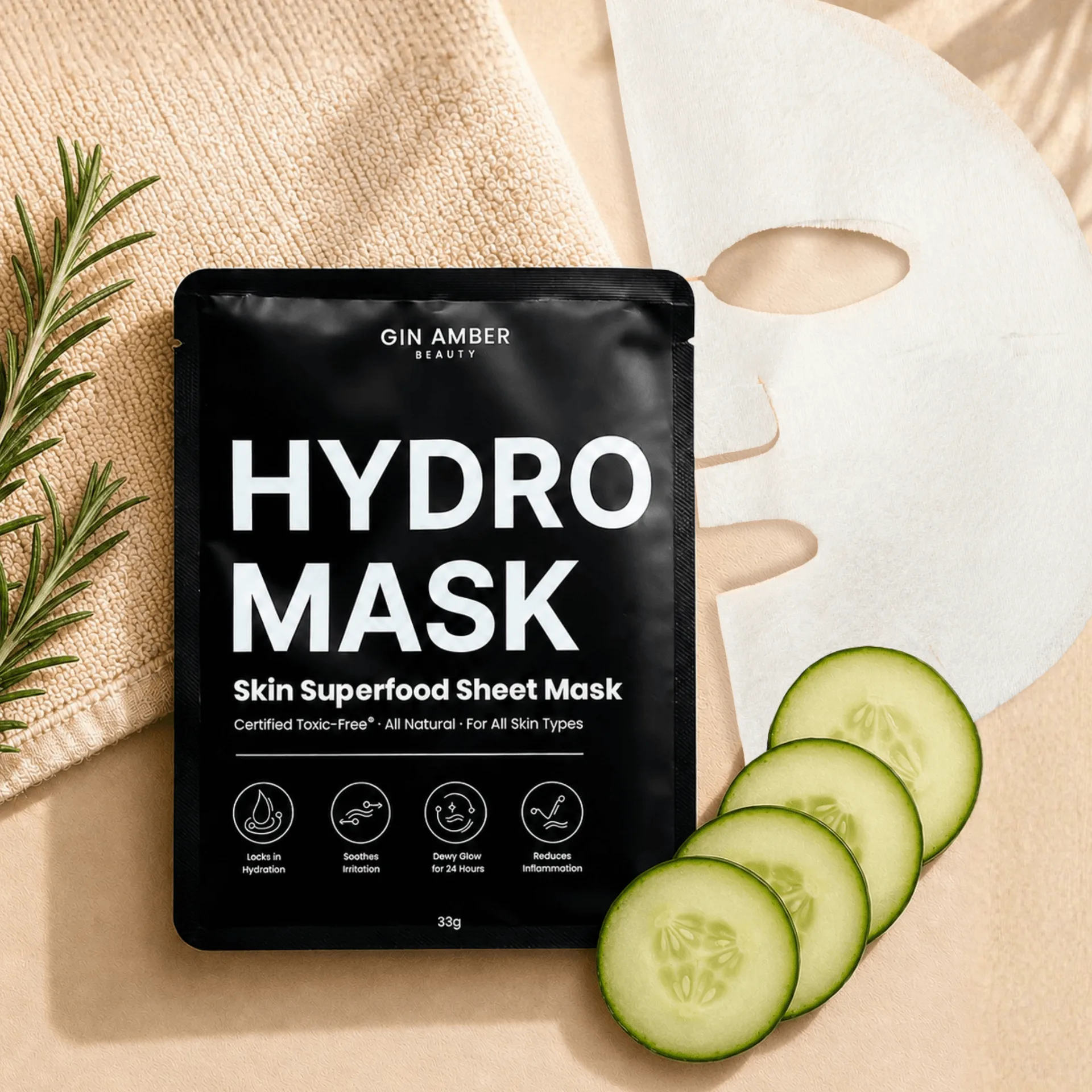
Hydro Mask
- Use a gentle cleanser like Natural Foam Cleanser before acids
- Follow with a hydrating serum like Natural Peptide Serum
- Treat your skin to a Hydro Mask for extra moisture
Choosing between AHA and BHA doesn't have to be complicated. By understanding your skin type and concerns, you can pick the right acid—or combination—to achieve a smoother, more radiant complexion. Remember to start slow, protect your skin from the sun, and always follow with nourishing skincare. Ready to elevate your routine? Explore our Natural Peptide Serum to support your skin after exfoliation.