Quick answer
Choose an air pillow when packed size and weight matter most, and choose a foam pillow when consistent support and no-inflation convenience matter more. If you sleep on your side or move during the night, test an air pillow with a stretchy or baffled surface before committing, because a firm, flat air pillow can leave your neck unsupported.
How air and foam pillows differ in real use
An air pillow is a fabric shell around an inflatable bladder. You control firmness with your breath, and it packs down to roughly the size of a fist or a soda can. A foam pillow is a block of open-cell or shredded foam that holds its shape without inflation and springs back after you roll over. The practical difference shows up in three places: how small it packs, how consistent the support feels at 2 a.m., and how much maintenance it needs over a season.
Air pillows win on volume and weight, which matters on backpacking trips where every liter counts. Foam pillows win on predictability, because the loft does not change if the valve weeps or the temperature drops. Neither type is universally better; the right pick depends on how you sleep and how you carry your gear.
Packability and weight: where air pillows pull ahead
If you are counting grams, an inflatable pillow is usually the lighter and smaller option. It deflates flat, so it slides into a stuff sack pocket or the lid of a backpack. That makes it the natural choice for thru-hikes, bikepacking, and any trip where you carry your sleep system on your back.
The trade-off is setup and fragility. You inflate it each night, and a puncture or a dirty valve can end its usefulness. Carry a repair patch and clear grit from the valve before you pack it away. A foam pillow, by contrast, cannot deflate, so it takes up space in your pack even when you are not using it.
Support and comfort: where foam pillows pull ahead
Foam holds a consistent height through the night. If you sleep on your back or stomach, that steady loft keeps your head level without repeated adjustment. Shredded foam lets you push material around to fine-tune the shape, which some campers prefer to a single air chamber.
Air pillows can feel firmer and bouncier. Under-inflating helps, but too little air creates a hammock effect that lets your head sink. Side sleepers need enough height to fill the gap between the shoulder and the ear; a low-profile air pillow often falls short unless it has a shaped or stretch surface. This is the same fit problem that makes mattress thickness matter for side sleepers, and it is worth testing at home before a trip.
Durability, care, and cold weather
Foam is simple: air it out after each trip, keep it dry, and it holds up for years. It does not puncture, and it does not need a valve. The downside is bulk and the fact that foam can absorb moisture if you store it damp.
Air pillows need more attention. Sand in the valve, sharp debris under your tent, and temperature swings all affect performance. Cold air contracts, so a pillow that felt firm at bedtime can feel soft by morning. Add a few breaths before sleep if that happens. Neither type is immune to wear, but foam fails gradually while an air pillow can fail suddenly.
Matching the pillow to your sleep position
Back sleepers usually do fine with a lower profile, so either type works. Stomach sleepers need a thin pillow or none at all. Side sleepers need the most height and the most consistent support, which is where a foam pillow or a well-shaped air pillow earns its place.
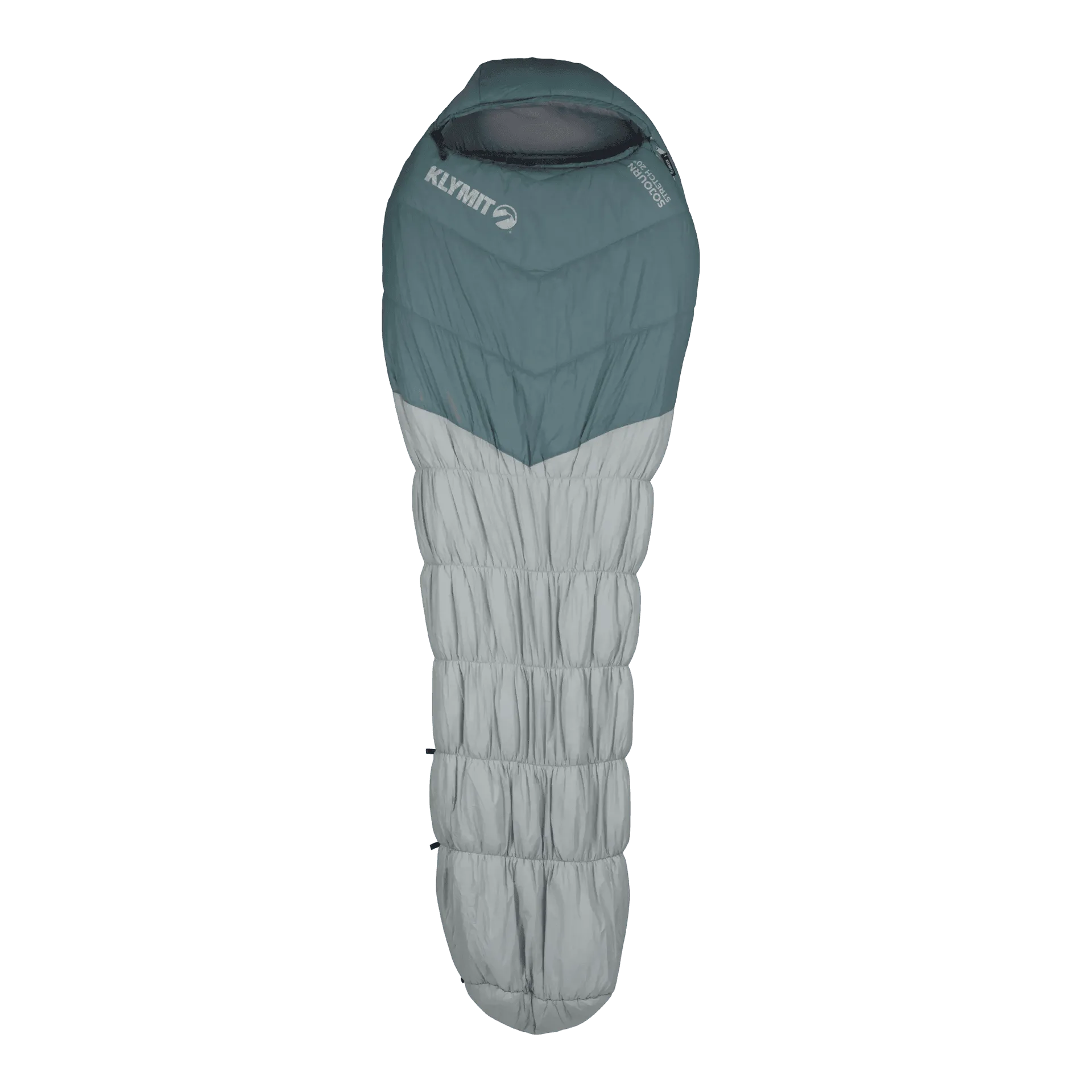
If you already carry a stretchy, baffled sleeping bag, a pillow with some give tends to pair better than a rigid block. The Sojourn Stretch 20 uses stretch baffles and Signature Length Locks to adjust around your height, and a pillow that compresses under your head follows the same logic. The goal is a neutral neck, not a hard surface.
Packing extras that change the decision
Your pillow choice does not exist in isolation. If you drive to the trailhead, bulk matters less, so foam becomes easier to justify. If you fly or backpack, air wins. Cargo space on the vehicle can also free up room for a bulkier pillow and a full sleep kit.
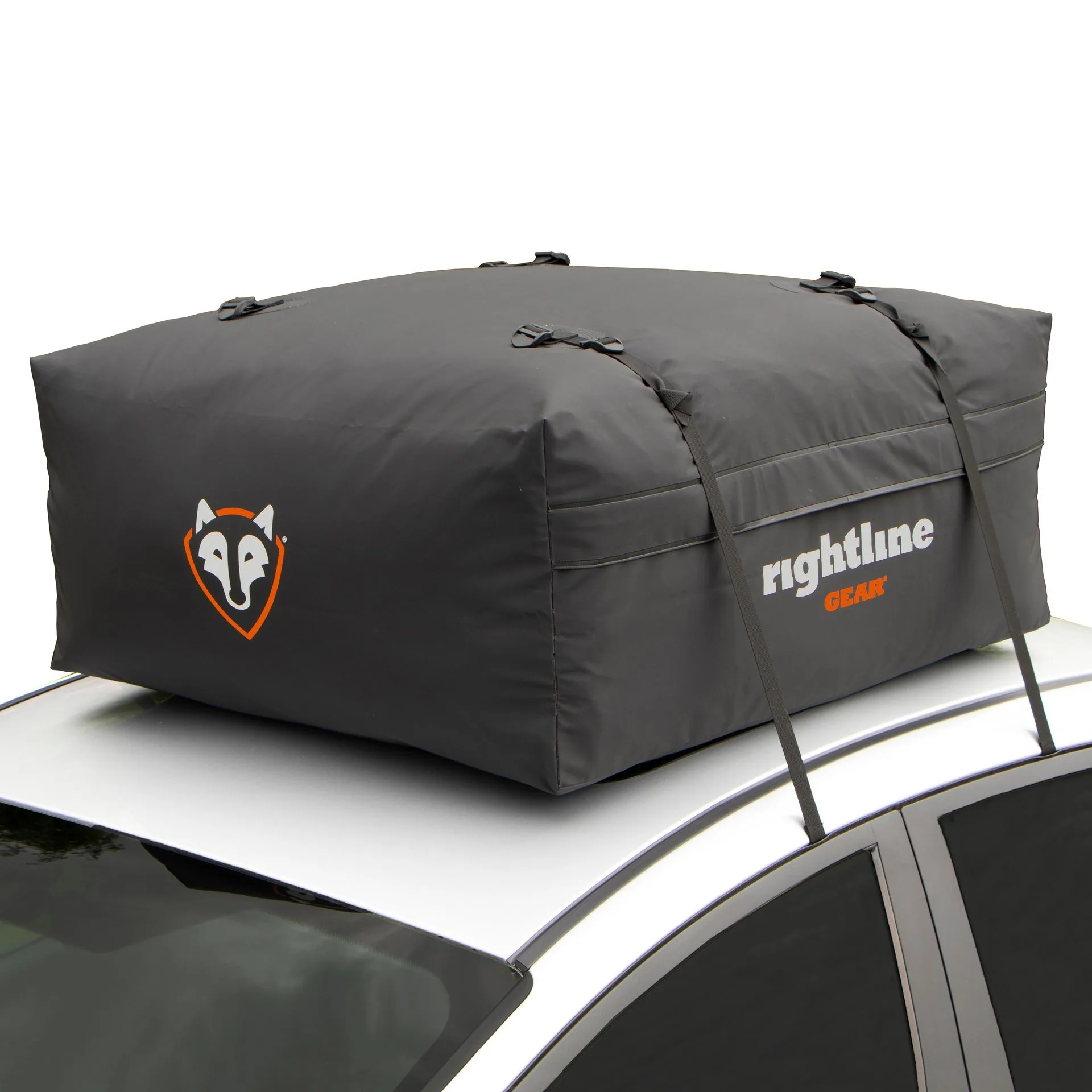
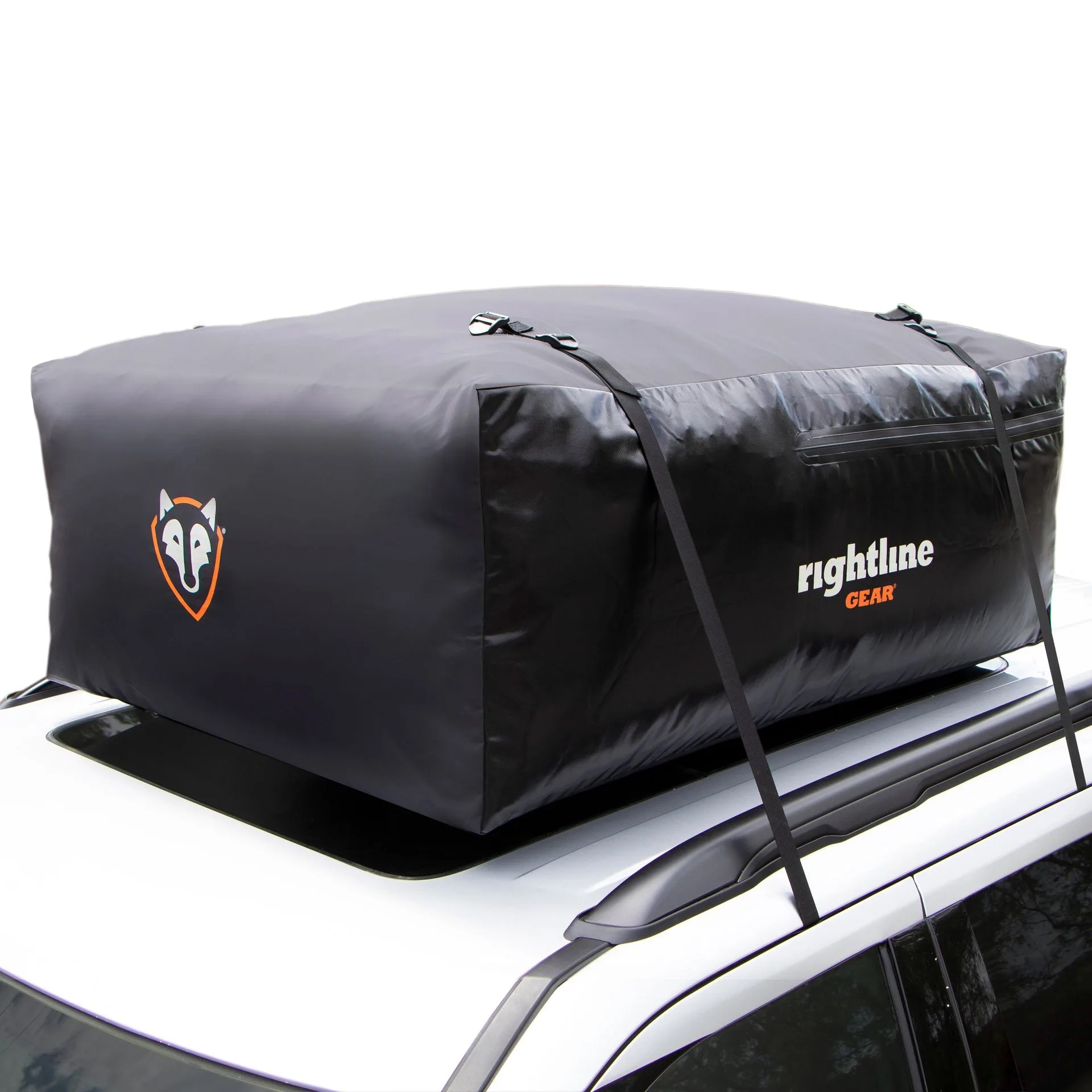
The Rightline Gear Sport 3 Car Top Carrier is 100% waterproof and attaches to vehicles with or without a roof rack, using straps on a rack or Car Clips on the door frame weather molding. The PVC Semi-Coated Mesh XT shell is UV protected. That kind of exterior storage lets you bring a foam pillow and a larger bag without crowding the cabin, which shifts the air-versus-foam decision toward comfort. The Range Jr Cargo Carrier uses the same attachment approach and materials in a smaller size, so it suits shorter trips where you still want weatherproof overflow space.
Air vs foam trade-offs at a glance
- Packed size: Air pillows compress to a fist-sized bundle; foam pillows keep their bulk in your pack all day. Backpacking and bikepacking favor air; car camping can absorb foam.
- Nightly support: Foam holds a steady height; air can soften with temperature drops or a slow valve leak. If you wake up adjusting your pillow, foam is the more predictable choice.
- Durability and care: Foam needs drying and storage space; air needs valve cleaning and puncture repair. Pick the maintenance routine you will actually keep up with.
- Side-sleeper fit: Side sleepers need height between shoulder and ear; a flat, firm air pillow often falls short. Test your pillow at home on your side before you rely on it outdoors.
Products that support either setup
- Rightline Gear® Sport 3 Cargo Carrier: The Rightline Gear Sport 3 Car Top Carrier is 100% waterproof and attaches to vehicles with or without a roof rack, using straps on a rack or Car Clips on the door frame weather molding. It is made from UV protected PVC Semi-Coated Mesh XT. Weatherproof exterior storage frees cabin space, so you can pack a bulkier foam pillow without sacrificing room for other gear.
- Rightline Gear® Range Jr Cargo Carrier: The Rightline Gear Range Jr Cargo Carrier is weatherproof and attaches to vehicles with or without a roof rack, using straps on a rack or Car Clips on the door frame weather molding. It is made from UV protected PVC Semi-Coated Mesh XT. A smaller carrier covers weekend trips where you want overflow space for a pillow and sleep system but do not need the largest option.
- Sojourn Stretch 20™ Sleeping Bags: The Sojourn Stretch 20 is a three-season bag with stretch baffles for freedom of movement and Signature Length Locks that adjust the bag to your height. A bag that moves with you pairs well with a pillow that has some give, which is worth considering if you roll over during the night.
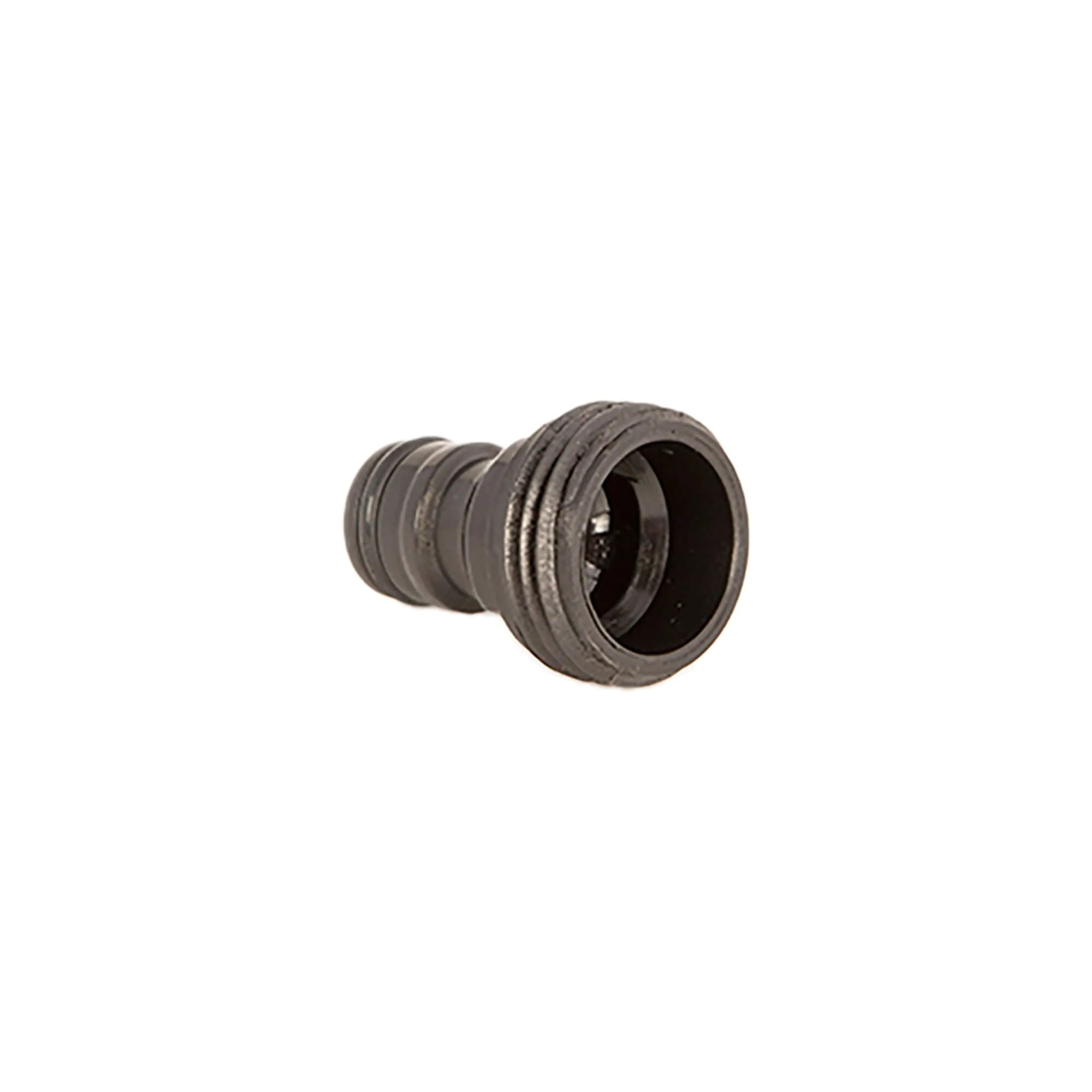
- Quick Connect Male: The Quick Connect Male is a replacement insert for the WaterPORT spray nozzle, connecting at the end of the nozzle to maintain a secure fit. A small spare like this is easy to overlook, but a secure connection keeps your hydration or spray system working on the same trip where your sleep kit matters.
Which type fits your trip
Choose air if you
- carry your sleep system in a backpack and count every ounce
- sleep on your back or stomach and prefer a lower profile
- want a pillow that disappears into a stuff sack or pack lid
Choose foam if you
- sleep on your side and need consistent height through the night
- prefer no inflation, no valves, and no puncture risk
- drive to camp and have room for bulkier gear