Quick Answer
Choose a fine nozzle when you need tight detail, low paint volume, and close-in control; choose a standard nozzle when you want broader coverage, faster base coats, and more forgiving paint flow. The decision only works if the nozzle matches your spray gun model, so check compatibility before buying. If you already own a Standard Class spray gun, the Fine needle and Fine paint nozzle are the correct conversion path.
What Actually Changes Between Fine and Standard
A nozzle size change is not just a smaller hole. It changes how much paint leaves the tip, how finely the paint must be thinned, and how close you need to work. A fine setup lays down a narrower pattern with less volume, which suits panel lines, small cockpit parts, and freehand camouflage edges. A standard setup lays down more paint across a wider pattern, which suits hulls, wings, and large single-color areas.
The trade-off is speed versus control. Fine nozzles reward patience and well-thinned paint; standard nozzles tolerate slightly thicker mixes and cover larger surfaces with fewer passes. If you spray unthinned or heavy paint through a fine nozzle, you will get spitting, clogging, or a broken pattern, not better detail.
How to Match a Needle and Nozzle to Your Spray Gun
Nozzle and needle sizes are not universal. A part sold for one spray gun family will not necessarily fit another, even if the thread looks similar. The safest approach is to identify your spray gun model first, then buy the needle and nozzle listed for that exact model.
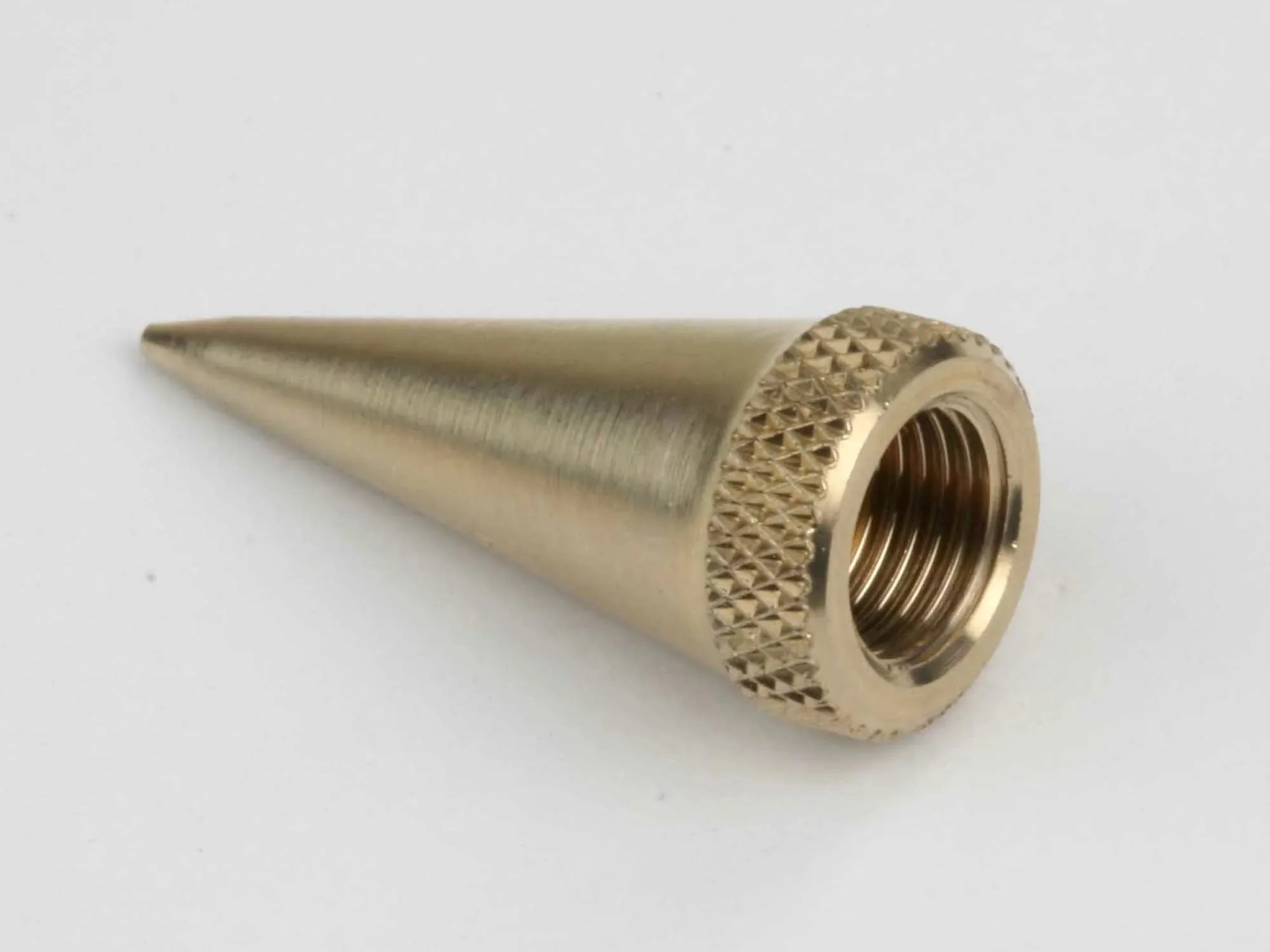
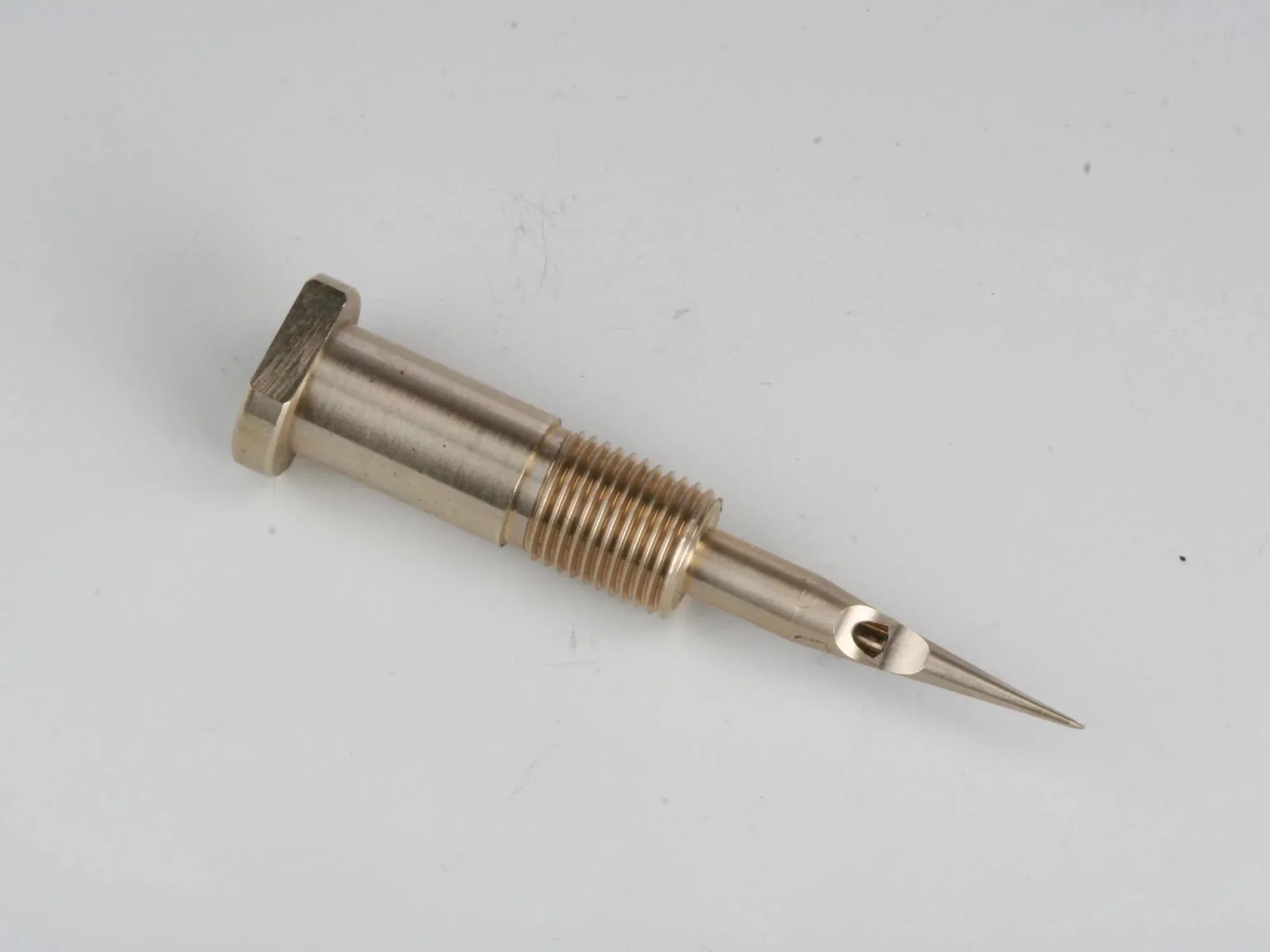
The supplied catalog facts make this concrete: the Needle "Fine" (39101) and Paint Nozzle "Fine" (39101) are both listed as accessories for the Spray Gun Standard Class (item no. 39101 or item no. 39201). That is a compatibility statement, not a general size claim. If your gun is a different model, do not assume these parts will fit.
Thinning and Pressure Follow the Nozzle, Not the Other Way Around
Once you change to a finer nozzle, revisit your paint mix and air pressure. Fine setups generally want thinner paint and lower pressure so the needle can atomize without spitting. Standard setups can run slightly thicker paint and a bit more pressure for coverage. If you keep the same mix after a nozzle change, the result will usually be either clogging or a run.
Test on scrap plastic or an old model part before committing to a visible surface. Adjust thinner in small increments and note what worked; that note becomes your starting point next time.
When a Second Nozzle Beats a Second Airbrush
If your spray gun accepts interchangeable needles and nozzles, buying the conversion parts is usually cheaper and takes less shelf space than a second gun. It also keeps your trigger feel and cleaning routine consistent. The catch is changeover time: swapping a needle and nozzle mid-project means cleaning, reassembly, and re-testing.
If you regularly switch between broad base coats and fine detail in the same session, a second gun may save more time than the parts cost. If your work is mostly one style per project, a single gun with a spare needle and nozzle set is the more practical route.
Where the Rest of Your Project Fits In
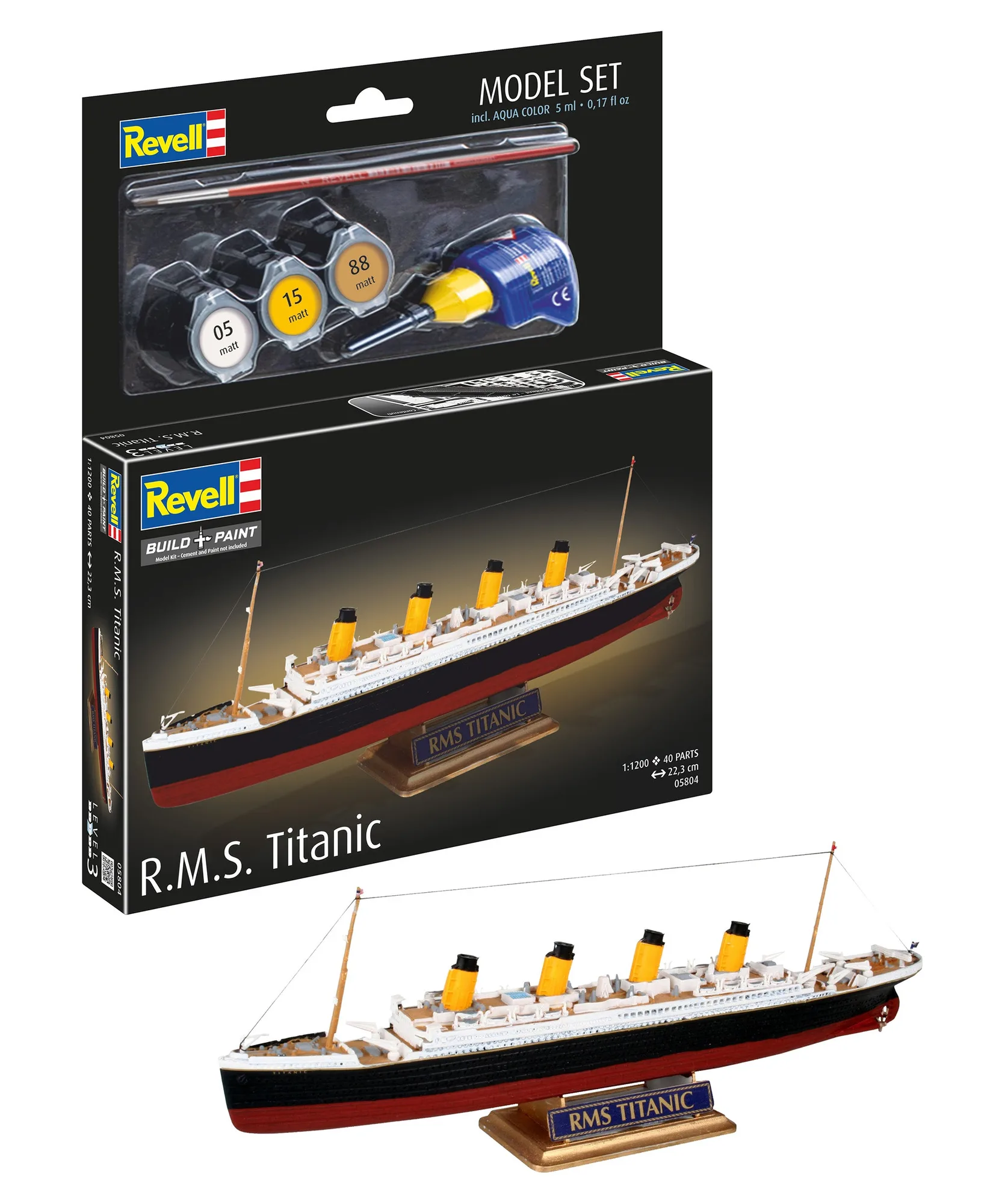
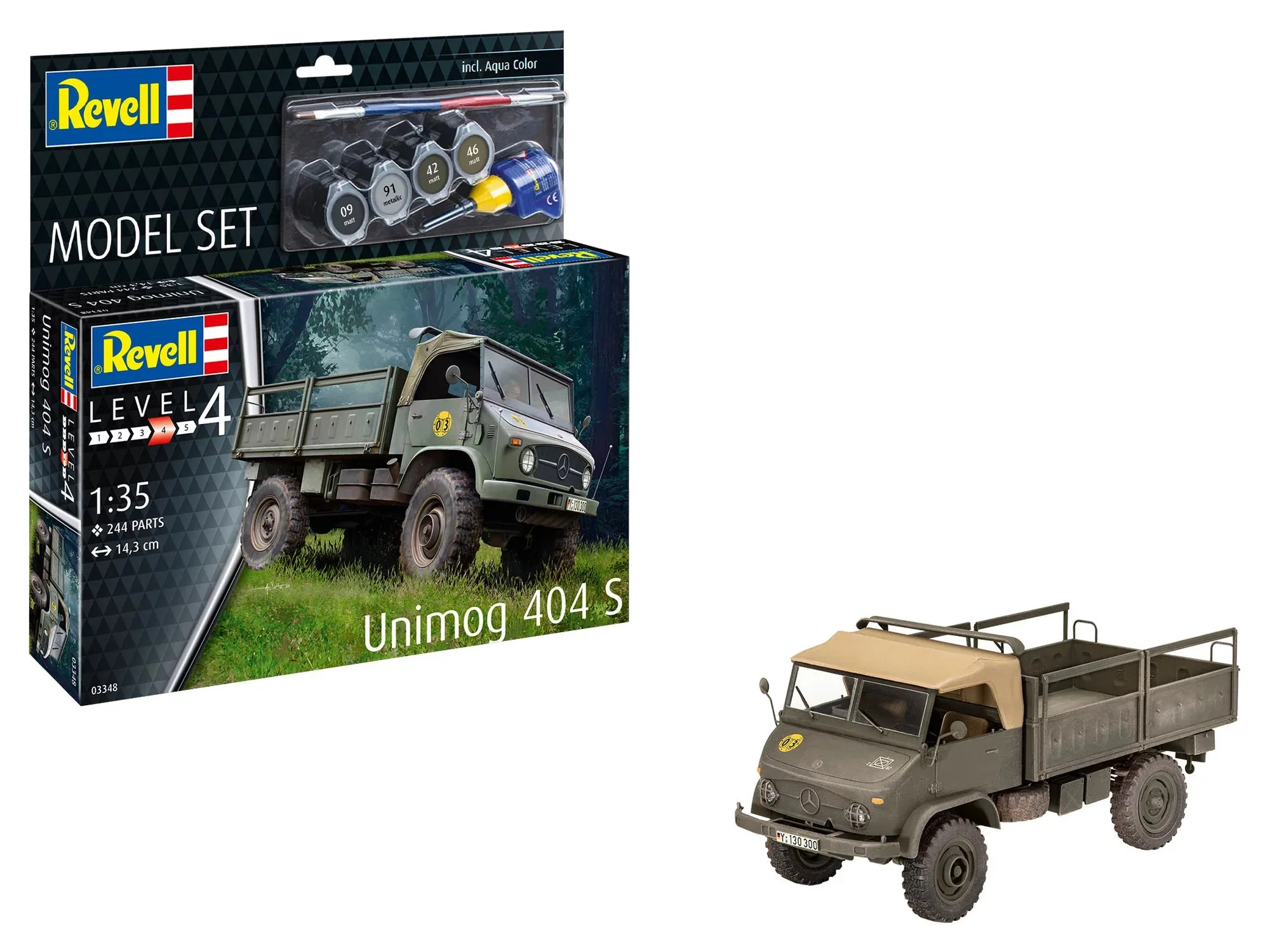
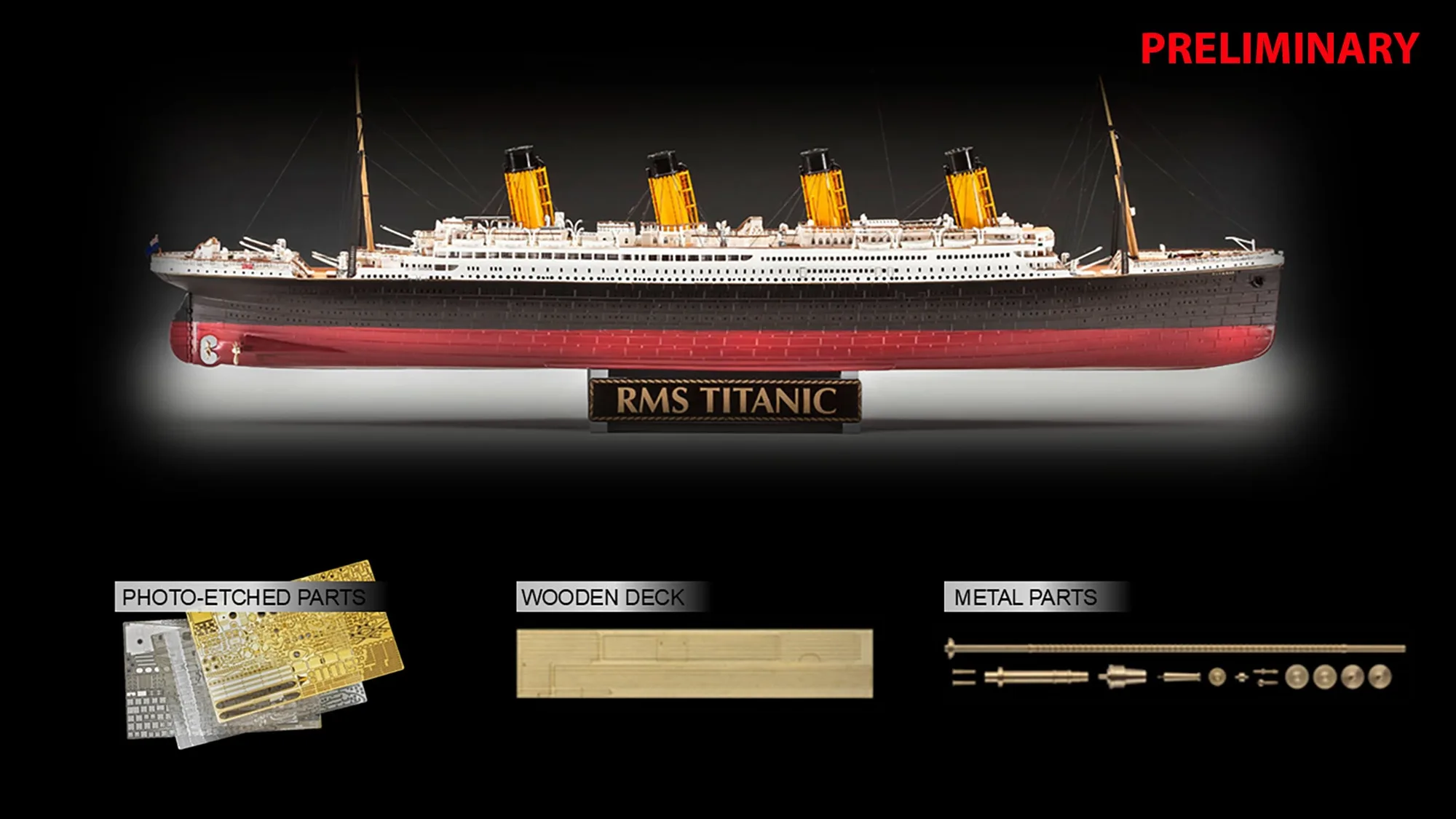
Airbrush choices do not exist in isolation. A kit like the Model Set Unimog 404 S has a detailed chassis and driver's cab, which rewards a fine setup for interior and underbody work, while the Titanic model set is a larger hull and deck subject that benefits from broader coverage. Match the nozzle to the surface area in front of you, not to a general preference.
Titanic
Keep spare needles and nozzles on hand if you spray often. A bent needle or a clogged nozzle mid-project is a common reason a paint session stalls, and having the replacement already in your drawer keeps the build moving.
Decision Rules: Pick Your Nozzle in Under a Minute
- Rule 1: Match the gun first: Identify your spray gun model before comparing nozzle sizes. The Needle "Fine" (39101) and Paint Nozzle "Fine" (39101) are listed only for the Spray Gun Standard Class (item no. 39101 or 39201). If your gun is not that model, stop and find the correct part for your gun.
- Rule 2: Choose fine for detail, standard for coverage: Fine nozzles suit panel lines, cockpits, figures, and tight camouflage. Standard nozzles suit hulls, wings, and large single-color areas where speed matters more than precision. Match the nozzle to the largest surface you will spray most often.
- Rule 3: Re-thin when you change nozzles: A finer nozzle usually needs thinner paint and lower pressure; a standard nozzle tolerates a slightly thicker mix. Do not carry the same mix across a nozzle change without testing. Test on scrap before spraying a visible part.
- Rule 4: Buy a spare, not a duplicate gun: If you already own a compatible gun, a spare needle and nozzle set is cheaper and takes less space than a second airbrush. Choose a second gun only if you switch between fine and broad work many times per session. One gun plus spare parts covers most modelers.
Catalog Facts That Affect Your Choice
- Needle "Fine" (39101): Accessory for converting your spray gun to the "Medium" needle, suitable only for the Spray Gun Standard Class (item no. 39101 or item no. 39201). Useful if you want a middle ground between fine detail and broad coverage, but only if you own that specific spray gun family.
- Paint Nozzle "Fine" (39101): Accessory for converting your spray gun to the Fine paint nozzle, suitable only for the Spray Gun Standard Class (item no. 39101). This is the fine-detail path for Standard Class owners; confirm your gun model before ordering.
- Model Set Unimog 404 S: Model kit of the Unimog 404 S with a very detailed chassis and driver's cab, plus authentic markings for two 1960s units. A subject with small interior and chassis detail is a good reason to keep a fine nozzle option available.
- Model Set R.M.S. Titanic: Model Set https://revellesy.com/products/052109090-r-m-s-titanic-be4b1a25bfc66918fb25447f-1571918R.M.S. Titanic representing the White Star Line liner that struck an iceberg on April 14, 1912. A larger hull and deck subject is where a standard nozzle's broader coverage and faster passes pay off.
Is This Nozzle Choice Right for You?
Best for
- Modelers who already own a Spray Gun Standard Class (item no. 39101 or 39201) and want a fine-detail option
- Builders who spray small interior, chassis, and cockpit parts and need tighter control
- Anyone who wants to convert an existing compatible gun instead of buying a second airbrush
Not for
- Owners of a different spray gun model, since these parts are listed only for the Standard Class guns
- Modelers who mostly spray large hulls and wings in single colors and rarely need fine detail
- Anyone unwilling to adjust paint thinning and pressure after a nozzle change