Quick answer
Choose an airbrush when you need fine control, thin layers, and precise highlights on miniatures. Pick spray paint (rattle can) when you want fast coverage on large surfaces or a durable primer coat without investing in compressor gear.
Control and Precision
An airbrush lets you vary air pressure and paint flow to create soft gradients, zenithal highlights, and tight details on a single miniature. Spray paint delivers a uniform coat over a large area but lacks the ability to adjust on the fly—you get one pattern per can. For small-scale work like painting a face or blending armor panels, the airbrush wins. For priming a whole squad in one pass, the rattle can is faster.
Cost and Setup
Setup
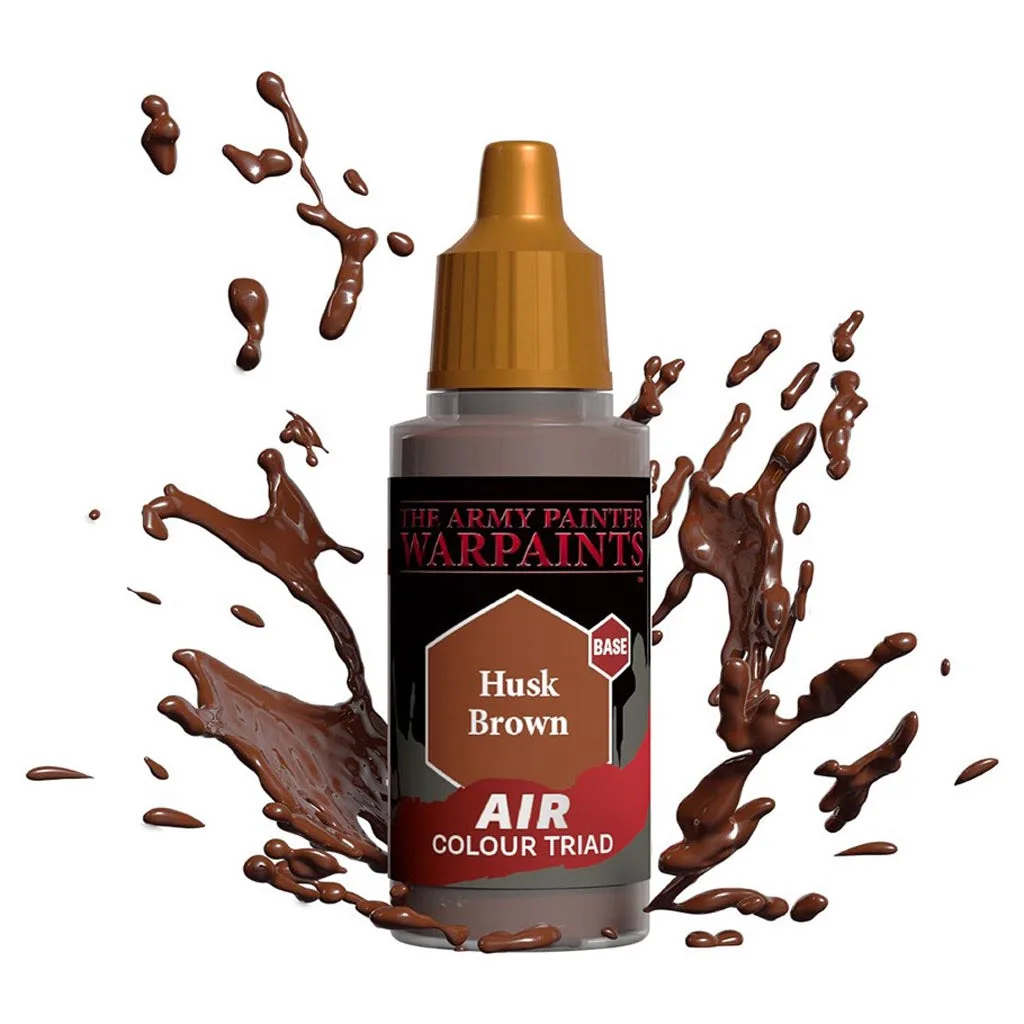
A basic airbrush setup (compressor, hose, brush) starts around $80-$120, plus you need thinners and cleaner. Spray paint cans cost $5-$15 each and require no extra gear. However, airbrush paint goes further: a 18ml bottle of Warpaint Air can cover many models, while a rattle can empties after a few squads. If you paint infrequently, spray paint is cheaper to start. If you paint regularly, the airbrush pays off in lower per-model paint cost.
Cleanup and Maintenance
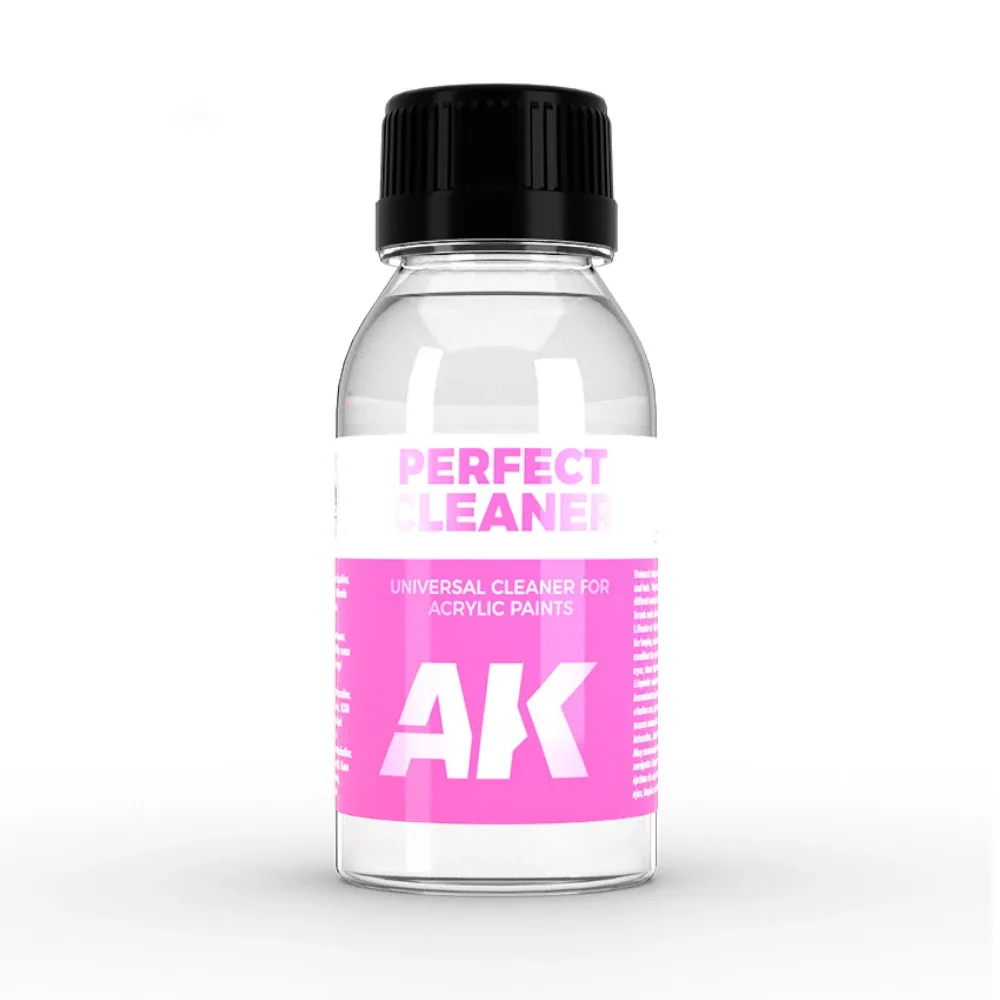
Spray paint cleanup means putting the cap back on and storing the can. Airbrush cleaning takes a few minutes: flush with cleaner, disassemble the nozzle, and wipe the needle. A dedicated cleaner like AK Interactive Perfect Cleaner doubles as a lubricant for short breaks, keeping the needle from clogging. If you value instant cleanup, spray paint wins. If you can spare five minutes after a session, the airbrush’s precision is worth the routine.
Airbrush vs Spray Paint: Tradeoffs at a Glance
- Layer control: Airbrush: you can build up thin, translucent layers for smooth blends. Spray paint: each pass lays down a thicker coat, making it harder to avoid filling detail. Use airbrush for highlight gradients and subtle color shifts; use spray paint for a solid base coat.
- Surface coverage speed: Spray paint covers a large model or multiple miniatures in seconds. Airbrush requires more passes and a steady hand, especially on big flat areas. For priming a whole army or painting terrain, spray paint saves time. For single character models, airbrush gives better results.
- Paint waste and cost per model: Airbrush uses a few drops per miniature; leftover paint can be saved. Spray paint wastes overspray and the can is gone once empty. If you paint many models, airbrush is more economical in the long run. If you only paint occasionally, spray paint avoids upfront gear cost.
Product facts that matter
- AK Interactive: Perfect Cleaner (100ml Bottle): Cleaning solution designed for brushes and airbrushes. Can function as a lubricant when you want to leave and rest your airbrush for a couple of hours and keep the needle clean. Comes in a 100ml bottle. Airbrush users need a cleaner that also prevents dried paint from jamming the needle. This product saves time during breaks and extends the life of your airbrush.
- The Army Painter Warpaint Air - Husk Brown: Warpaint Air is a line of acrylic airbrush-ready paints with ultra-filtered vibrant pigments and a stable resin solution. 18ml dropper bottles that match or complement The Army Painter spray primers and Quick Shade line. If you choose an airbrush, this paint is pre-filtered and ready to spray, reducing clogging and giving consistent coverage. The dropper bottle lets you measure drops precisely.
Which method fits you?
Best for
- Hobbyists who want smooth color transitions and precise highlights on individual miniatures
- Painters who work on multiple models per week and want lower per-model paint cost
Not ideal for
- Beginners on a tight budget who want to start painting immediately without buying a compressor
- Modelers who only need to prime large terrain pieces or whole squads quickly