Quick Answer
Choose the RG52 Pro Max if you want flagship speed, a 1920×1080 display, and Android game support. Choose the RG52 MINI if you prefer a lower price, dual retro-focused systems, and a 720×1280 screen that still looks sharp. Both share the same 5.5-inch size, so the real trade-off is performance and OS flexibility versus cost.
Performance and System Differences
The RG52 Pro Max runs on a Unisoc S8000 (6nm) chip with 4×A76 + 4×A55 cores and 6GB RAM. That architecture handles Android games and 20+ classic systems, from 8-bit titles to advanced 3D games. The RG52 MINI uses an RK3562 quad-core chip with EmuELEC and RGBOX dual systems, tuned for retro and 3D gaming with fast response. If you want to install Android apps and play modern mobile titles, the Pro Max is the clear choice. If your library is mostly emulated classics and you value a streamlined retro interface, the MINI covers that well.
Display and Build Similarities
Both handhelds use a 5.5-inch IPS screen, so the physical size in your hands is nearly identical. The Pro Max pushes 1920×1080 Full HD for sharper visuals and vibrant colors. The MINI offers 720×1280 HD with full lamination and anti-glare technology, which reduces reflections and keeps text and sprites readable. For pixel-art games, the MINI's lower resolution can actually look more natural; for 3D titles and Android games, the Pro Max's higher pixel density pays off.
Price and Value Positioning
At $212.99 (compared to a $299.99 list price), the RG52 Pro Max sits in flagship territory. The RG52 MINI is $98.99 (compared to $149.99), roughly half the cost. That gap buys you the faster chip, double the RAM, and a Full HD panel. If you play a few hours a week and stick to 2D classics, the MINI delivers strong value. If you want one device that can also run Android games and heavier 3D emulation, the Pro Max justifies the extra spend.
Trade-Offs to Weigh Before You Buy
- Performance vs. Price: The Pro Max costs about $114 more than the MINI. You get a faster chip, 6GB RAM, and Android support. The MINI saves money but limits you to its dual retro systems. If you only play 2D classics, the MINI is the better value. If you want Android games and smoother 3D, pay for the Pro Max.
- Screen Resolution vs. Retro Aesthetics: The Pro Max's 1920×1080 panel is sharper for 3D and text. The MINI's 720×1280 screen with anti-glare and lamination may look more authentic for pixel art and is easier to read outdoors. Match the screen to your library: high-res for modern games, lower-res for retro purists.
- System Flexibility vs. Simplicity: The Pro Max runs Android plus 20+ classic systems, giving you app stores and streaming. The MINI boots directly into EmuELEC or RGBOX, which is simpler and faster for retro-only use. Choose the Pro Max if you want one device for everything. Choose the MINI if you want a dedicated retro machine with less setup.
Key Specs at a Glance
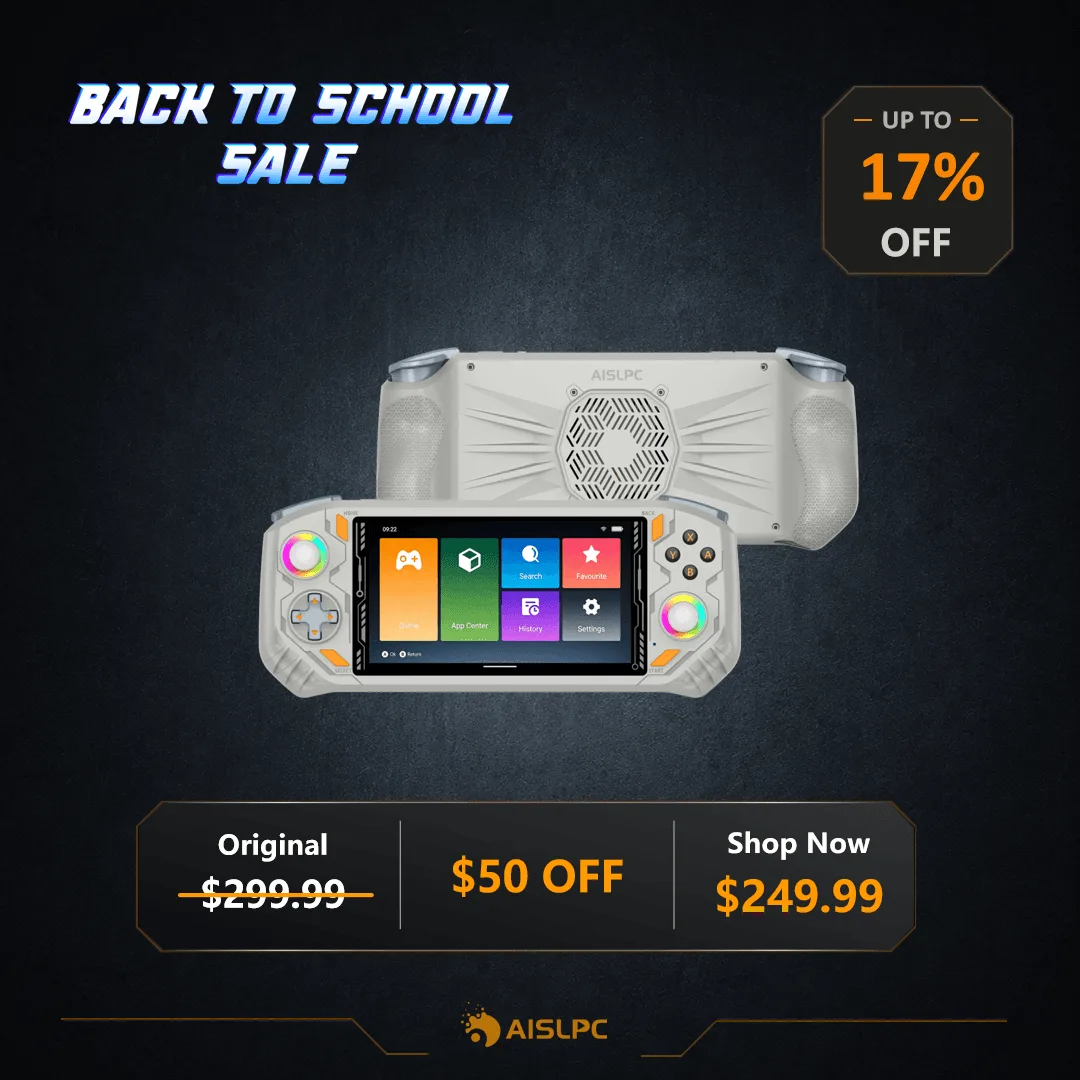
- AISLPC® - RG52 Pro Max Retro Handheld Game Console: Unisoc S8000 (6nm) with 4×A76 + 4×A55 architecture and 6GB RAM. This is the main reason the Pro Max handles Android games and advanced 3D titles smoothly, with faster loading than the MINI.
- AISLPC® - RG52 Pro Max Retro Handheld Game Console: 5.5-inch IPS Full HD display (1920×1080). Higher pixel density makes text, UI, and 3D games look sharper, though it can make raw pixel art appear less blocky than on a lower-res screen.
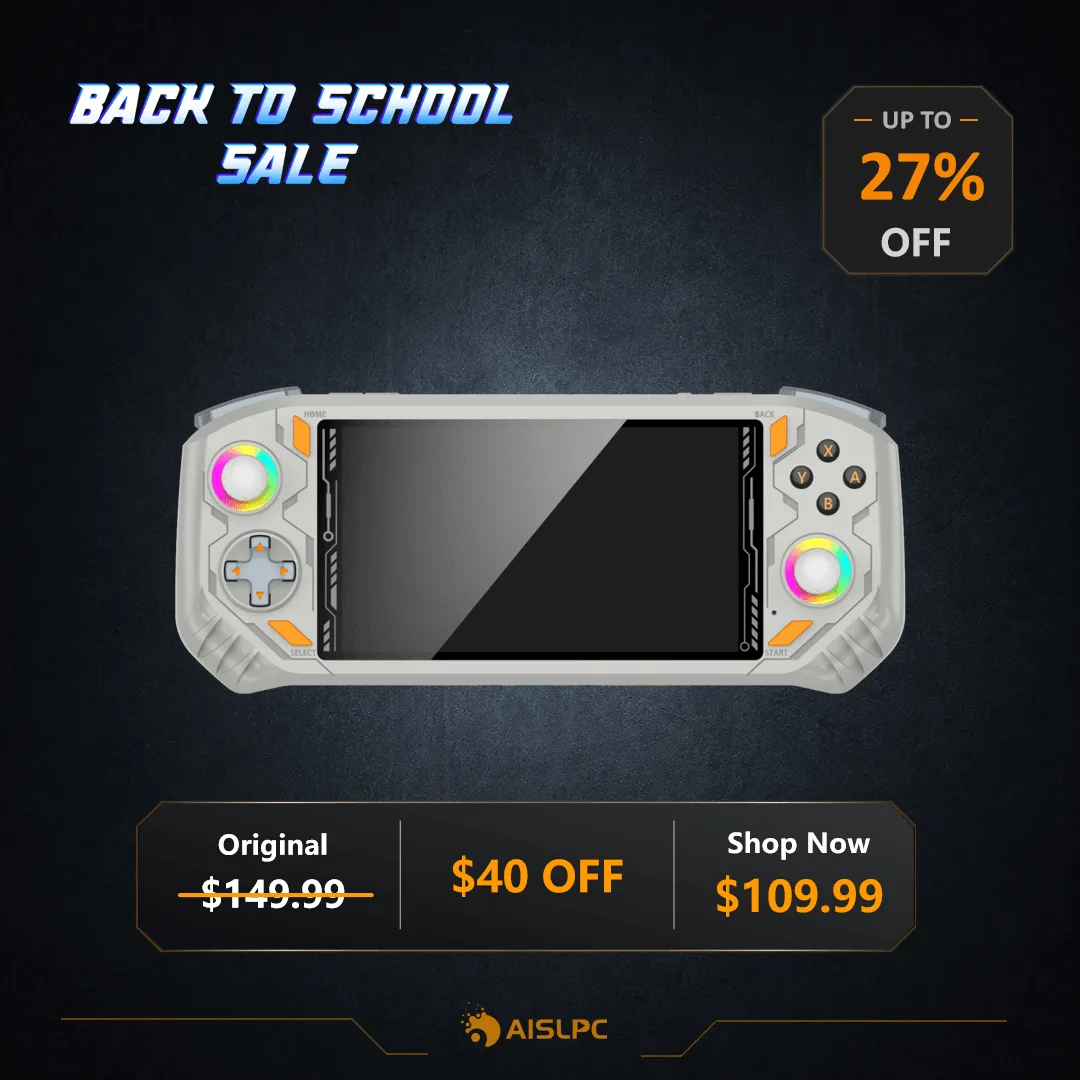
- AISLPC® - RG52 MINI Retro Handheld Game Console: RK3562 quad-core chip with EmuELEC and RGBOX dual systems. Dual retro-focused systems give you a fast, stable experience for classic and 3D emulation without the overhead of Android.
- AISLPC® - RG52 MINI Retro Handheld Game Console: 5.5-inch IPS screen with 720×1280 HD resolution, full lamination, and anti-glare technology. The laminated anti-glare panel reduces reflections and keeps retro games readable, and the lower resolution is often preferred for pixel-perfect scaling.
Which RG52 Is Right for You?
Best for
- Gamers who want to play Android titles and advanced 3D emulation on the go
- Players who value a sharp 1920×1080 display and 6GB RAM for fast loading
- Buyers willing to spend more for flagship performance and future flexibility
Not for
- Budget-focused buyers who mainly play 8-bit and 16-bit classics
- Users who prefer a simple, retro-only interface without Android overhead
- Anyone who wants the lowest possible price and does not need Full HD