When it comes to adding fine details to your model kits, the choice of medium can make or break the final result. For years, traditional acrylic paints have been the go-to for modelers, but a new contender has emerged: AK watercolor pencils. These versatile tools promise the precision of a pencil with the blendability of paint, offering a fresh approach to detailing. In this comparison, we'll dive deep into the strengths and weaknesses of AK watercolor pencils versus traditional acrylic paints, helping you decide which is best for your next project.
Whether you're a seasoned builder or just starting out, understanding the differences between these two mediums is crucial. From application techniques to durability, we'll cover everything you need to know. Plus, we'll look at how you can combine both for the best of both worlds, and we'll reference some popular products from Panda Hobby to get you started.
What Are AK Watercolor Pencils?
AK watercolor pencils are a unique addition to the modeler's toolkit. Unlike traditional colored pencils, these are water-soluble, meaning you can activate the pigment with a damp brush to create washes, gradients, and smooth transitions. This makes them ideal for shading, weathering, and adding subtle color variations to your models. The 'AK' brand is known for its high-quality hobby paints and accessories, and their watercolor pencils are no exception.
For example, the AK10008 Watercolor Pencil Dark Green is a popular choice for adding realistic green tones to military models or foliage. Similarly, the AK11038 Gen-3 Pale Yellow 17ml is a traditional paint that offers a different approach. While both can achieve similar color results, the application method and finish differ significantly.
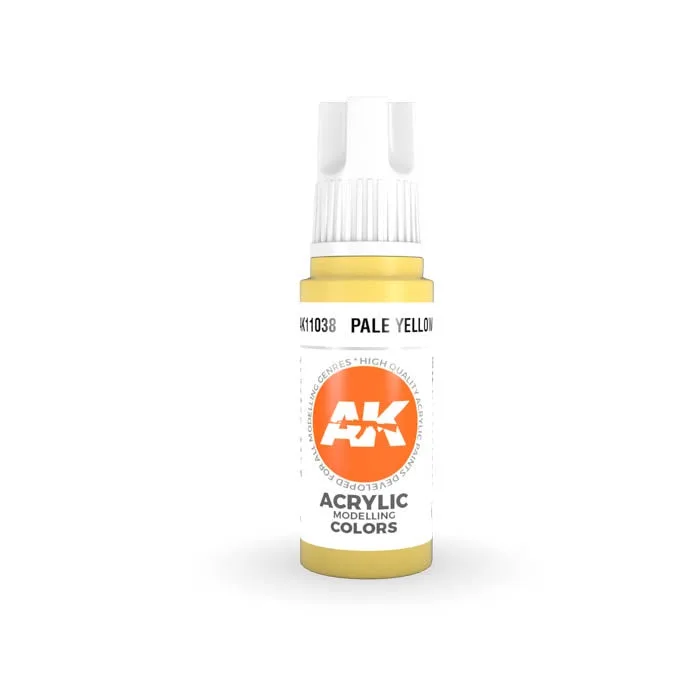
AK11038 Gen-3 Pale Yellow 17ml
- Water-soluble: can be used dry or activated with water
- Great for fine details and controlled application
- Easy to correct mistakes: just wipe with a damp cloth
Traditional Acrylic Paints: The Tried-and-True Classic
Acrylic paints have been a staple in model building for decades. They offer excellent coverage, durability, and a wide range of colors. Acrylics can be applied with a brush or airbrush, and they dry quickly, allowing for fast layering. However, they require thinning and careful application to avoid brush strokes, and mistakes are harder to fix once the paint dries.
For instance, the Tamiya XF-2 Flat White Mini (Acrylic) 81702 is a favorite among modelers for its smooth finish and ease of use. When it comes to detailing, acrylics are often used for base coats and larger areas, while pencils might be reserved for fine lines and weathering.
- Excellent coverage and opacity
- Durable and scratch-resistant once cured
- Requires thinning for airbrush or brush application
Application Techniques: Pencil vs Paint
The way you apply each medium can dramatically affect the outcome. Watercolor pencils are applied directly to the model surface, allowing for precise control. You can draw fine lines, create stippling effects, or use a wet brush to blend colors. This makes them perfect for panel lines, chipping, and other weathering effects. Traditional acrylics, on the other hand, are typically applied in thin layers using a brush or airbrush. They require more setup and cleanup, but they offer a smoother, more uniform finish.
For modelers who enjoy hand-painting details, the Iwata Needle Chucking Guide I7151 can be a helpful tool to maintain your airbrush for acrylics, but if you prefer pencil work, you might find that watercolor pencils are more forgiving and easier to master.
- Pencils: no mixing or thinning, just sharpen and draw
- Paints: need thinning and multiple coats for best results
- Pencils can be layered over paint for added depth
Durability and Finish: Which Lasts Longer?
When it comes to durability, acrylic paints have a clear advantage. Once cured, they form a hard, scratch-resistant surface that can withstand handling and display. Watercolor pencils, on the other hand, are more delicate. They can be smudged or washed away if not sealed properly. However, with a clear coat sealant, pencil work can be protected and made just as durable.
The finish also differs: acrylics can be glossy, satin, or matte depending on the product, while watercolor pencils typically leave a matte, chalky finish that many modelers find appealing for realistic weathering. For a project that requires a glossy finish, you might prefer the Mr Weathering Color WC16 - Filter Liquid Ocher Soil, which is a traditional weathering product, but for matte details, pencils are excellent.
- Acrylics: durable, scratch-resistant, multiple finish options
- Pencils: require sealing, but offer a natural matte look
- Use a clear coat to protect pencil work
Cost and Accessibility: What's More Budget-Friendly?
Budget is always a consideration for hobbyists. Watercolor pencils are generally more affordable than a full set of acrylic paints. A single pencil can last for many projects, while paints may dry out or become contaminated over time. However, paints offer more value per volume if you use them frequently. At Panda Hobby, you can find a variety of options to suit your budget.
For example, the AK10008 Watercolor Pencil Dark Green is a low-cost way to add green details, while the AK11038 Gen-3 Pale Yellow 17ml is a paint that provides a larger quantity of color for base coating. Both are reasonably priced, but pencils might be more economical for occasional detailing.
- Pencils: lower upfront cost, long-lasting
- Paints: more expensive initially but versatile
- Consider your usage frequency when choosing
Combining Both: The Best of Both Worlds
You don't have to choose one over the other. Many modelers use acrylics for base coats and then switch to watercolor pencils for fine details and weathering. This hybrid approach leverages the strengths of each medium. For instance, you can paint your model with Tamiya XF-2 Flat White Mini (Acrylic) 81702 as a base, then use AK watercolor pencils to add subtle shading and panel lines.
This technique is particularly effective for creating realistic effects like rust streaks, oil stains, and chipped paint. The pencils allow for precise control, while the paints provide a solid foundation. If you're new to this, start with a simple project and experiment with both mediums to see what works best for you.
- Use paints for base coats and large areas
- Use pencils for fine details and weathering
- Seal with a clear coat to protect both layers
In the end, the choice between AK watercolor pencils and traditional acrylic paints comes down to your personal preference and the needs of your project. If you value precision and ease of use, watercolor pencils are a fantastic option. If you need durability and a wide range of finishes, acrylics are the way to go. And for the best results, don't hesitate to combine both. Visit Panda Hobby to explore our selection of AK watercolor pencils and acrylic paints, and elevate your model detailing to the next level.