Quick answer
Alfalfa hay is the better choice for young growing rabbits and for older rabbits that need a nutritional boost, because it is higher in energy, protein, and calcium than timothy hay. Timothy hay is the better everyday choice for most adult rabbits, as its lower calcium and protein levels better match their maintenance needs. If your adult rabbit has specific health concerns, ask your vet before making a switch.
The core difference: calcium, protein, and energy
Both alfalfa and timothy hay provide the long-strand fiber that supports digestion and dental health. The key difference is nutrient density. Alfalfa hay is richer in energy, protein, and calcium, making it a growth fuel for young animals. Timothy hay offers the same long-strand fiber but with lower levels of those nutrients, which is why it is the standard base hay for adult rabbits. This distinction matters because a rabbit's needs change with age and life stage.
When alfalfa hay is the right call
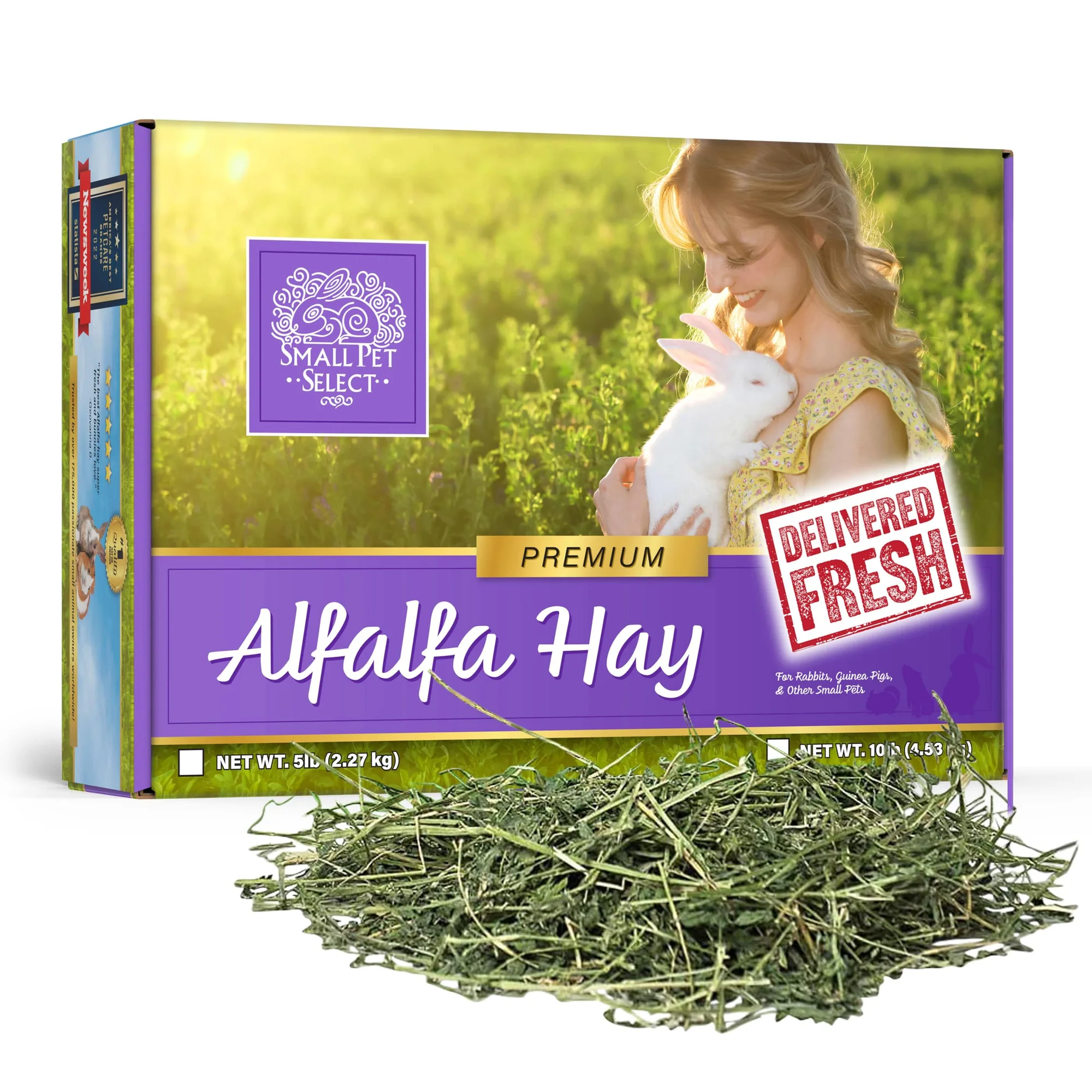
Alfalfa hay is the go-to for young growing animals and for older animals who need a nutrition boost. It is also helpful for people with allergies to timothy hay. If you are raising a kit or supporting a senior rabbit that has trouble maintaining weight, alfalfa can fill a nutritional gap. However, because it is higher in calcium and protein, it is not usually the best choice as a free-choice hay for healthy adult rabbits.
When timothy hay is the better choice
For most adult rabbits, timothy hay should be the daily staple. Its lower calcium and protein levels are better suited to maintenance rather than growth. If your adult rabbit is healthy and maintaining a good weight, timothy hay provides the fiber they need without the extra nutrients that can be problematic in excess. Many owners also find timothy hay easier to feed in unlimited quantities, which is important because hay should make up the bulk of a rabbit's diet.
How to transition between hays
If you need to switch from alfalfa to timothy (or vice versa), do it gradually over 7 to 10 days. Mix a small amount of the new hay with the old hay, increasing the proportion of new hay each day. This gives the digestive system time to adjust and helps you spot any refusal or sensitivity. Always provide fresh hay daily and remove any soiled or wet hay to keep the feeding area clean.
Trade-offs at a glance
- Alfalfa hay: Higher in energy, protein, and calcium. Supports growth and weight gain, and is an option for timothy-allergic owners. Best for young, growing rabbits and seniors needing a boost—not for healthy adults as a primary hay.
- Timothy hay: Lower in calcium and protein, with the same long-strand fiber. Suitable for unlimited feeding to most adult rabbits. The everyday default for adult rabbits without special needs.
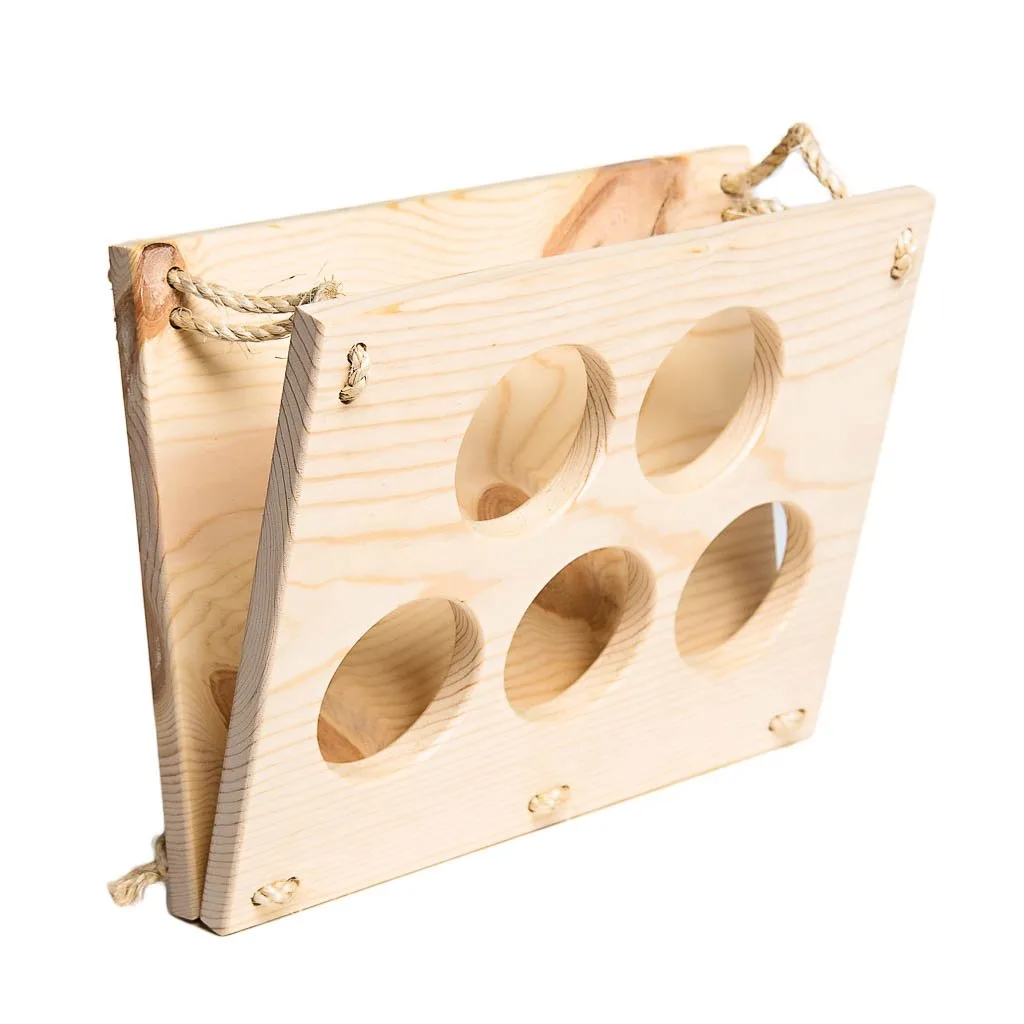
- Feeding setup: A hand-made hay manger (no glues, screws, or nails) keeps hay accessible and clean. Choose the small size for rabbits under about 6 pounds; guinea pigs need the larger size. Match the manger to your pet's size to reduce waste and encourage healthy hay consumption.
Product facts
- Alfalfa Hay: Alfalfa hay is rich in nutrients and is the go-to for young growing animals and older animals who need a nutrition boost. It offers the same long-strand high fiber as Timothy hay, but with higher levels of energy, protein, and calcium. It is also helpful for folks who have allergies to Timothy hay. This makes alfalfa a targeted choice for specific life stages or allergy needs, not a universal daily hay for healthy adult rabbits.
- Hand-made Hay Mangers: Hand-made hay mangers are created with no glues, no screws, no nails—just safe wood and safe rope. They come in two sizes: Small works for mini-lops, mini-Rexes, and other rabbits under about 6 pounds; guinea pigs are hay monsters so really should go with the larger size. A properly sized manger keeps hay clean and off the floor, reducing waste and making it easier to feed the right hay consistently.
Which hay fits your rabbit?
Best for
- Young growing rabbits
- Older rabbits needing a nutrition boost
- Owners with Timothy hay allergies
Not for
- Healthy adult rabbits as a primary hay
- Rabbits with health conditions requiring low-calcium diets