Quick answer
Choose algae omega-3 if you eat plant-based, want a mercury-free option, or prefer a supplement that does not taste like fish. Choose fish oil if you already eat seafood, want the widest range of EPA and DHA ratios, and are comfortable with a marine source. Both can raise your omega-3 intake, so match the source to your diet and routine rather than chasing a single winner.
omega-3
Where each omega-3 actually comes from
Fish oil is extracted from the tissues of oily fish such as anchovies, sardines, and mackerel. The omega-3s in those fish come from the algae they eat, so fish oil is essentially a concentrated middleman. Algae oil skips the fish and is grown directly from microalgae in controlled tanks, which is why it is often marketed as a vegan omega-3 supplement.
That difference matters for two practical reasons. First, algae oil avoids the ocean-food chain, so it does not carry the same concerns about mercury or other heavy metals that can accumulate in larger fish. Second, because algae oil is produced in tanks rather than caught, it sidesteps the overfishing and bycatch issues tied to some fish oil supply chains. If sustainability is a priority, algae oil is usually the cleaner choice on paper.
DHA, EPA, and what the label does not tell you
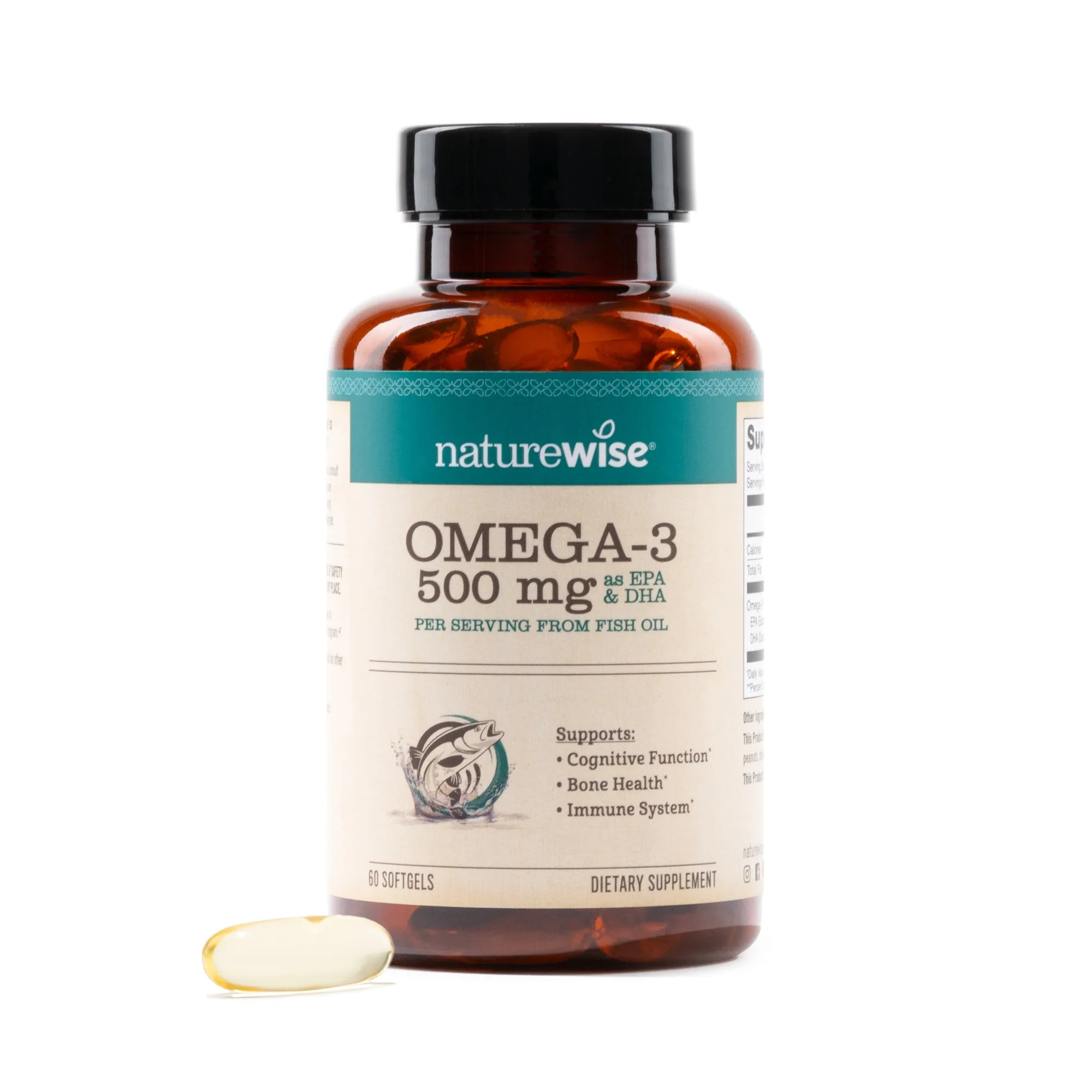
Both algae oil and fish oil can contain DHA and EPA, the two omega-3 fatty acids your body uses most readily. The catch is that the balance varies by product. Some algae oils are mostly DHA with little EPA, while some fish oils are the reverse. If you are taking omega-3 for a specific reason, such as supporting heart or eye health, check the back label for the actual DHA and EPA amounts per serving, not just the total omega-3 number.
A common mistake is assuming all algae oil is identical. It is not. Some brands use whole algae, others use extracts, and the resulting fatty acid profile can differ. The same is true for fish oil, where triglyceride and ethyl ester forms change how much DHA and EPA you actually get per capsule. Read the supplement facts panel and compare the DHA and EPA columns side by side before you decide.
Taste, burps, and the capsule experience
Fish oil has a reputation for fishy aftertaste and burps, though quality varies widely. Enteric-coated or flavored versions can reduce that, but some people still notice it. Algae oil is generally described as milder because it does not come from fish, which makes it easier to take if you are sensitive to marine flavors.
Capsule size is another practical difference. Algae oil often comes in smaller or fewer capsules because it can be more concentrated, while fish oil sometimes requires larger or more frequent doses to hit the same DHA and EPA target. If you already struggle with large pills, that detail may matter more than the source itself.
How to read a vegan omega-3 label
If you are looking for a vegan omega-3 supplement, start by confirming the source is algae, not fish gelatin or a fish-derived oil. Then check the DHA and EPA amounts per serving and whether the formula includes anything else you want to avoid, such as carrageenan or artificial colors.
Third-party testing is worth checking on any omega-3 product, because oxidation and contamination are real concerns in oils. A certificate of analysis or a recognizable testing seal gives you more confidence than a front-label claim alone. Finally, compare the cost per 100 mg of DHA plus EPA, not the cost per bottle, since serving sizes vary a lot between brands.
Trade-offs to weigh before you buy
- Source and diet fit: Algae oil fits vegan, vegetarian, and pescatarian-leaning diets without compromise. Fish oil does not, but it may be easier to find in high-EPA formulas. Pick the source that matches how you already eat.
- DHA and EPA balance: Algae oil often leans DHA-heavy, while fish oil can offer more EPA. Neither is automatically better; it depends on why you are taking it. Compare the DHA and EPA numbers on the label, not the total omega-3 claim.
- Sustainability and purity: Algae oil avoids wild fish stocks and the mercury concerns that come with larger fish. Fish oil depends on the fishery and how well it is purified. If sustainability or heavy-metal worries drive you, algae oil is the simpler choice.
- Cost and capsule count: Algae oil can cost more per bottle but sometimes needs fewer capsules. Fish oil is often cheaper upfront but may require larger or more servings. Compare cost per 100 mg of DHA plus EPA before deciding.
Product facts that matter here
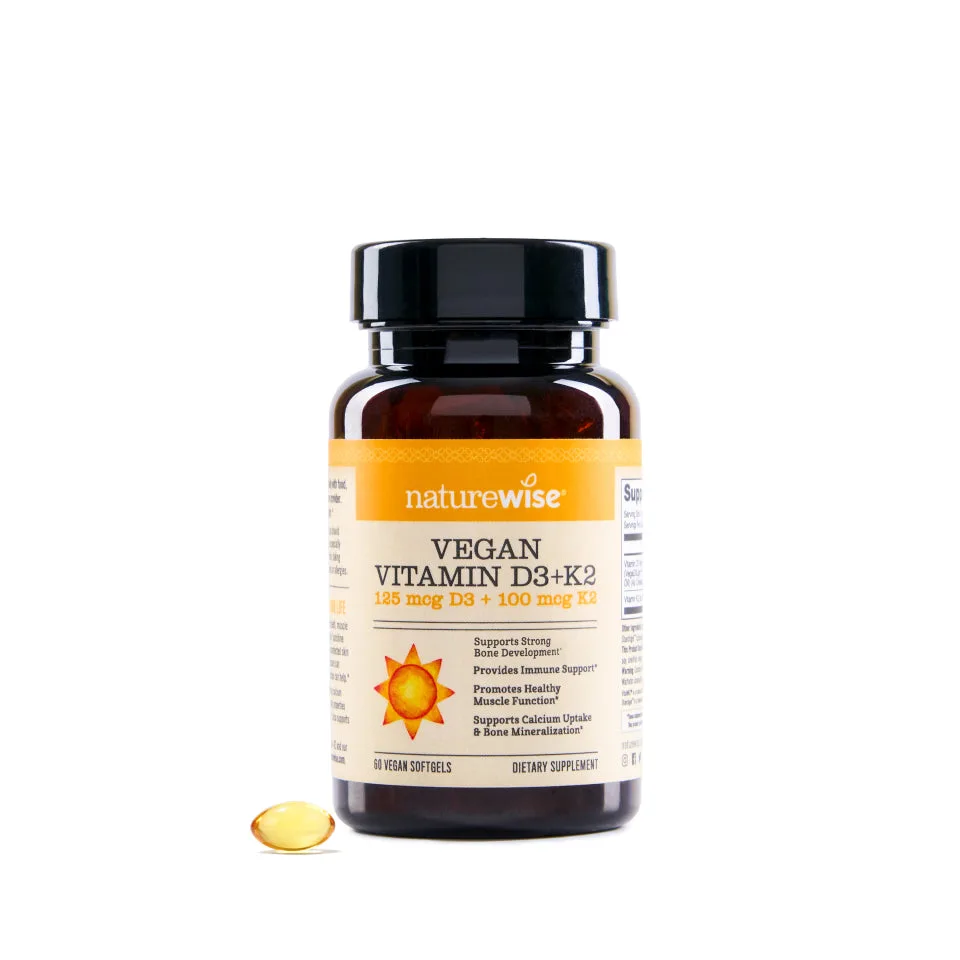
- Vegan Vitamin D3 + K2: Contents certified by NSF, vegan, and made with organic extra virgin olive oil; serving size of 1 softgel. NSF certification and a vegan formula make this a practical pick if you want third-party verification and a plant-based softgel in one product.
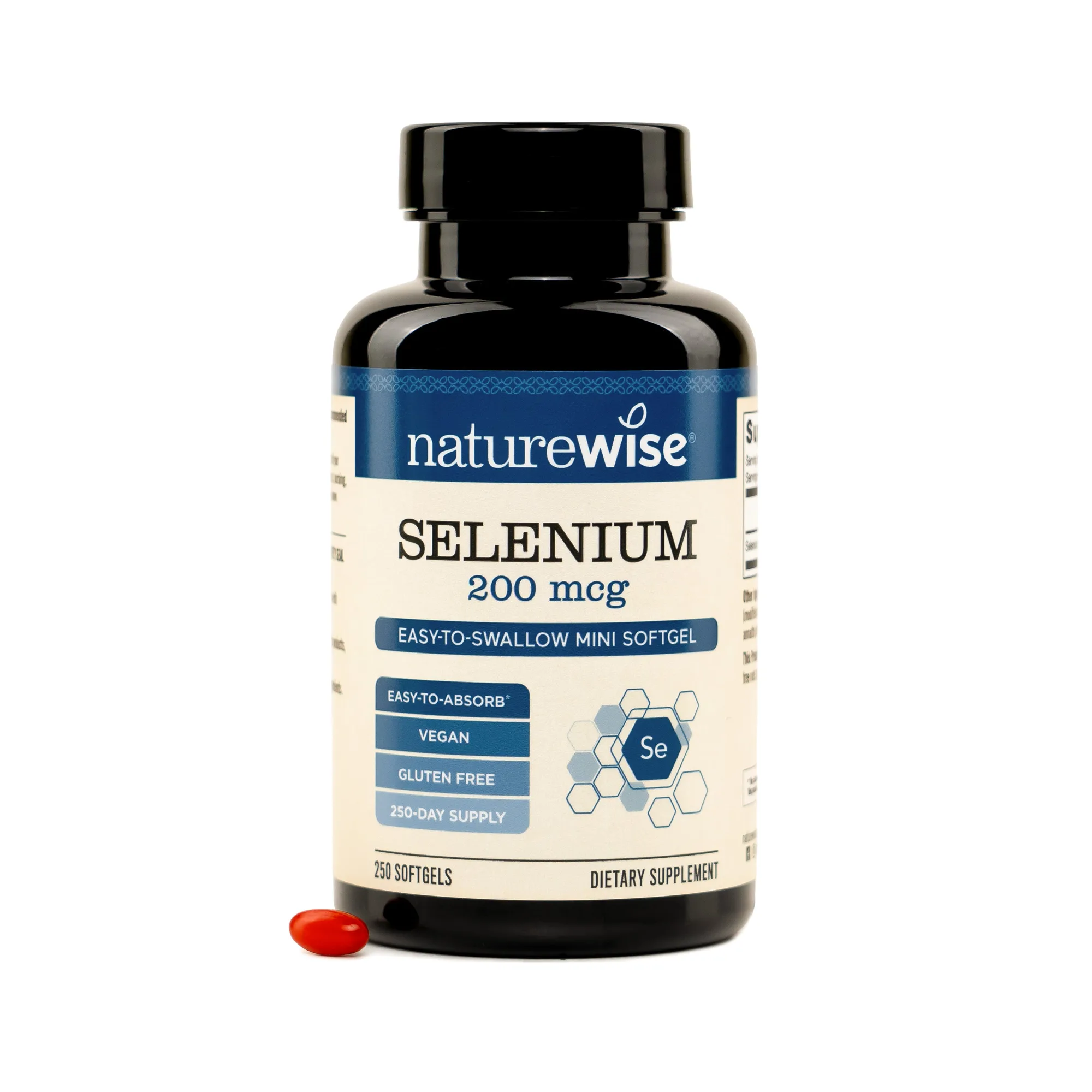
- Selenium: 200 mcg Selenium as L-selenomethionine with organic extra virgin coconut oil; vegan and gluten-free. If you are building a plant-based routine, this selenium option pairs well with a vegan omega-3 because it supports thyroid and antioxidant needs without animal ingredients.
Who should choose which
Best for
- Vegans, vegetarians, and anyone avoiding fish or shellfish
- People who want a mercury-free omega-3 source without giving up DHA and EPA
- Anyone who dislikes fishy aftertaste or burps
- Shoppers who prioritize sustainability and tank-grown sourcing
Not for
- People who need a very high-EPA formula and cannot find an algae option that matches it
- Anyone who prefers the lower upfront cost of a standard fish oil bottle
- Shoppers who want the widest possible range of brand and dose choices in one store aisle