Cleaning is a necessary part of home maintenance, but choosing the right product can be overwhelming. With shelves full of all-purpose cleaners, glass sprays, kitchen degreasers, and bathroom scrubs, it's easy to wonder: do you really need all of them, or can one all-purpose cleaner handle everything?
The answer lies in understanding what each type is designed for. All-purpose cleaners offer convenience and versatility, while specialized cleaners target specific messes with stronger formulas. This guide compares them across key factors to help you decide when to reach for which.
What Is an All-Purpose Cleaner?
An all-purpose cleaner is a versatile product formulated to clean multiple surfaces, such as countertops, tiles, appliances, and even some floors. Typically, these cleaners are mild enough for everyday use but strong enough to remove common dirt, grime, and light grease. They often come in spray bottles or as concentrates that you dilute with water.
All-purpose cleaners are ideal for routine cleaning tasks where you don't need heavy-duty power. For example, wiping down kitchen counters after meal prep, spot-cleaning walls, or refreshing bathroom surfaces. Their convenience means you can keep one bottle under the sink and use it almost anywhere, reducing clutter and saving money.
- Suitable for most sealed surfaces like ceramic, glass, and stainless steel.
- Gentle enough for daily use but may not tackle tough, set-in stains.
What Are Specialized Cleaners?
Specialized cleaners are formulated for specific surfaces or types of dirt. Common examples include glass cleaners, kitchen degreasers, bathroom lime-scale removers, and oven cleaners. These products contain targeted active ingredients that break down particular messes more effectively than a general-purpose product.
For instance, a glass cleaner is designed to evaporate quickly without leaving streaks, while a kitchen cleaner might include degreasers to cut through cooking oil and baked-on food. Using a specialized cleaner ensures the best result for the job and often protects the surface from damage that a harsher all-purpose product might cause.
Key Differences: Ingredients, Effectiveness, and Safety
The main difference lies in the formulation. All-purpose cleaners often use a balance of surfactants and solvents that work on various soils. Specialized cleaners, on the other hand, may use stronger acids (for lime scale), ammonia (for glass), or enzymes (for organic stains). This makes them more effective on specific messes but sometimes harsher on surfaces if misused.
Safety is another consideration. All-purpose cleaners are generally safe for most surfaces, but specialized cleaners may require caution—for example, avoiding ammonia-based glass cleaners on certain plastics. Always check labels and test in an inconspicuous area.
When to Use an All-Purpose Cleaner
Use an all-purpose cleaner for daily or weekly maintenance across multiple rooms. It's perfect for quick wipe-downs of kitchen counters, dining tables, appliance exteriors, and bathroom vanities. If you're short on storage or want to simplify your cleaning routine, an all-purpose cleaner is your go-to.
For example, after preparing a meal, you can spray an all-purpose cleaner on the counter and wipe it clean. It's also handy for cleaning the exterior of your Mixer and Shaker »Maxi«, 0,5 l, blue or other small appliances, as long as you avoid electrical parts.
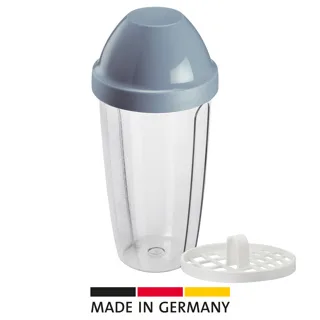
Mixer and Shaker »Maxi«, 0,5 l, blue
When to Use Specialized Cleaners
Specialized cleaners shine when you face tough, specific messes. For glass surfaces like windows, mirrors, or glass food storage containers, a dedicated glass cleaner prevents streaks and hazing. Similarly, a kitchen cleaner with degreasing power is essential for range hoods, stovetops, and backsplashes where grease splatters accumulate.
If you own items like the Glass food storage box, 950 ml, round, using a glass cleaner can help keep it spotless and clear, though a mild dish soap and water works too. For stubborn stains on cookware, a specialized stainless steel cleaner might be necessary.
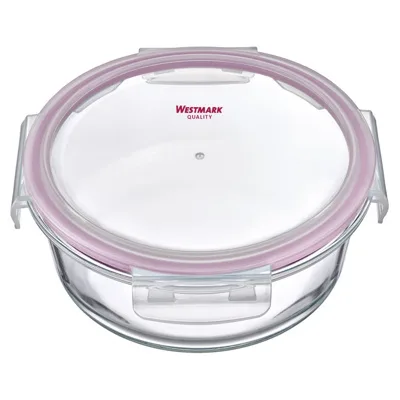
Glass food storage box, 950 ml, round
Comparing Performance: All-Purpose vs Glass Cleaner
Glass cleaners are specifically designed to evaporate quickly and leave no residue, which is why they're superior for windows and mirrors. All-purpose cleaners, while they can clean glass, often leave streaks or a film. If you want a crystal-clear finish, choose a glass cleaner.
However, for everyday cleaning of glass tabletops or decorative items, an all-purpose cleaner can suffice if you follow up with a dry microfibre cloth. It's a trade-off between convenience and perfection.
Comparing Performance: All-Purpose vs Kitchen Cleaner
Kitchen cleaners are formulated to cut through grease and food residue. They often contain degreasers that break down oils quickly. An all-purpose cleaner may struggle with heavy grease on stovetops or inside microwaves. For deep kitchen cleaning, a specialized kitchen cleaner is more effective.
That said, for light daily wipe-downs, an all-purpose cleaner is sufficient and less harsh on surfaces like sealed wood or laminate. Use specialized kitchen cleaners for weekly deep cleans or after cooking greasy meals.
Cost and Convenience: Which Is More Practical?
All-purpose cleaners are generally more cost-effective because one product replaces several. They also reduce the number of bottles you need to store. However, using the wrong product on a delicate surface could lead to damage, which might cost more in repairs.
Specialized cleaners, while more expensive individually, ensure the job is done right the first time. For households with specific needs—like lots of glass or heavy cooking—investing in a few specialized products can save time and effort.
Environmental and Health Considerations
Both types come in eco-friendly and non-toxic formulations. All-purpose cleaners often have more versatile eco-options, but you can also find specialized green cleaners. Check for certifications like EcoLogo or USDA BioPreferred.
If you have sensitive skin or allergies, choose fragrance-free and hypoallergenic options. Always ventilate the area when using strong specialized cleaners, and wear gloves if needed.
How to Choose the Right Cleaner for Your Home
Start by assessing your cleaning needs. If you have a mix of surfaces and prefer a minimal routine, an all-purpose cleaner is a smart base. Then, add specialized cleaners only for problem areas: glass cleaner for windows, kitchen cleaner for grease, and bathroom cleaner for soap scum.
Consider the materials in your home. For example, natural stone requires pH-neutral cleaners, while stainless steel needs non-abrasive formulas. Always read labels to ensure compatibility.
Practical Tips for Effective Cleaning
No matter which cleaner you choose, follow these tips for best results:
Always test on a small area first, use the right tools like microfibre cloths, and avoid mixing chemicals. For a streak-free shine, use a separate cloth for drying. And remember to clean your tools regularly.
- Use a dedicated microfibre cloth for glass to avoid lint.
- For greasy areas, let the cleaner sit for a few minutes before wiping.
- Store cleaners out of reach of children and pets.
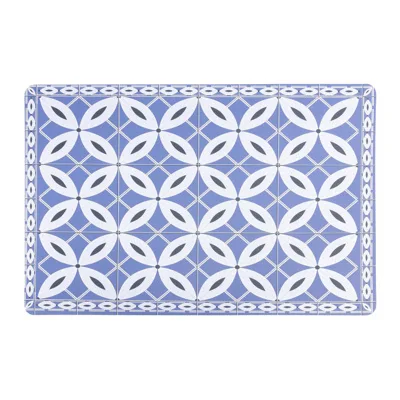
In the end, both all-purpose and specialized cleaners have their place. An all-purpose cleaner is your everyday workhorse, while specialized cleaners are the specialists you call for tough jobs. By understanding their strengths, you can keep your home spotless without overbuying. For a versatile cleaning companion that tackles many surfaces, consider the Placemat »Arabesque«, 43,5 x 28,5 cm, blue – not a cleaner, but a stylish addition to your dining table that's easy to wipe clean with any of your chosen products.