Keeping your kitchen spotless is a top priority for any home cook. But with so many cleaning products on the market, choosing between an all-purpose cleaner and a surface cleaner can be confusing. Each type serves a distinct purpose, and using the wrong one can lead to ineffective cleaning or even damage to your surfaces.
In this guide, we'll break down the differences between all-purpose cleaners and surface cleaners, explore their best uses, and help you decide which one you need for your kitchen. By the end, you'll be equipped with the knowledge to make an informed choice that keeps your kitchen gleaming and your surfaces safe.
What Is an All-Purpose Cleaner?
An all-purpose cleaner is a versatile cleaning product designed to tackle a wide range of surfaces and messes. Typically, it can be used on countertops, appliances, tiles, and even some floors. These cleaners are formulated to cut through grease, remove dirt, and leave a fresh scent, making them a convenient choice for everyday kitchen cleaning.
All-purpose cleaners come in various forms, including sprays, wipes, and concentrates. They are often pH-neutral or mildly alkaline, which makes them safe for most surfaces when used as directed. However, they may not be suitable for delicate materials like natural stone or unsealed wood, so it's essential to check the label before use.
- Versatile: works on multiple surfaces
- Great for everyday messes and grease
- Available in sprays, wipes, and concentrates
What Is a Surface Cleaner?
Surface cleaners are specifically formulated for a particular type of surface, such as glass, stainless steel, or wood. They are designed to provide a deeper clean and protection for that specific material. For example, a glass cleaner is formulated to leave a streak-free shine, while a stainless steel cleaner helps remove fingerprints and adds a protective layer.
Using a surface cleaner on its designated surface ensures optimal results and prevents damage. For instance, using a general all-purpose cleaner on a glass cooktop might leave streaks, whereas a dedicated glass cleaner will leave it sparkling. Surface cleaners often contain specialized ingredients that target the unique needs of the material, such as anti-static properties for electronics or gentle formulas for wood.
- Specialized for specific materials
- Provides better results for that surface
- Helps protect and maintain the surface's appearance
Key Differences Between All-Purpose and Surface Cleaners
The main difference lies in their formulation and intended use. All-purpose cleaners are generalists, designed to handle a variety of surfaces and messes. They are ideal for quick cleanups and everyday maintenance. Surface cleaners, on the other hand, are specialists, tailored to deliver the best possible care for a specific surface type.
Another difference is the level of care they provide. All-purpose cleaners may contain harsh chemicals that, while effective on tough grime, could damage sensitive surfaces over time. Surface cleaners are formulated to be gentle yet effective on their target material, often including conditioners or protectants. For example, a stainless steel cleaner might include oils that help repel fingerprints and water spots.
When it comes to cost, all-purpose cleaners are often more economical because they replace multiple specialized products. However, investing in a few key surface cleaners can extend the life and beauty of your high-end appliances and fixtures.
- All-purpose: general cleaning, cost-effective
- Surface: targeted cleaning, better protection
- Consider your surfaces: stone, glass, stainless steel
How to Choose the Right Cleaner for Your Kitchen
Start by assessing the surfaces in your kitchen. Do you have granite countertops, a glass cooktop, or stainless steel appliances? For high-maintenance materials, a dedicated surface cleaner is worth the investment. For everyday messes on sealed surfaces, an all-purpose cleaner is usually sufficient.
Also, consider your cleaning habits. If you prefer a quick wipe-down after cooking, an all-purpose spray might be your go-to. If you want to keep your appliances looking brand new, a specialized cleaner for stainless steel or glass is essential.
It's also wise to think about eco-friendliness. Many brands now offer plant-based or biodegradable formulas for both types. Check labels for certifications like EPA Safer Choice to ensure you're making an environmentally responsible choice.
- Identify your kitchen surfaces first
- Match the cleaner to the material
- Consider eco-friendly options
Top Tips for Effective Kitchen Cleaning
To get the most out of your cleaning products, always follow the instructions on the label. Some cleaners require dilution, while others are ready to use. Using too much can leave residue, while too little may not be effective.
In addition to choosing the right cleaner, having the right tools is essential. Microfiber cloths are excellent for trapping dirt and are safe for most surfaces. For hard-to-reach areas, consider using a soft-bristled brush or a sponge designed for delicate surfaces.
Don't forget to clean your cleaning tools regularly. A dirty cloth can spread bacteria and reduce the effectiveness of your cleaner. Wash microfiber cloths after each use and replace sponges frequently.
- Follow label instructions for dilution and use
- Use microfiber cloths for streak-free results
- Keep your cleaning tools clean and replace them regularly
Integrating Cleaning into Your Kitchen Routine
A well-maintained kitchen not only looks great but also ensures a hygienic environment for cooking. Incorporate cleaning into your daily routine by wiping down countertops after each meal and doing a deeper clean weekly. Use your all-purpose cleaner for daily tasks and your surface cleaners for periodic deep cleaning of specific areas.
To keep your kitchen organized and efficient, store your cleaning supplies in a caddy or under the sink. Having everything within reach makes it easier to clean up spills immediately, preventing stains and buildup.
Finally, don't overlook the importance of cleaning your cookware and serving pieces. While not directly related to cleaners, keeping your kitchen tools in top condition enhances your cooking experience. For example, a beautifully set table with high-quality dinnerware like the ASA À Table Coupe - Dinner plate L can make your meals more enjoyable, and proper care extends their lifespan.
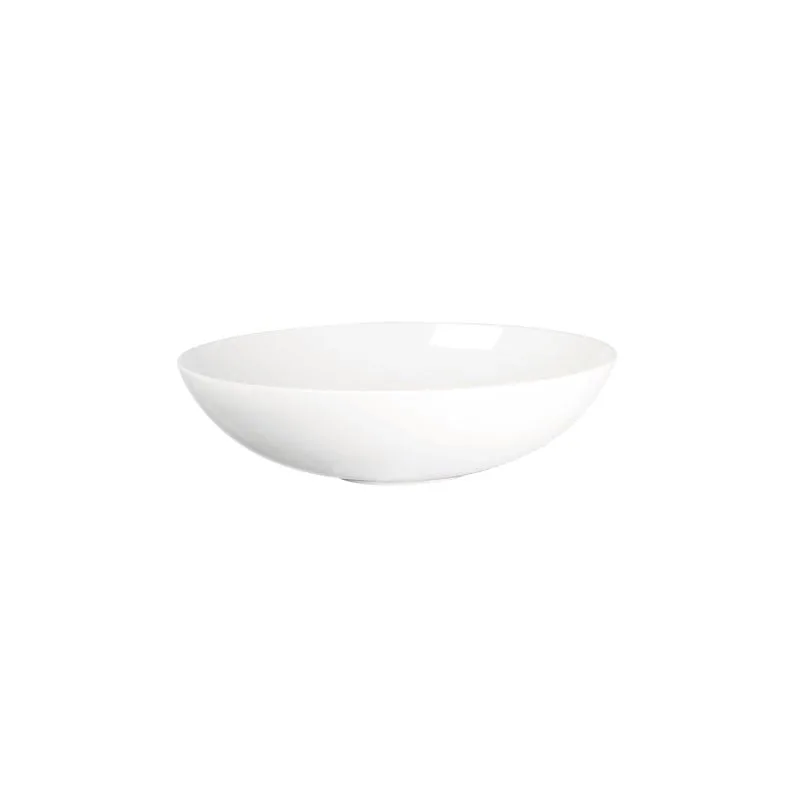
ASA À Table Coupe - Dinner plate L
- Daily wipe-downs with all-purpose cleaner
- Weekly deep cleaning with surface-specific products
- Store supplies conveniently for quick access
Choosing between an all-purpose cleaner and a surface cleaner doesn't have to be complicated. By understanding your kitchen's surfaces and your cleaning needs, you can select the right products to keep your space spotless and well-maintained. Remember, a clean kitchen is the heart of a happy home.