Quick answer
Choose allulose when you want a sugar-like sweetener that blends into drinks and baked goods without the cooling aftertaste xylitol often leaves. Choose xylitol when your priority is portable, sugar-free breath freshening and dental-friendly daily habits. Many low sugar kitchens keep both: allulose for cooking, xylitol for on-the-go oral care.
How the two sweeteners behave in real recipes
Allulose is a rare sugar that browns and dissolves much like table sugar, so it is the easier swap in cakes, cookies, sauces, and coffee. Xylitol is a sugar alcohol with a strong cooling sensation; it works well in mints, gum, and toothpaste, but it can make baked goods taste minty-cool and may not caramelize the way you expect.
- Allulose: fine powder texture blends smoothly into cold drinks and batters.
- Xylitol: crystalline and cooling, best for small, quick-dissolve formats.
- Neither is a 1:1 flavor match for sugar; taste as you go.
Dental health and daily oral care
Xylitol has a long-standing reputation in oral care because it is used in dental products and is not fermented by cavity-causing bacteria the way sugar is. Allulose is primarily a kitchen sweetener; it does not carry the same dental-focused positioning. If your goal is fewer sugary snacks between brushings, xylitol mints or xylitol-infused floss can slot directly into that habit.
Packaging and zero waste considerations
Sweetener packaging is where low sugar and zero waste goals can collide. Bulk sizes and plastic-free formats reduce the number of small wrappers you throw away. Check the package description before buying: some mints come in plastic-free packaging, while a fine powder may arrive in a resealable pouch or tub. If you carry mints daily, a 300-count container lasts longer and creates less wrapper waste than individually wrapped options.
How to stock both without waste
Buy the format that matches how you actually use sweetener. If you bake weekly, a 1-pound bag of allulose fine powder will disappear quickly. If you mainly want fresh breath after lunch, a large count of xylitol mints is the better buy. Store both sealed and dry; xylitol and allulose can clump if exposed to humidity.
Decision rules for your low sugar kitchen
- If you bake or sweeten drinks: Reach for allulose fine powder. Its fine texture blends into batters and beverages, and it behaves more like sugar than xylitol does. Buy allulose first if cooking is your main use.
- If you want breath freshening on the go: Choose xylitol mints. They are portable, sugar free, and fit a dental-friendly routine between brushings. Buy xylitol mints first if oral care is your main use.
- If you want both cooking and oral care: Keep allulose for recipes and xylitol mints or xylitol floss for daily dental habits. They do different jobs and do not replace each other. Two products, two routines, less compromise.
Products that match each job
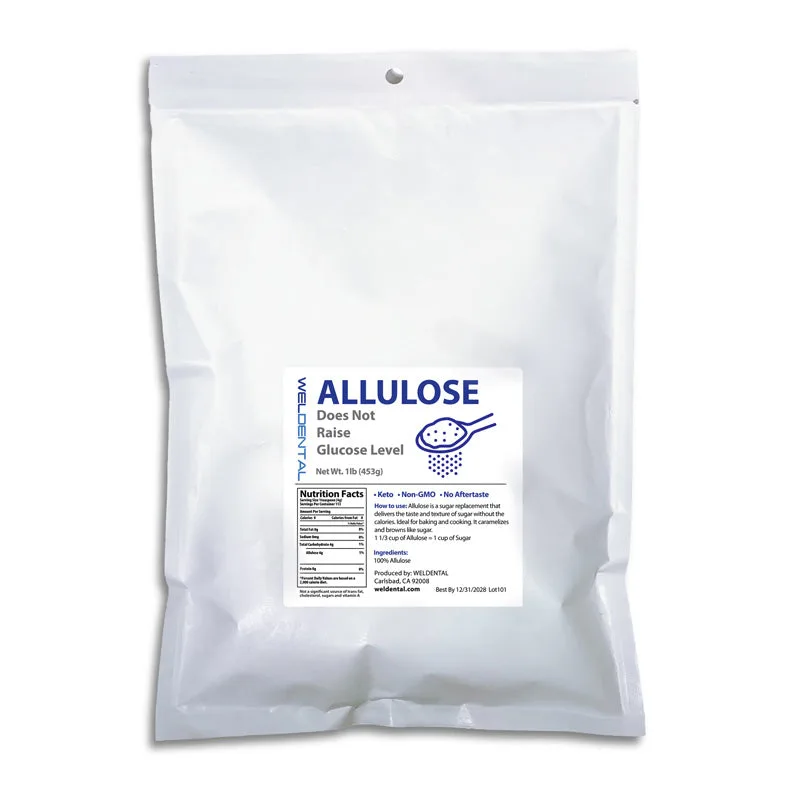
- Allulose Fine Powder 1 Pound: Allulose Fine Powder comes in a 1-pound package with a fine, sugar-like texture that blends easily into beverages and baked goods. This is the practical pick for cooking and drinks because it dissolves smoothly and does not bring a cooling aftertaste.
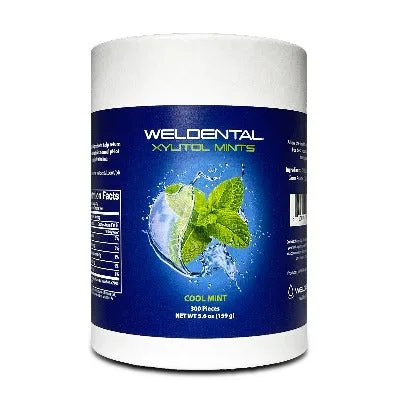
- Xylitol Mints in Plastic Free Packaging 300 Count: Xylitol Mints in Plastic Free Packaging include 300 mints per container and are sweetened with xylitol. A large, plastic-free supply supports daily sugar-free breath freshening with less packaging waste.
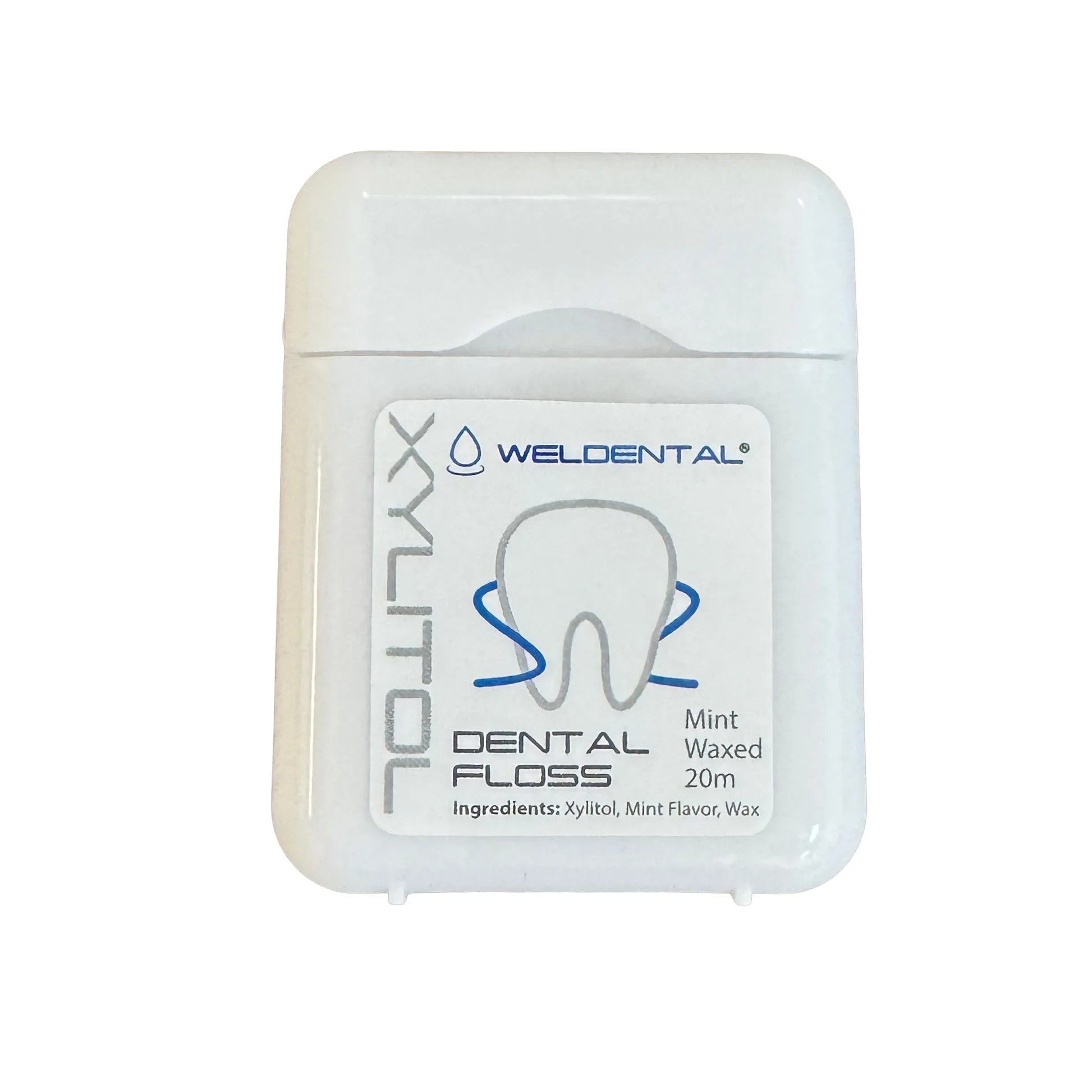
- Xylitol Floss, Expanding Dental Floss Travel Size: Xylitol Floss is an expanding dental floss in a travel size, infused with xylitol. It extends xylitol into your between-meal oral care routine without adding a sweetener to food.
Which sweetener fits you?
Best for
- Home bakers who want a sugar-like texture in cakes, cookies, and sauces
- Coffee and tea drinkers who dislike a cooling aftertaste
- Anyone building a low sugar kitchen with a versatile powdered sweetener
Not for
- People who mainly want portable breath freshening, who should choose xylitol mints instead
- Anyone expecting a 1:1 sweetness and browning match for sugar in every recipe
- Shoppers who need a dental-focused sweetener rather than a general kitchen one