Quick answer
For most people with sensitive skin, an aloe-based lubricant like Promescent Organic Aloe Lube is the better starting point because it is glycerin-free, paraben-free, and pH balanced. Silicone lubricants can be a good alternative if you need a longer-lasting glide and do not mind a slicker feel, but they may not suit everyone. Your best choice depends on your specific sensitivities and how you use lube.
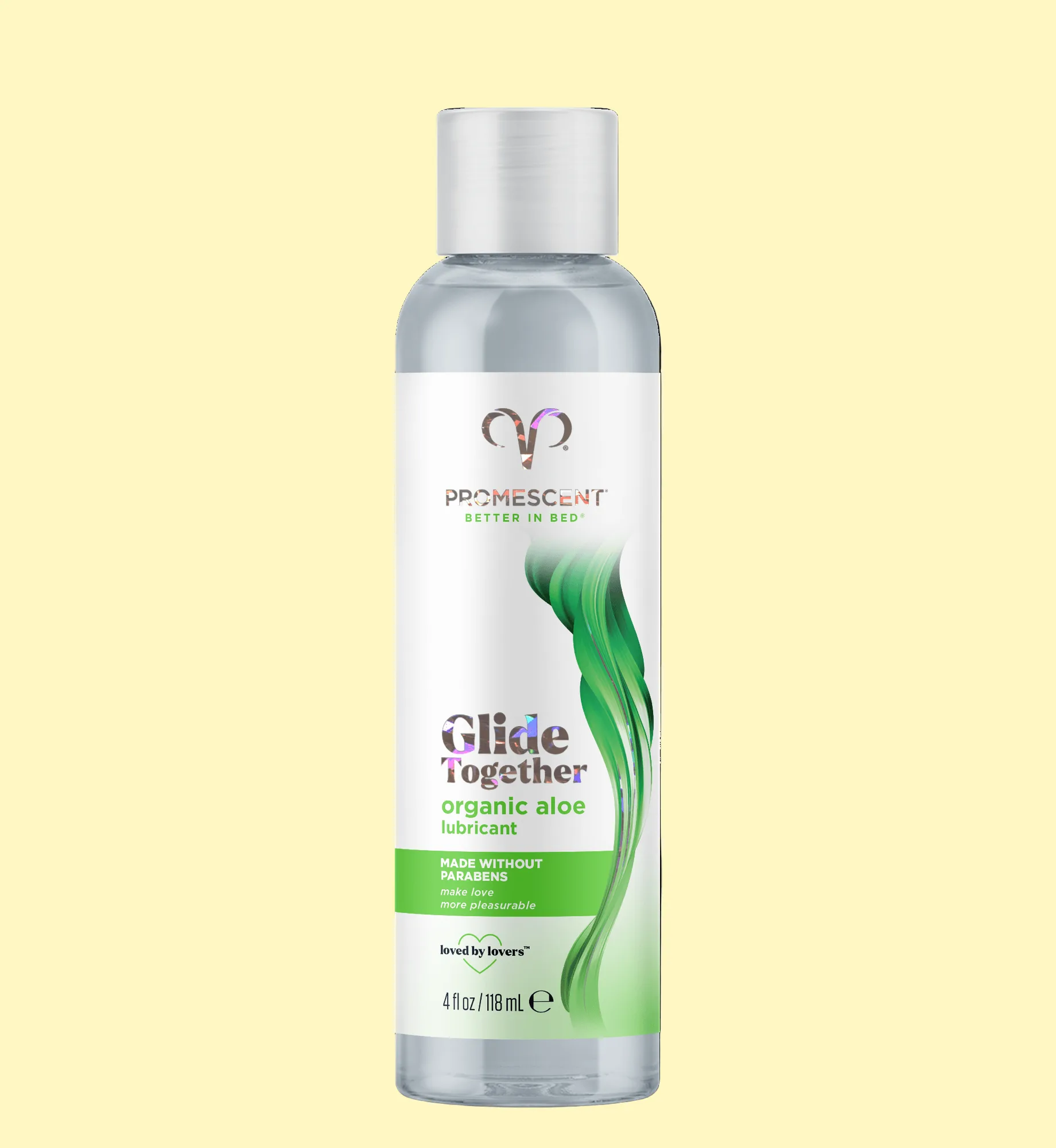
Organic Aloe Lube
Why sensitive skin reacts differently to lube
Sensitive skin can react to common lubricant ingredients such as glycerin, parabens, or fragrances. Aloe-based lubes often avoid these and include soothing botanicals, while silicone lubes are typically free of water and preservatives but may contain other ingredients that some people find irritating. If you have known allergies, always check the label and patch-test a small amount before use.
Aloe-based lubricants: gentle and skin-friendly
Aloe-based lubes are water-soluble, easy to rinse off, and safe with condoms and toys. They tend to feel more natural and are less likely to cause irritation for sensitive skin. However, they can dry out faster than silicone, so you may need to reapply during longer sessions. Promescent Organic Aloe Lube is formulated with organic quinoa, hemp, flax, green tea, and oat extracts, and is pH balanced, glycerin-free, and paraben-free.
Silicone lubricants: long-lasting but not for everyone
Silicone lubes are known for their silky, long-lasting glide and are often preferred for shower play or anal sex because they do not wash away easily. They are generally hypoallergenic, but some people with sensitive skin may still react to certain silicone formulations. Also, https://promescentonw.com/products/silicone-lubricant-2680a7d21a86455b5c355cbf-800199silicone lube is not compatible with silicone toys, and it can be harder to clean off. If you go this route, test on a small area first.
Key differences at a glance
Aloe lubes are water-based, gentle, and easy to clean, but may need reapplication. Silicone lubes last longer and are slicker, but can damage silicone toys and may be trickier to wash off. For sensitive skin, aloe is often the safer bet due to fewer potential irritants.
Trade-offs to weigh
- Ingredient sensitivity: Aloe lubes avoid glycerin and parabens, which are common irritants. Silicone lubes are preservative-free but may contain other sensitizers. For very reactive skin, aloe is often the safer first try.
- Duration and reapplication: Silicone lubes last longer and stay slick, while aloe lubes may dry out and need reapplication during extended play. If you prefer set-and-forget, silicone may be more convenient.
- Compatibility with toys and condoms: Aloe lubes are safe with all condoms and toys. Silicone lubes can degrade silicone toys and are not recommended for use with them. If you use silicone toys, choose aloe or another water-based option.
Product facts
- Organic Aloe Lube: Formulated with organic quinoa, hemp, flax, green tea and oat extracts that rejuvenate your skin and intimate areas. The aloe-based lube is pH balanced, glycerin & paraben-free, condom safe, natural ingredients and can be used with your favorite toys. These features make it a strong choice for sensitive skin because it avoids common irritants and supports skin health.
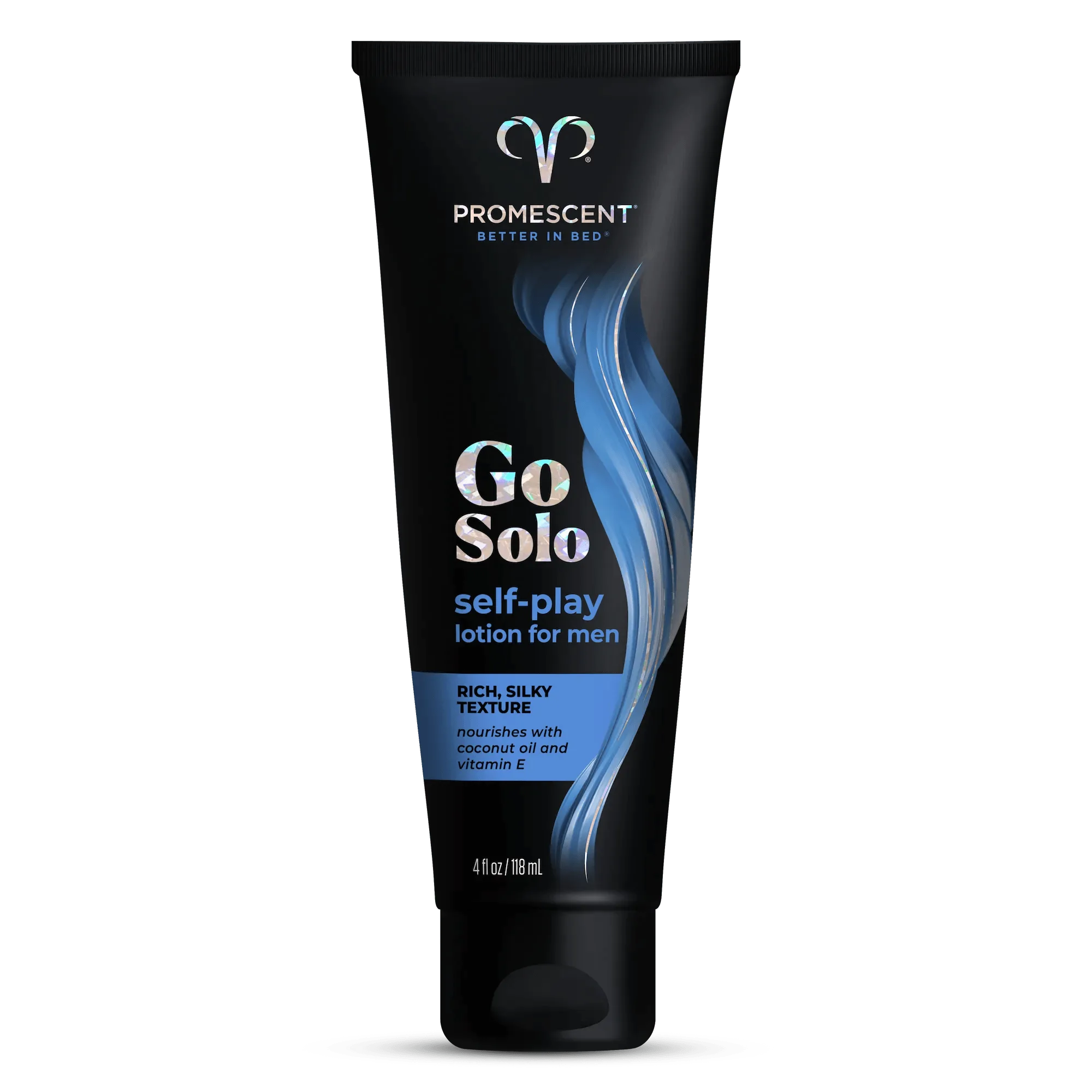
- Go Solo: Cream-based, body-safe formula delivers a long lasting, non sticky glide from start to finish. Made with coconut oil, almond oil, and vitamin E, it’s gentle on sensitive skin, easy to clean, and discreet enough to take anywhere. This oil-based option provides lasting glide and is gentle, but it is not compatible with latex condoms, so consider your protection needs.
Which should you choose?
Best for
- People with sensitive skin who want a gentle, natural-feeling lubricant
- Those who use silicone toys or need condom compatibility
- Anyone who prefers easy cleanup and a water-soluble formula
Not for
- Those who need a lubricant that lasts for very long sessions without reapplication
- People who prefer a thicker, cream-based formula (consider Promescent Go Solo)
- Anyone with a known allergy to aloe or any of the botanical ingredients