Quick answer
Clean your aluminum carry-on with a soft cloth, lukewarm water, and a drop of mild soap, then dry it immediately. Skip abrasive pads, bleach, and ammonia, and treat scratches as patina rather than damage. A fabric luggage cover and a luggage tag add protection without hiding the shell.
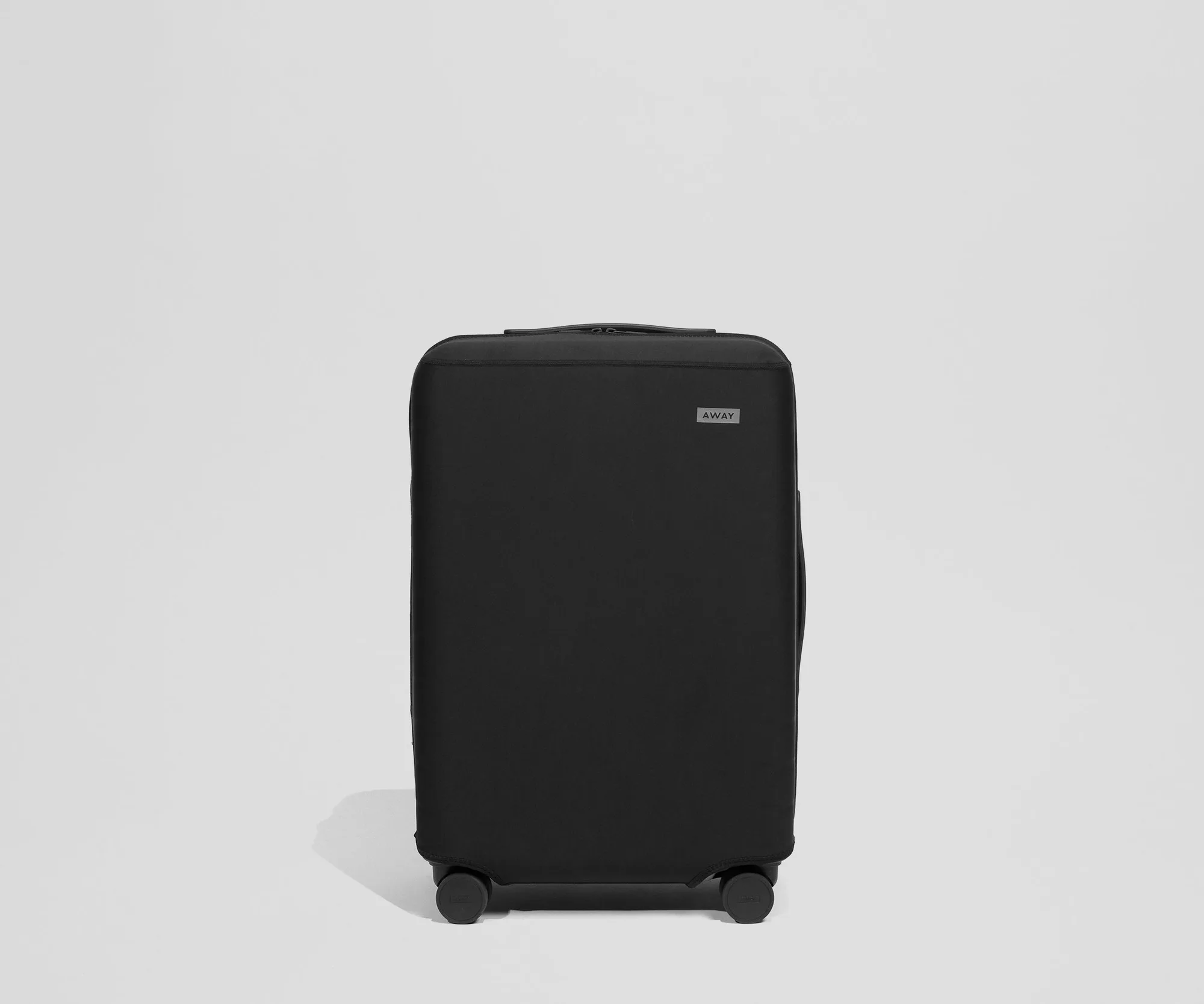
fabric luggage cover
Aluminum luggage is built to take a beating, but it does not stay pristine on its own. Scuffs, fingerprints, and road grime accumulate fast, and the wrong cleaner can dull the finish in one pass. The good news: keeping an aluminum carry-on looking new takes about five minutes per trip.
This guide walks through an ordered care routine for the Away Aluminum Edition, from post-flight wipe-down to long-term storage. Each step includes the mistake that most often undoes the work, so you can protect the shell without overdoing it.
Why aluminum needs a different care routine
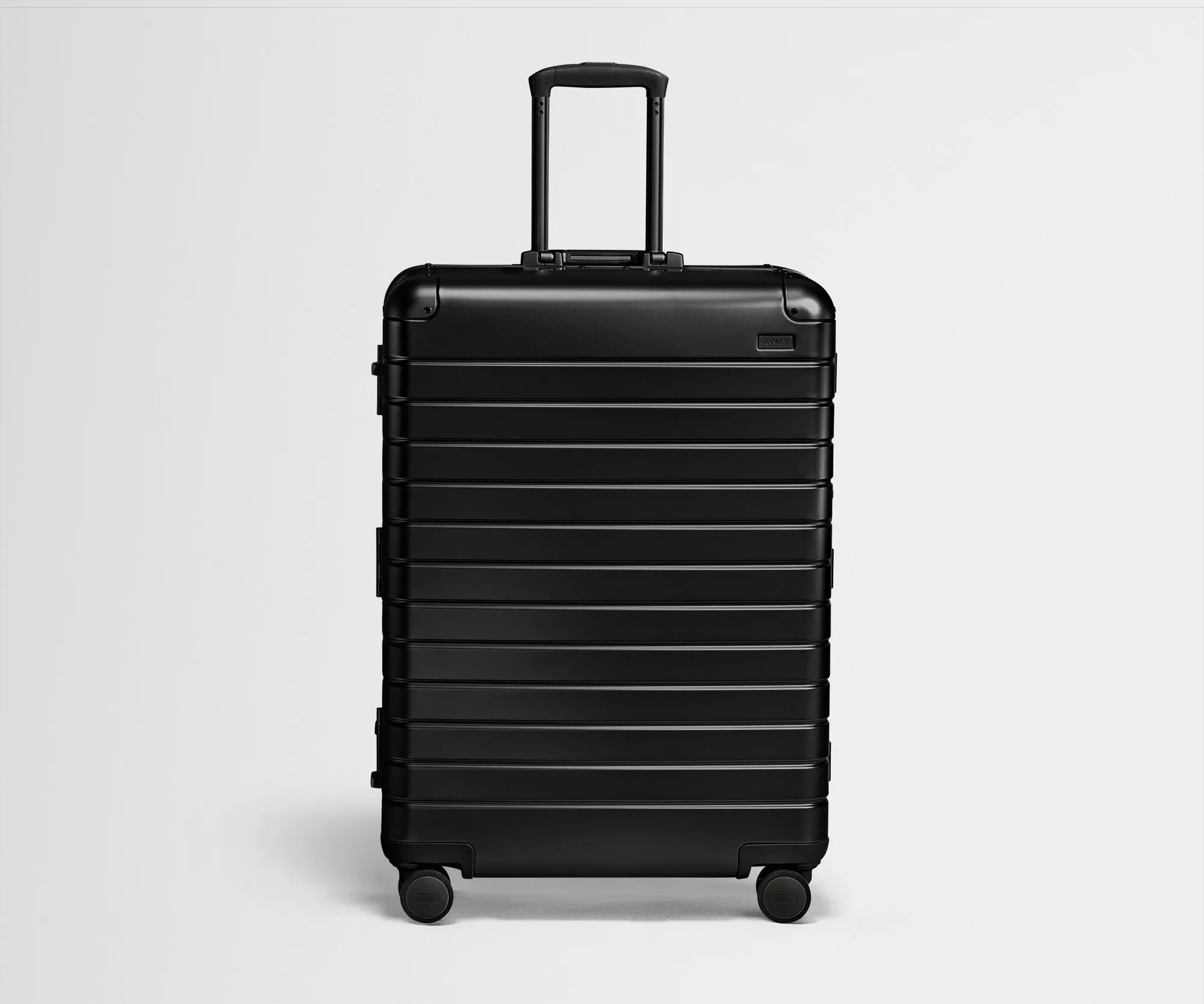
Aluminum is a metal, not a plastic shell, so it responds differently to cleaners and abrasion. Harsh chemicals and gritty pads can strip the finish or leave swirl marks that catch light. The shell on https://awaytravelenm.com/products/aluminum-large-335a77656b062bfa4d22f634-1800985The Large: Aluminum Edition is described as tough enough to handle the wear and tear of baggage handlers, which means it is designed to show some character over time.
That does not mean you should ignore it. Fingerprint oils, salt from winter roads, and grit trapped in seams all sit on the surface until you remove them. A consistent, gentle routine keeps the metal looking cared for without polishing away the character that makes aluminum appealing in the first place.
- Use only soft microfiber or cotton cloths; paper towels can leave lint and micro-scratches.
- Avoid bleach, ammonia, and abrasive cleansers, which can dull or discolor the finish.
- Clean in shade or indoors; direct sun can dry cleaners onto the surface before you wipe them off.
What you need before you start
Gather supplies before you touch the bag so you are not improvising mid-clean. You need two soft cloths, lukewarm water, a drop of mild dish soap, and a dry towel. A soft-bristle brush helps for seam grit, and a luggage cover gives you a place to store the bag between trips.
If your bag has a fabric luggage cover, keep it nearby. The Fabric Luggage Cover is made from flexible, stretchy fabric that slips over the bag for a snug fit and shields against scuffs, scratches, and other bumps. It is machine washable, so it can go in the wash when the trip is done.
- Never use a magic eraser or scouring pad, even on stubborn marks.
- Keep a dedicated microfiber cloth in your travel kit so you can wipe the bag at the hotel.
- Check the cover size against your bag before relying on it for storage.
Routine care after every trip
The single best habit is a two-minute wipe-down when you get home. Dampen a soft cloth with lukewarm water, add a drop of mild soap if needed, and wipe the shell in straight lines rather than circles. Dry immediately with a second cloth so water spots do not set.
Pay attention to the telescoping handle, wheels, and seams where grit collects. A soft-bristle brush lifts debris without scratching. If you use a luggage cover, this is also the moment to unzip it and toss it in the wash so it is ready for the next departure.
- Do not soak the bag or run water directly over the shell.
- Wipe in the direction of the brushed metal grain to avoid visible swirls.
- Let the bag air-dry fully with the lid open before storing it.
Handling scratches, scuffs, and stickers
Aluminum will pick up scuffs, and that is normal. Light surface marks often blend in over time as the metal develops an even patina. Deep gouges are not something you should try to sand out at home, because uneven sanding creates a visible flat spot that looks worse than the original scratch.
Stickers and adhesive residue are a different problem. Peel slowly, then remove residue with a cloth dampened with lukewarm water and mild soap. If residue persists, a small amount of rubbing alcohol on a cloth can help, but test a hidden area first and never pour it directly on the shell.
- Do not use steel wool, sandpaper, or metal polish on a brushed finish.
- Skip harsh adhesive removers that can stain or strip the surface.
- Accept scuffs as part of the material's character rather than chasing a flawless shell.
Storage and travel habits that prevent damage
Most damage happens between trips, not during them. Store the bag upright in a dry space, not under heavy items that can press into the shell. If you stack luggage, put the aluminum piece on top or protect it with a cover.
In transit, use the bag's own features to reduce wear. The Large: Aluminum Edition has 360° spinner wheels that roll across airports, train platforms, and cobblestoned streets, so let the wheels do the work instead of dragging the bag. If your carry-on has a back wheel brake, engage it on trains or slopes to stop the bag from wandering.
- Avoid storing the bag in a damp basement or garage where humidity can affect metal and interior liners.
- Use a luggage tag so the bag is easy to identify and less likely to be mishandled.
- Check wheels and handles periodically for looseness before a big trip.
Your five-step aluminum carry-on care routine
- Step 1: Empty and inspect: Open the bag fully, remove packing cubes and loose items, and look over the shell, wheels, and handle for scuffs, grit, or stuck debris. Check seams and wheel housings where road salt and sand collect. Checkpoint: if you find grit in the wheel housing, brush it out before wiping the shell so you do not drag particles across the finish.
- Step 2: Wipe with mild soap and water: Dampen a soft microfiber cloth with lukewarm water and a drop of mild dish soap. Wipe the aluminum in straight lines, following the brushed grain. Do not soak the bag or use bleach, ammonia, or abrasive cleansers. Common mistake: scrubbing in circles, which leaves visible swirl marks on brushed aluminum.
- Step 3: Dry immediately: Use a clean, dry cloth to remove all moisture from the shell, handle, and wheel area. Leave the bag open to air-dry completely before closing it. Water left in seams can spot the finish or affect the interior over time. Checkpoint: run a finger along the seams; if you feel dampness, keep the bag open longer.
- Step 4: Treat scuffs as patina: Light surface marks usually blend in with time. Do not sand, polish with metal compounds, or use steel wool, because uneven abrasion creates flat spots that look worse than the original scuff. For adhesive residue, use a cloth with lukewarm water and mild soap, and test any stronger solvent on a hidden area first. Common mistake: trying to restore a flawless finish. Aluminum is meant to show wear.
- Step 5: Protect and store: Slip on a fabric luggage cover for travel or storage, attach a durable luggage tag, and store the bag upright in a dry space. Avoid stacking heavy items on the shell. If your carry-on has a back wheel brake, engage it on trains or slopes so the bag stays put. Next step: set a recurring reminder to wipe down the bag after each trip so grime never gets a chance to set.
Products that support aluminum care
- The Large: Aluminum Edition: Our Aluminum Large suitcase—the biggest we offer—takes checked luggage to the next level. Its striking aluminum hard shell is tough enough to handle the wear and tear of baggage handlers, and its 360° spinner wheels can speed smoothly across airports, train platforms, and cobblestoned streets. The shell is designed for real handling, so surface scuffs are expected; the spinner wheels reduce drag and stress on the bag when you roll rather than carry it.
- Fabric Luggage Cover in The: The Fabric Luggage Cover is designed to keep your suitcase looking great, no matter how many miles you rack up. Our luggage cover is made from flexible, stretchy fabric that slips right over your bag for a snug fit—shielding against scuffs, scratches, and other bumps along the way. When your trip's done, just unzip it and toss it in the wash. A cover adds a removable layer of protection during travel and storage, and because it is washable, it takes the dirt that would otherwise sit on the aluminum shell.
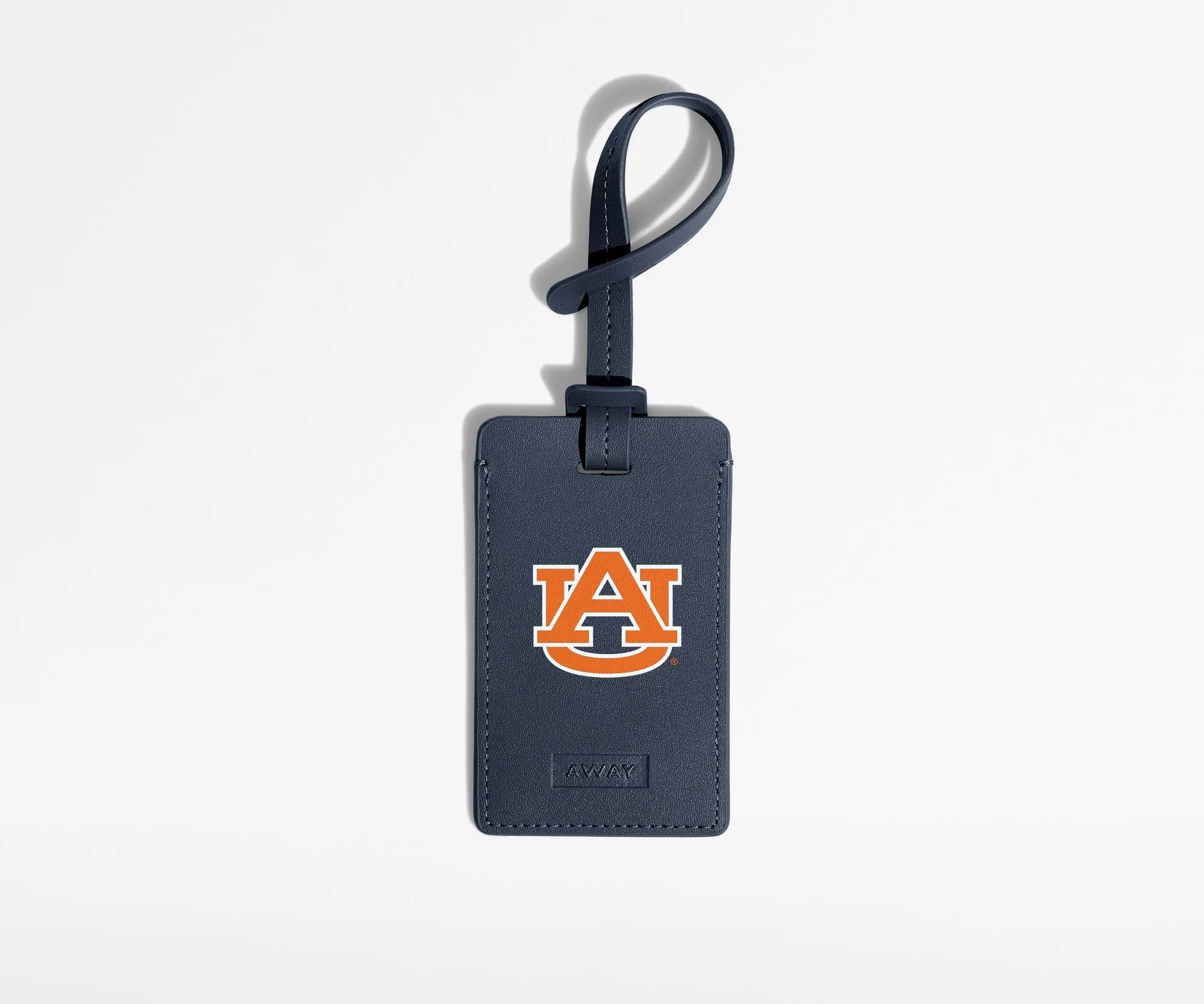
- The Collegiate Luggage Tag in: Our officially licensed college collection has arrived—rep your team from takeoff to tailgates with our Luggage Tag now sporting your favorite school. Whatever you choose, these leather luggage tags are crafted for durability and designed to stand out, ensuring a smooth journey from carousel to curb. A durable, visible tag helps your bag get identified and handled correctly, which reduces the chance of it being pulled off a carousel roughly or misrouted.
Aluminum luggage rewards a light touch. Wipe it down with mild soap and water, dry it fully, and resist the urge to polish out every scuff. With a cover for storage and a tag for identification, your Away Aluminum Edition will keep its character and its shine for years of trips.