Walk down the personal care aisle and you'll see two distinct options: deodorant and antiperspirant. They're often grouped together, but they work in fundamentally different ways. If you're exploring natural alternatives, you've probably wondered about the difference—and whether switching is right for you.
This comparison breaks down how each type works, what's inside, and how to choose based on your lifestyle and preferences. We'll also highlight some popular options from Tom's of Maine to help you make an informed decision.
How They Work: The Core Difference
The main difference lies in their approach to sweat. Antiperspirants use aluminum-based compounds to temporarily block sweat ducts, reducing the amount of sweat that reaches your skin's surface. This is why they're often marketed for heavy sweating or special occasions.
Deodorants, on the other hand, don't stop sweat. They focus on neutralizing odor caused by bacteria breaking down sweat. Natural deodorants, like those from Tom's of Maine, typically use plant-based ingredients and essential oils to keep you smelling fresh without interfering with your body's natural cooling process.
- Antiperspirants: block sweat with aluminum salts.
- Deodorants: neutralize odor, allow natural sweating.
- Natural deodorants: use baking soda, arrowroot, or essential oils.
Ingredients: What's Inside Matters
Conventional antiperspirants often list aluminum zirconium or aluminum chloride as active ingredients. These compounds are effective but have raised questions about long-term skin exposure. While the FDA considers them safe, some people prefer to avoid aluminum for personal reasons.
Natural deodorants skip aluminum entirely. Instead, they rely on ingredients like coconut oil, shea butter, and essential oils. Tom's of Maine offers aluminum-free options such as the Twilight Breeze Deodorant, which uses a plant-based formula to keep you fresh without harsh chemicals. For those new to natural deodorants, this is a gentle introduction.
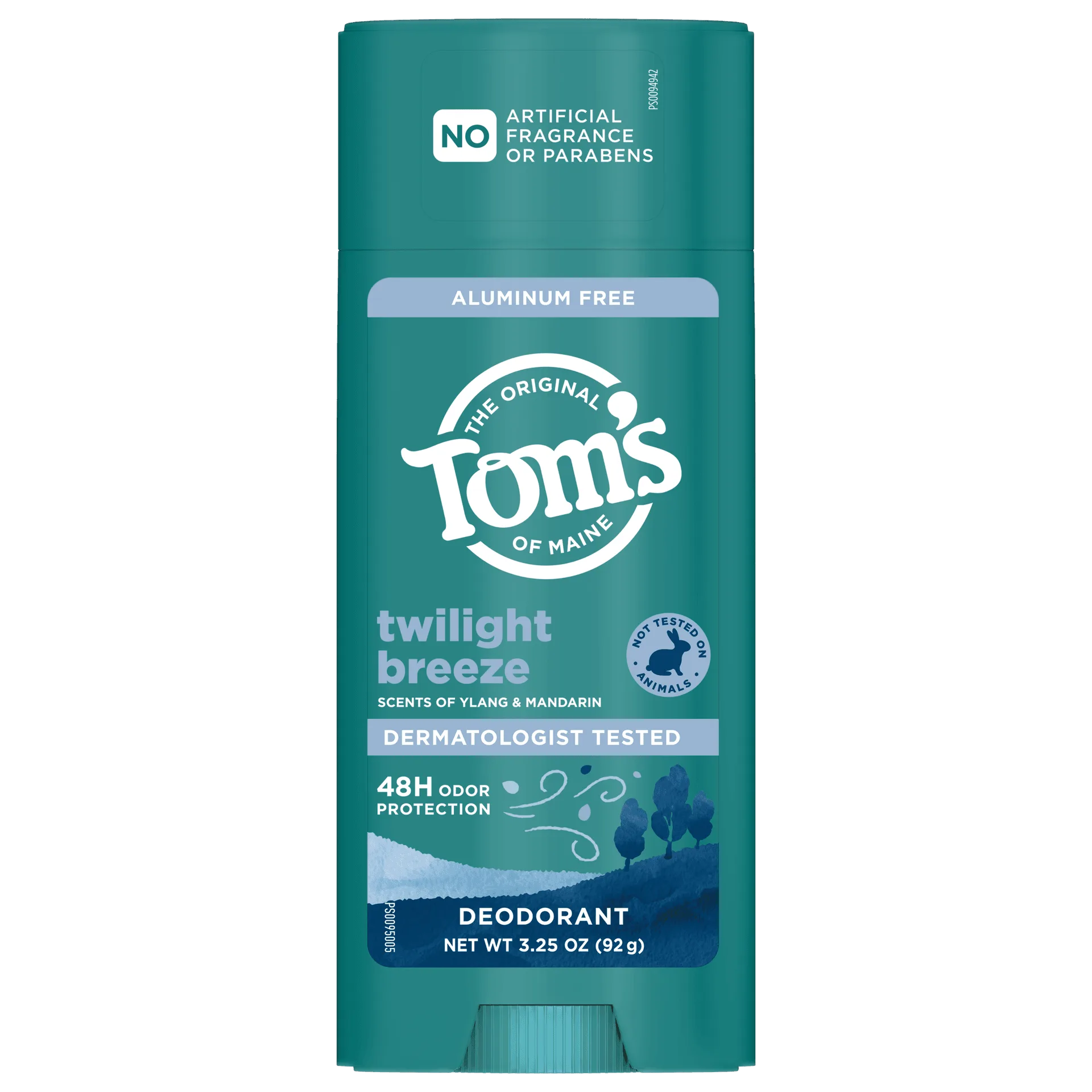
Twilight Breeze Deodorant
- Check the label: look for 'aluminum-free' on deodorants.
- Natural deodorants often include moisturizing ingredients like shea butter.
- Avoid artificial fragrances if you have sensitive skin.
Sweat and Odor Control: What to Expect
If you're used to antiperspirants, you may notice a difference when you switch to natural deodorant. Antiperspirants keep you dry by plugging sweat ducts, so you might feel less wetness. However, this doesn't necessarily mean you smell better—odor is controlled by antibacterial ingredients in both types.
Natural deodorants allow you to sweat, but they're designed to keep odor at bay. Many users find that after a short adjustment period, their body adapts and they feel just as confident. For active days, you might need to reapply, but the trade-off is a more natural approach. Tom's of Maine also offers deodorant antiperspirant options if you prefer the combination.
When comparing, consider your daily activities. If you're a heavy sweater, you might lean toward an antiperspirant. If you're okay with some moisture and prioritize natural ingredients, a deodorant could be your match.
- Antiperspirants reduce visible sweat; deodorants let you sweat naturally.
- Odor control in natural deodorants comes from antibacterial ingredients like tea tree oil.
- Adjustment period: 2-4 weeks for some people when switching.
Skin Sensitivity and Health Considerations
Your skin's reaction is a big factor. Some people experience irritation from aluminum salts or artificial fragrances in antiperspirants. Natural deodorants often use gentler ingredients, but they can still cause sensitivity, especially if they contain baking soda.
Tom's of Maine formulates with skin-friendly options. The Twilight Breeze Deodorant is aluminum-free and free of artificial fragrances, making it suitable for many skin types. If you have sensitive skin, patch test a new product and look for options labeled 'sensitive' or 'unscented.'
There's ongoing research about aluminum and health, but current evidence doesn't show a clear link to disease. Still, choosing aluminum-free can be a personal preference. Always consult a dermatologist if you have concerns.
- Patch test new deodorants on your inner arm.
- Look for 'fragrance-free' if you're prone to irritation.
- Natural deodorants may contain baking soda—choose a baking-soda-free formula if needed.
Environmental and Lifestyle Factors
Many people choose natural deodorants for environmental reasons. Aluminum-free formulas often come in recyclable packaging or use fewer synthetic chemicals. Tom's of Maine products are made with naturally derived ingredients and are cruelty-free, aligning with eco-conscious values.
Lifestyle also matters. If you practice yoga, run, or live in a hot climate, you might appreciate the ability to sweat naturally. Some find that natural deodorants work better after a detox period, while others prefer the long-lasting dryness of antiperspirants. Consider your priorities: is it about minimizing ingredients or maximizing dryness?
- Natural deodorants often use recyclable packaging.
- Cruelty-free and vegan options are available.
- Think about your activity level and climate.
Ultimately, the choice between aluminum-free deodorant and antiperspirant comes down to your personal needs and values. If you want to avoid aluminum and embrace a more natural routine, try the Twilight Breeze Deodorant from Tom's of Maine. If you prefer the combined benefits, explore their deodorant antiperspirant line. Whichever you choose, listen to your body and find what helps you feel fresh and confident every day.