Quick answer
Choose aluminum luggage when you want a hard shell that resists cracking, keeps its shape under pressure, and looks better as it picks up travel marks. Skip it if you routinely lift your own bag overhead or obsess over every scratch, because aluminum is heavier than polycarbonate and dents rather than flexes. Match the material to how you actually travel, then spend the difference on organizers that keep the interior calm.
Aluminum luggage is the rare purchase that gets more character as you use it. Where polycarbonate shells flex and eventually scuff, an aluminum shell holds its shape and takes marks as part of the finish. That trade-off — strength and patina in exchange for weight — is the whole decision.
This guide gives you concrete rules for choosing between aluminum and polycarbonate, explains what actually matters in the cabin, and shows how a few small accessories make a hard-shell case easier to live out of.
What aluminum actually does better
The core aluminum luggage benefits come down to structure. A metal shell resists crushing and cracking in a way plastic cannot, so it protects contents when a bag is stacked, thrown, or wedged into an overhead bin. It also holds its silhouette over years of use, which is why aluminum cases tend to look intentional rather than worn out.
The second benefit is aesthetic honesty. Scratches and small dents read as patina on brushed metal, while the same wear on a glossy plastic shell reads as damage. If you like gear that shows its history, aluminum rewards you. If you want a bag that still looks new after twenty trips, that same quality will frustrate you.
- Metal shells resist cracking and crushing; plastic shells flex and may crack under extreme pressure.
- Brushed finishes hide scratches better than high-gloss finishes.
- Aluminum is generally heavier than polycarbonate at the same size — check the actual weight before buying.
Aluminum vs polycarbonate: the honest trade-off
Polycarbonate wins on weight and price. It flexes on impact, which absorbs energy, and it costs less to replace if an airline damages it. For frequent flyers who lift their own bag into overhead bins or who check a case several times a month, that lighter weight is a real daily advantage.
Aluminum wins on rigidity, repairability of appearance, and long-term shape retention. It does not flex, so impact shows as a dent rather than a crack — and dents can often be pressed or lived with. The honest trade-off is simple: choose aluminum for protection and longevity, polycarbonate for lightness and lower replacement cost.
- Weigh your typical packed load before deciding — a heavier empty shell compounds every lift.
- If you check a bag often, prioritize shell strength; if you mostly carry on, prioritize weight.
- Neither material is scratch-proof; both will show travel.
Style that holds up in the cabin
Aluminum reads as premium because the material is associated with aircraft and industrial design, not because of a logo. A clean silhouette in brushed metal photographs well and pairs with almost any travel outfit, which matters if your luggage is part of how you present yourself on a work trip.
That said, style is not a reason to ignore ergonomics. A beautiful case with a handle that digs into your hand or wheels that catch on carpet will annoy you by the second airport. Judge the shell last and the rolling experience first.
- Look for a flush, low-profile handle and smooth-glide wheels before falling for the finish.
- Neutral metal tones stay current longer than trend colors.
- A luggage tag in a contrasting material makes a metal case easier to spot on the belt.
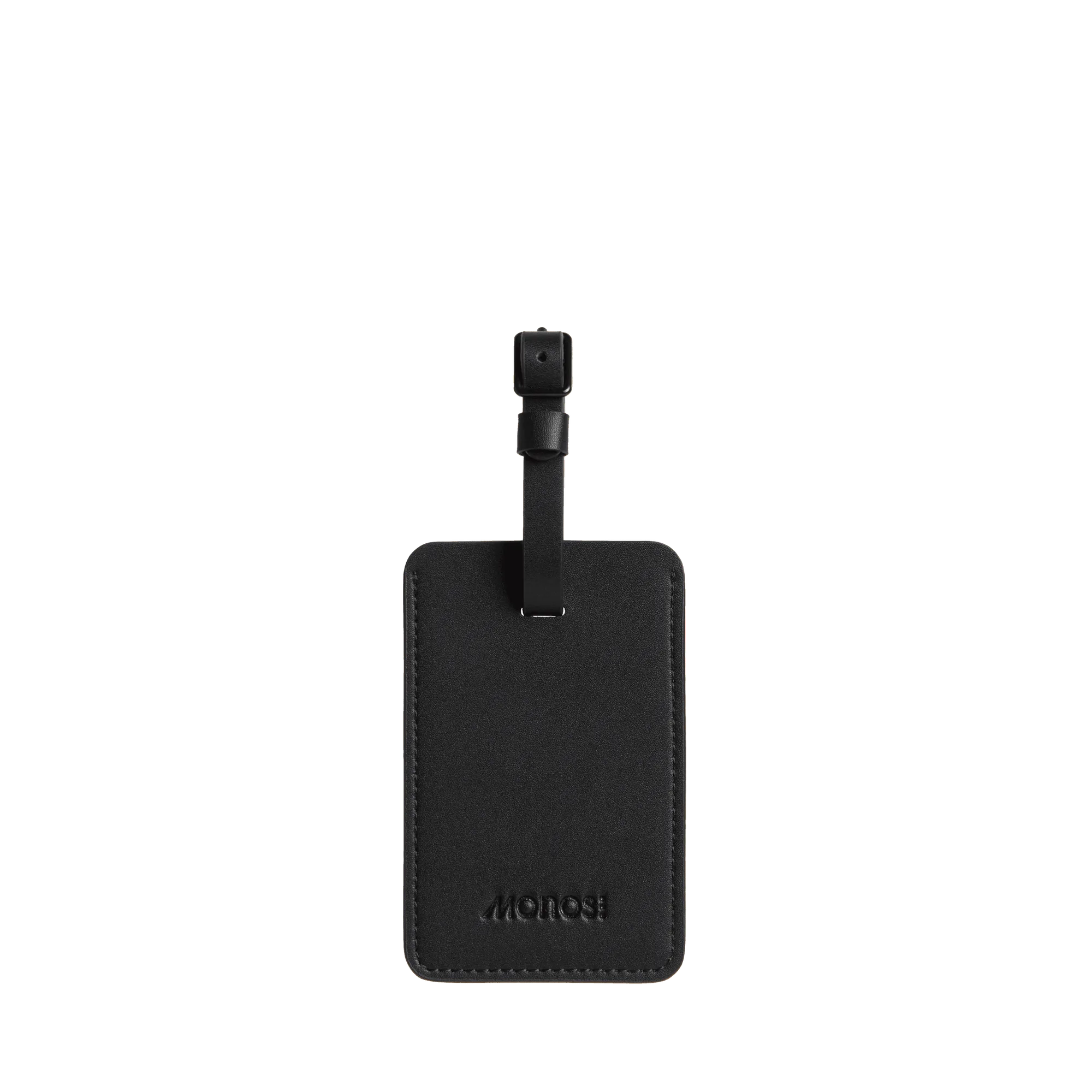
luggage tag
What to put inside a hard shell
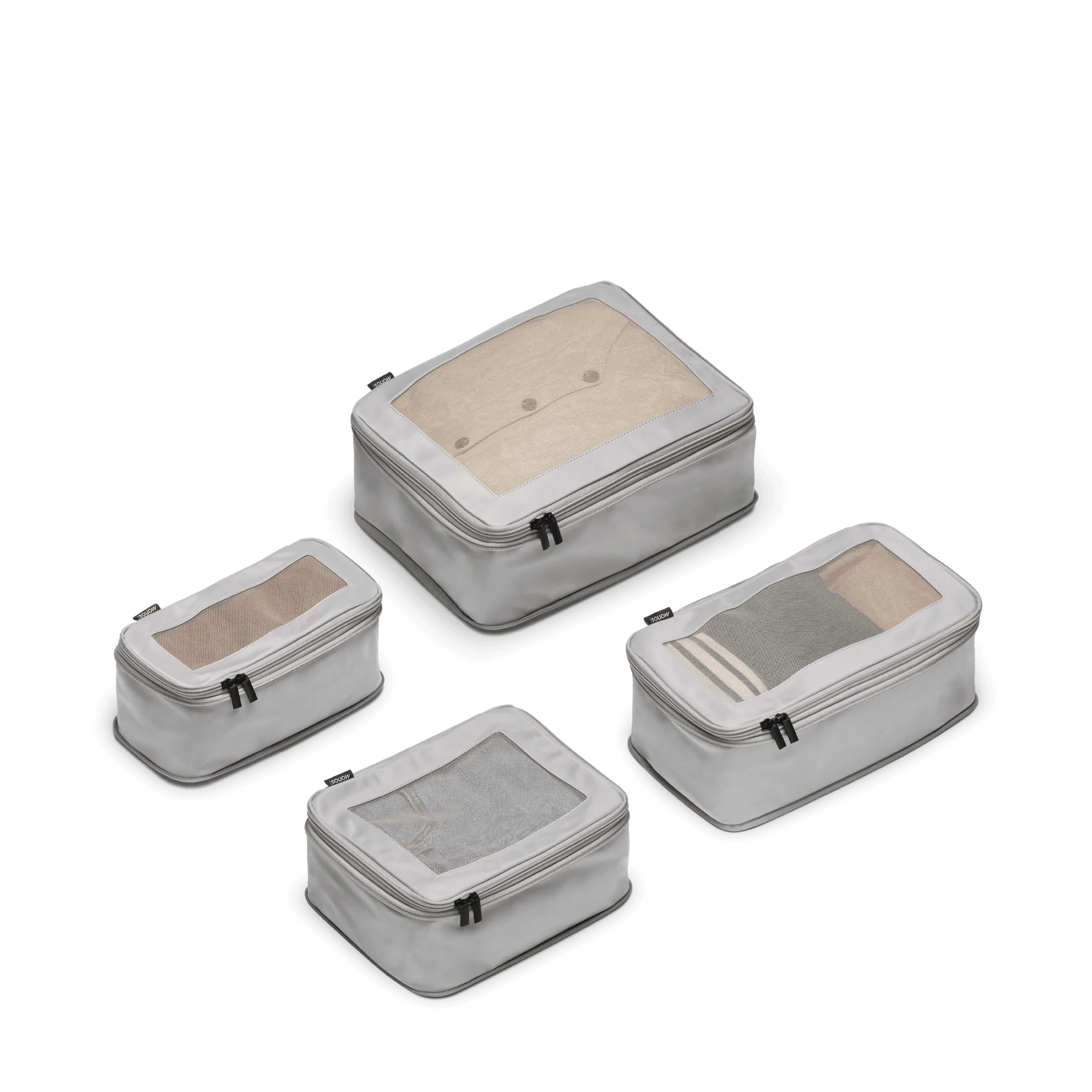
Hard-shell cases have less give than soft bags, so interior organization matters more, not less. Compression packing cubes do the heavy lifting: they keep clothes compact and stop contents from shifting into a single lump when the case is stood upright. A set sized to your case means the cubes fill the footprint instead of rattling around.
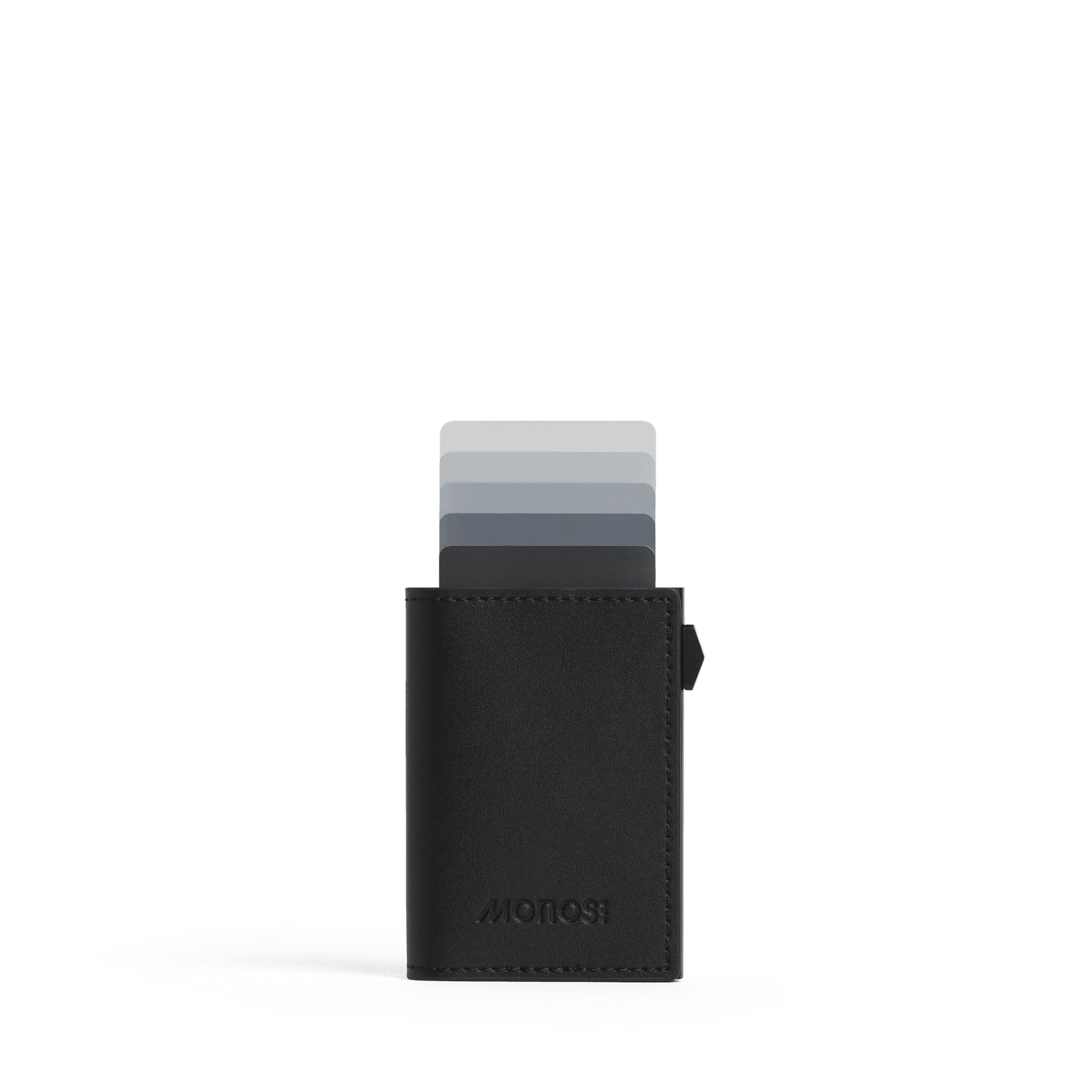
Small accessories earn their place too. A durable luggage tag identifies the bag without adding bulk, and a slim wallet keeps cards and ID reachable at the gate instead of buried in a pocket. These are the pieces that make a rigid case feel organized rather than just strong.
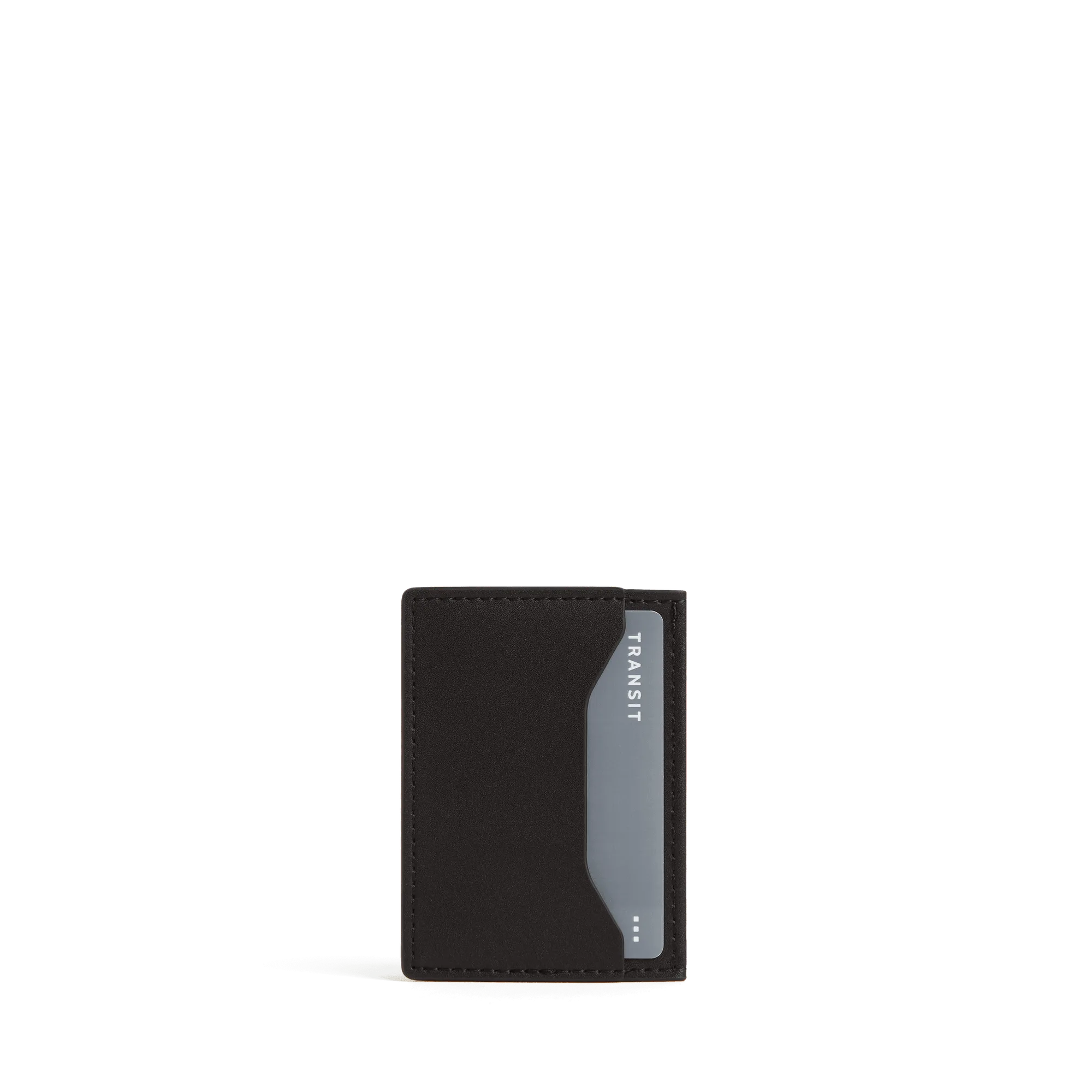
slim wallet
- Match cube set size to case size so the interior stays packed tight.
- Keep your ID and boarding pass in one dedicated wallet, not loose in a pocket.
- Add a tag with your contact details before the first trip, not after a close call.
Decision rules: aluminum or polycarbonate
- Choose aluminum if you check bags more than you carry on: Checked luggage takes the most abuse from belts, carts, and stacking. A rigid metal shell resists crushing and cracking better than a flexing plastic one. Prioritize shell strength over saving a pound.
- Choose polycarbonate if you lift your own bag overhead: Weight is felt every time you raise the case. Polycarbonate is generally lighter at the same size, which matters on multi-leg trips and in small overhead bins. Weigh the empty case, then add your typical packing list before deciding.
- Choose aluminum if you want a bag that ages visibly: Brushed metal takes scratches and dents as patina rather than damage. If visible wear bothers you, this will feel like a flaw instead of a feature. Accept the patina up front or choose a different finish.
- Choose aluminum if you keep gear for a decade: A rigid shell holds its shape over years, so the case still closes and rolls the way it did on day one. That longevity is where the higher upfront cost pays back. Buy for the years you will own it, not the trip you are taking next month.
Products that pair well with aluminum luggage
- Compressible Packing Cubes: Set of Four fits all Carry-On sizes; Set of Six fits all Check-In sizes, and the cubes are designed to compress clothes and fit Monos luggage. A rigid aluminum shell has no flex, so correctly sized cubes keep contents from shifting and let you use the full depth of the case.
- Monos × Reformation Luggage Tag: Crafted from 100% deadstock leather in butterscotch, this limited-edition tag is designed to travel with you and help ensure your belongings arrive with you. A distinct tag makes a metal case easy to identify on a crowded belt and adds a warm material contrast to a cool-toned shell.
- Slim Wallet Pro: Streamlined profile with room for cash and cards, a slide function for organization, a separate window for ID, and scratch- and water-resistant vegan leather backed by a lifetime warranty. Keeps your ID visible and secure at security and the gate, so you are not digging through a rigid case mid-journey.
Who aluminum luggage is right for
Best for
- Frequent checked-bag travelers who want a shell that resists crushing and cracking
- Travelers who like gear that develops visible character instead of staying pristine
- Long-term owners who would rather buy once and keep the case for years
Not for
- Travelers who lift their own bag into overhead bins and want the lightest option
- Anyone who is bothered by scratches and small dents on a new purchase
- Budget-focused shoppers who replace luggage often and prefer lower upfront cost
Aluminum luggage earns its place when strength, shape retention, and a finish that ages well matter more to you than shaving weight. Decide with the rules above, then make the interior work just as hard with correctly sized packing cubes and a tag that identifies your case at a glance.