Quick answer
Keep stock steering parts until you notice flex, stripped splines, or inconsistent return-to-center. Upgrade the servo horn first, then the servo mount, then axle-side steering if you still have play. Aluminum helps most where a single part resists torque or ties two mounting points together.
Steering slop rarely comes from one part. On a crawler, it builds through the servo horn, the mount, the rack, and the axle. Replacing everything with aluminum at once hides which part actually needed help and adds weight where you may not want it.
This guide gives you decision rules for choosing between aluminum and stock steering components. It focuses on fit, function, and the order that solves real problems without turning a simple upgrade into a full rebuild.
What stock steering does well
Stock plastic and composite steering parts absorb impacts and keep weight low. On a trail truck or a light crawler, that flex can act like a fuse: the part gives instead of passing shock into the servo or axle housing. If your rig drives straight, returns to center, and holds a line under throttle, stock parts are doing their job.
The trade-off appears when torque rises. A high-torque servo, heavy wheels, or sticky tires can twist a plastic horn or flex a mount. You will feel it as vague steering, a delayed response, or a horn that slips on the spline. That is the point where aluminum starts earning its place.
- Check for play at the horn, mount, and rack before buying anything.
- If the truck tracks straight and centers reliably, keep the stock parts and spend elsewhere.
Where aluminum actually helps
Aluminum helps most in parts that clamp, tie, or locate. A clamping servo horn grips the spline around its full circumference instead of relying on a single set screw, which reduces the chance of slipping under load. A rigid mount keeps the servo from twisting, so the steering input goes to the wheels instead of into chassis flex.
Aluminum also helps where two ends of a component need to stay aligned. The F10 Portal Rear Axle Set uses an integrated truss that ties both ends of the axle together, plus brass inner reinforcement tubes that add strength and put weight down low. That is a different job than a cosmetic upgrade: it changes how the axle resists twisting.
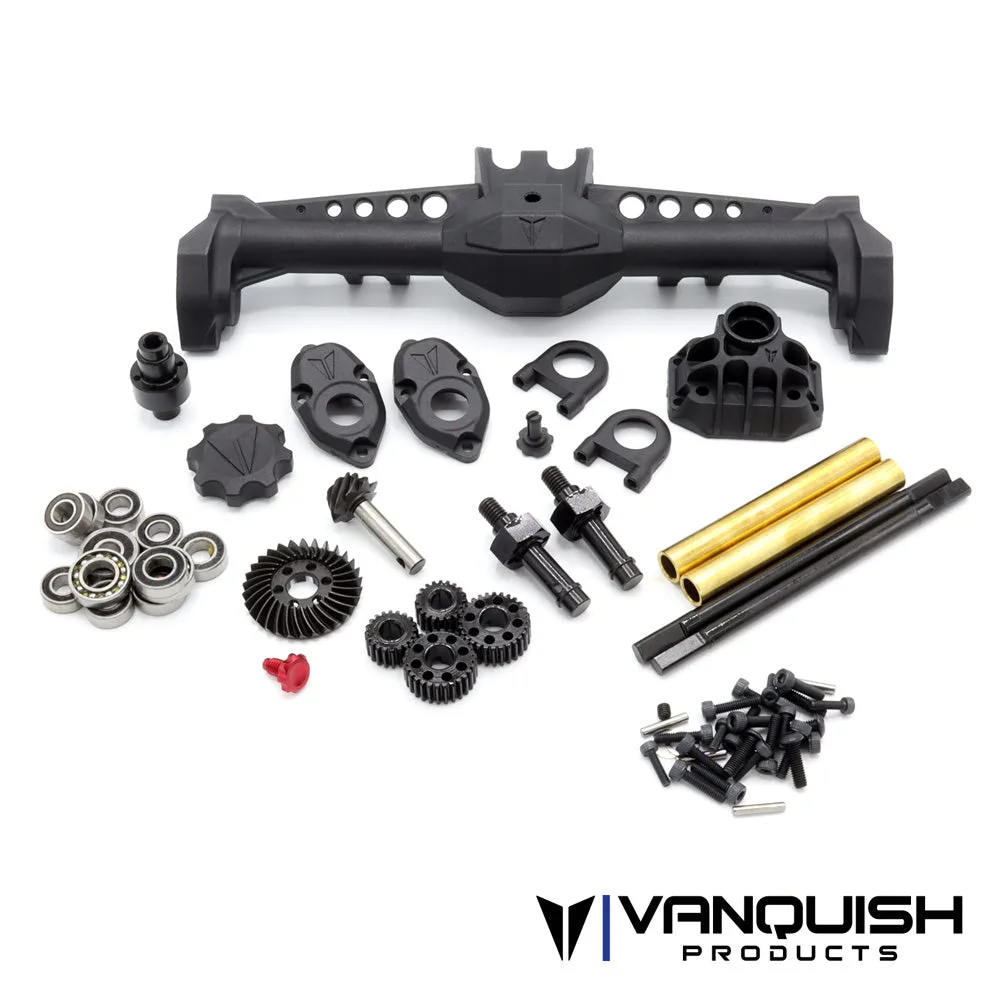
F10 Portal Rear Axle Set
- Prioritize clamping interfaces and mounts over decorative covers.
- Add weight low only when it improves stability without hurting ground clearance.
Fit rules before you buy
Spline count is the first check. The Clamping 25t Servo Horn - 24mm fits a 25-tooth servo spline, and Vanquish advises checking the servo manufacturer's specs to confirm the spline you need. A 24mm horn also changes steering geometry, so measure from the servo output to the hole you currently use before swapping.
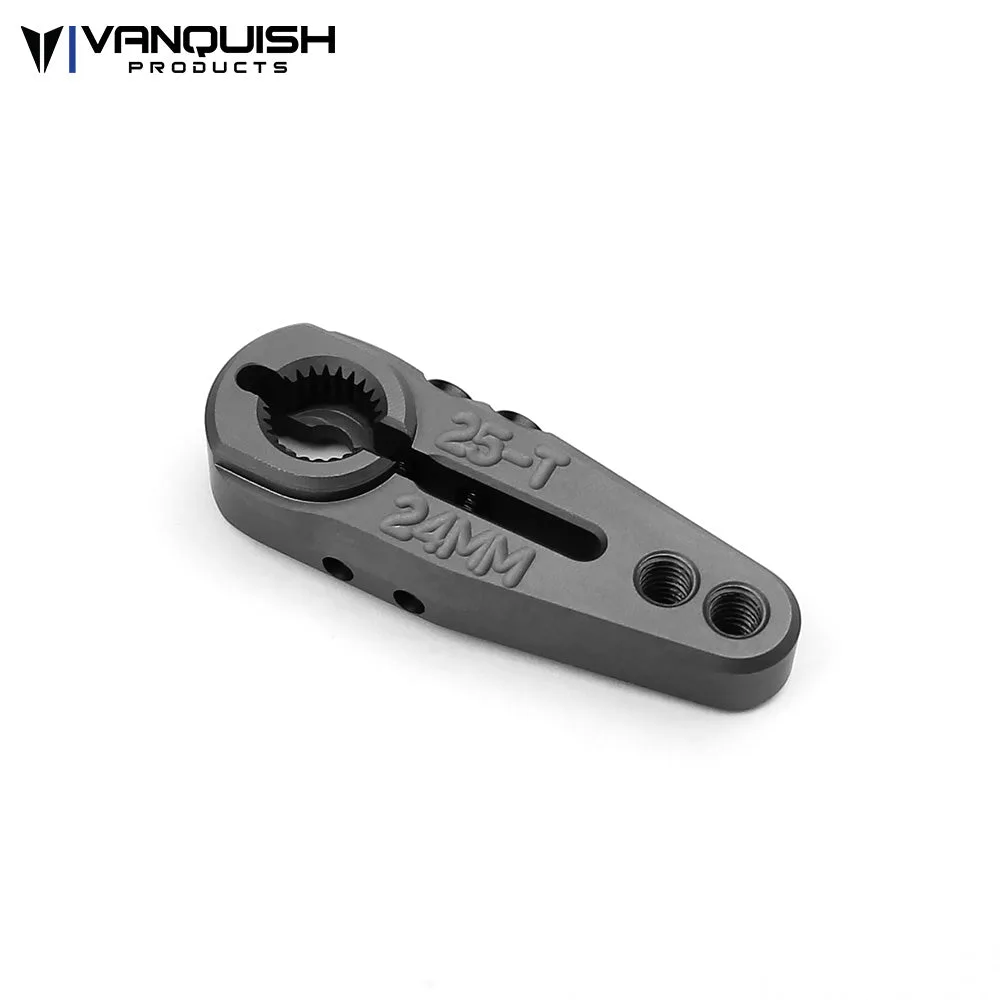
Clamping 25t Servo Horn - 24mm
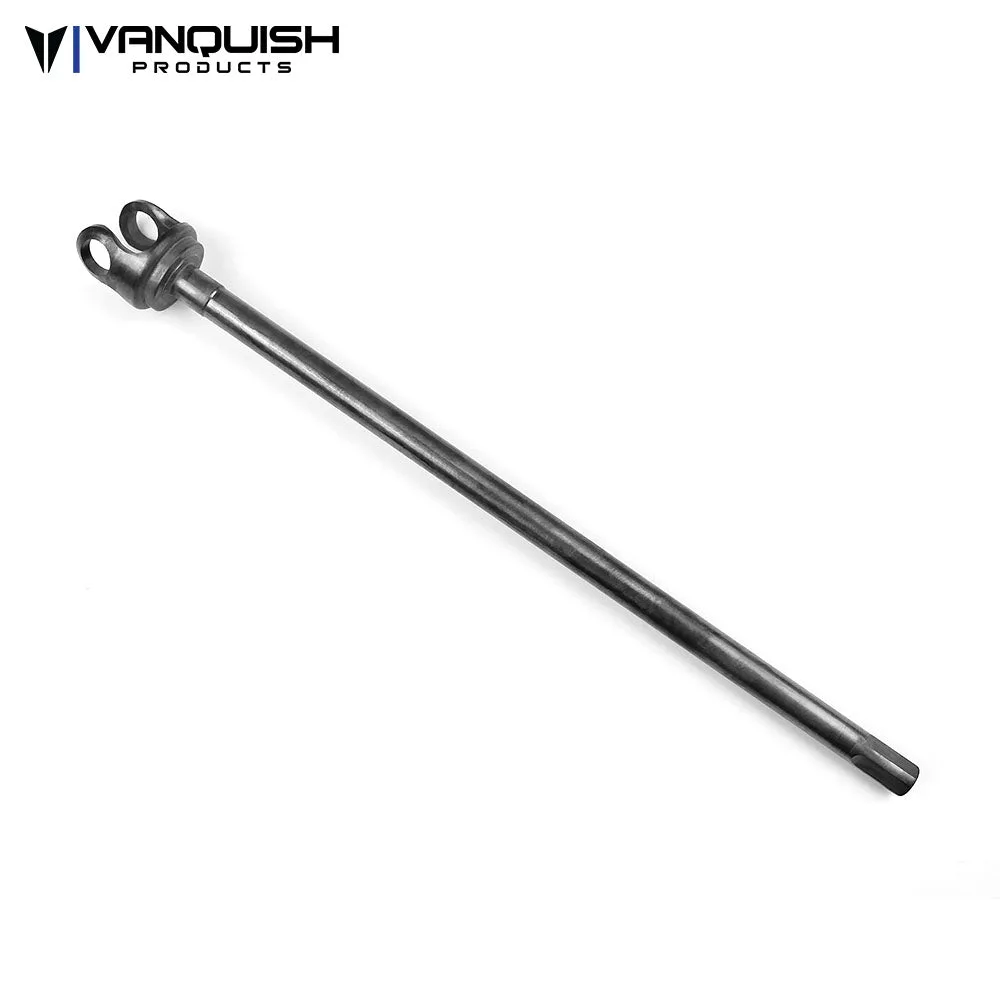
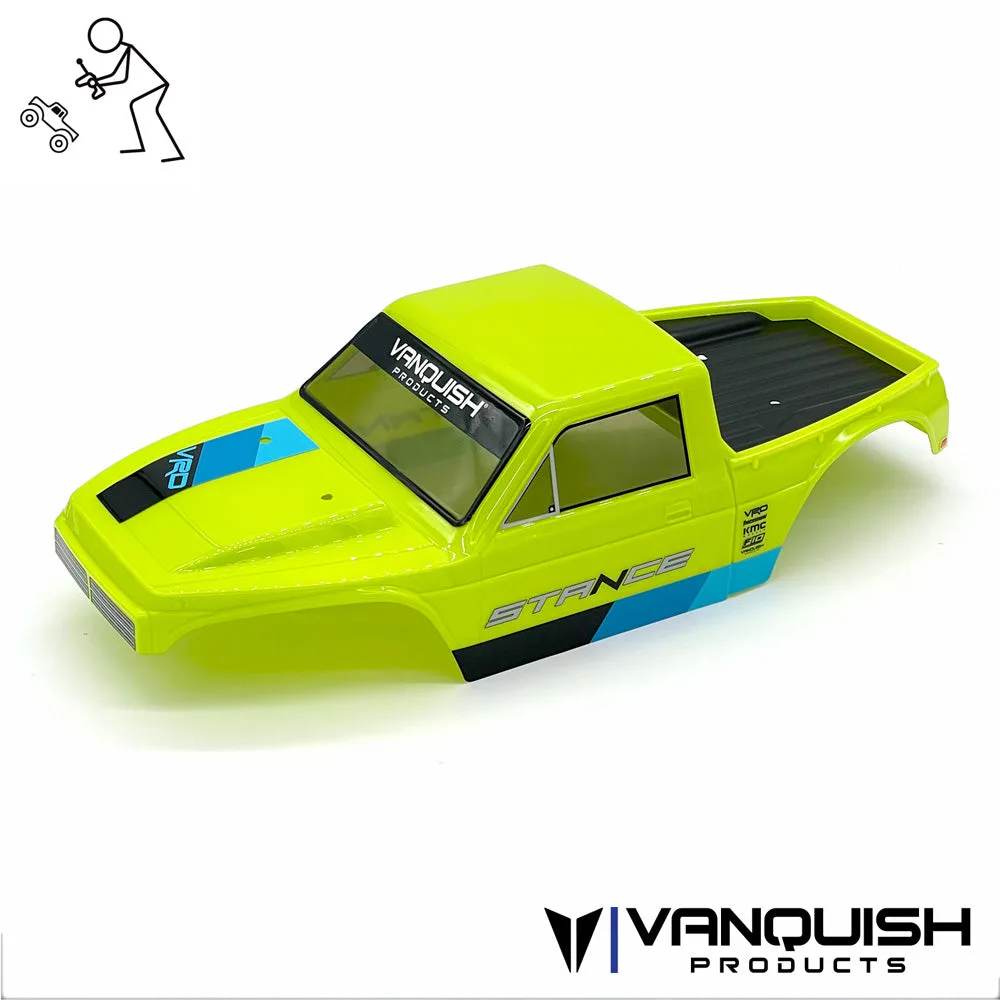
The second check is platform and part number. The Stance Body - Pre-Painted fits the VPS09015 VRD Carbon Kit and is a VPS09009 replacement, so it is a body fit question rather than a steering one, but it shows why you verify the listed fit before ordering. For driveline and axle parts, confirm the exact assembly. The VXD Universal Long Inner Shaft is listed for Axial RR10 Bomber, SMT10, and Wraith axle shafts, and the Incision Driveshafts for VS4-10, VRD, H10 are a set with splined engagement and timed splines for in-phase installation.
- Match spline count, output diameter, and horn length before ordering.
- Read the fit line on the product page; do not assume a part fits every Vanquish platform.
Weight, durability, and the honest trade-offs
Aluminum adds mass, and on a crawler that mass can help or hurt depending on location. Weight low in the axle improves stability on side hills and ledges. Weight high in the steering linkage does less for you and can make the front end feel heavy. Choose aluminum where it resists a specific force, not because it looks stronger.
Aluminum also transfers shock instead of absorbing it. A plastic horn may strip and save a servo gear set; a rigid aluminum horn may pass that load into the servo. If you run a high-torque servo, set your endpoints and consider a servo saver or careful driving to protect the gear train. The right answer depends on how you drive, not on a blanket rule.
- Use aluminum at the horn and mount first; leave other links stock until they show play.
- Set steering endpoints after any horn or mount change to avoid binding.
Decision rules for aluminum vs stock
- Rule 1: Upgrade the interface first: If the servo horn slips or the mount flexes, replace that part before touching the rack or axle. A clamping horn like the 25t model addresses the most common slip point. One rigid interface often removes most of the felt slop.
- Rule 2: Match spline and geometry: Confirm the servo spline count and measure horn length from output center to the hole you use. A 24mm horn is not a universal fit. Wrong spline or length creates new problems instead of solving old ones.
- Rule 3: Add weight low, not high: Choose aluminum or brass where it lowers the center of gravity or ties a stressed assembly together. Avoid adding mass to the upper steering linkage. Weight placement matters more than weight total.
- Rule 4: Keep a weak link where it protects expensive parts: If you run a high-torque servo, decide whether you want a plastic part to fail first. Aluminum transfers shock into the servo and axle. Rigid is not automatically better for every driver.
Parts that illustrate the choice
- Clamping 25t Servo Horn - 24mm: Milled from high quality aluminum with a unique clamping style that keeps splines more engaged on the servo output, 24mm from center of servo output to center of outward most hole, for a 25-tooth servo spline. The clamping design reduces slip at the spline, and the 24mm measurement lets you compare against your current horn before you change steering geometry.
- F10 Portal Rear Axle Set: Plastic molded F10 Portal axles with an ultra rigid design, an integrated truss that ties both ends of the axle together, and brass inner reinforcement tubes to add strength and weight down low. Shows that rigidity and low weight can come from a molded design with brass reinforcement, not only from a full aluminum housing.
- Incision Driveshafts for VS4-10, VRD, H10: Universal joint style, hardened steel construction, splined engagement, 4mm set pins included, and splines timed to allow installation in phase. Driveline parts are a separate decision from steering, but the same fit discipline applies: confirm platform, pin size, and phasing before install.
- VXD Universal Long Inner Shaft: A Vanquish Products replacement part for compatible Axial axle assemblies, listed for Axial RR10 Bomber, SMT10, and Wraith axle shafts as a direct-fit option. Illustrates why you check the exact axle assembly and part number rather than assuming a shaft fits every rig.
Which setup fits your build
Choose aluminum if
- You run a high-torque servo and feel the steering delay or slip under load
- You want a clamping horn and rigid mount to remove play at the servo
- You need low, reinforced weight at the axle for side-hill stability
Stay stock if
- Your truck tracks straight and returns to center without noticeable play
- You drive a light trail rig where impact absorption matters more than rigidity
- You have not confirmed spline count, horn length, or platform fit for the parts you are considering
Start with the part that is actually moving. A clamping horn and a rigid mount solve most steering complaints, and you can leave the rest stock until it proves it needs help. Check fit first, add weight low, and keep one weak link if you want to protect a high-torque servo.