Quick answer
Replace Ameda Mya Joy parts on a schedule, not just when something breaks: inspect silicone tubing, adapter caps, and locking rings every week, and swap any part that looks cloudy, stretched, cracked, or loose. Most moms replace tubing and adapter caps every 2 to 3 months with daily pumping, and locking rings whenever the seal stops holding. If you are unsure, start with the cheapest wear items first.
Why worn parts quietly reduce pump performance
Breast pump parts wear out gradually, so the change is easy to miss. A tiny crack in an adapter cap or a stretched locking ring can let air escape, which lowers suction without making the pump sound different. That is why a schedule beats waiting for a visible failure. The Ameda HygieniKit system is closed, meaning milk does not enter the tubing, so tubing wear is about suction and fit rather than milk contact. Even so, silicone can degrade over time and should be checked regularly.
A simple weekly and monthly inspection routine
Once a week, hold each silicone tube up to a light and look for cloudiness, small tears, or sticky spots. Squeeze the tube gently near the ends; it should spring back, not stay flattened. Check adapter caps for cracks where they meet the tubing and the collection device. Check locking rings and discs by filling the bottle with water, sealing it, and giving it a gentle shake over the sink. If it drips, the seal is done. Once a month, wash all reusable parts according to the manufacturer instructions and let them air-dry completely before reassembling.
How to decide between cleaning and replacing
Cleaning fixes residue and odors; it does not fix stretched silicone or cracked plastic. If a part looks clean but still fits loosely, replace it. If suction feels weaker even after you have checked the flange size and assembly, the tubing and adapter caps are the next suspects. Keep one spare set of each wear item on hand so you are never deciding at 2 a.m. whether to push through with a questionable part.
Your step-by-step replacement schedule
- 1. Inspect tubing weekly for cloudiness or stiffness: Remove the tubing from the pump and collection kit. Hold it up to a light and look for cloudy patches, small tears, or sticky spots. Gently squeeze the tube near each end; it should bounce back, not stay collapsed. Checkpoint: if the tubing feels stiff, looks cloudy, or no longer grips the adapter cap, replace it rather than trying to clean it.
- 2. Check adapter caps for cracks and loose fits: Twist each adapter cap slightly where it meets the tubing and the collection device. A cap that spins freely or shows a hairline crack is letting air in. Compare it to a new cap if you have one. Common mistake: overtightening the cap when you reassemble, which can crack the plastic and create the leak you were trying to prevent.
- 3. Test locking rings and discs with a water shake: Fill your HygieniKit 4 oz. bottle halfway with water, seal it with the locking ring and disc, and shake it gently over the sink. If water escapes, the seal has failed. Repeat with a new ring and disc to confirm the fix. Checkpoint: these discs are only compatible with Ameda HygieniKit Milk Collection System 4 oz. bottles, so verify your bottle size before replacing.
- 4. Replace wear parts on a 2-to-3-month rhythm: If you pump daily, plan to replace silicone tubing and adapter caps every 2 to 3 months, and locking rings whenever the water test fails. Mark the date on your calendar or phone so you are not relying on memory. Common mistake: waiting for a part to break completely, which can mean weeks of gradually weaker suction without realizing why.
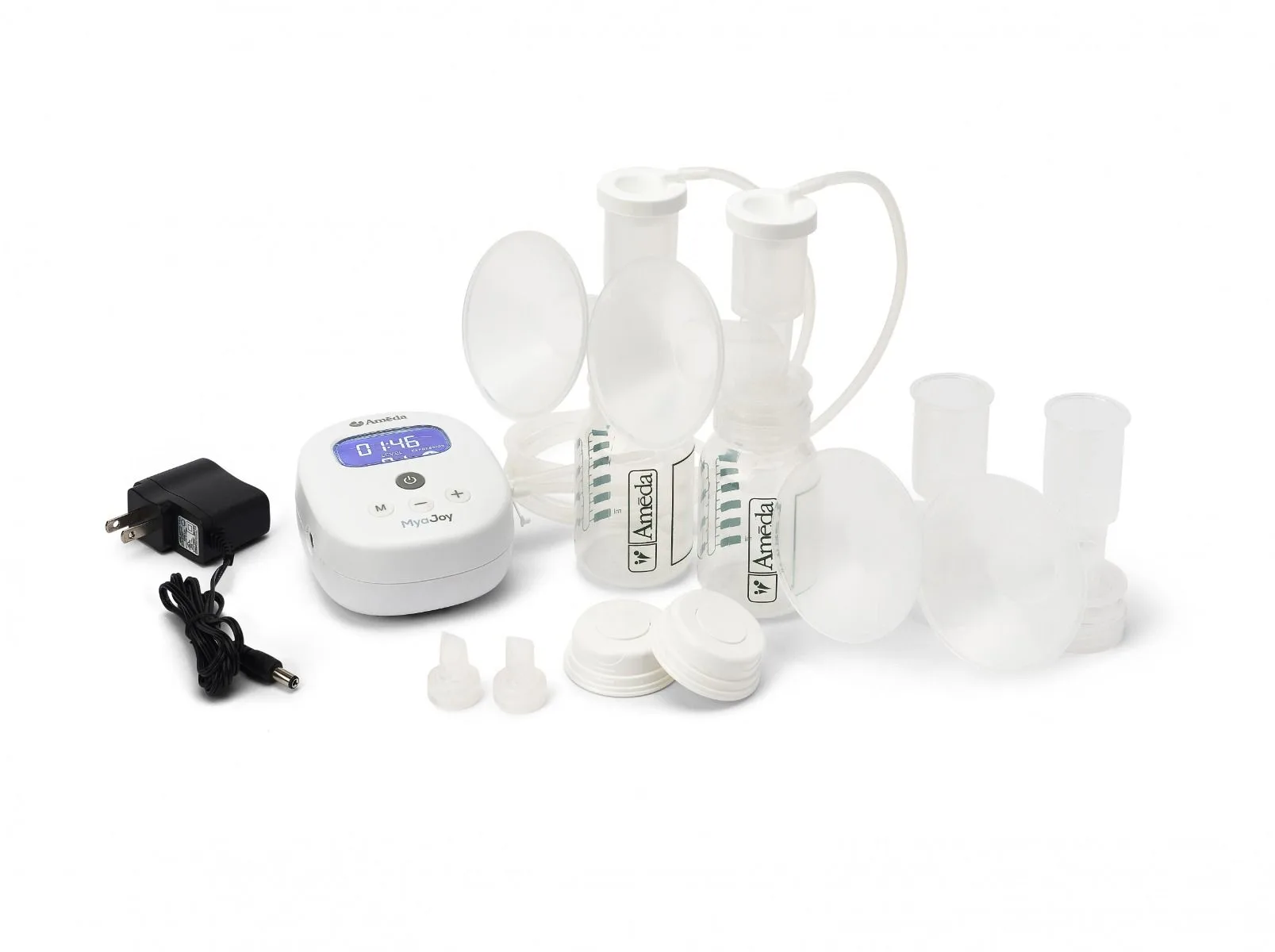
- 5. Reassemble and test suction before your next session: After swapping any part, reassemble the HygieniKit system and run the pump for a few seconds against your hand or a clean surface. You should feel steady suction. If it still feels weak, check the flange size and all connections again. Next step: keep one spare set of tubing, adapter caps, and locking rings on hand so a worn part never interrupts a pumping session.
Replacement parts that solve specific wear problems
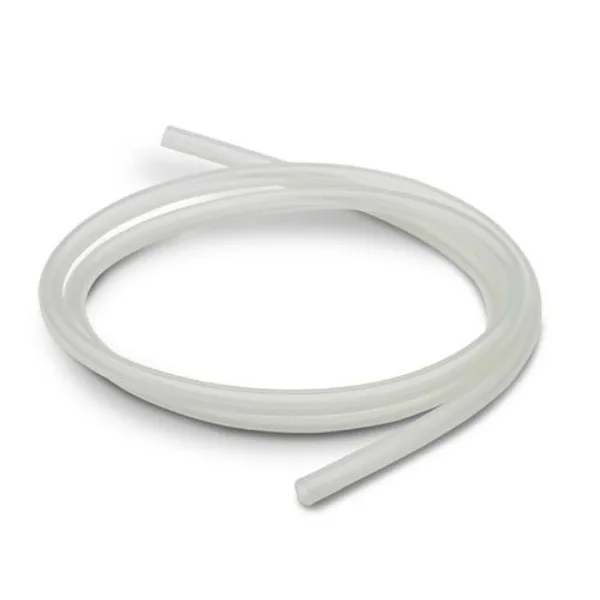
- Ameda HygieniKit® Silicone Replacement Tubing, 2 Count: Silicone tubing connects the pump to the HygieniKit Mya Milk Collection System, and with the closed system, milk does not enter the tubing. Because milk stays out of the tubing, you can focus on fit and suction rather than milk residue, but the tubing still needs periodic replacement when it becomes cloudy, sticky, or loose at the connections.
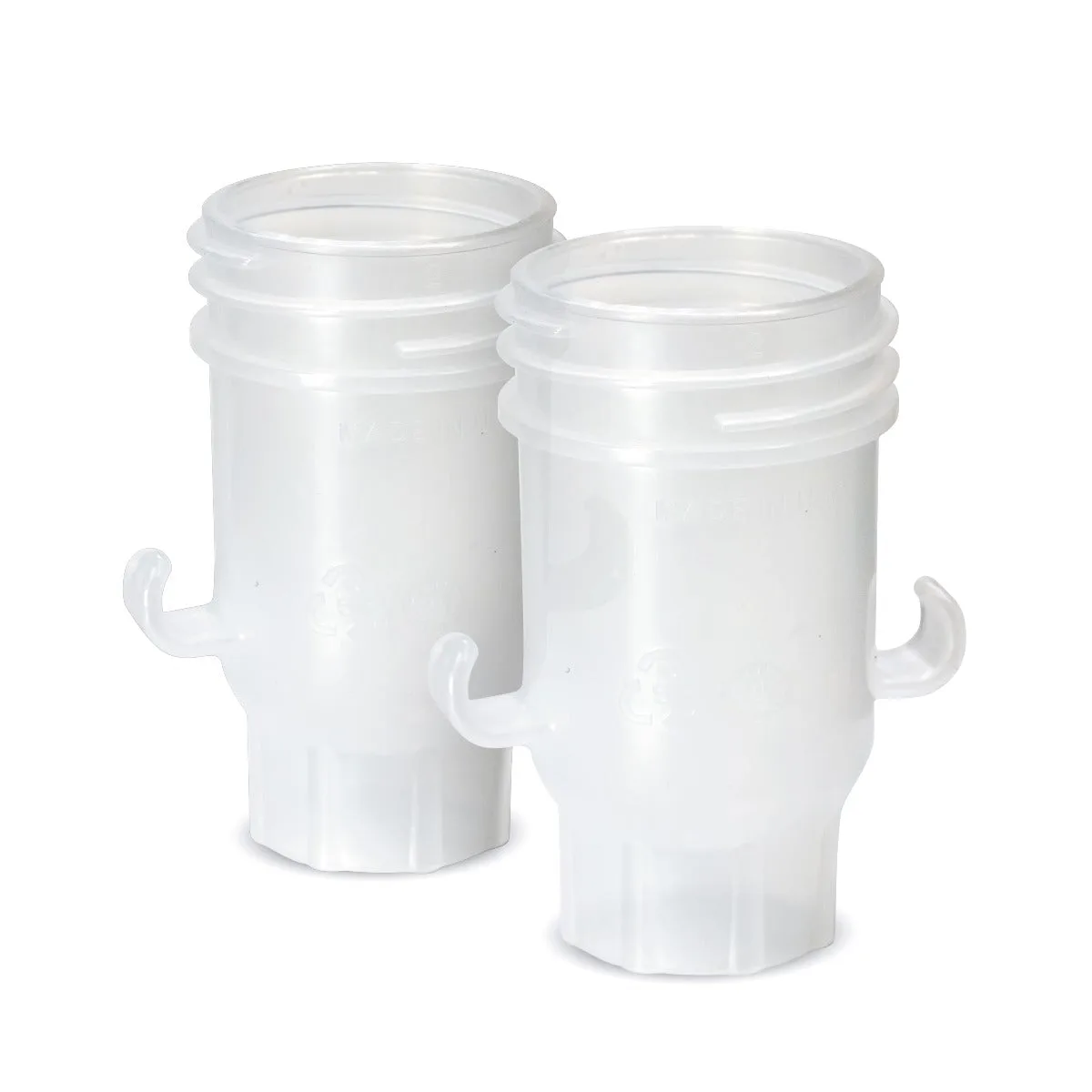
- Ameda HygieniKit® Adapter Cap, 2 Count: Adapter caps connect the tubing to the milk collection device and are found in and compatible with all Ameda HygieniKit Milk Collection Systems. A cracked or loose adapter cap is a common cause of lost suction, so keeping a spare set makes it easy to rule out an air leak before assuming the pump itself is failing.
- Ameda HygieniKit® Replacement Locking Rings & Caps, 2 Count: The locking ring and disc work together to seal the breast milk collection container, helping to prevent spills, and these discs are only compatible with Ameda HygieniKit Milk Collection System 4 oz. bottles. If your bottle leaks when you shake it or when it is tipped in a cooler bag, replacing the locking rings and caps is a quick fix, but check that you are using the compatible 4 oz. bottles before ordering.