Quick answer
Buy the figure first, then build the palette around the three surfaces you will actually paint: skin and cloth, a warm brown leather range, and metals. For a steampunk subject, one true steel tone plus a warm brown does more work than a wide rainbow of colors. Add a color reference only if you want a guided starting point instead of mixing from scratch.
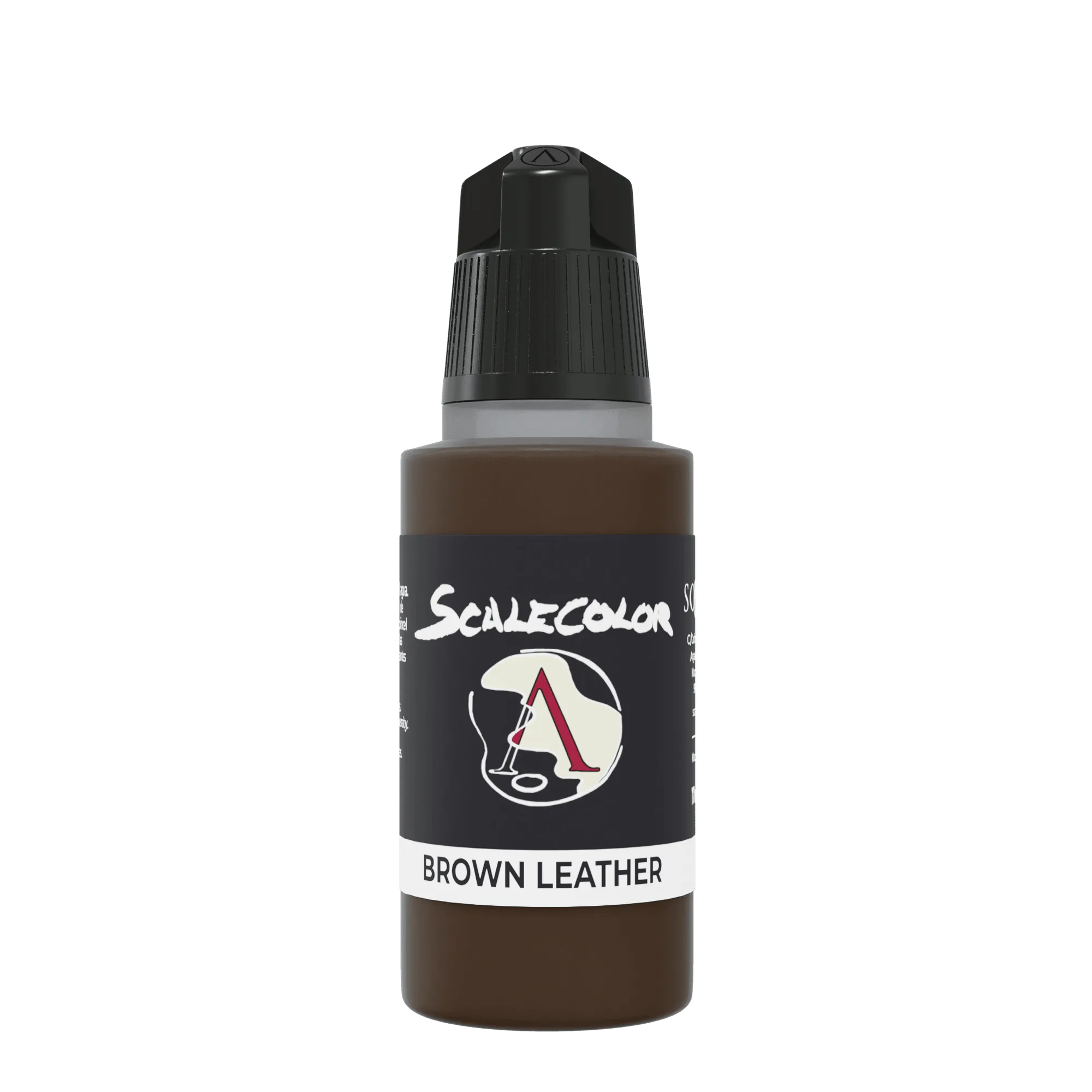
brown leather
Start with the figure, not the paint rack
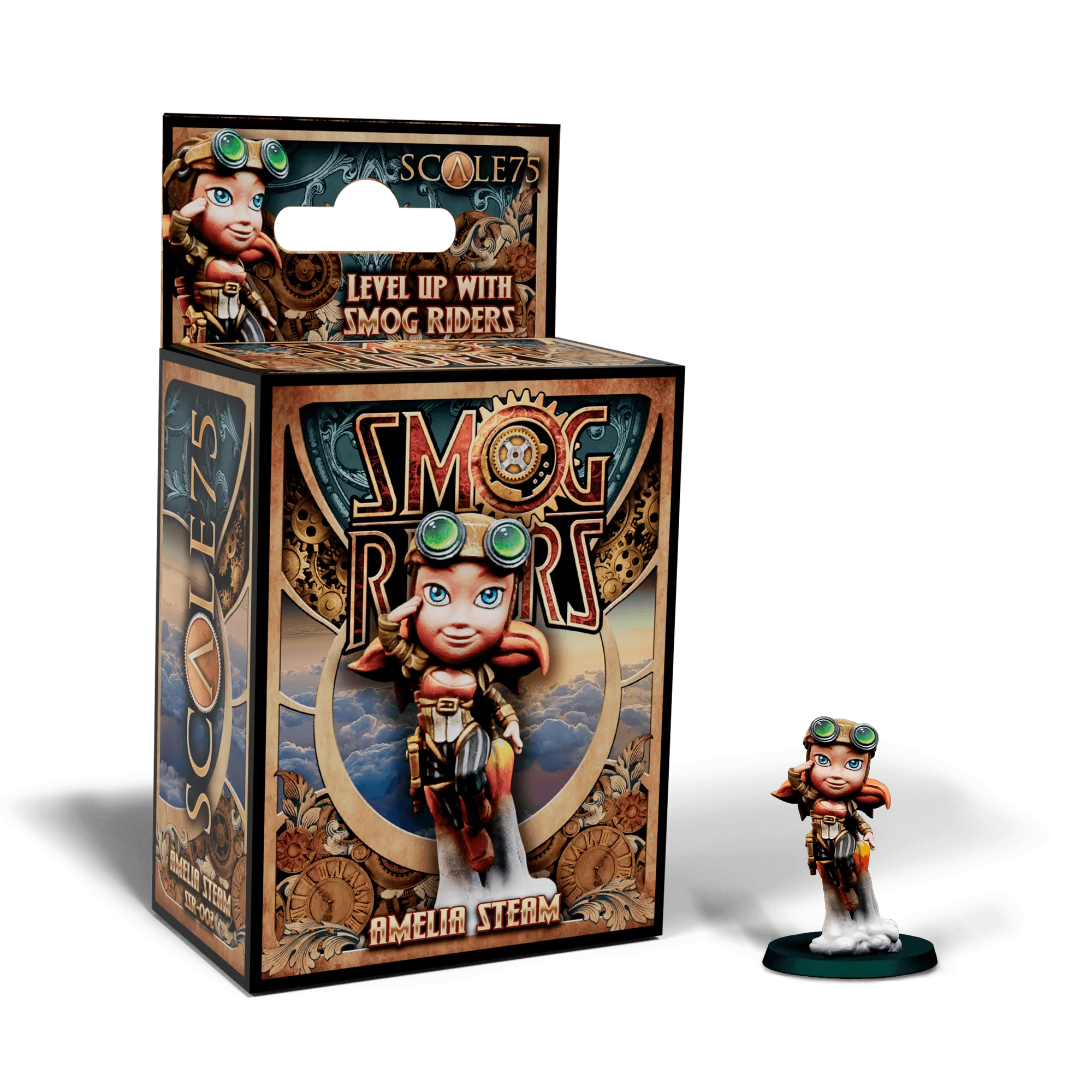
Steampunk figures reward restraint. Amelia Steam is a 1/10 scale resin figure that arrives unpainted and requires assembly, so your first purchase decision is whether you want a large-format piece that will be handled, pinned and assembled before any color goes on. That scale means every surface is visible, so a small, well-understood palette beats a large one you only half know.
Because the kit is unpainted and unassembled, there is no box art color scheme to match. You choose the story: soot-and-brass industrial, pale porcelain and copper, or something darker. Decide that before you buy paint, because the answer changes which browns and metals you need.
The three-surface rule for a steampunk palette
Divide the model into three surface families and buy for each one, not for individual parts. Skin and cloth need smooth, controllable coverage. Leather, straps and wood need a warm brown that can be glazed lighter or darker. Metal needs a dedicated metallic that reads as steel rather than silver glitter.
If a paint you already own can serve two of those families, keep it and skip the purchase. The most common beginner mistake on steampunk subjects is buying five metallics when one steel and one warm accent would have covered every rivet, buckle and pipe on the model.
Where a color reference earns its place
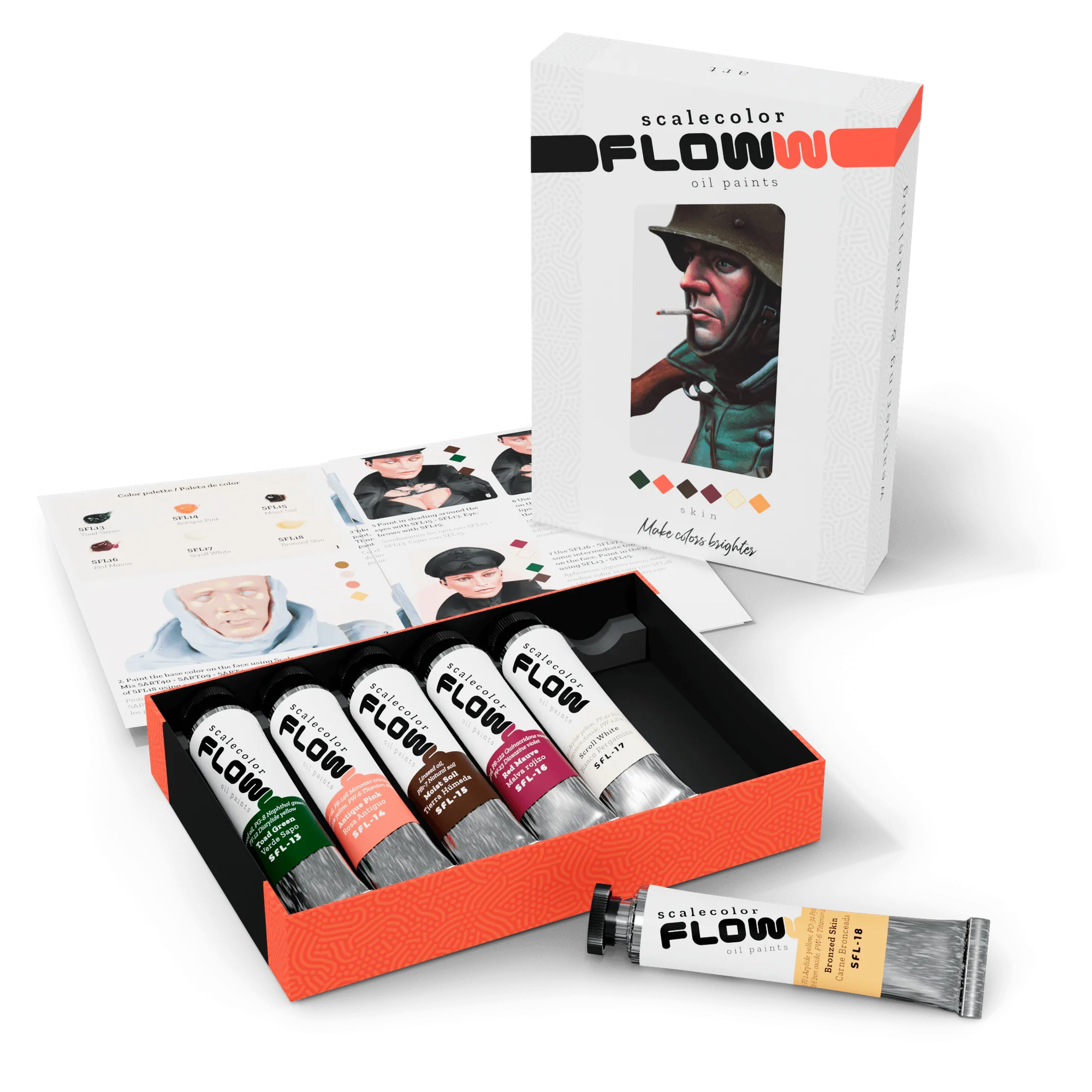
A color theory reference is worth buying when you can already paint but keep making the same mixing mistakes, or when you want a structured way to plan contrast before you commit paint to a large figure. It is not worth buying if you have not yet finished a few figures, because the advice will not stick without something to apply it to.
Treat it as a planning tool rather than a recipe book. Read the sections that match the surfaces you struggle with, then go straight back to the model.
Metallics: one true steel, then stop
Metallic paint is where steampunk budgets quietly double. A single reliable steel tone covers weapons, armor plating and mechanical detail, and you can shift its temperature by glazing warm brown or cool grey over it rather than buying a second metal.
Check that the metallic you choose is described for brush application on plastic, resin and metal, since Amelia Steam is resin and you may also be painting metal parts from other kits in the same session. Coverage consistency matters more than an exotic finish when the surface is covered in small mechanical shapes.
Browns, and why matte matters here
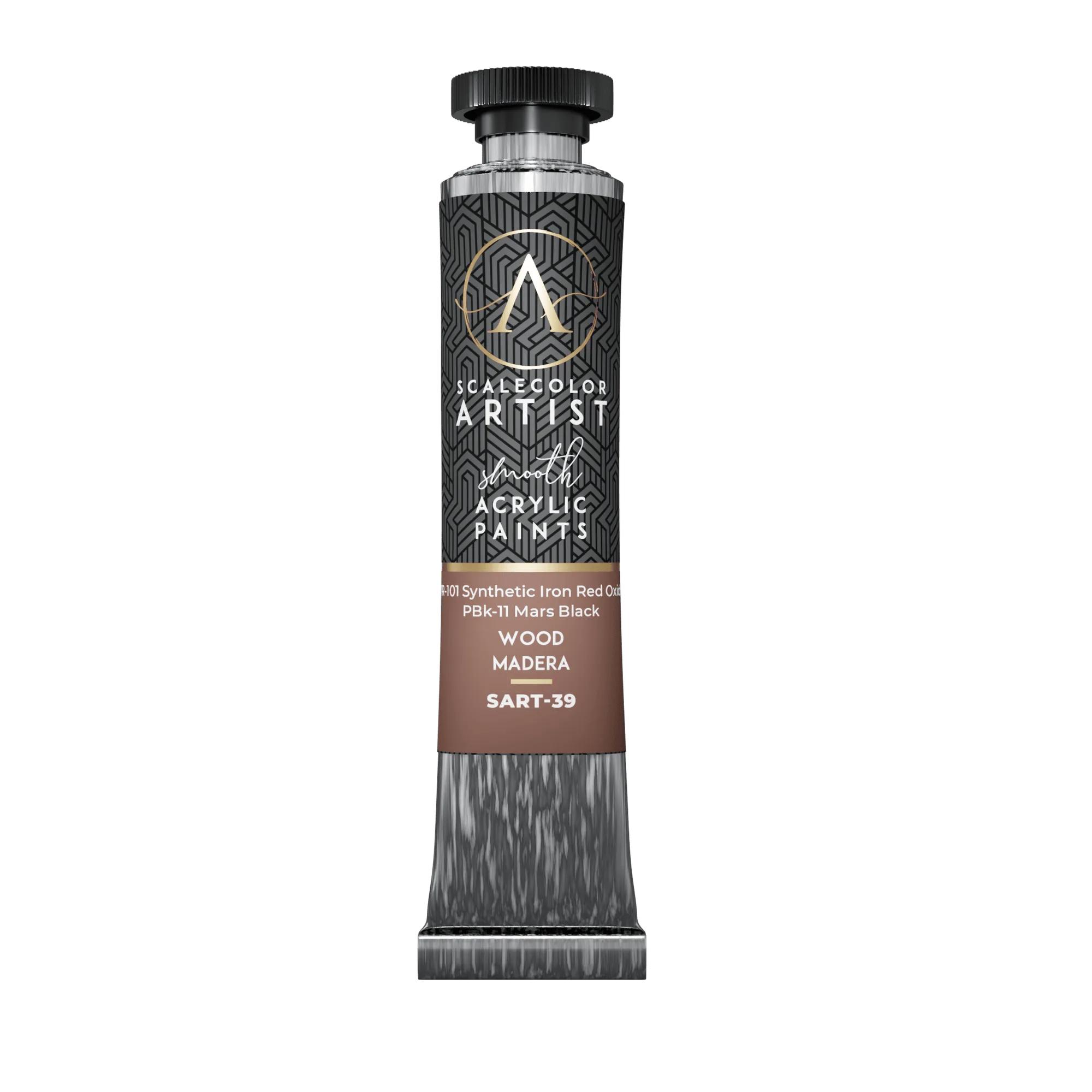
Steampunk lives or dies on leather and grime. A creamy, opaque brown with a matte finish is the single most flexible purchase you can make: thinned, it becomes a glaze for shading straps and boots; used more heavily, it blocks in wood and holsters.
Opacity is the specification to check. A brown that lets you build glazes easily will do the work of two or three pre-mixed shades, which matters more on a 1/10 scale figure where large areas need smooth transitions rather than sharp blocks of color.
What to skip on your first steampunk order
Skip the full metallic range, skip special-effect paints, and skip duplicate browns that differ only slightly in temperature. On a single figure you will not use them enough to learn them, and unopened pots are the most expensive thing in the hobby.
Also skip buying paint before you have checked the figure for mold lines and fit. Assembly problems change what you can reach with a brush, and it is cheaper to discover that before a full palette is on the desk.
Decision rules for your steampunk order
- If you have never painted resin: Buy the figure and one steel and one brown first. Add nothing else until the model is assembled and primed. Two paints plus the kit is a complete first order.
- If you already own a warm brown: Do not buy a second one. Spend the budget on the steel tone instead, since metallics are the hardest to substitute. One brown, one steel, no duplicates.
- If you keep re-mixing the same colors badly: Add a color theory reference and read only the chapters that match your weak surfaces. Buy the reference for planning, not for recipes.
- If you are painting a squad rather than one figure: Buy larger quantities of the brown and steel you have already tested, not new shades. Consistency across a unit beats variety.
Products that fit this build
- AMELIA STEAM: 1/10 scale figure made with high quality resin; unpainted, assembly required, and each box includes a SCALE75 painting reference to inspire your own customization. The included reference gives you a starting direction without locking you into a box-art scheme, which suits a figure you plan to personalize.
- STEEL: High-quality acrylic formula designed for brush application on plastic, resin and metal miniatures, providing a true steel tone for weapons, armor and mechanical details. One steel covers every metal surface on the figure and stays usable across resin and metal parts, so you do not need a second metallic to finish the model.
- ROTBRAUN 44: Matte finish acrylic paint, 17ml, creamy with opacity that allows glazes to be created with ease, and valid for both brush and airbrush. A single warm brown can be glazed for leather shading or applied heavier for wood, and it works with either application method.
- MIKE BLANK COLOR HARMONY ENGLISH: 164-page full-color reference in English, published by SCALE75 - Hobbies & Games, aimed at modelers and artists who want a practical guide to color theory. Useful if you want a structured way to plan contrast and mixing on a large figure before committing paint.
Who this approach suits
Best for
- Painters starting a 1/10 scale resin steampunk figure who want a small, deliberate palette
- Hobbyists who prefer glazing and mixing over buying many pre-mixed shades
- Anyone who wants a guided starting point from an included painting reference
Not for
- Painters who want a pre-selected, all-in-one steampunk paint set with every shade included
- Beginners looking for a quick snap-fit model with no assembly or pinning
- Anyone unwilling to test paint on a spare surface before committing to a large figure