Quick answer
Analog synthesizers and digital pianos serve different musical purposes. Analog synths excel at creating evolving, warm, and unpredictable sounds through voltage-controlled circuits, ideal for sound design and experimental music. Digital pianos prioritize realistic acoustic piano tone and weighted key feel, making them better for classical, jazz, and pop practice or performance. Your choice depends on whether you want to sculpt sound or play a familiar instrument with authentic touch.
Sound generation: Voltage vs. math
Analog synthesizers generate sound using continuous electrical voltages that flow through oscillators, filters, and amplifiers. This creates a rich, warm tone with subtle imperfections—each note sounds slightly different because no circuit behaves exactly the same way twice. The result is an organic, living sound that many musicians describe as "fat" or "creamy."
Digital pianos rely on samples or mathematical models to reproduce the sound of an acoustic piano. Samples are recordings of real pianos played at different velocities, stored in memory and triggered by key presses. This gives you consistent, predictable tone that can sound remarkably realistic, but it lacks the minute variations of analog circuitry. Digital pianos also offer polyphony—the ability to play many notes at once without voice stealing—which is essential for piano repertoire.
Playability and feel
The keyboard action is where the two diverge most sharply. Digital pianos are designed to mimic the weighted, graded hammer action of an acoustic grand piano. Keys are heavier in the low end and lighter in the treble, with escapement simulation and resistance that builds finger strength. This makes them suitable for pianists who need to transition to acoustic instruments.
Analog synthesizers typically use unweighted, synth-action keys that are light and springy. They are optimized for rapid note entry, portamento slides, and playing with one hand while tweaking knobs with the other. Some high-end analog synths offer semi-weighted or aftertouch-sensitive keys, but they never replicate the feel of a real piano. If you primarily play piano repertoire, a digital piano is the more natural choice.
Creative flexibility and sound design
Analog synthesizers shine when you want to create sounds from scratch. Every knob and patch cable changes the timbre in real time, encouraging experimentation and happy accidents. You can build bass lines, leads, pads, and effects that no sample library can replicate. The trade-off is that analog synths are monophonic or have limited polyphony, and they require some understanding of synthesis basics (oscillator, filter, envelope).
Digital pianos are more focused on delivering a specific instrument's voice with high fidelity. Many models include additional sounds like electric pianos, organs, strings, and synths, but these are presets—you can tweak them only within the parameters the manufacturer provides. The strength is consistency and reliability: what you hear on stage matches what you practiced at home. For songwriting and live performance where you need a dependable piano sound, a digital piano is the practical tool.
Tradeoffs at a glance
- Sound character: Analog synths offer warm, evolving, imperfect tone; digital pianos deliver consistent, realistic acoustic samples. Choose analog if you value organic texture; choose digital if you need faithful piano reproduction.
- Keyboard feel: Digital pianos have weighted, graded hammer action; analog synths use light, unweighted keys. Pianists should prioritize digital piano action; synth players will adapt to light keys.
- Polyphony: Digital pianos typically offer 128-note polyphony; analog synths often have 4-8 voices or are monophonic. Digital pianos handle complex piano pieces; analog synths excel at single-line leads and basses.
Related products that complement your choice
- What Artists Do: What Artists Do by Leonard Koren is a thoughtful meditation on the creative life—not the polished outcomes, but the messy, uncertain, deeply human act of making. If you choose an analog synth for sound design, this book will resonate with the experimental, process-driven mindset that synthesis encourages.
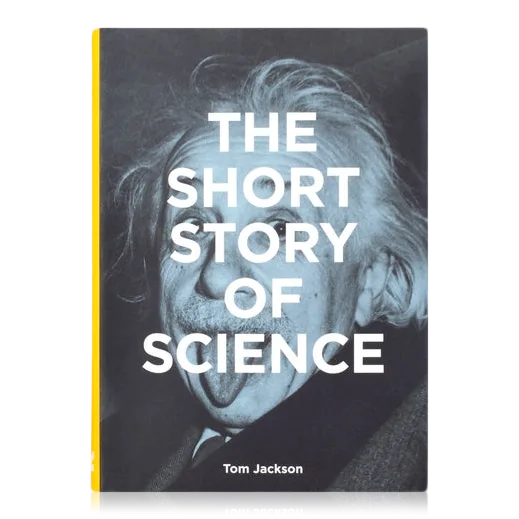
- The Short Story Of Science: The Short Story of Science covers 60 key experiments, from Archimedes' investigations of buoyancy to the discovery of dark matter, linking them to the history of science and key theories. For musicians curious about the physics of sound and the science behind synthesis, this book provides accessible context that enriches your understanding of how instruments work.
Which one fits your space and goals?
Best for
- Musicians who want to design original sounds and explore electronic music
- Producers looking for a hands-on, tactile instrument for studio work
- Experimental artists who value unpredictability and character over precision
Not for
- Classical or jazz pianists who need authentic weighted action and realistic acoustic tone
- Live performers who rely on consistent, reproducible piano sounds
- Beginners who want a single instrument that covers both piano and synth duties