When you're standing in the pet food aisle, the choice between ancient grains and grain-free formulas can feel overwhelming. Both options have passionate advocates, but the real question is: what's best for your dog's digestion? The answer depends on your dog's unique system, not on marketing trends.
Let's break down the differences between ancient grains dog food and grain-free recipes, how each affects digestion, and when one might be a better fit for your pup.
What Are Ancient Grains and Why Are They Used in Dog Food?
Ancient grains like quinoa, millet, oats, and barley have been cultivated for thousands of years with minimal genetic modification. In dog food, they provide a source of complex carbohydrates, fiber, and essential nutrients. Unlike refined grains, ancient grains retain their bran and germ, which means they offer more digestible fiber and a lower glycemic index.
For many dogs, these grains support steady energy levels and healthy stool formation. The fiber in ancient grains also acts as a prebiotic, feeding beneficial gut bacteria. Brands like Open Farm include ancient grains in recipes such as the Epic Blend Chicken & Superfood Dry Dog Food, which combines oats and quinoa with superfoods for balanced nutrition.
- Look for whole ancient grains like oats, quinoa, or barley on the ingredient list for maximum fiber benefit.
How Grain-Free Dog Food Affects Digestion
Grain-free dog food replaces grains with alternative carbohydrate sources like potatoes, peas, lentils, or tapioca. The idea is to mimic a more ancestral diet, but the impact on digestion varies. Some dogs with grain sensitivities or allergies do better on grain-free diets, experiencing less gas, bloating, or loose stools.
However, not all grain-free recipes are equal. Some rely heavily on legumes or starchy vegetables, which can be harder for certain dogs to digest and may lead to firmer stools or reduced nutrient absorption. If your dog has a confirmed grain allergy—rare but possible—a grain-free option might help. For most dogs, though, grain-free isn't inherently better for digestion.
- If you suspect a grain allergy, try a grain-free food like the Goodbowl Wild-Caught Whitefish & Salmon Pâté for Dogs, which uses no grains and features easily digestible protein.
Ancient Grains vs Grain-Free: Key Differences for Digestive Health
The main difference lies in fiber type and carbohydrate source. Ancient grains provide soluble and insoluble fiber that supports regular bowel movements and feeds gut flora. Grain-free diets often rely on resistant starch from legumes, which can ferment differently in the colon and cause gas in some dogs.
Another factor is protein content. Grain-free foods sometimes pack more protein, which can be beneficial for active dogs but may upset sensitive stomachs if the protein source is rich. Ancient grain formulas tend to be more balanced in macronutrients, making them a gentler choice for dogs with chronic digestive issues.
- For dogs with normal digestion, either option can work—choose based on your dog's individual stool quality and energy levels.
When to Choose Ancient Grains Dog Food
Ancient grains are an excellent choice for dogs without specific grain allergies. They offer a steady source of energy and fiber that can help regulate digestion, especially for dogs prone to constipation or irregular stools. The prebiotic fiber in grains like oats also supports a healthy microbiome.
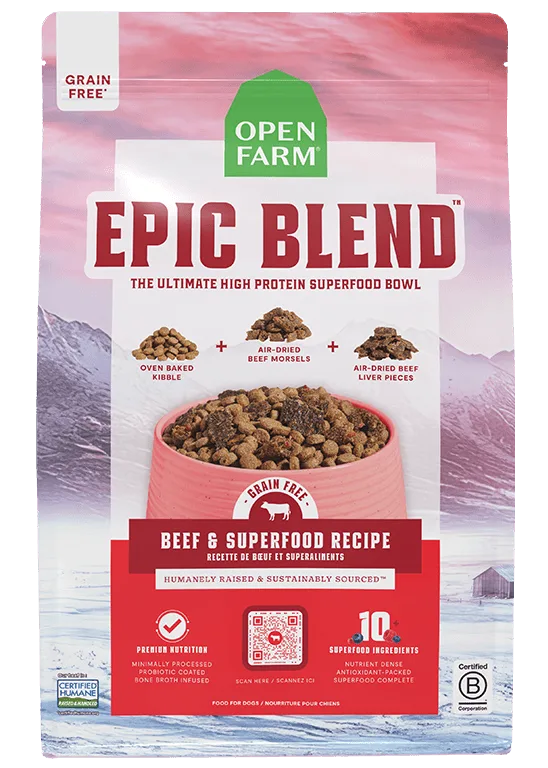
If your dog eats a mixed diet of kibble and wet food, ancient grains can help bulk up stool and improve consistency. Open Farm's Epic Blend Beef & Superfood Dry Dog Food includes oats and quinoa, making it a solid grain-inclusive option for everyday feeding.
- Transition slowly over 7–10 days when switching to a grain-inclusive food to allow gut bacteria to adjust.
When Grain-Free Might Be a Better Fit
Grain-free diets are worth considering if your dog shows clear signs of grain intolerance—persistent itching, ear infections, or soft stools after eating grain-based foods. In those cases, removing grains can resolve symptoms and improve digestion. A grain-free option like the Goodbowl Turkey & Salmon Freshly Crafted Roll for Dogs provides a simple, limited-ingredient approach.
That said, grain-free doesn't mean low-carb. Check that the alternative carbs are digestible for your dog; sweet potato and pumpkin are usually gentle options. Avoid formulas with excessive pea protein or legume concentrates if your dog has a sensitive stomach.
- Consult your vet before switching to grain-free long-term, especially if your dog has a history of heart conditions.
How to Choose the Best Dog Food for Digestion
Start by observing your dog's stool and energy. Firm, well-formed stools and consistent energy are signs that the current food works. If you see loose stools, excessive gas, or lethargy after meals, a change may help. For most dogs, a grain-inclusive diet with whole ancient grains is a safe, nutritious starting point.
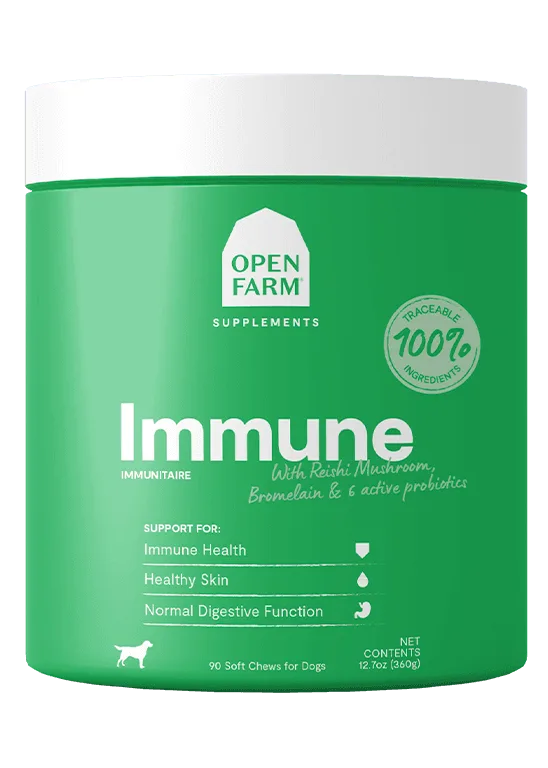
Look for foods with named protein sources, whole grains or gentle carb alternatives, and added probiotics or prebiotic fiber. Open Farm's recipes often include pumpkin, chicory root, or fermented ingredients to support gut health. If you need extra digestive support, consider adding a supplement like the Immune Supplement Chews for Dogs, which contain probiotics and omega-3s to calm inflammation.
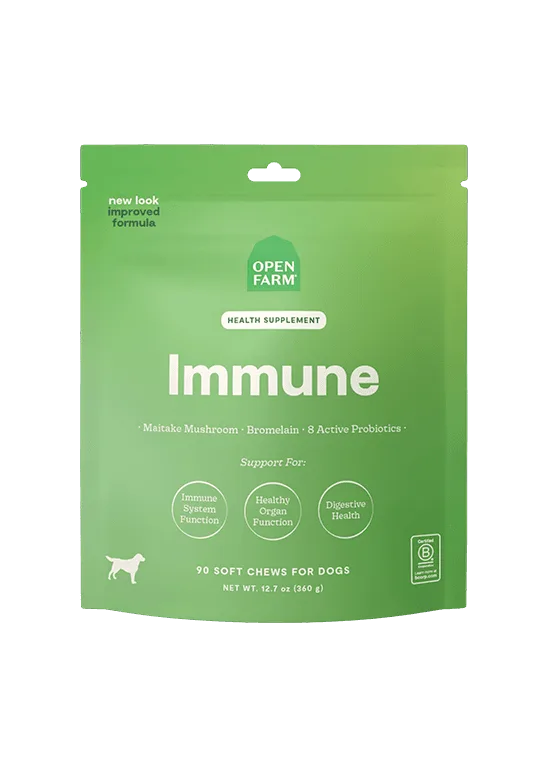
Immune Supplement Chews for Dogs
- Always check the guaranteed analysis for fiber content—aim for 3–5% crude fiber for most adult dogs.
There's no one-size-fits-all answer in the ancient grains vs grain-free debate. Both can support healthy digestion when chosen based on your dog's individual needs. Ancient grains offer steady fiber and nutrients for most dogs, while grain-free can help those with true grain sensitivities. Pay attention to your dog's cues, and don't hesitate to try a high-quality option from either category—like Open Farm's grain-inclusive or grain-free recipes—to see what works best.