Quick Answer
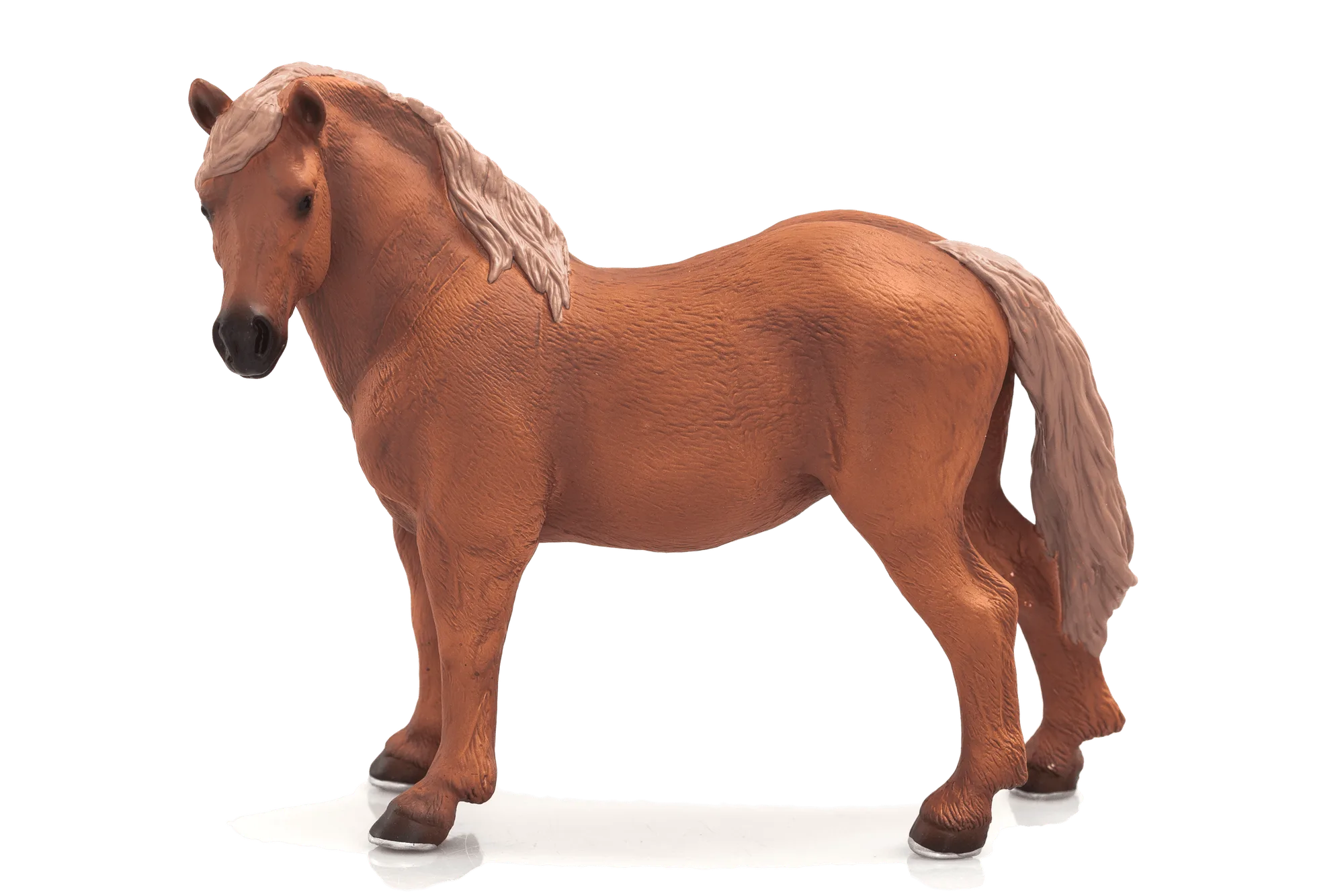
Choose the Suffolk Punch mare if you want a heavy draft horse that anchors a farm or work-horse display. Choose the Andalusian Black if you want an elegant riding horse with a proud, collected stance for a performance or Spanish-type scene. If you are building a mixed herd, buy one of each: the contrast between a draft build and a riding build is the whole point of a horse figure comparison like this.
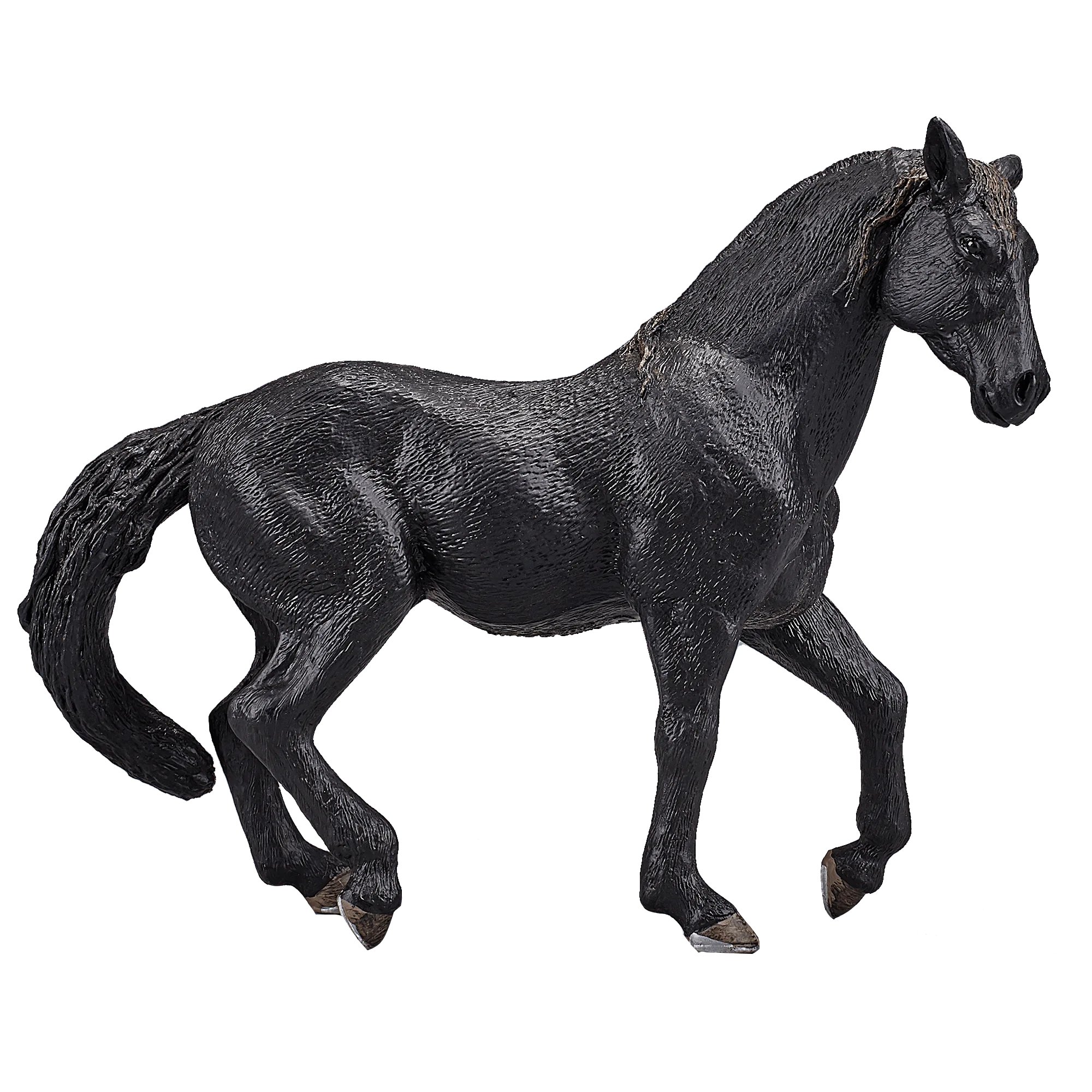
Andalusian Black
Most shoppers searching for an Andalusian Black vs Suffolk Punch mare decision are really asking one question: do I want a heavy working horse or a light, athletic riding horse on my shelf? That single choice changes the pose, the silhouette, and the kind of scene the figure belongs in.
This comparison sticks to breed facts and honest trade-offs rather than hype. We will look at what each breed is known for, how that shows up in a figurine, and where each one fits — including the parts of the catalog listing that are not specified, so you can decide whether that gap matters for your plan.
What Each Breed Actually Is
The Suffolk Punch is a draft breed — a heavy horse built for pulling and farm work. The Andalusian is a riding breed, associated with collected movement and a proud, upright carriage. In a horse figure comparison, that difference is not cosmetic: it decides whether the model reads as a work animal or a performance animal at a glance.
Neither breed is described in the supplied catalog facts for these two figures, so treat the breed background as general knowledge rather than a product specification. What the product records do give you is the exact product name, the catalog price, and the option types available — and for these two, the option types are not listed, which is a real limitation if you were hoping to pick a color variant or size.
- Check the product name first: it is the most reliable indicator of breed and pose in this catalog.
- If a listing shows no option types, assume a single fixed version rather than a choice of colors or sizes.
Draft Horse vs Riding Horse Figure: Why the Build Matters
A draft horse figurine usually carries more visual weight: broader chest, thicker neck, heavier hindquarters. That mass makes it a natural centerpiece in a farm, field, or historical work scene, and it pairs well with other heavy breeds. A riding horse figure is typically leaner and more lifted, which suits arena, dressage, or Spanish-type displays.
If you already own several light riding breeds, adding a draft model gives your collection a contrast it probably lacks. If your shelf is mostly farm animals, a riding horse figure adds a different kind of movement and line. Neither is better — the trade-off is mass and work context versus elegance and athletic context.
- Group by build, not by color: heavy breeds together, light riding breeds together, reads more convincingly.
- Leave extra shelf depth for draft models, which tend to occupy more visual footprint.
How to Judge the Figures Without a Spec Sheet
Because the supplied records for these two products do not list scale, material, finish, or dimensions, you cannot compare them on those points here, and guessing would be misleading. What you can compare is intent: the breed, the pose implied by the name, and how each would function in a display or play setup.
A practical workaround is to compare against figures you already own. If you have a horse model whose size and finish you like, use its proportions as your reference when you look at the photos for each option. That gives you a grounded comparison even when the listing is thin on specifications.
- Use a figure you already own as a size and finish benchmark before ordering.
- If scale is critical to your display, treat an unlisted scale as a reason to ask before buying.
Pairing Each Figure With Other Models
The Andalusian Black works well beside other riding and performance breeds, where its upright carriage stays the visual focus. The Suffolk Punch mare works better beside draft and farm types, where its heavier build looks intentional rather than oversized. Mixing the two in one tight group can work, but the size and stance difference will be obvious.
If you want a broader horse toy breed comparison rather than a two-way choice, the same logic applies across the catalog: match the breed's job — draft, riding, pony, or wild — to the scene you are building, and the group will look deliberate.
- Keep one dominant breed type per scene to avoid a mismatched look.
- If you display both, separate them into two small groups instead of one crowded row.
Trade-Offs to Weigh Before You Buy
- Draft presence vs riding elegance: A Suffolk Punch mare model gives you mass, a grounded stance, and a clear work-horse identity, but it will look out of place in a light performance or Spanish-type scene. The Andalusian Black gives you lift and carriage, but it will not read as a working animal. Pick the build that matches the scene you already have, not the one you like most in isolation.
- Breed accuracy vs display flexibility: Choosing a named breed locks the figure into that breed's context. That is a strength for collectors who group by breed and a constraint for anyone who wants one horse to serve every scene. If you want one figure to do everything, accept that a named breed will always carry its own context.
- Missing specifications: The supplied records for these two products do not list scale, material, finish, or available option types. That is a decision limitation, not a hidden flaw — it simply means you cannot compare them on those points from the listing alone. Confirm any specification you cannot live without before ordering, especially scale.
Catalog Facts Behind These Picks
- Shire Foal: The Shire is a breed of draft horse native to central England, equal in weight to the Belgian horse and usually slightly taller; it was widely used as a war horse in the Middle Ages and was well adapted to carry the weight of armor worn by horse and rider. If the draft side of this comparison appeals to you, the Shire Foal is a lower-cost way to add another heavy breed and extend a farm or work-horse group.
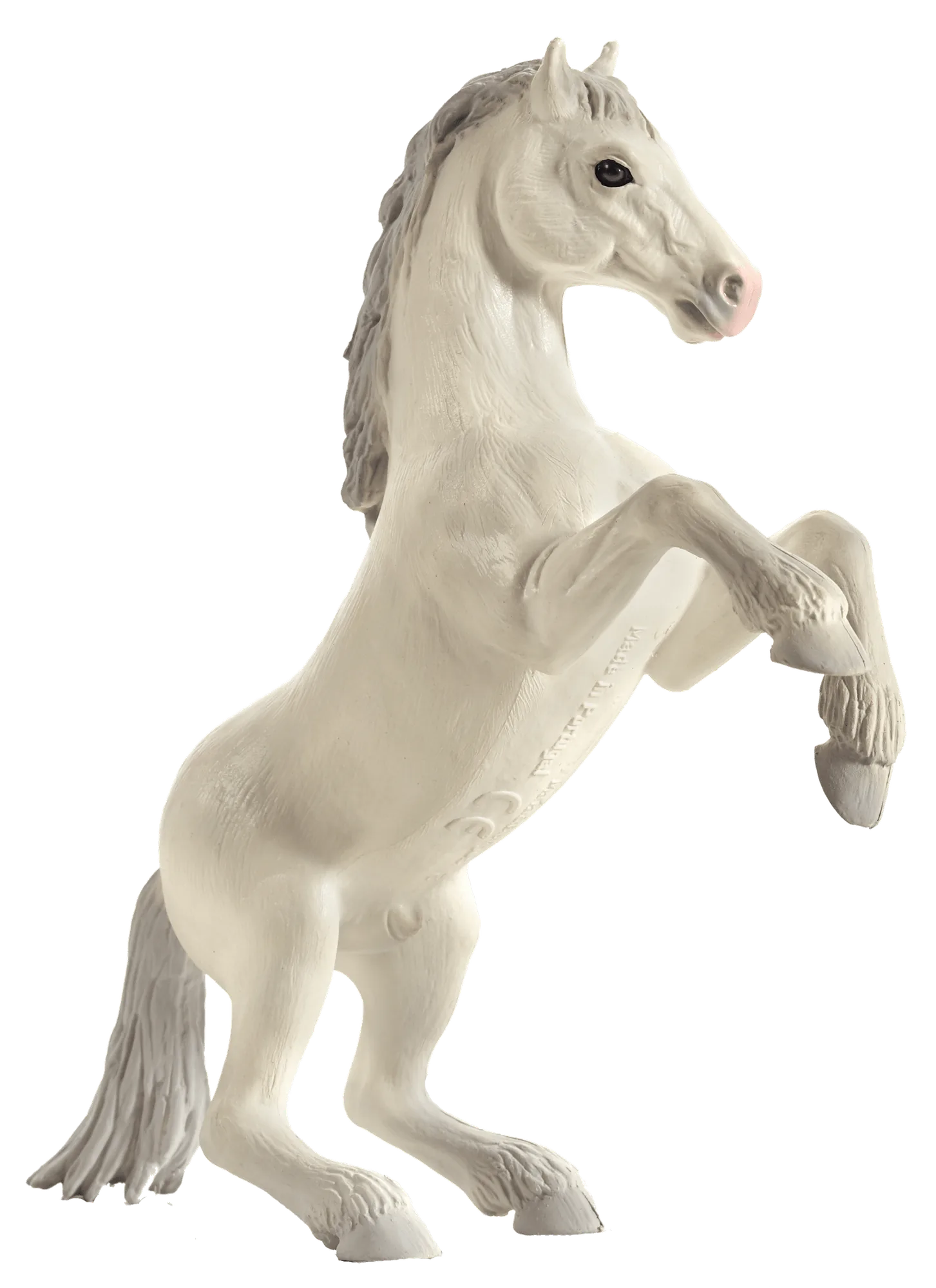
- Mustang Rearing White: The Mustang is associated with the American West and is favoured for its rugged toughness and endurance, with an independent spirit; free-roaming Mustangs are primarily wild horses but are quite often captured and gentled. A rearing pose gives you motion that a standing draft or riding figure does not, which is useful if your display needs energy rather than a static lineup.
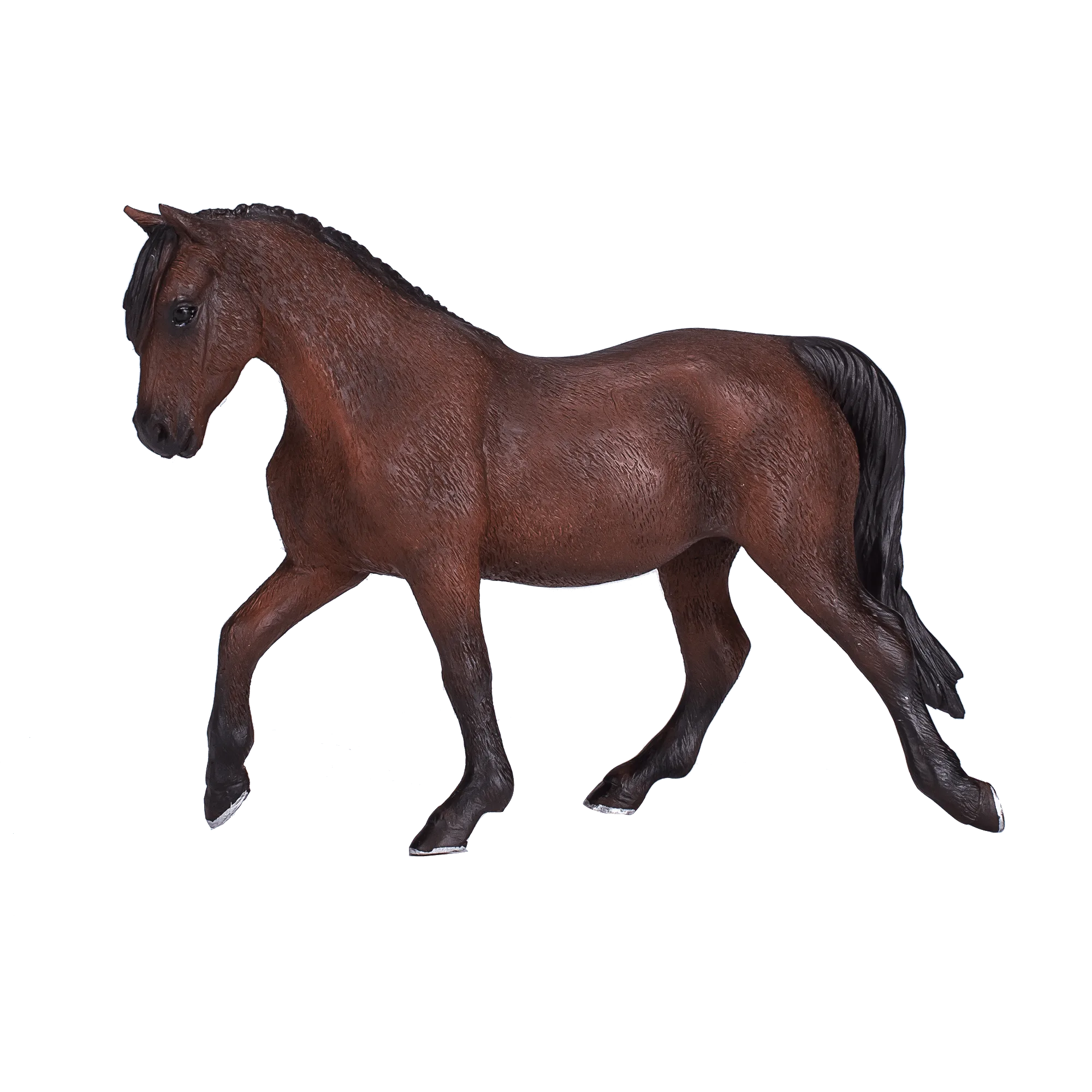
- Morgan Stallion Bay: The Morgan is described as one of the most elegant and versatile breeds, found competing from roping to dressage, and known for good disposition and intelligence as well as strength and stamina. The Morgan sits between the two sides of this comparison — versatile enough for a riding scene but sturdier than a pure performance breed — so it is a sensible middle option if you cannot decide.
Which One Should You Choose?
Best for
- Collectors building a farm, field, or historical work-horse display who need a heavy draft silhouette
- Buyers who already own several light riding breeds and want a deliberate contrast in build
- Shoppers who want a single figure that clearly reads as a working horse at a glance
Not for
- Anyone building a dressage, arena, or Spanish-type scene where a heavy draft build would look out of place
- Buyers who need a listed scale, material, or option type before purchasing
- Shoppers looking for a rearing or highly dynamic pose rather than a grounded working stance
Decide by scene, not by breed reputation: a Suffolk Punch mare model anchors a farm or work display, while the Andalusian Black suits a performance or Spanish-type group. If you want both builds, buy both — the contrast is what makes a horse figure comparison worth doing in the first place.